American Viticulture Area, AVA, Chardonnay, Gary Farrell Winery, Pinot Noir, Russian River Valley, Russian River Valley Neighborhoods, Samples, Virtual Tasting, Wine

Welcome to the Neighborhood: Tasting Through the Russian River Valley with Gary Farrell Wines

Most wine lovers are familiar with the notion of appellations; designated wine regions identified by geography and legal protection. In the United States, appellations are known as American Viticulture Areas, or AVAs. Within an appellation or AVA, there can be sub-regions that, though perhaps not legally identified, can present climate and growing conditions which contribute to a unique terroir. One notable and well known AVA in Northern California is the Russian River Valley AVA. We recently learned that the Russian River Valley Winegrowers (RRVW) has defined six smaller sub-regions which they call Neighborhoods. How did we come by this newfound knowledge? Well, we were invited to a virtual tasting of single-vineyard wines from Gary Farrell Winery, exploring each of the Russian River Valley Neighborhoods. 

The following wines were provided as media samples for review. All reviews, descriptions, and opinions are our own. We received no additional compensation.

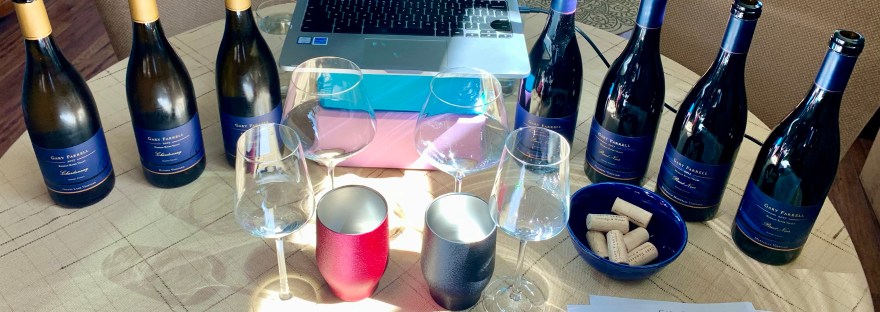
The event featured Gary Farrell Winery winemaker Theresa Heredia, who led us through history, geography lessons, and of course, tasting seven wines from the Gary Farrell Winery portfolio; three Chardonnays and four Pinot Noirs. As Theresa explained, although the wines are from the same respective grapes, grown in the same AVA, each neighborhood produces decidedly different wines with unique characteristics. 

Gary Farrell started in the wine business in the late 1970’s, originally working with local wineries. In 1982, he produced the first wine under his eponymous wine label. Since then, Gary Farrell Winery has grown in reputation and prestige and is now one of the most notable small-lot producers of Chardonnay and Pinot Noir in the Russian River Valley. Though Gary Farrell sold the winery in 2004, the current owners are maintaining his legacy and standard of excellence. 

Theresa Heredia started with Gary Farrell Winery in 2012. At that time, she brought with her a decade (now nearly two decades) of experience in cool-climate, small-lot Chardonnay and Pinot Noir production. Early in her career, she worked at Domaine de Montille, in Burgundy, France, where she gained an appreciation for the Burdunidan style of winemaking. Friendly and inviting, Theresa was an amazing host for our tasting. 

In keeping with the Burgundian style, Theresa said that each of the wines in the tasting are terroir-driven, and aged in light-toast French oak barrels. The use of light toast oak is deliberate, since heavier toasts can mask the nuances of the wine itself. Theresa also mentioned, to our surprise, that the Russian River Valley AVA has more soil types than are found in all of France!  

During a brief history lesson, Theresa shared her screen, and showed us the six Russian River Valley Neighborhoods on the RRVW website. This is an interactive site that allows you to explore each of the neighborhoods and see which characteristics define each one. Theresa mentioned that only one neighborhood, Green Valley, is a designated Sub-AVA within the Russian River Valley AVA. There are currently no plans to apply for AVA status for any of the other neighborhoods. 
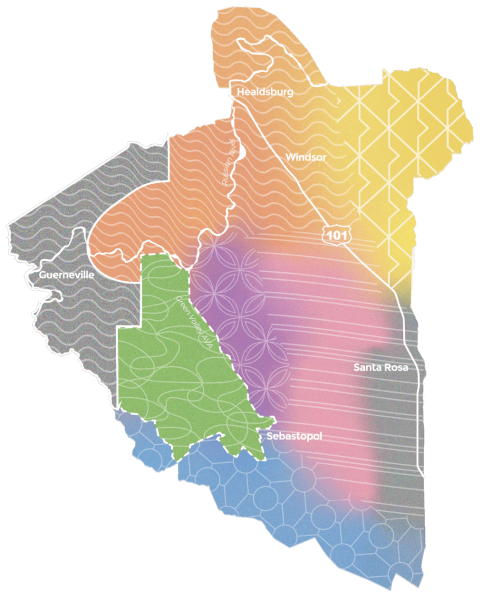
Image credit: Russian River Valley Winegrowers website

The seven wines we tasted, and the respective neighborhoods from which they hail, were, in order of tasting:

  • 2017 Olivet Lane Vineyard Chardonnay – Santa Rosa Plains
  • 2017 Ritchie Vineyard Chardonnay – Laguna Ridge
  • 2017 Rochioli Vineyard Chardonnay – Middle Reach
  • 2017 Bacigalupi Vineyard Pinot Noir – Middle Reach
  • 2017 Hallberg Vineyard Pinot Noir – Green Valley
  • 2017 McDonald Mountain Vineyard Pinot Noir – Sebastopol Hills
  • 2017 Martaella Vineyard Pinot Noir – Santa Rosa Plains
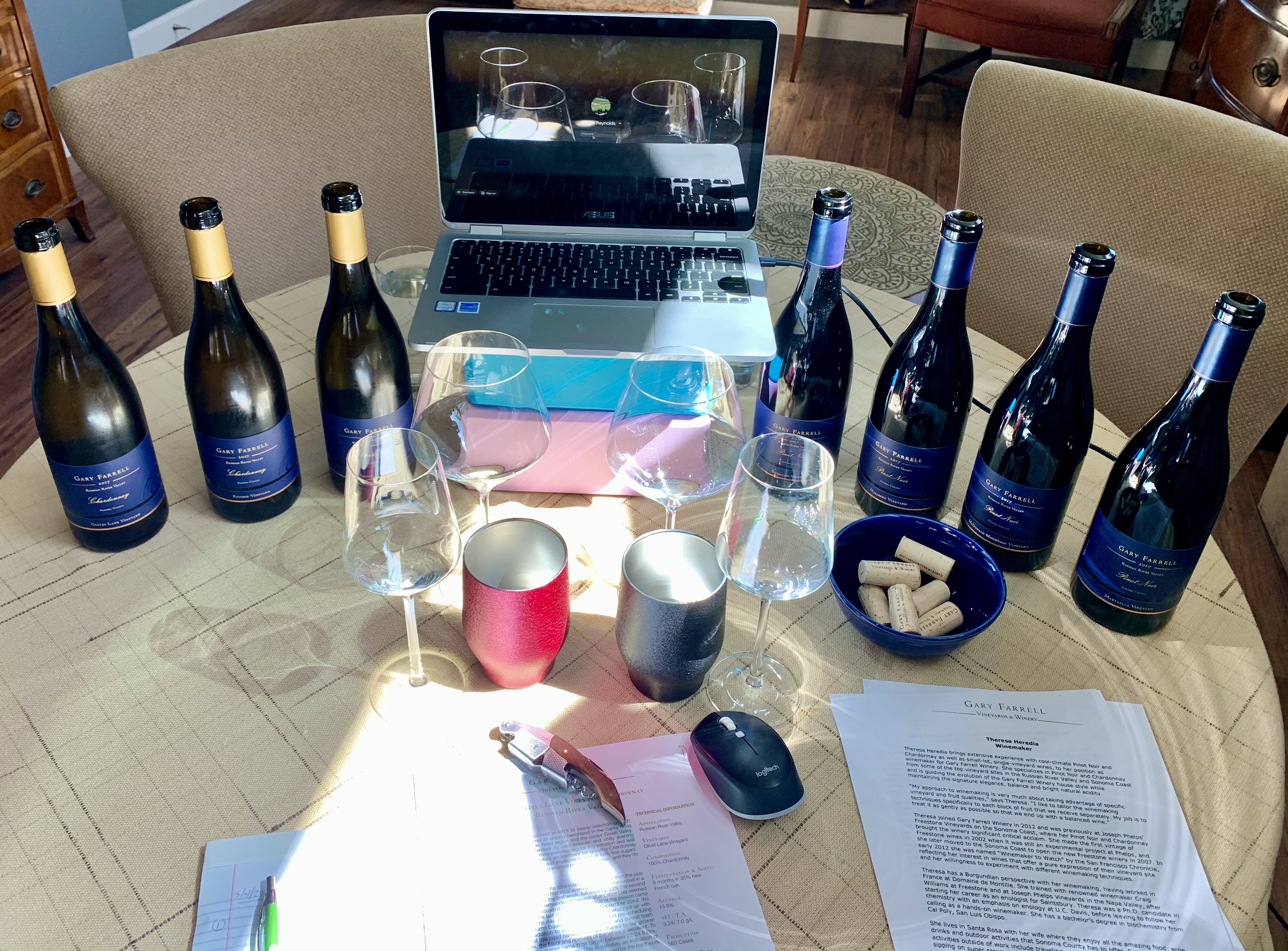
Ready to taste!
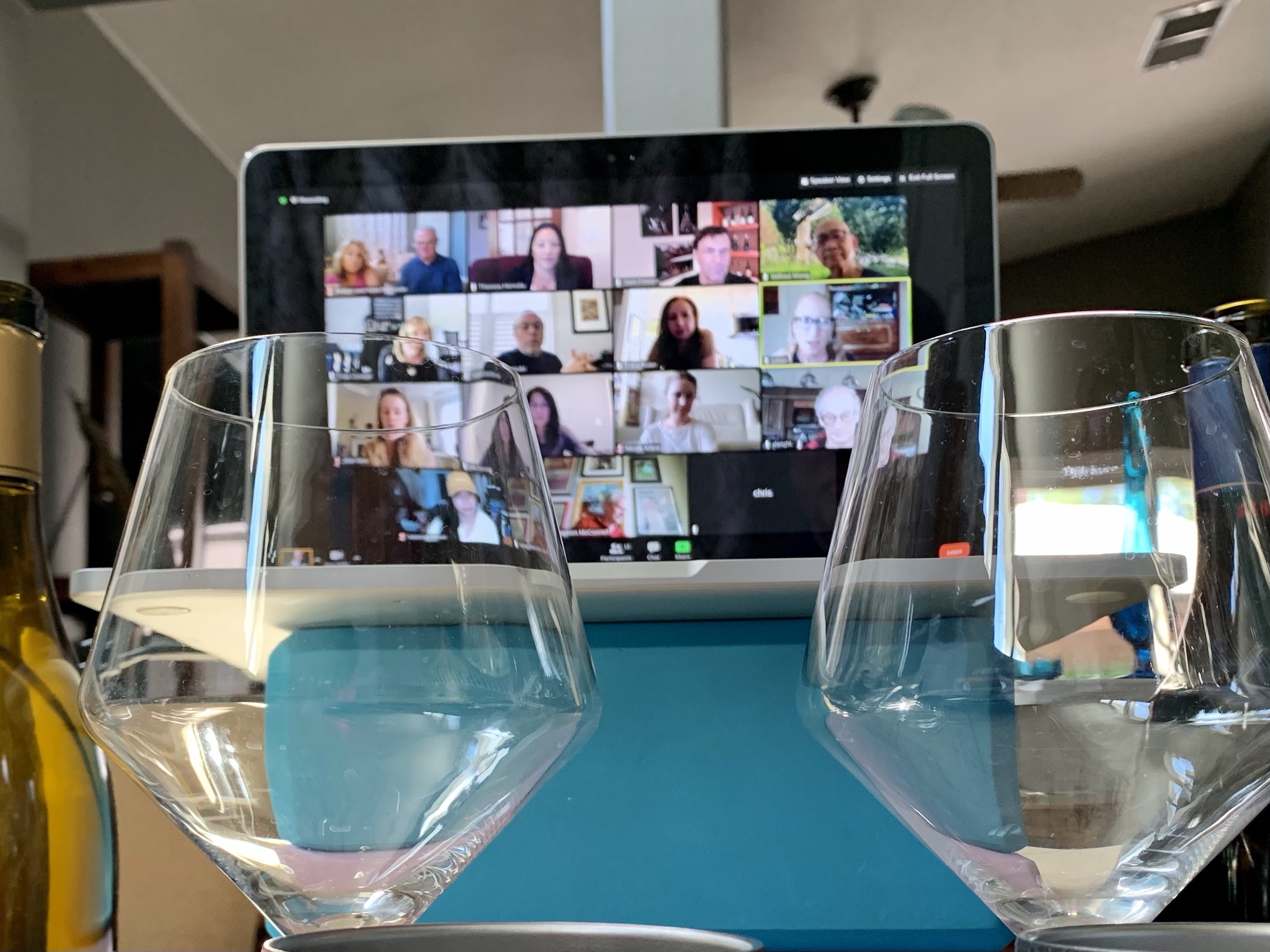
(Behind the scenes at Appetite for Wine: yes, those are yoga blocks!)
That’s a lot of corks for 11 am!
Why are those glasses empty?

The virtual tasting was packed with information; much more than can comfortably fit into a blog post anyone would actually read. Though it exceeded the allotted hour, it went much too fast. Since the tasting was at 11 a.m. Pacific, we sipped and spit, and re-corked the bottles, and then enjoyed them for the rest of the week! Here are our impressions of each wine:

2017 Olivet Lane Vineyard Chardonnay
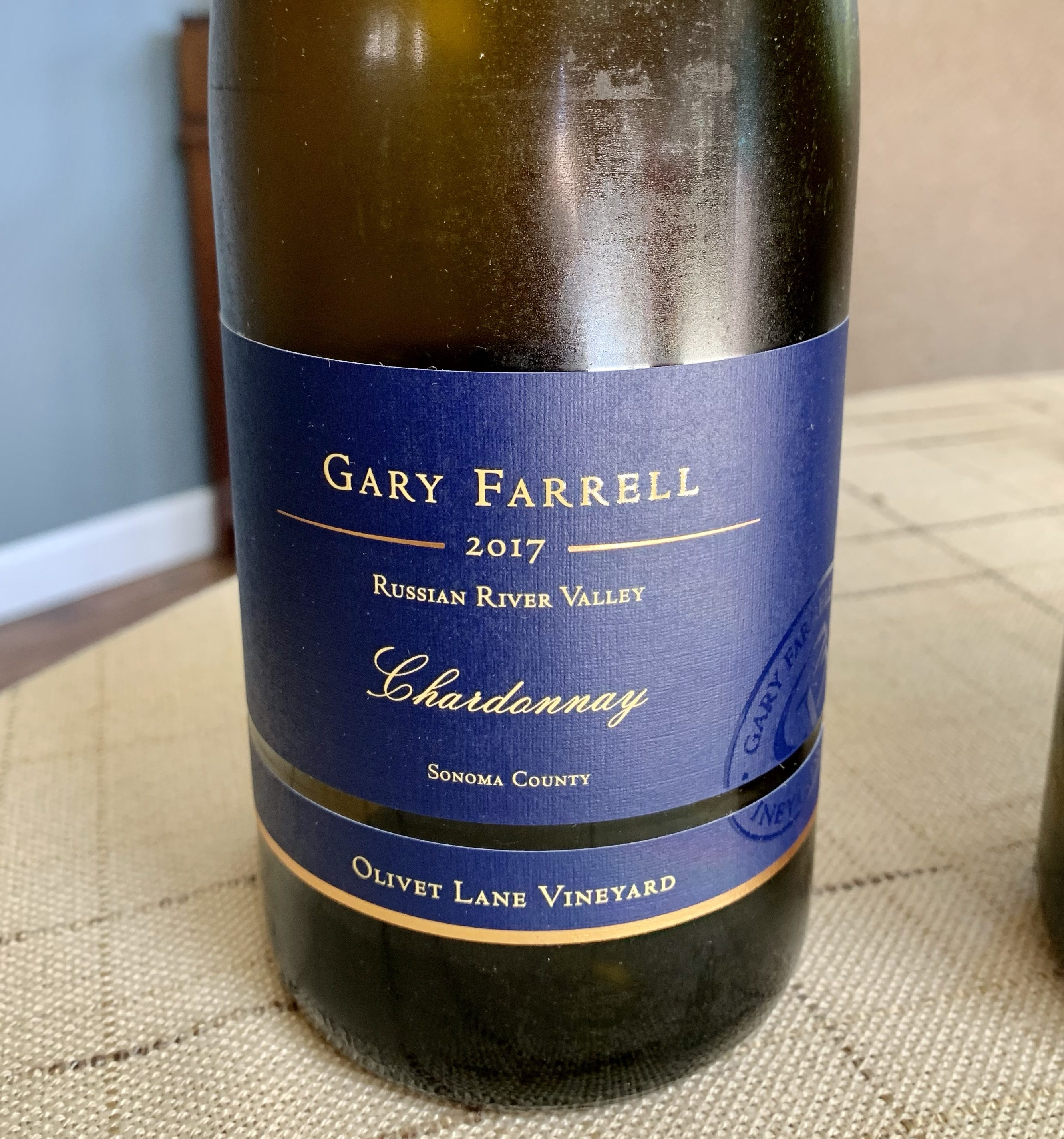
Light and crisp, yet still exhibiting light buttery, toasty notes. Golden color. Aromas of apple, pear, and citrus. On the palate, apples, pear, pineapple, and floral notes. Medium body with bright acidity – more than most Cali Chards – nicely balanced. Full, lush, mildly creamy mouthfeel leading to a crisp finish of citrus and some light toast.

2017 Ritchie Vineyard Chardonnay 
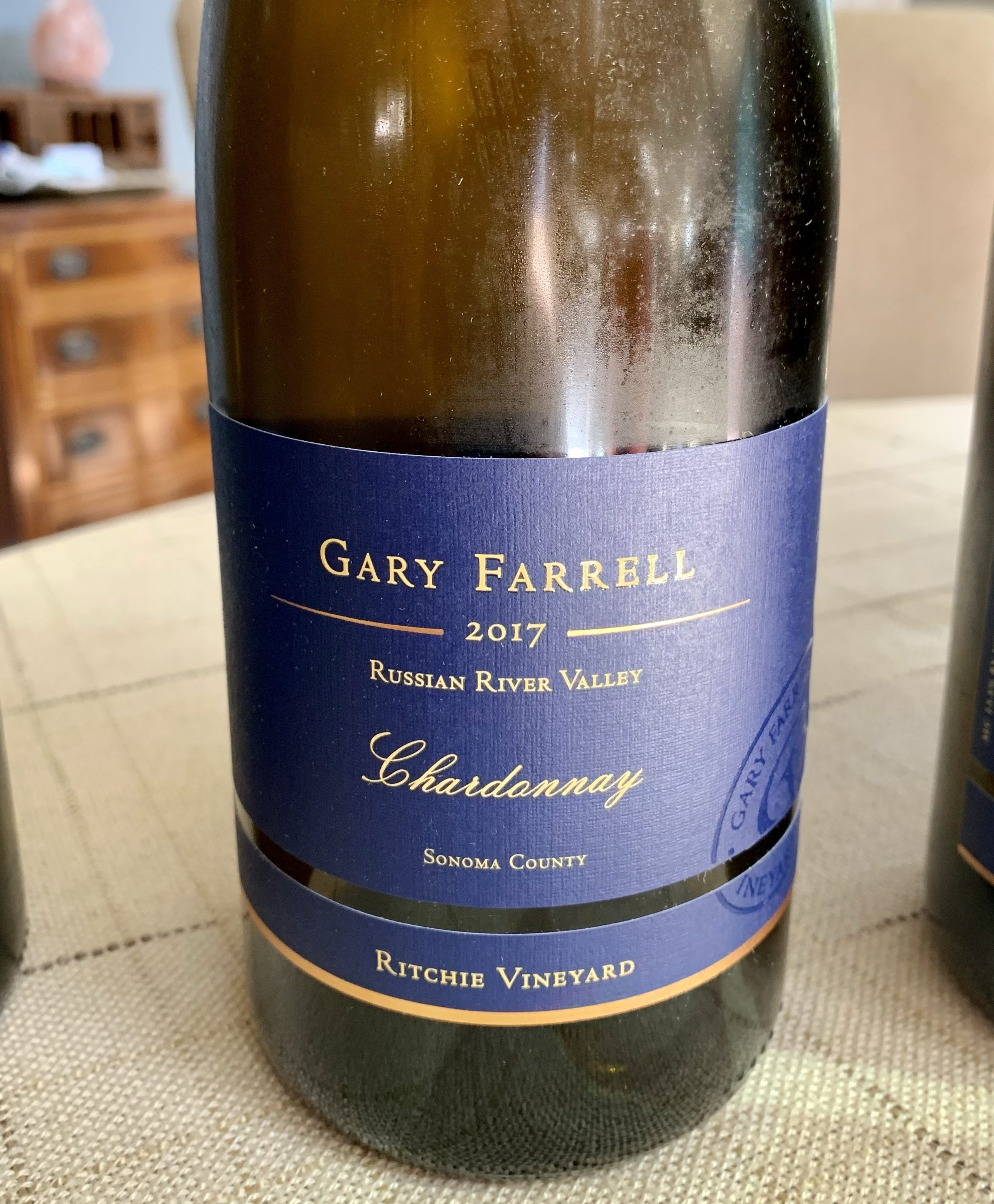
A classic but restrained California Chardonnay. Golden color with fresh pineapple the first aromas on the nose, followed by citrus and butter notes. On the palate, green apple, pear, pineapple and tropical notes, as well as citrus. Soft, creamy mouthfeel balanced with medium acidity. The finish has tropical fruit and just a hint of butter. 

2017 Rochioli Vineyard Chardonnay 
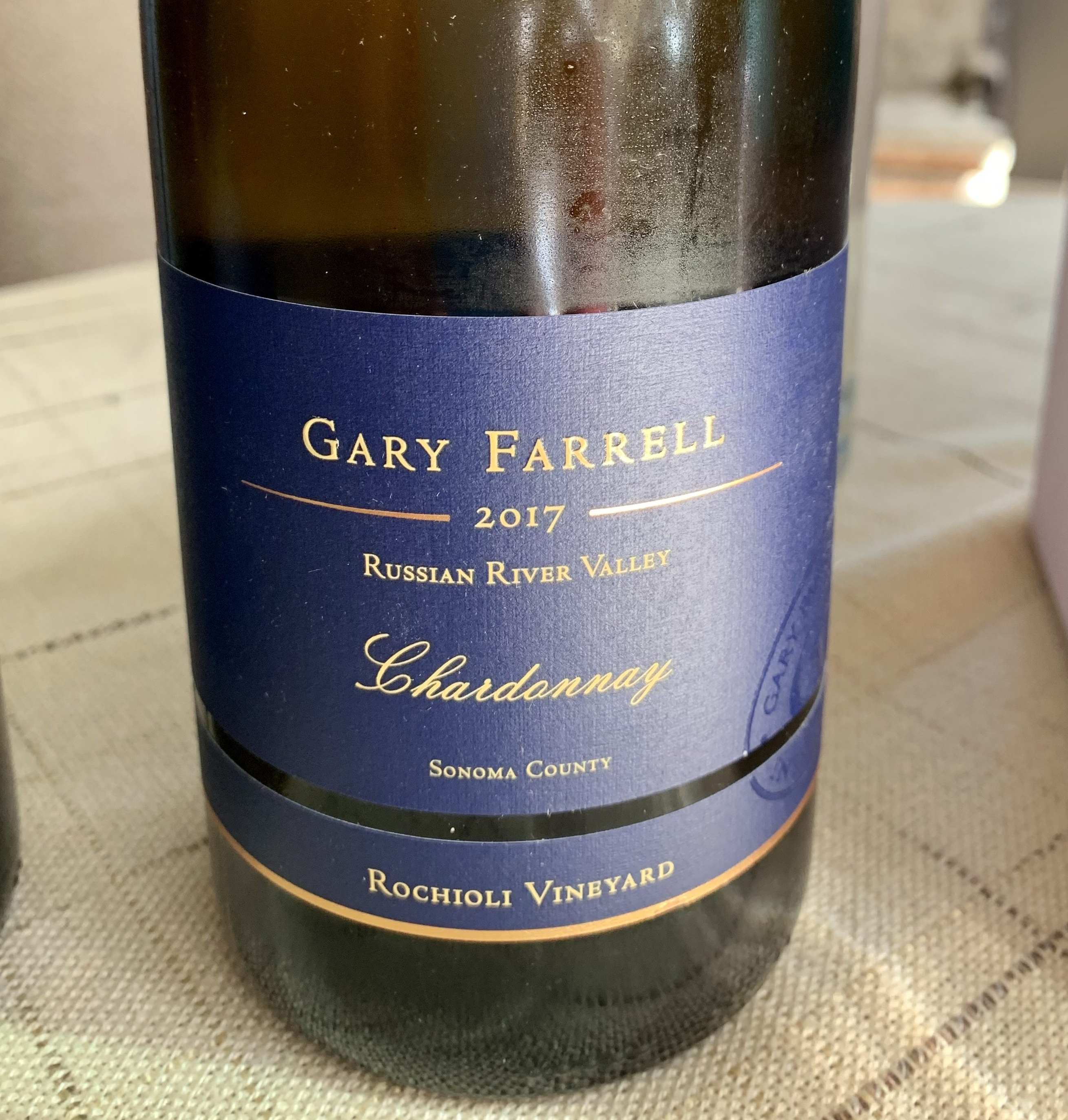
A more classic California Chardonnay, though in Gary Farrell style, subtle and elegant. On the nose, pineapple, pear, and citrus, with a whiff of butter. Surprisingly crisp acidity on the palate, with pear, apple, lemon curd, and butter, with a light toast note in the finish.

2017 Bacigalupi Vineyard Pinot Noir 
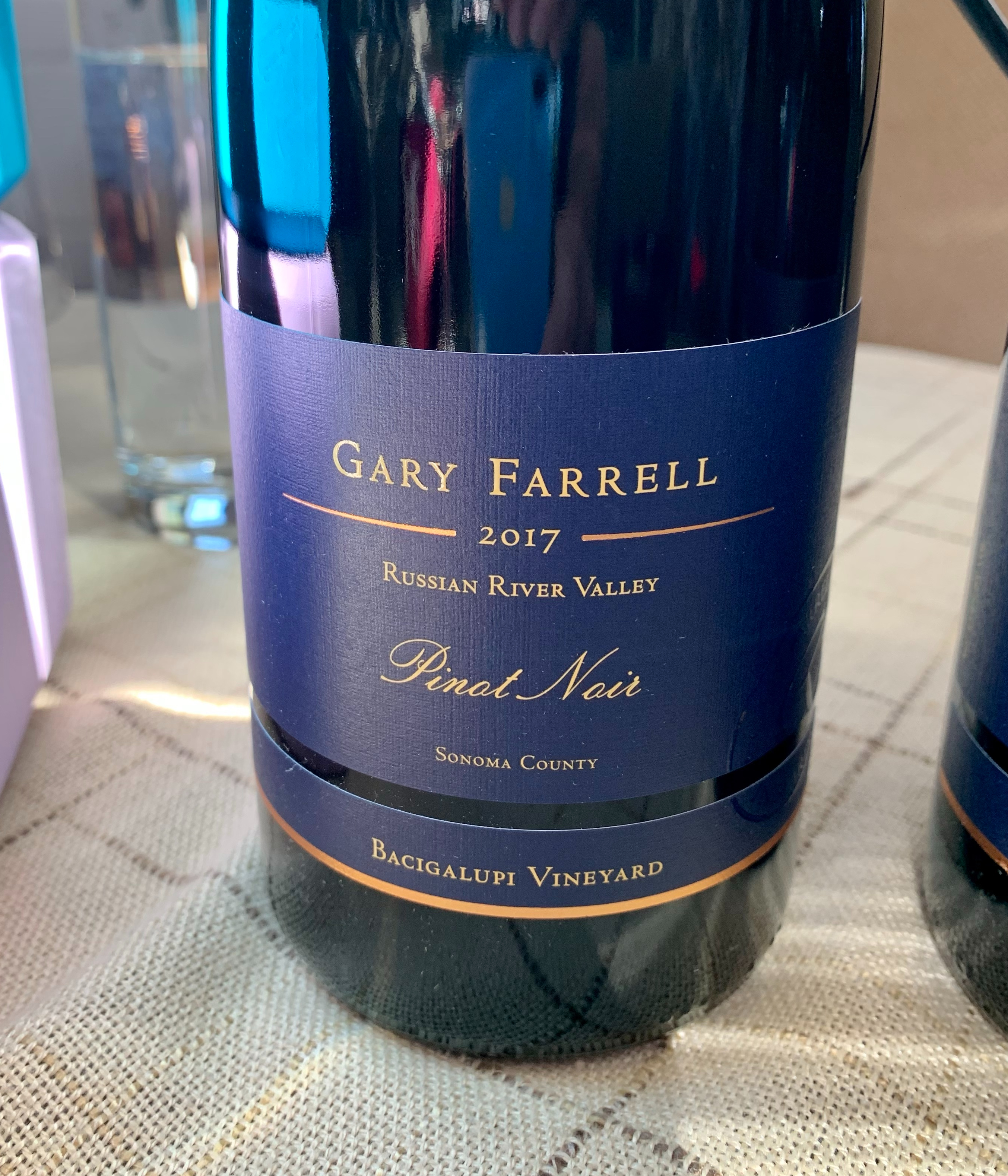
Exquisite and our favorite of the tasting. The nose opens with cherry, raspberry, and cedar, with earthy notes. On the palate, the cherry leads the charge with raspberry, violet, cedar, and mushroom supporting. Medium body and acidity, with a long finish of red fruit and black tea.

2017 Hallberg Vineyard Pinot Noir 
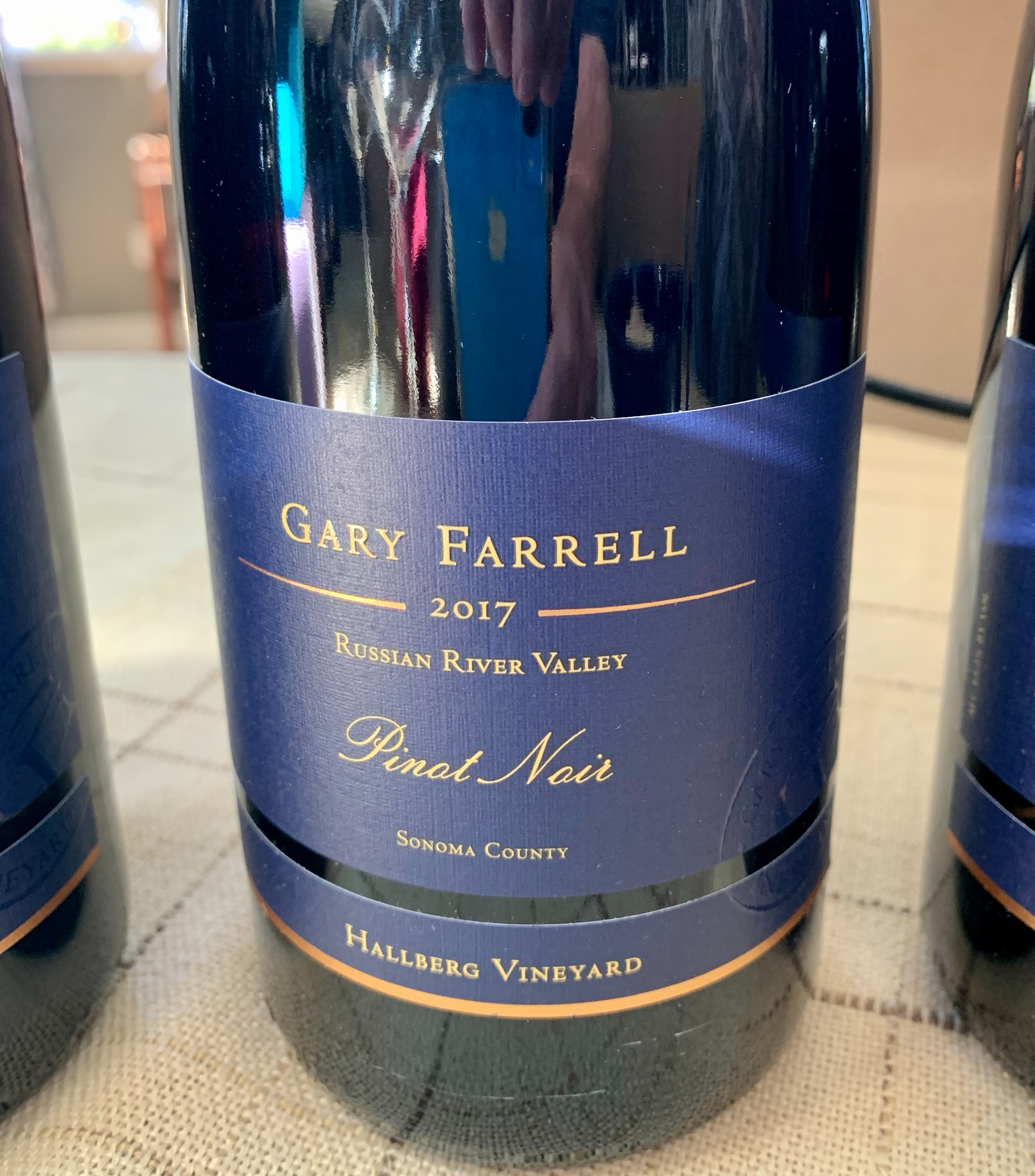
Beautiful Pinot Noir. The nose opens with black cherry and blueberry, with some earthy notes. On the palate, lush cherry, raspberry, and blueberry fruit mingles with mushroom, earthy notes, and a general funk that I’ve come to appreciate in a well structured PN. Medium body and acidity lead to a pleasing finish of red fruit, black tea, and smoke. 

2017 McDonald Mountain Vineyard Pinot Noir
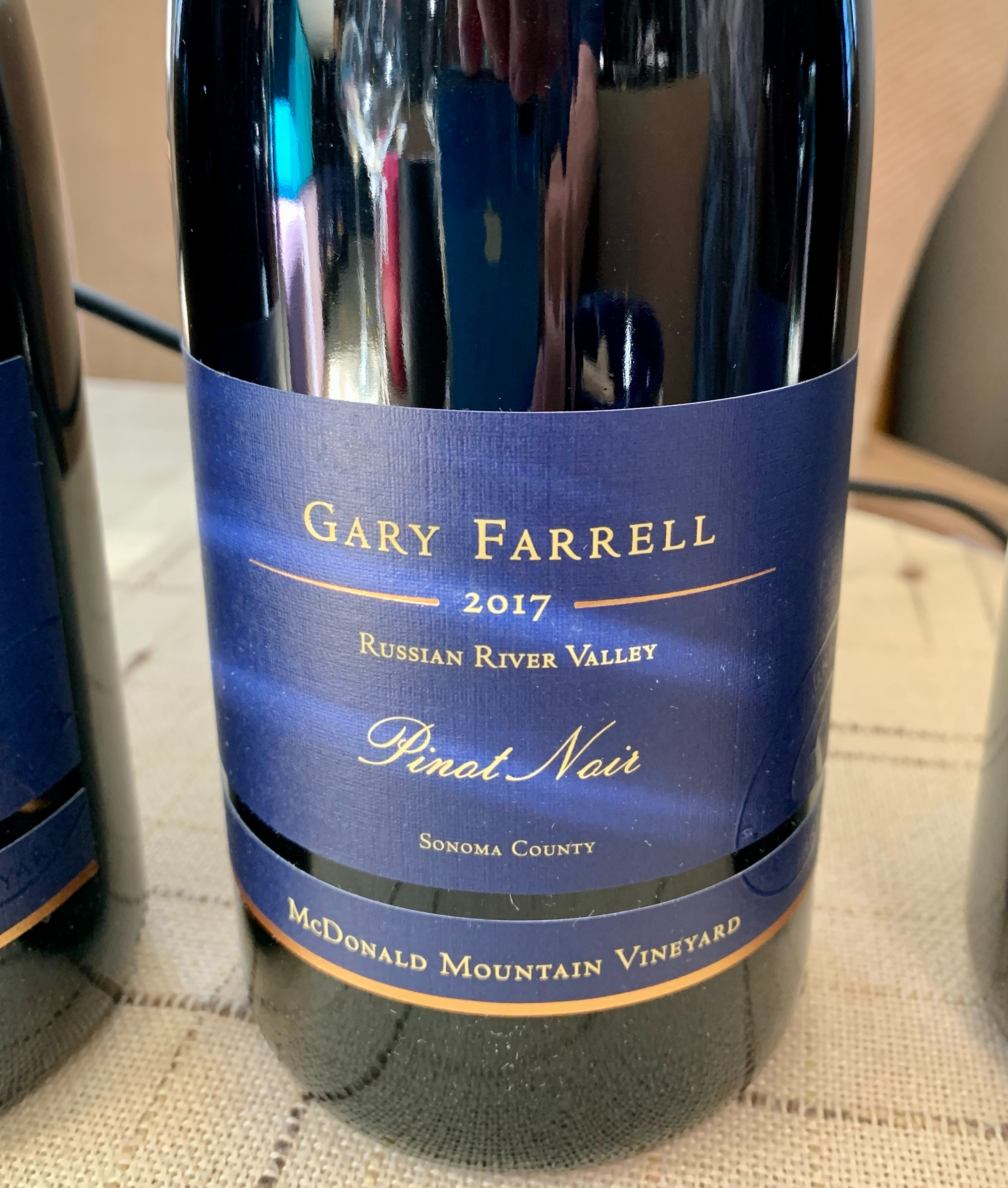
Quite interesting with herbal and vegetal notes up front, including bay leaf and eucalyptus, with red fruit following. On the palate, cranberry, pomegranate, and raspberry with the bay leaf enhancing the fruit. Medium body with bright, lively acidity. Long fresh finish. 

2017 Martaella Vineyard Pinot Noir 
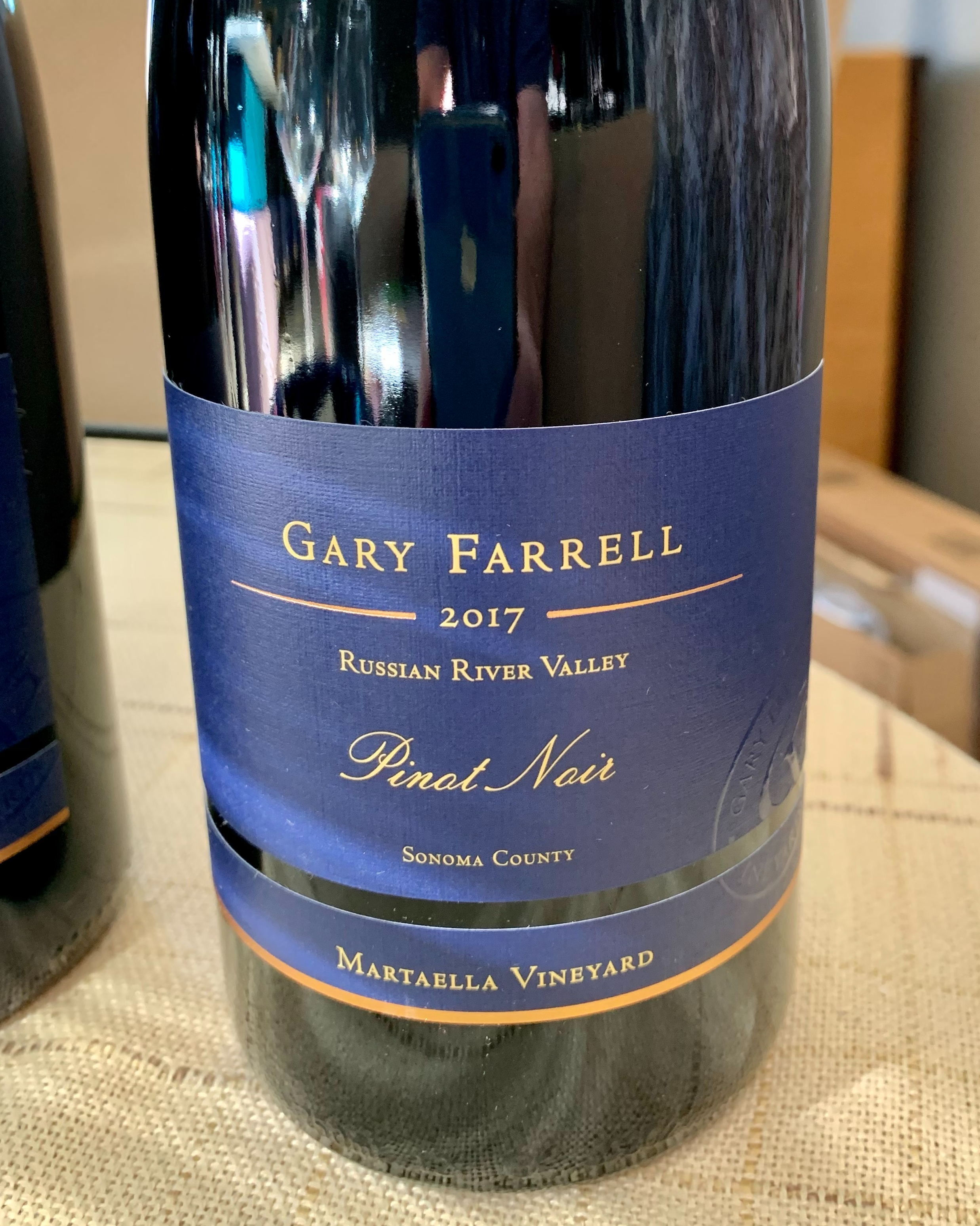
Nice, fruit driven Pinot. Aromas of cherry, raspberry, and cranberry. On the palate, these red fruit flavors continue, joined by blueberry, cedar, and bay leaf. Soft and velvety, with bright acidity and a long finish of red fruit and rose petal. 

We heartily recommend any and all of these wines, and we look forward to venturing out to the Russian River Valley to explore the neighborhoods in person. 

————————————————————

We close on a somber note. We were sad to learn this week, as we prepared this post, that earlier this month, Gary Farrell Winery oenologist, Mark Osbourne, was killed after being struck by a motorist while riding his bicycle. Even more tragically, the motorist is accused of driving under the influence. Our hearts and prayers go out to the Gary Farrell Winery family. 

  • By Kent Reynolds and Robyn Raphael-Reynolds
Berryessa Gap, Grenache, Salengo, Sample, Wine, Wine Review, Yolo

Review: Salengo Grenache 2018 – A Winemaker’s Dream

Sometimes, the search for fine wine is like an expedition; studying wine reviews like they were scouting reports, patiently stalking the aisles of the wine shop, asking the advice of the local guide (wine shop staff), and occasionally checking in with your fellow hunters to see how they’ve done. 

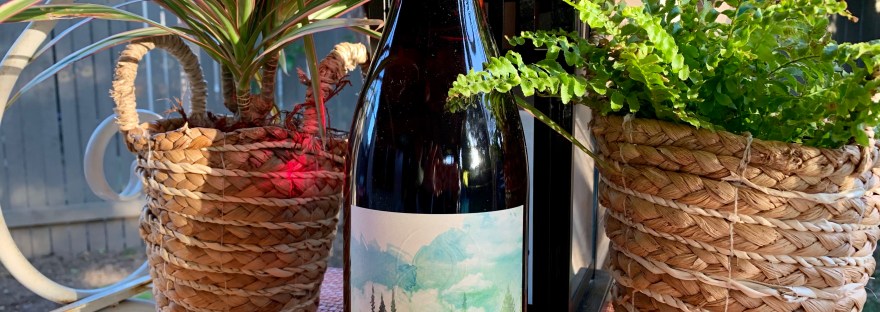
Other times, it lands on your doorstep, unannounced and unexpected. So it was when the UPS driver left a distinctive, single-wine-bottle-sized package on the porch a few weeks ago. Upon opening, we discovered a bottle of Salengo Grenache 2018, with its beautiful watercolor art label, and a note indicating the wine was sent at the request of friend and wine broker, Bill Tobey.

We’d never heard of Salengo, but fortunately the box also included a spec sheet, and bio of winemaker Nicole Salengo. In addition, we reached out to Nicole via email, and she was gracious enough to answer a few questions and fill in some additional detail. 

The Salengo Grenache 2018 is from Yolo County. Wine lovers may be familiar with wines from Clarksburg…a designated AVA also in Yolo County. Yolo County is in the Sacramento Valley, just west of Sacramento. Its bordering counties include Solano to the south, and Napa and Lake Counties to the west, all known for quality grape and wine production. The fruit for the Salengo Grenache 2018 comes from the Coble Ranch in Winters. 

Nicole Salengo is the winemaker at Berryessa Gap winery in Winters. She has nearly 20 years of wine industry experience, including time in Napa and New Zealand. With the release of the Salengo Grenache 2018, Nicole is realizing her long-term dream of having her own label. 

The first thing we noticed when we looked at the bottle was the very light color of the wine, noticeable even through the green glass. We are big fans of Grenache, and have had many Grenache wines from numerous regions, but had never seen one this light in color. During our initial email exchange, Nicole said her goal was to model the wine in a Châteauneuf-du-Pape style; light and elegant, yet complex, and with lower alcohol.

In Nicole’s bio, and on the back label on the bottle, there is reference to Nicole’s origins from New England. We were intrigued by this, partly because Robyn is from Boston, and partly because one doesn’t often think of New England heritage when discussing wine. So after we tasted the wine (more on that in a minute), we reached out to Nicole again with some follow-up questions. In reply, she said she was born in Vermont and graduated from high school and college in upstate New York. Not Boston, but cose enough! 

Beyond that, Nicole responded to our other questions…(warning: wine review spoiler alert!)

AfW: What brought you from New England to Northern California? Other than the weather, of course.

NS: You said it…the weather! I don’t like being cold!

I would call it ‘opportunity’. I’ve always been driven and when I was 8, I told my mom I wanted to move to California. I wanted to go to college here but that didn’t work out so I moved here after college. I had an aunt and uncle living in Davis and they offered to let me come stay with them. So the same year I graduated from college, I had $1,000 and a suitcase (almost like a dollar and a dream) and got on the plane to Sacramento. The rest is history. Once I was here, I worked in a lab and eventually quit to work in a wine shop. That’s where I learned about wine, and then was hired at my first winery. I went back to school at UC Davis for the Winemaking Certificate.

AfW: Your wine is exceptionally light and elegant. What was your process? Length of skin contact, stainless vs oak, oak selection and aging? 

NS: Thank you. I try to allow for the variety and place where it’s grown express itself. Grenache is like Pinot Noir in that you can have a lighter expression or a darker, heavier expression. It also has a tendency like Zinfandel to creep up in sugar content once it’s in the fermenter (something I want to avoid). So I wanted to pick it earlier than other red varieties to maintain the acid profile and a lower alcohol level. Other things that I think contributed to the lightness and elegance of this wine are the way it was farmed and the area it was farmed in. 2018 was a year with a large crop so we had more fruit. So all of the energy of the vine was distributed among more grapes resulting in lighter color. In addition, the grapes are from the Coble Ranch Vineyard in Winters (owned and farmed by Berryessa Gap) where it has a warm, Mediterranean climate. Warm weather creates less anthocyanins (color compounds) and can result in lighter-colored wines. Both of these factors contribute to how light and elegant the wine turned out.

I visited the South of France (Châteauneuf du Pape) when I first was starting this project and had the most amazing 100% Grenache: light in color and body with nuanced complexities that really made you think about the wine and every sip was a different experience. My Grenache is modeled after that beautiful wine I tasted out of the barrel in France. I remember thinking that it was the perfect wine. And it liked that it wasn’t showy, it was just being itself, something I strive to do in life. In other words, the wine really spoke to me and created inspiration. The grapes in that French wine were grown on similar soils that give it a nice minerality, so that’s what is creating much of the texture (rather than the skins or barrel) of the wine. The Salengo Grenache was aged in old, neutral barrels so I think that also contributes to the lightness of the wine as well and allows for the fruit to be accentuated. Also the light color: as a young red wine ages, it reacts with the oxygen getting into the wine through the oak staves in the barrel and the wood tannin which can help to stabilize color. This wine was aged in very old barrels, that kept the color light too.

The juice was on the skins for about two weeks, just enough time to ferment but not get any over-extraction. We performed manual punch-downs twice a day, pressed it and aged it for 18 months in neutral oak, as mentioned. The wine really blossomed as it was aging and it was so exciting to taste it along the way to see it open up and release all of these yummy flavors.

AfW: How long have you been making wine? Where did you start, history? 

NS: This year will be my 17th harvest. It’s basically been a process of elimination and me trying to prove people wrong and find a career that keeps my attention. I’m hard-headed and have a good palate which has a lot to do with why I’m making wine. It’s been a lot of hard work, and sometimes I try too hard and have too high of expectations and it makes me discouraged but it’s a fabulous combination of art, science, tradition with possibility of great things in the future. That is why I’m a winemaker.

The whole story is I worked at a Belgium-style brewery in college which started to develop my palate. I always had an interest in science, particularly chemistry and geology. I was made wine buyer at a wine shop which expanded my palate significantly when I was an age where I couldn’t afford fine wines. Then, I was hired at a start-up winery and discovered my love for making wine. I fell in love with it the first day of my first harvest. I went back to school, got promoted to assistant winemaking positions, did harvests in Napa and New Zealand and was hired as head winemaker at Berryessa Gap in 2013. I’ve now worked with over 50 varieties and have fulfilled my dream of having my own label. It’s a very fun industry to be a part of.

AfW: What is your wine story? That first bottle that got you hooked? 

NS: The wine I referenced earlier has been a part of my inspiration to want to make wine.  This is going back to my early twenties when I was a wine buyer. It was a bottle of 1995 Chateau Rayas, Pignon. That wine is 100% Grenache like mine and it’s the same winery I referenced above where I serendipitously saw the small rusty sign while in the village of Châteauneuf-du-Pape in 2016. I was by myself and didn’t speak French but after an afternoon of waiting, I had a tour with the winemaker Emmanuel Reynaud and tasted the 2015 Pignon from barrel.

I also recall tasting some really amazing Pinot Noirs from Willamette that really moved me early on. Then some Tempranillos form the Ribera del Duero that were really amazing. There are lots of great wines out there and I just love the ones that take you to a place. There are times when I taste a wine and I almost feel transported to that region where it was grown and made, those are the very special ones for me, the ones that take you on a mini-vacation and get your imagination going. You know a truly great wine when you taste it, so I just keep tasting.

So it turns out that New England isn’t the only bond we have with Nicole. Kent’s start in wine was with a Willamette Valley Pinot Noir; from St. Innocent. Turns out Nicole knows St. Innocent, too, and loves their wines. It’s always good to make new wine-friends!

So what about the wine? Very impressive! It’s a wine that gets better with each sip. Honestly, it’s a wine for wine geeks, like us, but not for everybody. We have a number of wine friends who favor jammy fruit bombs. Salengo Grenache 2018 is not that wine. It is a sophisticated wine with layers of complexity. Here’s our review: 

Very pale ruby color, with an almost tawny port rim. The nose is unique, with subtle raspberry and red cherry notes, with dusty, earthy notes. On the palate, raspberry and cherry, cherry cola, and licorice notes, with hints of smoked meat and black pepper. Tannins are soft and smooth. Bright acidity, excellent balance, and a medium finish of red fruit and a bit of licorice. We paired with brats, which complemented nicely and drew out even more earthiness. This is a very sophisticated wine that grows on you the more it opens up! 

Are you ready to try an out-of-the box Greneache? You can find Salengo Grenache 2018 online at the Berryessa Gap Winery website. Of course, if you’re in NorCal, please stop by the winery and give it a try. Tell Nicole that Kent and Robyn sent you! 

Cheers!

  • By Kent Reynolds and Robyn Raphael-Reynolds
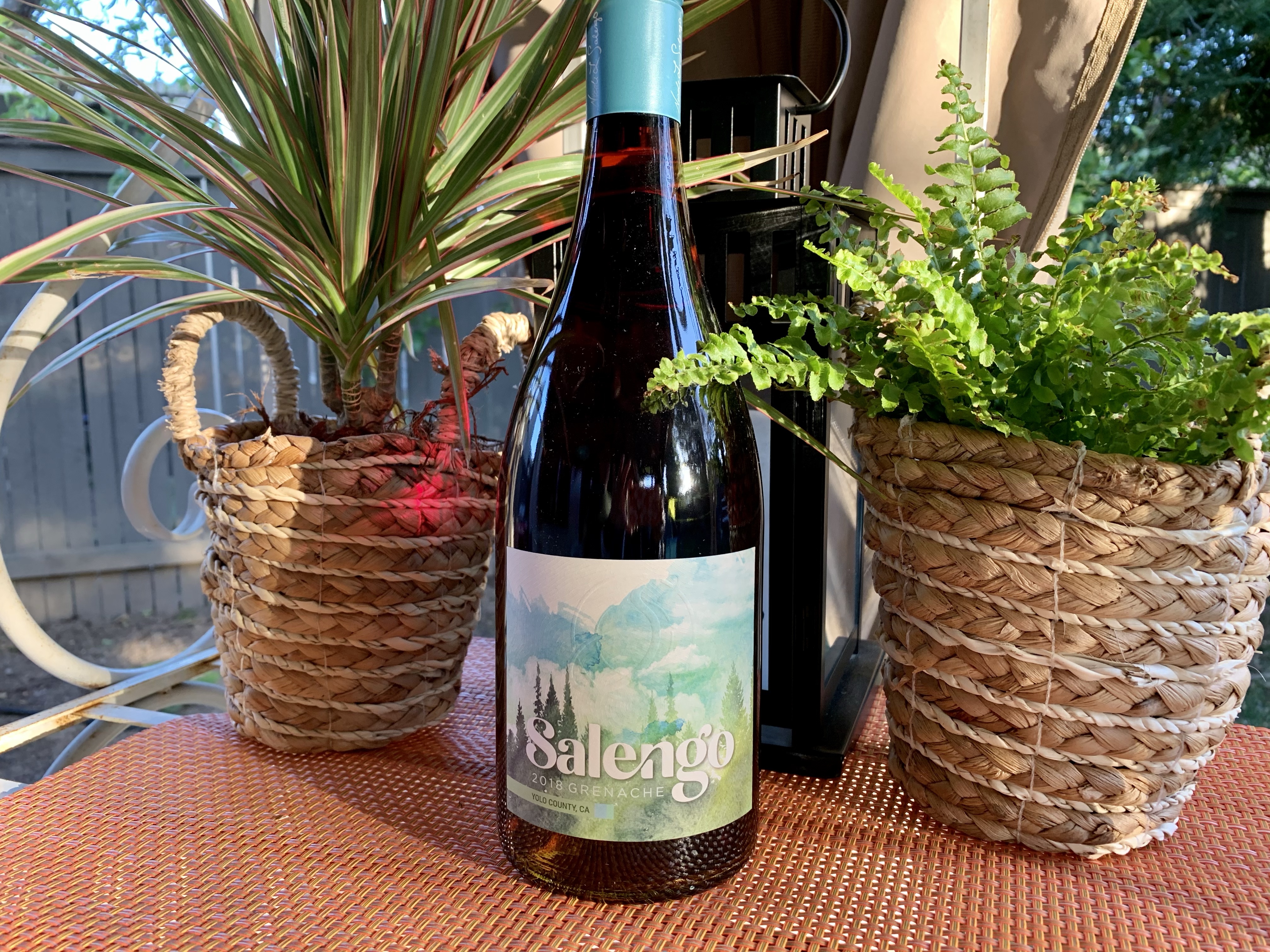
  • Photo cred: Robyn Raphael-Reynolds
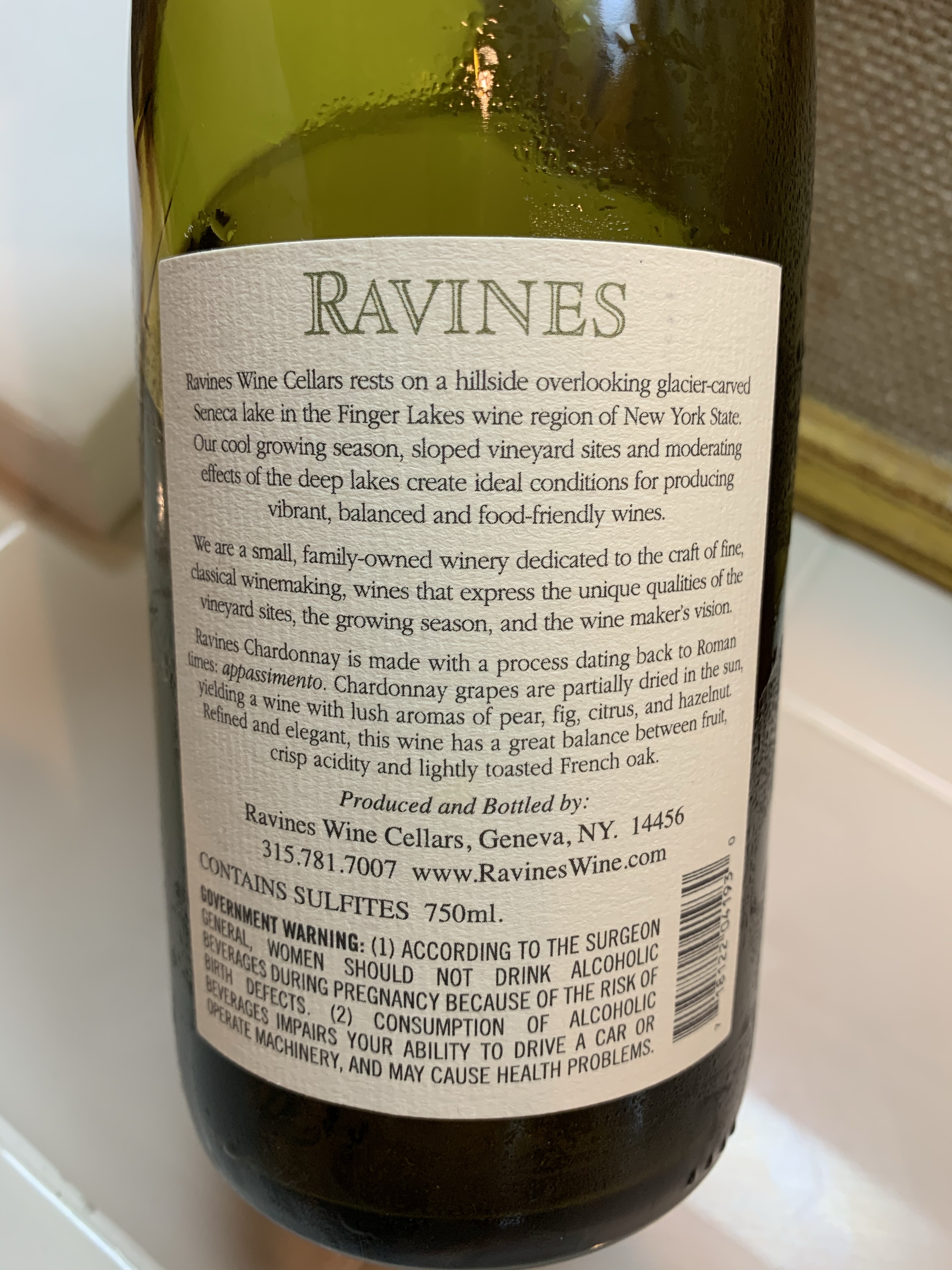
Bordeaux-Style Blend, Chardonnay, Finger Lakes, New York Wine, Riesling, Samples

Three Gems from Ravines Wine Cellars

A few weeks back, we were talking about different wine varieties, and decided we needed to incorporate more Riesling into our lives. Mere days later, as if she overheard our conversation from 3,000 miles away, Courtney from Ravines Wine Cellars, in the Finger Lakes Region of New York, emailed us offering samples of their wines, including their flagship Dry Riesling. How could we refuse?

The following wines were provided as media samples for review. All reviews, descriptions, and opinions are our own. We received no additional compensation.

Riesling is a very versatile grape. It can also be polarizing; you either like it or you don’t. In our observation, the polarization is directly related to the versatility – Riesling wines can be made in a variety of styles, from dry to sweet. A few years ago, the market was flooded with cheap, sweet Riesling from Germany, which has turned a lot of wine drinkers away from Riesling in general. That’s a shame, because Riesling is a stunning grape, food friendly and elegant. While we tend to prefer dry wines, we’ve enjoyed some excellent off-dry Rieslings, and have an appreciation for the occasional sweet sip. 

The Finger Lakes Region, in Upstate New York, is known for its Riesling. With a short growing season and cold, snowy winters, Riesling finds itself right at home there. The name, Finger Lakes, comes from the 11 long, narrow lakes formed by glacial movement millions of years ago. Seneca Lake and Cayuga Lake are two of the deepest in the US, at 618 feet and 435 feet, respectively. 

Ravines Wine Cellars is celebrating its 20th anniversary this year. In 2001, husband and wife team Morten and Lisa Hallgren founded Ravines Wine Cellars, with a mission to produce a bone dry Riesling. Born in Denmark, Morten learned winemaking at his family’s estate winery in Côtes de Provence, France. Morten went on to earn a degree in winemaking from Ecole Nationale Supérieure d’Agronomie in Montpellier. Meanwhile, Lisa studied the culinary arts and is now a professionally trained Chef. As an adult, Morten came to the United States, eventually settling in Upstate New York, where he and Lisa purchased land between two ravines in the Finger Lakes region. You can read more of Morten and Lisa’s story on the Ravines Wine Cellars website.

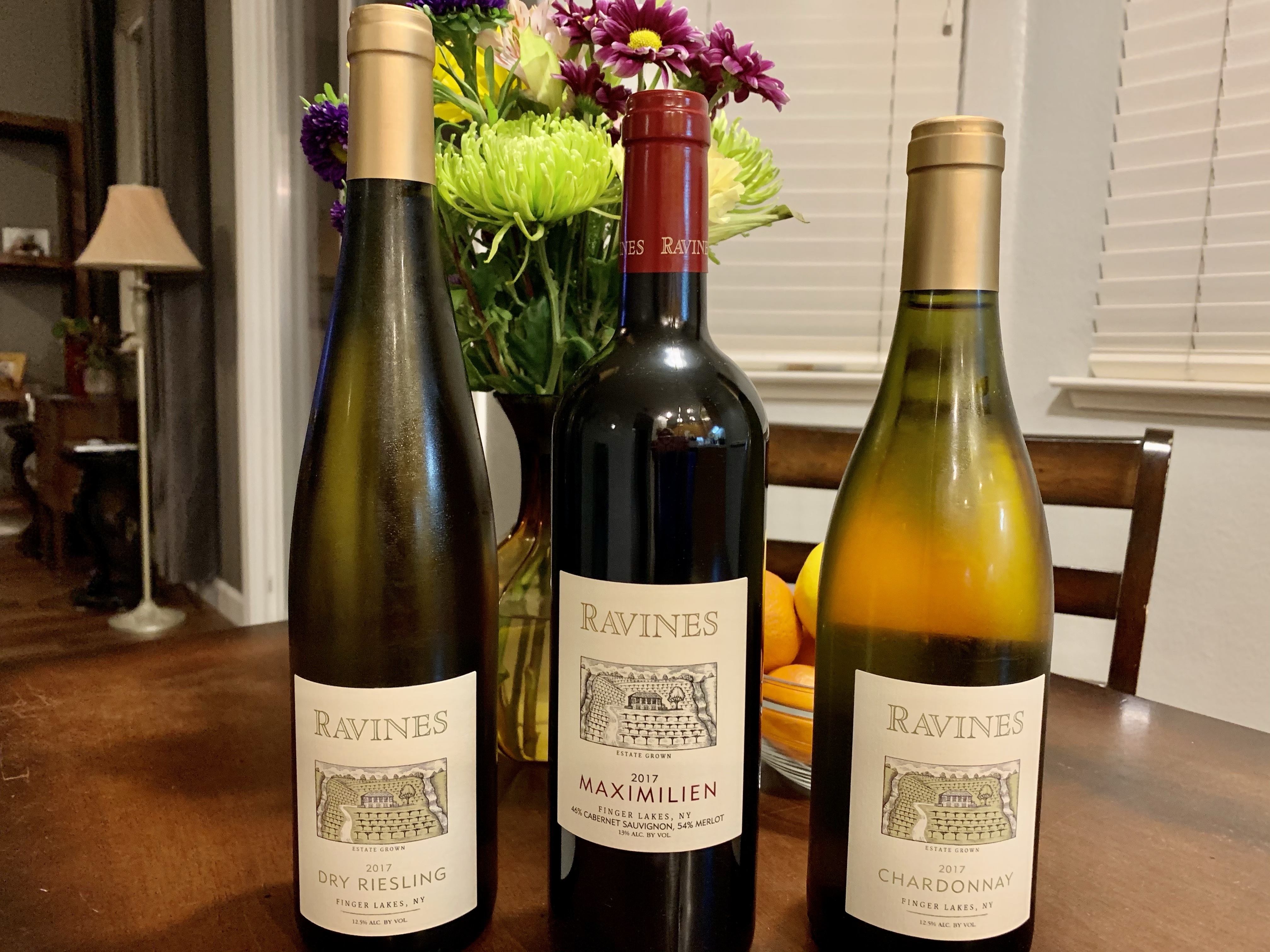
Our sample pack from Ravines Wine Cellars included three wines; a 2017 Chardonnay, the flagship 2017 Dry Riesling, and their Bordeaux-style red blend, Maximillen 2017. These, and all of their portfolio wines are available for purchase on their website.


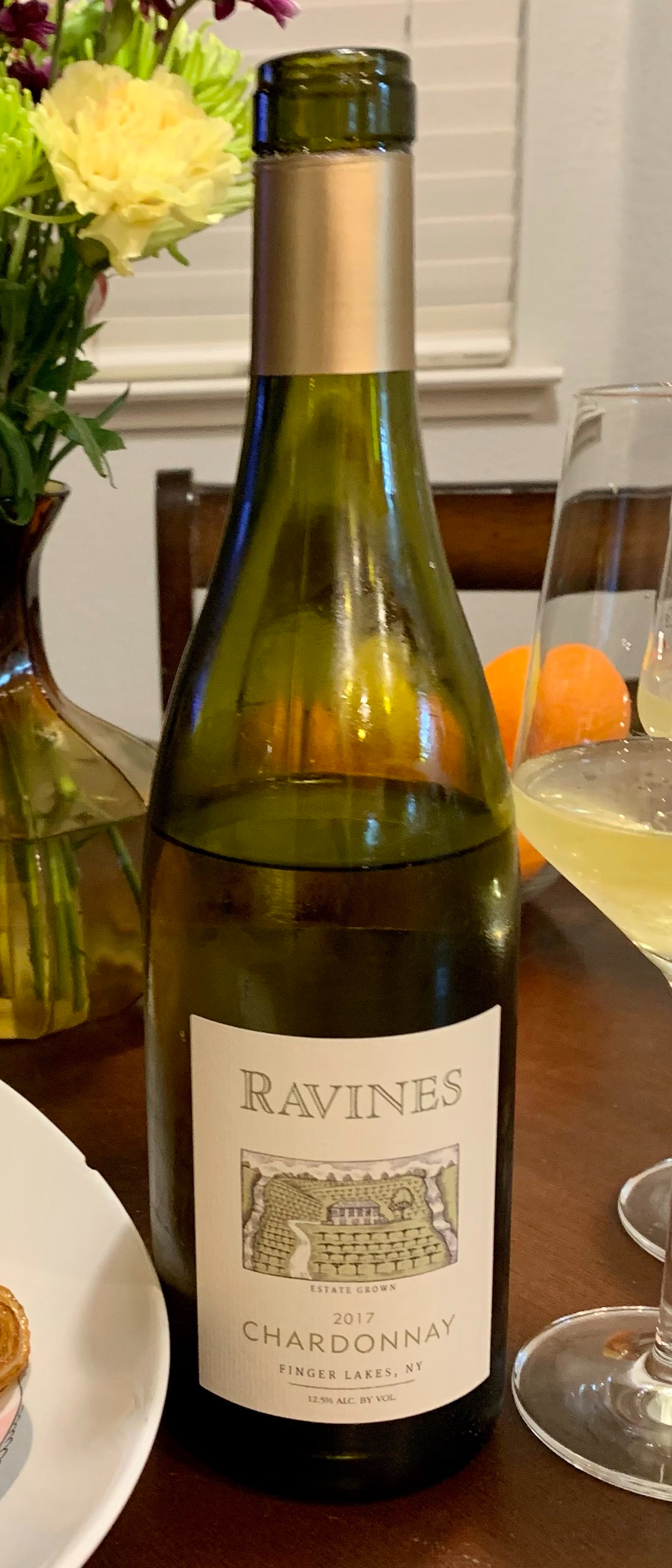
2017 Chardonnay (SRP $19.95)

A unique Chardonnay, made in the appassimento method by partially drying the grapes before pressing. The appassimento method is of Italian origin, and is used in making the rich and concentrated Amarone wines. 

Clear golden color. Aromas of ripe apricot, mild citrus, and pear. On the palate, there are flavors of grilled lemon, pear, peach, and citrus. Medium body with vibrant acidity. The finish lingers with fresh citrus and just a hint of toasty warmth at the end. Excellent paired with roast chicken. 


Dry Riesling 2017 (SRP $17.95)

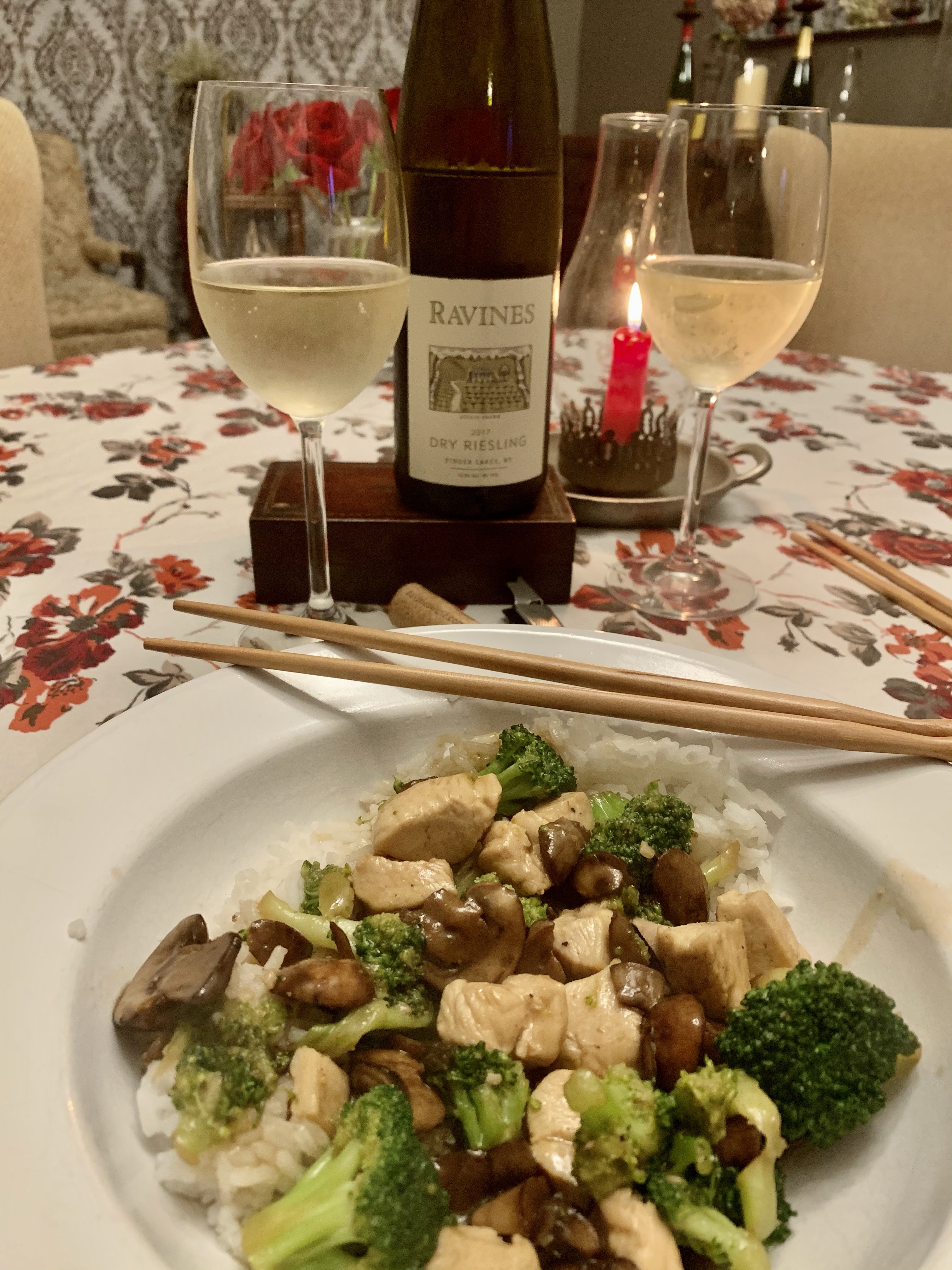
Clear, golden color. Aromas of pear, apple, and citrus, with floral notes. On the palate, there are flavors of Bartlett pear, yellow apple, lemon lime, and lychee, with hints of honeysuckle and lemon blossom. Light body with brisk acidity and a lingering finish. Paired well with chicken and broccoli stir fry. 


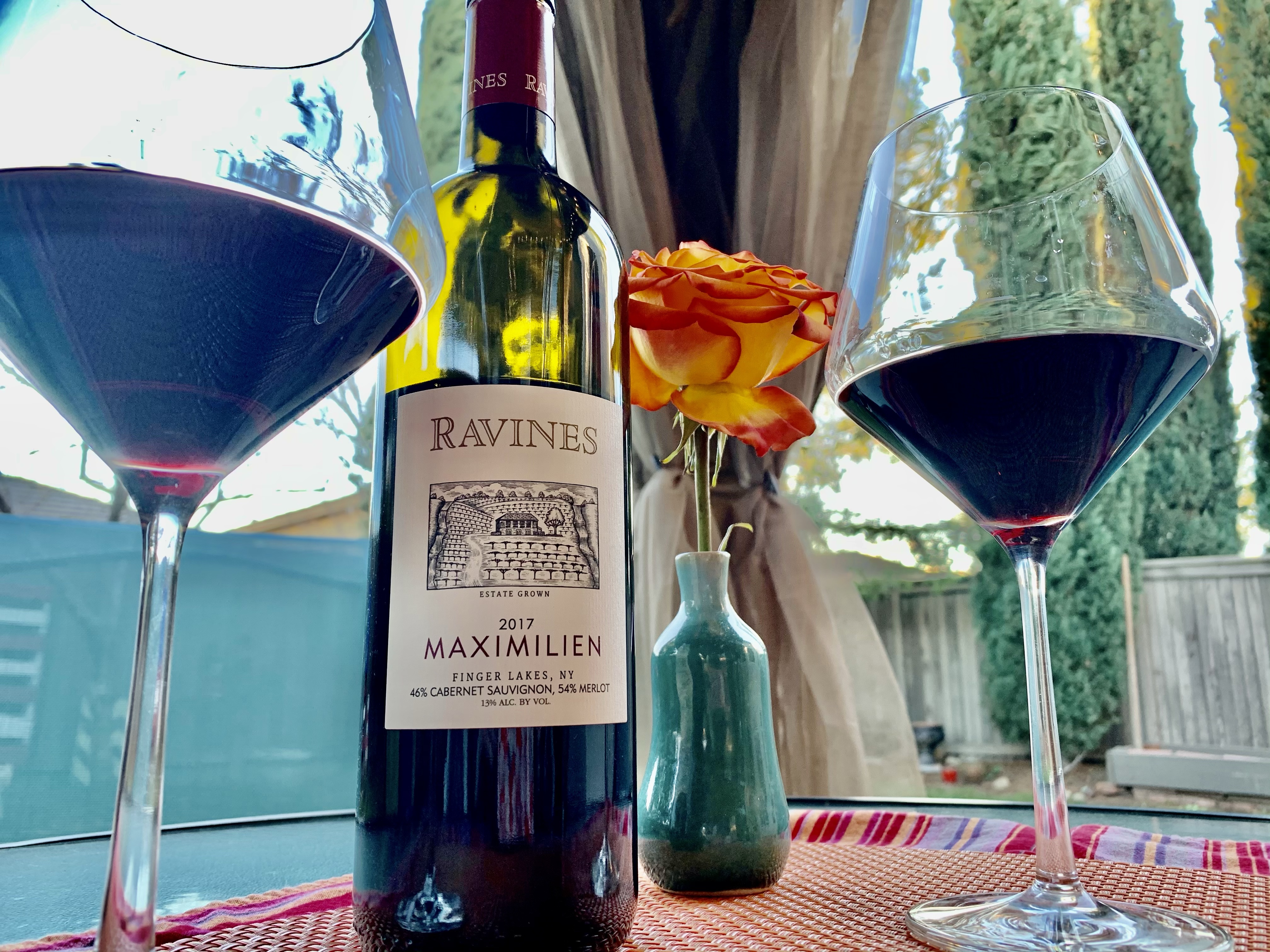
Maximilien 2017 (SRP $24.95)

54% Merlot, 46% Cabernet Sauvignon. 

This is a classic Bordeaux blend. A New World wine with a distinctly Old World vibe. Ruby-garnet color. The nose is earthy, cherry, raspberry, and ripe plum. On the palate, smoky with blackberry, black cherry, ripe raspberry, and red currant, with black pepper, tobacco, cigar box, and wisps of bell pepper. Medium-plus body, with grippy tannins and bold acidity. Long finish of black fruit and spice. Somebody please get me a ribeye! 

Thank you.

We found each of the Ravines Wine Cellars wines to be distinct, expressive, and downright delicious. We are happy to have more Riesling in our lives, and will remember Ravines Wine Cellars when it’s time to re-stock that corner of the cellar.

  • By Kent Reynolds & Robyn Raphael-Reynolds
  • Photos by Robyn Raphael-Reynolds
Chile, Chilean Wine, Sauvignon Blanc, Wine, Wine of the Week

Our Wine of the Week: La Playa Sauvignon Blanc 2020

Selecting our wine of the week this week was pleasantly challenging. We had to choose between two wines that were both equally impressive. The deciding factor in our decision was the fact that we have another bottle of one of them, so we can revisit it to feature in a future week. And so it is, that our wine of the week is La Playa Sauvignon Blanc 2020, from the Curico Valley in Chile.

We’ve become big fans of Sauvignon Blanc in the past few years. Light, crisp, and refreshing, it is also quite versatile in food pairing. Often considered a summertime wine, we enjoy Sauvignon Blanc year-round. While New Zealand, specifically Marlborough, has taken center stage in the world of Sauvignon Blanc, the grape originated in France, and is now planted world wide. (Fun fact: Sauvignon Blanc is one of the parent grapes of Cabernet Sauvignon, the other being Cabernet Franc.) 

In general, at least to our palates, we have concluded there are three overarching styles of Sauvignon Blanc: 

  • The French style found White Bordeaux, or Sancerre and Pouilly-Fumé from the Loire Valley – often blended with Semillon, resulting in a fuller, rounder wine, with gooseberry, green apple, pear, and citrus.
  • The New Zealand style – grassy, cut straw, grapefruit, lemon, and occasionally cat pee (yes, this is actually a desirable quality in a Sauvignon Blanc!) with light body and zesty acidity.
  • The Northern California style – bursting with tropical fruit; pineapple, mango, passionfruit;  and stone fruit; apricot, peach, nectarine; with a bit more body and softer acidity. 

As we said, this is a general observation. Plenty of New Zealand Sauvignon Blanc have pineapple or other tropical fruit flavors, and NorCal can show grassy, apple and pear notes. With Sauvignon Blanc, style transcends location. Any of these styles can be produced in any of the growing regions. We’ve just come to associate these styles with these places. 

Make no mistake, we enjoy all the different styles. Thus is the approachability and appeal of Sauvignon Blanc. However, we each have our preferences. Robyn prefers the fresh, clean citrusy style from New Zealand, while Kent favors the tropical and stone fruit from NorCal. 

Always eager to explore new wines, we thought we’d try the La Playa Sauvignon Blanc 2020 with our meal of grilled fish tacos. A bargain at just $8.99 from Wine.com, we’d put this up against Sauvingon Blancs at three times that price! The biggest surprise was that we had expected more of a New Zealand style, as most of our Chilean Sauvignon Blanc experiences have been, but La Playa is decidedly NorCal, in our estimation. 

Pale golden color. Aromas and flavors of fresh tropical fruit; pineapple, mango, and lychee; with citrus, including lime and quince. Soft mouthfeel with medium acidity and a pleasing finish.

La Playa Vineyards produces only sustainably farmed wines, using native yeasts. They also produce Chardonnay and Viognier, along with a red wine lineup of Cabernet Sauvignon, Merlot, Carmenere, and a red blend. We have tasted their Dry Rosé of Cabernet Sauvignon, several months ago, and it was equally delicious. 

What was your wine of the week? 

  • By Kent Reynolds and Robyn Raphael-Reynolds
  • Photo cred: Robyn Raphael-Reynolds
Brut Rosé, Crémant d'Alsace, Holiday Wine, Lucien Albrecht, Sample, Sparkling Wine, Wine

Review: Lucien Albrecht Crémant d’Alsace Brut Rosé

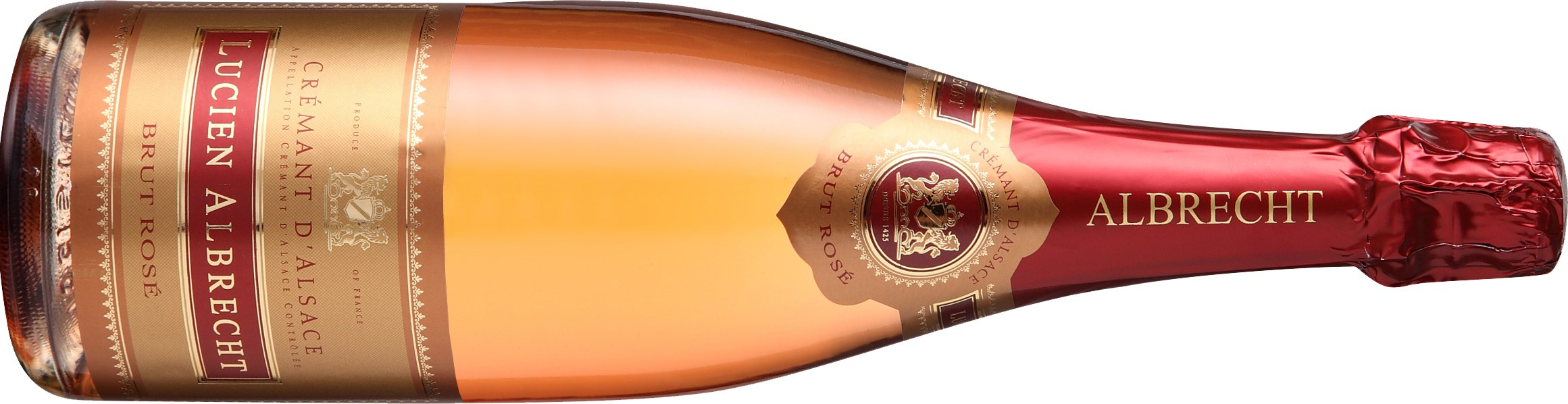
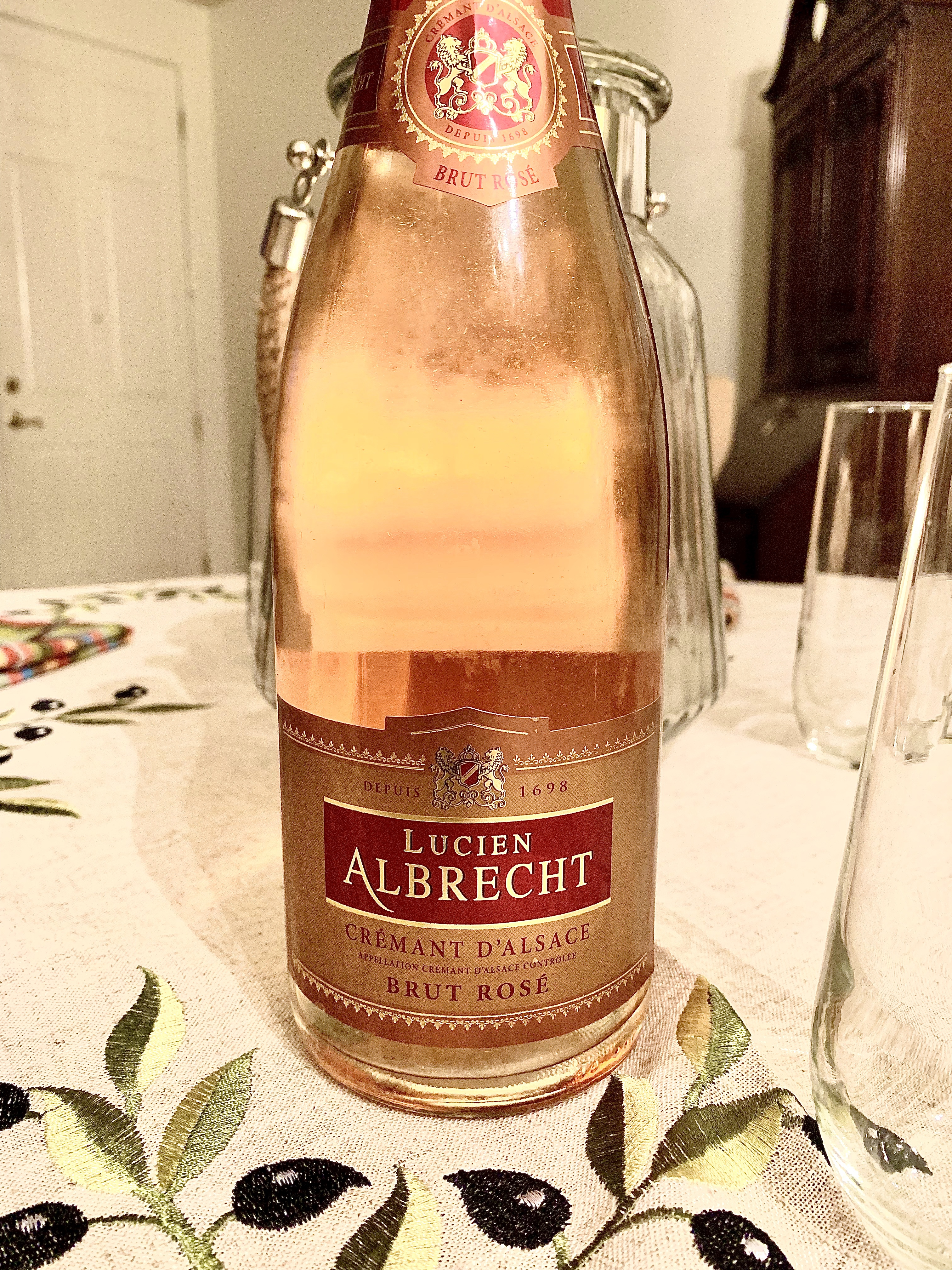
The holidays are once again upon us, and just like last year, we have a tasty and festive sparkling wine for you. Last year we reviewed the Lucien Albrecht Crémant d’Alsace Brut, and gave it our hearty recommendation. This year, we received a media sample of the Lucien Albrecht Crémant d’Alsace Brut Rosé. 

Lucien Albrecht_NV_Brute Rose_Bottle Shot
Photo credit Lucien Albrecht Grand Vin d’Alsace

The following wine was provided as a media sample for review. All reviews, descriptions, and opinions are our own. We received no additional compensation.

As you may recall from our previous review, Crémant refers to a sparkling wine, made in France in the méthode tranditionalle (the way Champagne is made), that is not made in the Champagne region. Crémant sparkling wines are often of comparable quality, but much more affordable than their more famous cousin. 

Lucien Albrecht is a name synonymous with Alsace wine. The Lucien Albrecht story dates back hundreds of years. Over the generations, the Albrecht family has been among the pioneers of innovation and advancement in Alsace winemaking. Albrecht believes in respecting nature and the grapes to produce wines of distinction, showcasing the unique terroir.  

Lucien Albrecht Crémant d’Alsace Brut Rosé is made from 100% Pinot Noir grapes. The whole clusters are crushed, and the free run juice is fermented and bottled. After the second fermentation in the bottle, the wine is aged on the lees for 14-16 months. The result is a wine that is dry and crisp, with a creamy texture and long finish. At just $23 SRP, this is a terrific value and worthy of any holiday table. 

img_0683


We have been big fans of Lucien Albrecht wines, both still and sparkling, for a long time. Confident of a satisfying experience, we popped our bottle and were immediately impressed with the quality. We were definitely not disappointed! Here’s what we thought of it. 

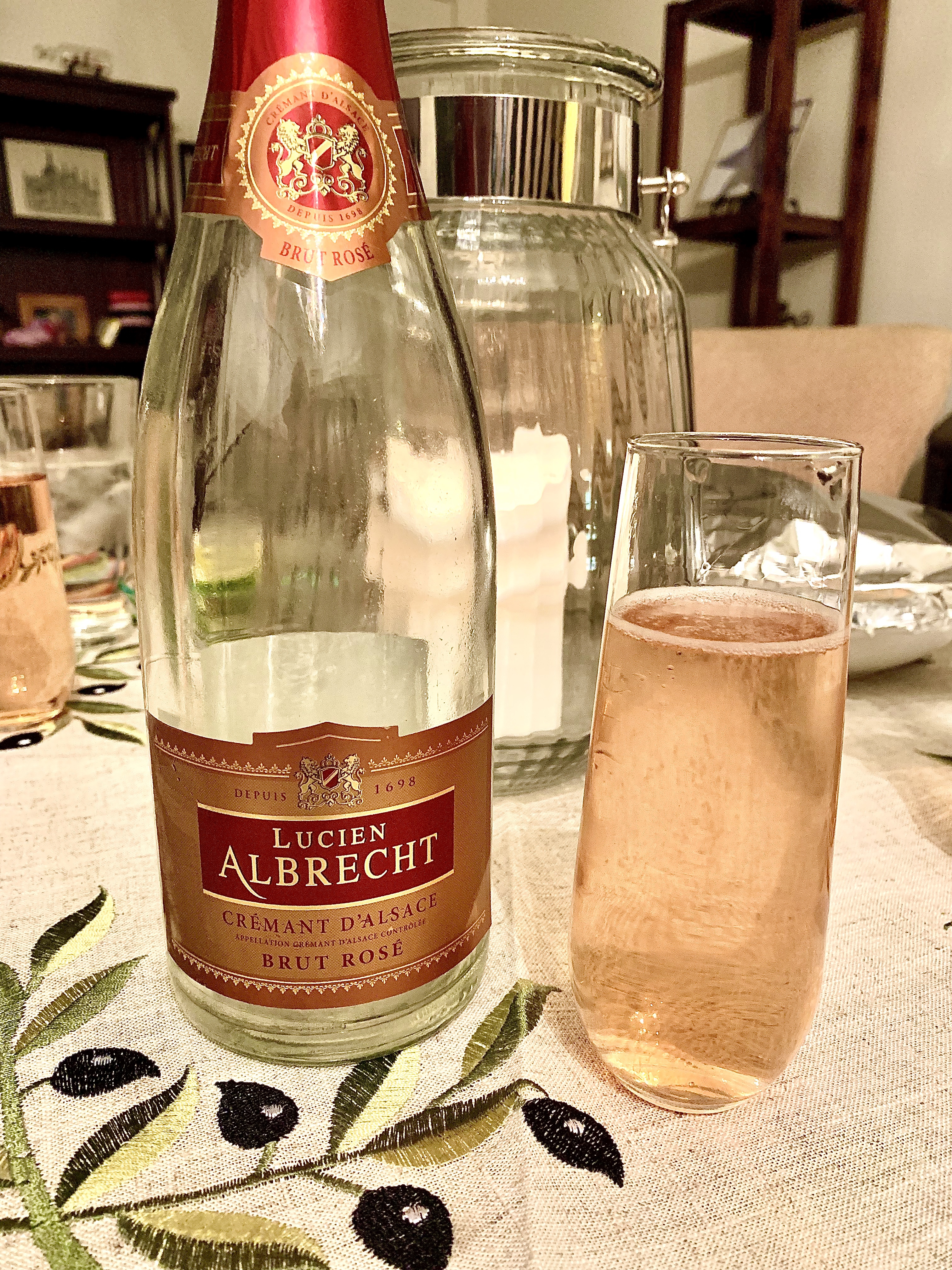
img_0686

Pale salmon color. Bountiful, vigorous bubbles that fade in a few minutes, though still ample throughout. Aromas and flavors of raspberry, strawberry, rose petal, hints of orange blossom.  Dry with bright acidity. Long finish. Great with fish and shrimp tacos, and will complement a variety of traditional holiday favorites. 

Lucien Albrecht Crémant d’Alsace Brut Rosé is widely available at your favorite retailer. Next time you’re in, grab a bottle, put it on ice, and impress your holiday guests with your exquisite taste. 

Cheers!

  • Except where noted, all text, photos, and video by Kent Reynolds and Robyn Raphael-Reynolds
Alexander Valley, Blues Band, deLorimier Vineyards, Experience, Experience Alexander Valley, Wine, Wine Country Weekend, Wine Travel, Winery Concert

Experience Alexander Valley, Day 1, Part 2 – deLorimier Winery

I arrived and deLorimier a little bit early for the Sensory Experience. Kent had to drop me off and get to his experience across the valley. As I waited for the event to start, I enjoyed walking in the beautiful courtyard and nearby grounds, while sipping on a glass of deLorimier’s 2017 Sauvignon Blanc, that the tasting room staff had brought out for me.

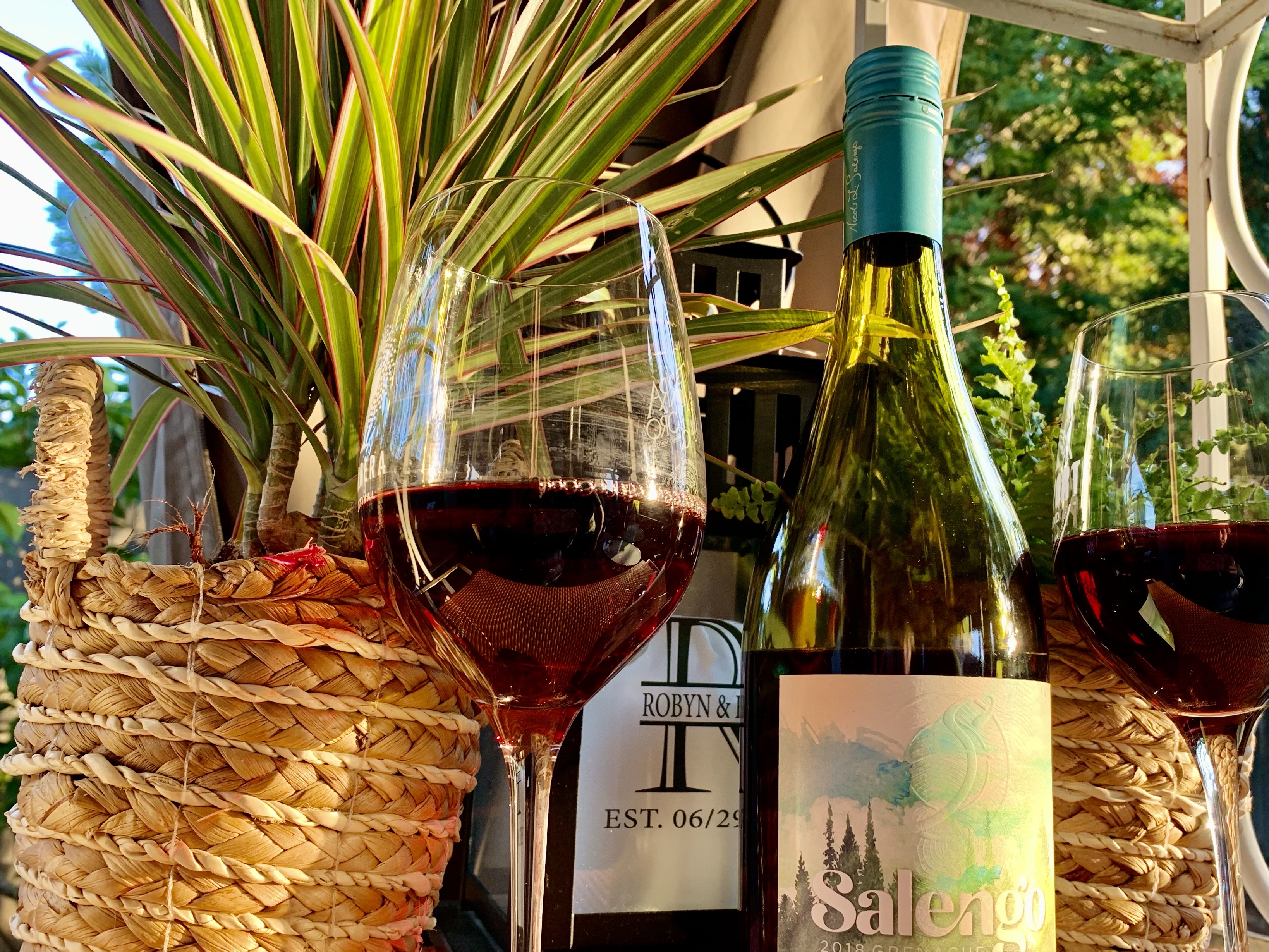
I was first greeted by Ben, the shy vineyard dog. He hesitantly approached me, and dropped a piece of wood, with the apparent expectation that I would throw the wood and engage in a game of fetch with him. Owner and winemaker, Diane Wilson, explained that once you engage with Ben, you’re on the hook.

img_3123

img_3114

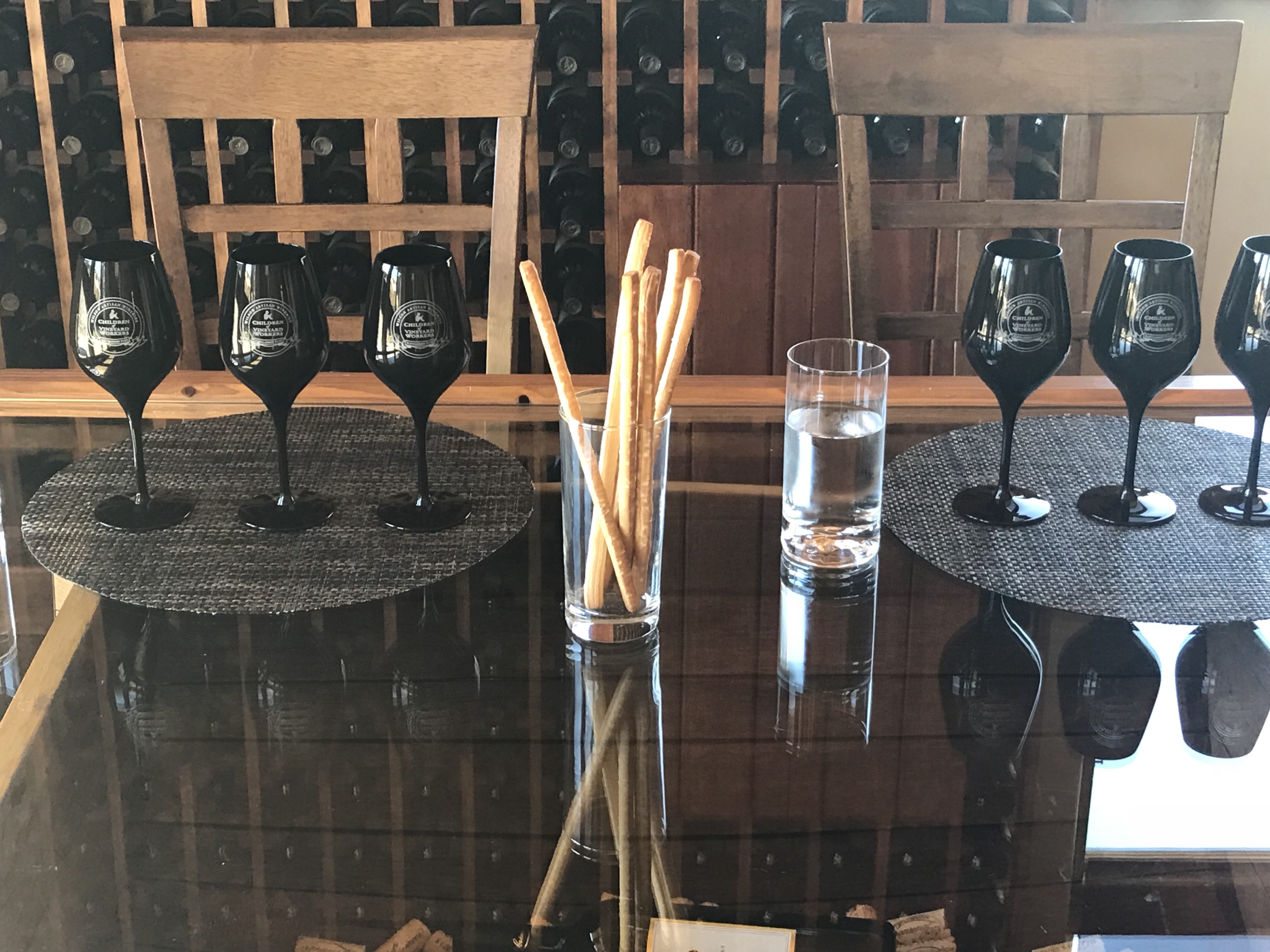
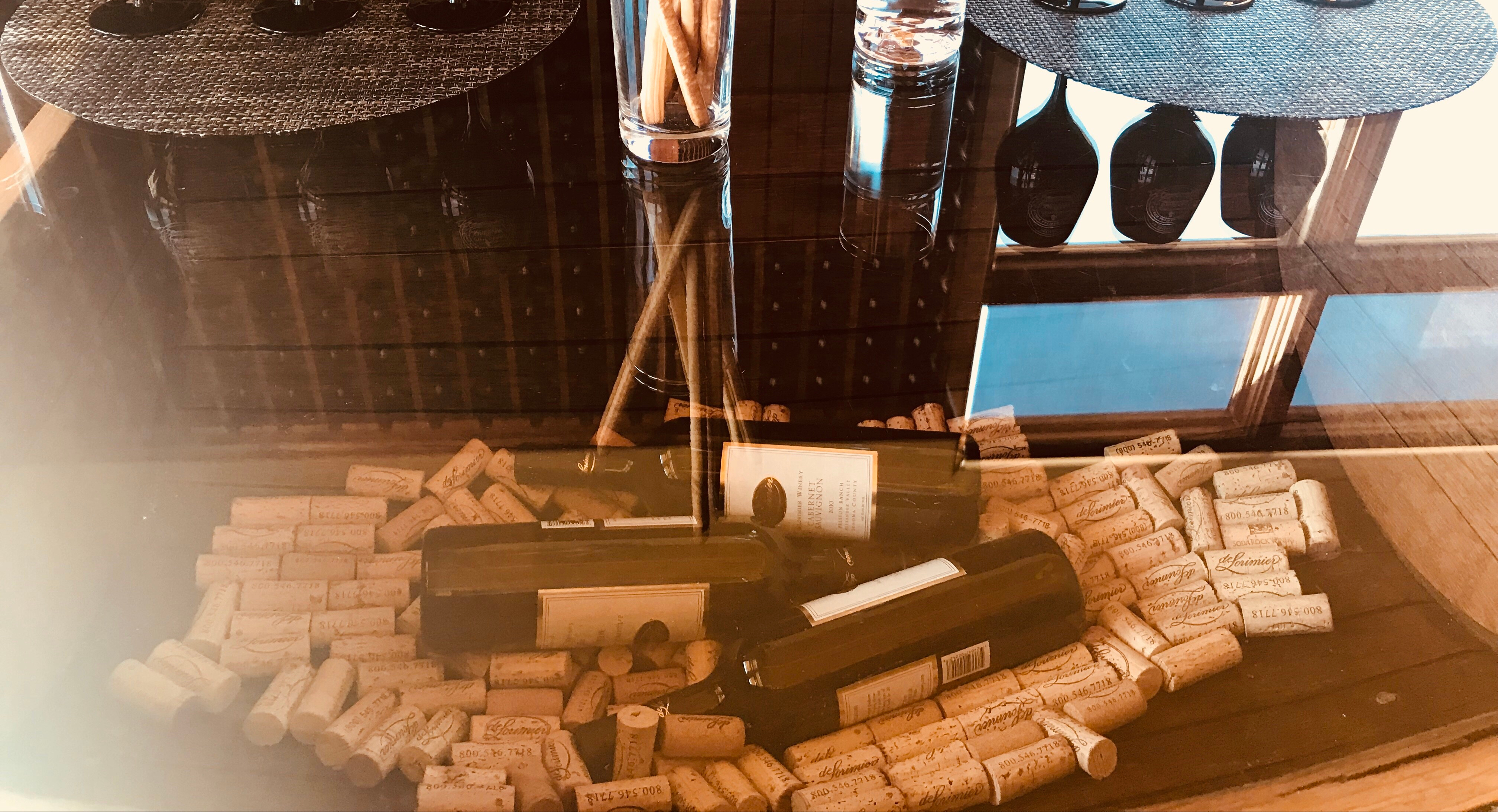
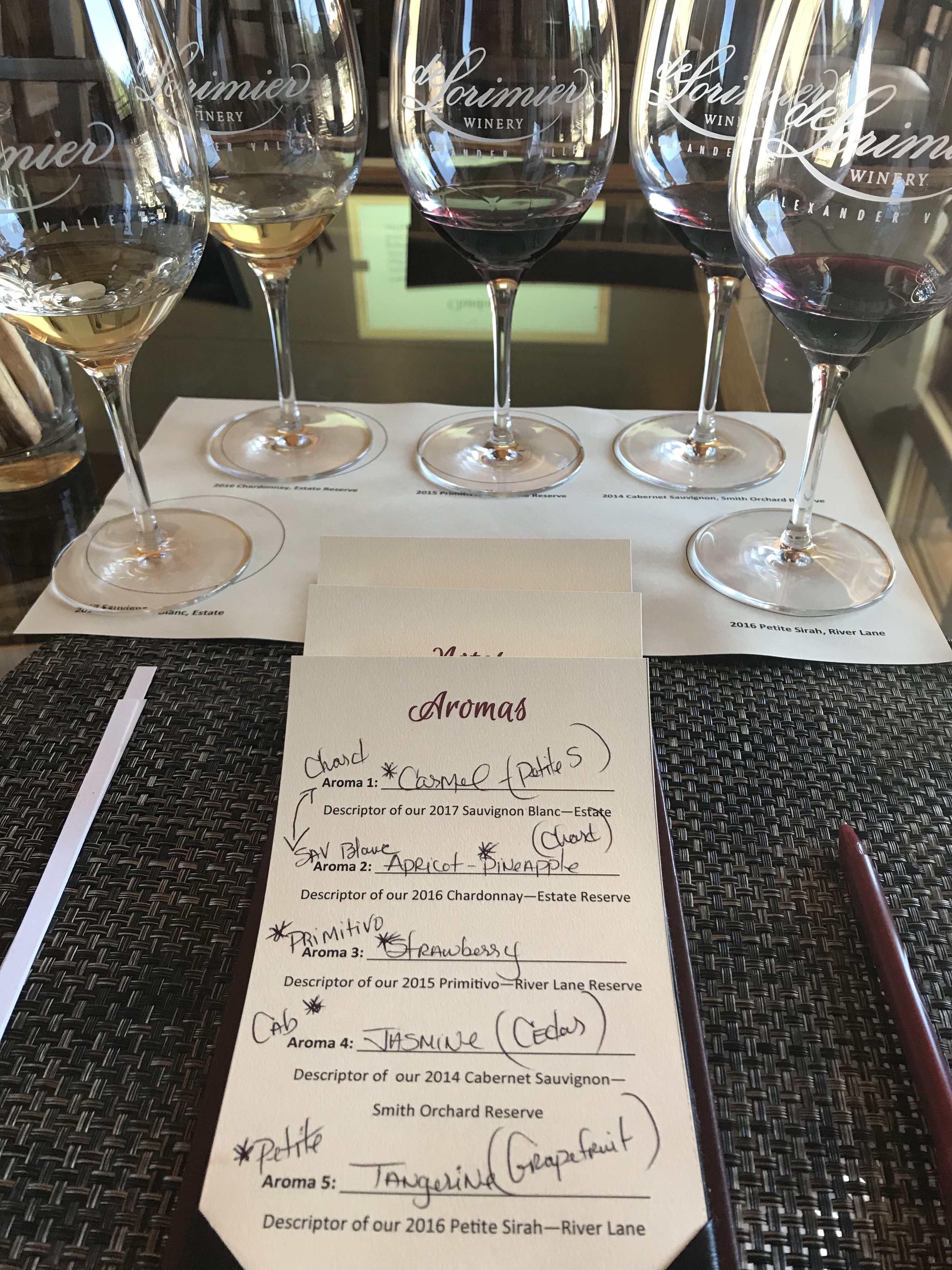
The two other guests arrived, and we were escorted into a beautiful, private tasting room. My eye was drawn to the tables, which were hand-made by a local craftsman, and made from old wine barrels cut in half lengthwise, filled with corks and some deLorimier wine bottles, and covered with glass. I love artistic expression! Our tables were set with a blind tasting, complete with black, non-transparent wine glasses. I’d never done a sensory experience, so I was really excited to see what I would learn, and how I would do in the blind tasting.

img_3118img_3119

We were presented with five paper strips, each with a particular essential oil scent. It was at that moment, that I was wishing Ben could be my wingman. As a dog, according to Diane, Ben has 300 million olfactory receptors, as compared to humans, who only have 6 million. Nevertheless, I put my sniffer to the test.

img_3127

First, we took a sip of each wine, to identify only whether it was a red or a white. If we wanted to throw out a guess at the varietal, we could. They were all room temperature, to make it more complicated. I got all the colors right, although I mistook their Rosé for a Chardonnay. (They didn’t say there could be a Rosé in there.) I smelled each of the scents, and one by one, matched them to the wines. I must say, I surprised myself; I was close or right on many of the aromas and varietals.

img_3124

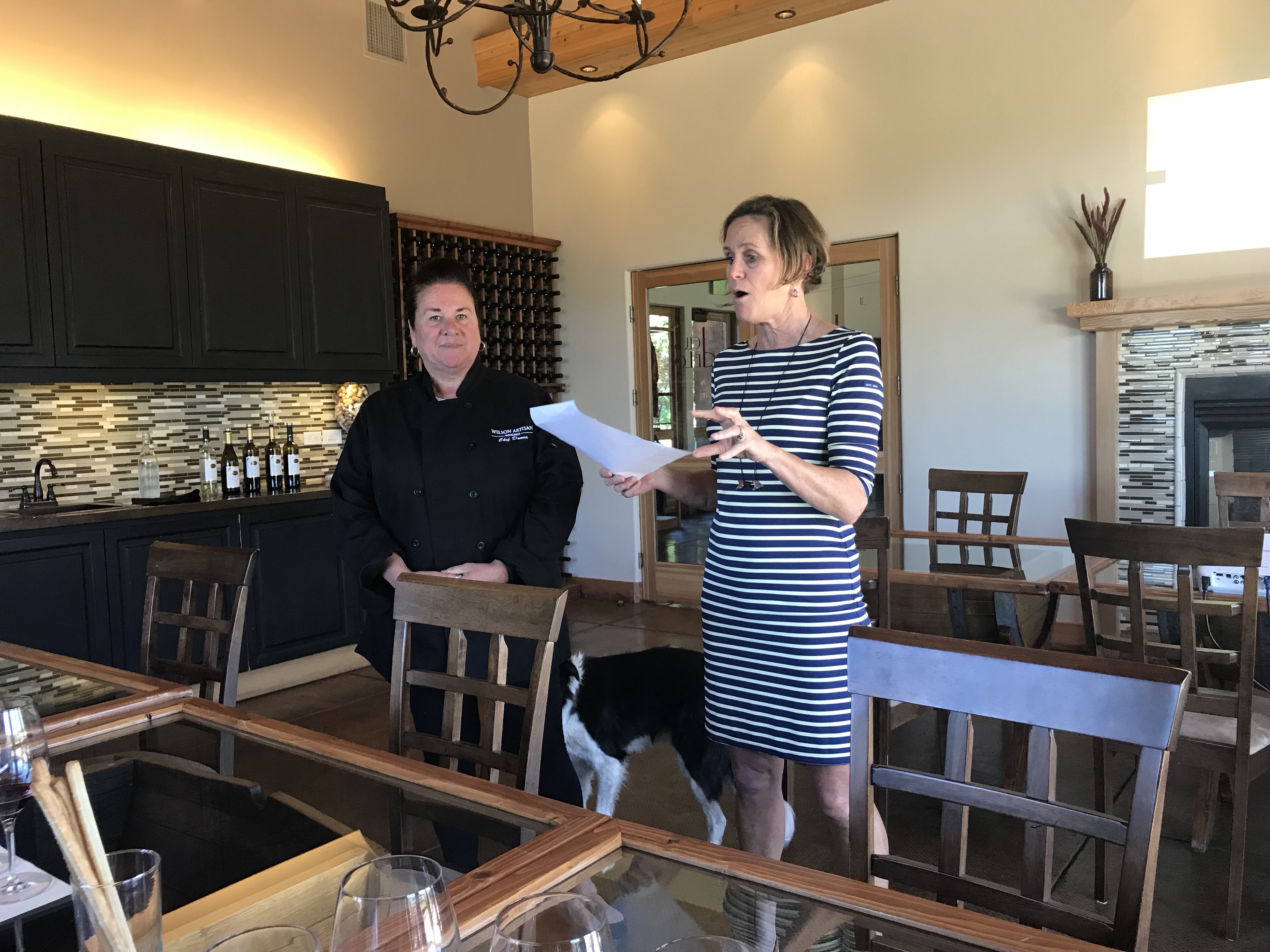
The most exciting part of the experience was the food pairing. Chef Donna Parsons prepared the most delectable dishes to pair with each of the wines. That was our last challenge: pairing each dish with the appropriate wine. Luckily, she made it easy and presented left-to-right. But, still, I picked correctly with each wine and food pairing!

During the experience, Ben was by my side the whole time. I would kick his piece of wood a short distance, and then he would pick it up, bring it back, and drop it on my foot until I kicked it again. I think he was my lucky sensory partner! Maybe Ben was my wingman after all.

img_3122

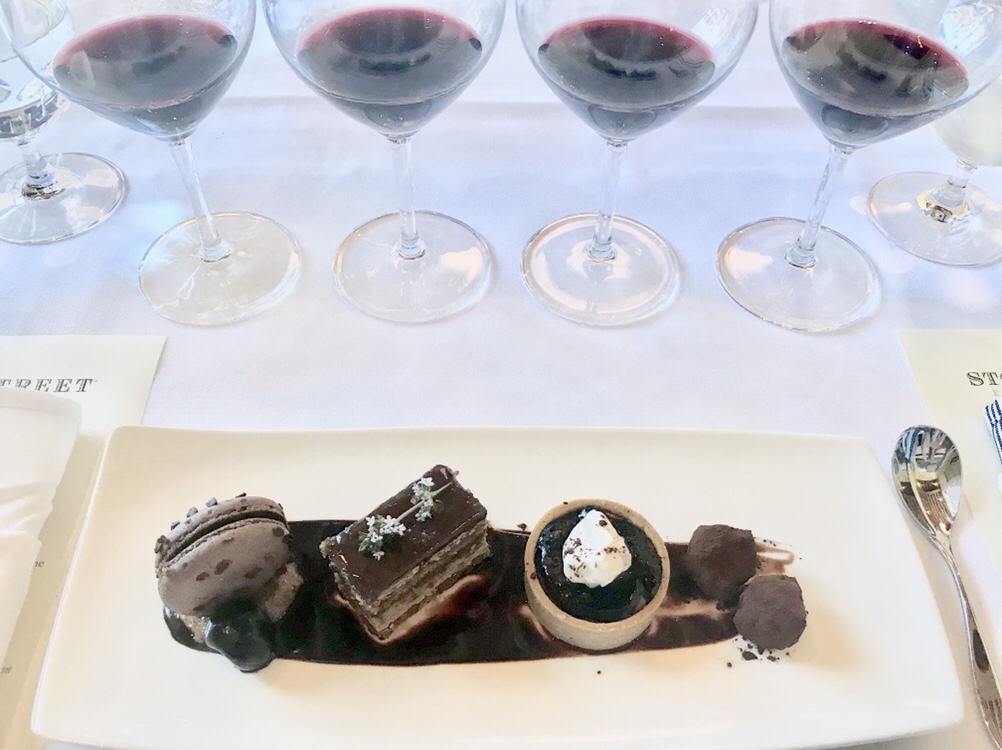
After this amazing experience, Kent and I met up, grabbed some lunch, and then enjoyed a Cabernet Sauvignon and Chocolate pairing at Stonestreet Estate Vineyards. You can read about that in Part One of our series.

img_3145-1

Later that evening, we returned to deLorimier for a Blues concert. The concert was an added bonus, included with our event tickets! The band was Brad Wilson & the Rollin’ Blues Thunder Band, and they were amazing! Kent and I got the dancing going, and pretty soon the dance pad was full.

With great music and dancing, delicious food catered by Jimtown Store, and deLorimier wines, it was a great way to end an amazing day in Alexander Valley.

  • By Robyn Raphael
  • Photos by Robyn Raphael and Kent Reynolds
Cabernet Franc, Dracaena Wines, Food and Wine, Paso Robles, Restaurant Review, Wine, Wine Review

Review: Dracaena Wines Cabernet Franc 2015 and RANGE Kitchen & Tap

When you live in suburbia, surrounded by big-box chain eateries, you get rather excited when a quality, independent restaurant opens up. And you do all you can to support them, hoping to ensure their success and longevity. So it was a couple of weeks ago, when bored with all the same old, same old places for a Friday evening happy hour, that I checked Yelp (love it or hate it, it still serves a purpose) and spotted a “Hot and New” listing for RANGE Kitchen & Tap.

858509_94e7e5fc0e8c4cdda7a08ff6a6d24f7d_mv2_d_1500_1467_s_2

We headed there directly, excited about the prospect of a new place that might suit our needs. We were not disappointed. Our first time in, we really only wanted a glass of wine and some small plates. When we scanned the menu, and saw the plethora of delicious-sounding salads and entrees, we decided to go all in. We were sitting at the bar, which overlooks the prep-kitchen, so we could see everything coming out of the back, and we were amazed at what we saw. We also got to talk with the prep cooks, and Chef Kevin for a few minutes when he emerged from the main kitchen. We learned that RANGE Kitchen & Tap specializes in farm fresh, local ingredients, prepared on site, to create comfort food with a twist. Everything is made there, from fresh ground beef all the way down to the homemade salad dressings and even mayonnaise. That night we split a Ceasar salad (homemade dressing, yum!) and Mom’s Meatloaf. Sliced, then seared on the flat-top for a crispy crust, it was amazing!

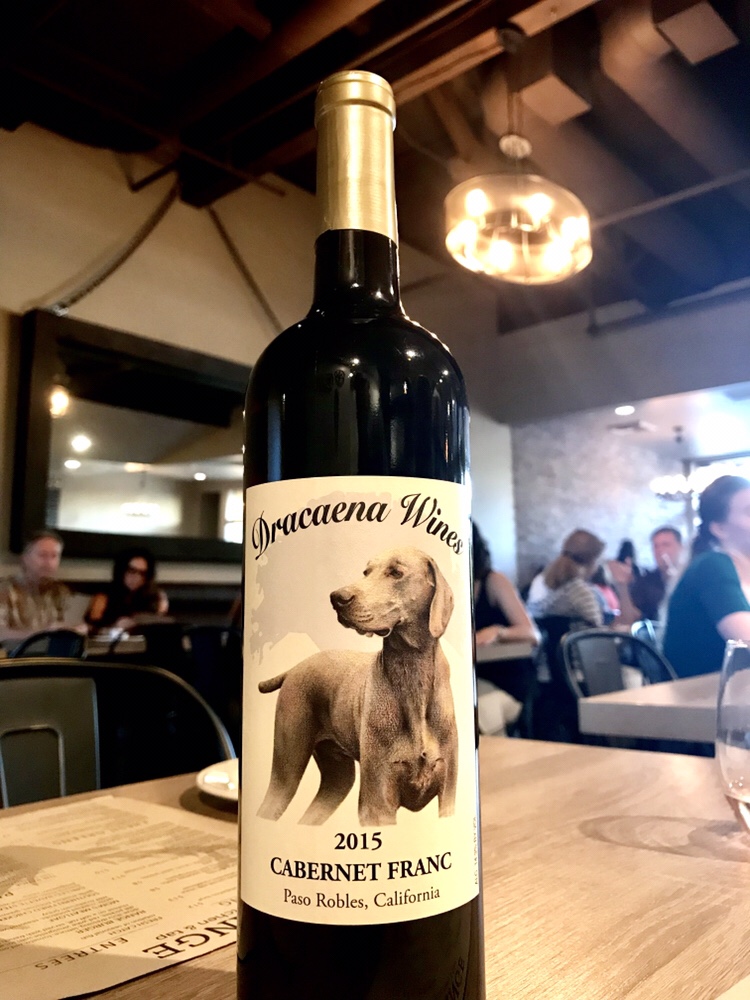
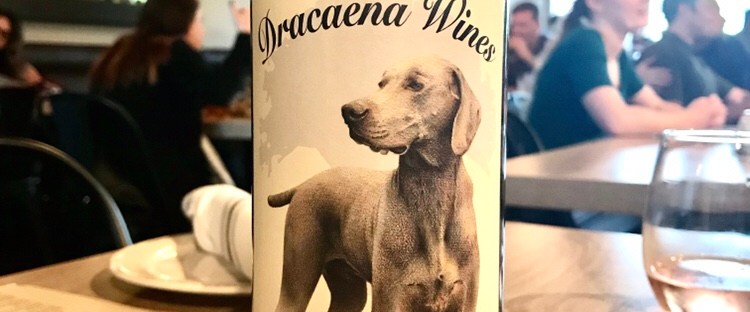
Determined to share the wealth, we invited friends Jason and Heather Thomson, to join us for the full meal deal. And although RANGE Kitchen & Tap has put together a very impressive wine list, we decided to bring our own, and open a bottle we’ve been holding onto for a while: Dracaena Wines Cabernet Franc 2015, made by friends and fellow wine bloggers, Mike and Lori Budd.

img_1061

If you haven’t tried bringing your own wine to a restaurant, give it a go. Just make sure it’s not something that’s already on their wine list. Most places charge a nominal corkage fee (the charge for the server/somm/owner to pull the cork) although some restaurants don’t charge for corkage at all. I’ve often wondered, and have yet to get a straight answer, but with the increasing popularity of screwcap wines, when you bring your own wine closed by screwcap, do they charge you a “screwage fee”? Anyway, not only does BYOW save money, but it’s a great way to share a special bottle with friends.

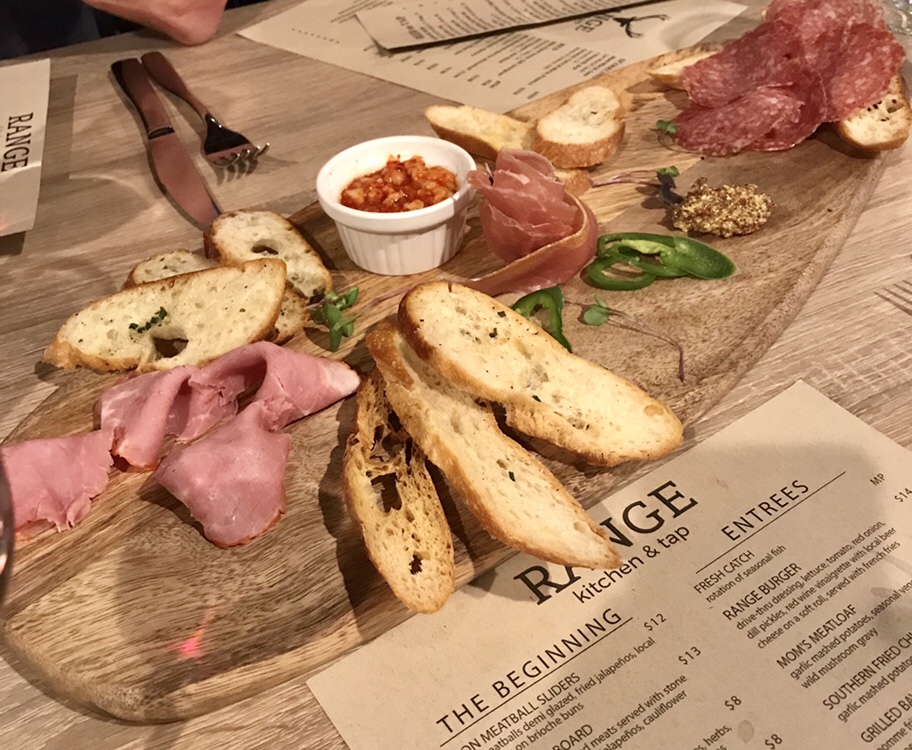
But I digress…we met Jason and Heather and set about perusing the menu. We decided to start with the Charcuterie Board. The meat selection changes frequently, and each day the offerings are listed on a chalkboard near the kitchen. Tonight’s board was delicious, though I can’t remember all of the meats that our server described.

img_1065-1

Onto the mains, where were delighted with the selections. The catch of the day, which Robyn ordered, was fresh halibut over asparagus and peas. Heather got the fried chicken over garlic mashed potatoes, Jason The Range pizza, featuring daily market fresh ingredients, and I ordered The Shorty flatbread, made with short rib meat that had been cooked sous vide for 36 hours. As you can see, the food looked amazing, and I can assure you it tasted even better! But how would this wide variety of foods stand up to our big, bold red wine?


This slideshow requires JavaScript.

The Dracaena Wines Cabernet Franc 2015 paired magnificently with each and every dish. A well-crafted and food friendly wine, Dracaena is definitely a crowd pleaser. Bold enough to stand up to short ribs or steak, yet restrained and elegant so it complements lighter dishes like grilled halibut just as well.


Mike and Lori Budd have a passion for Cabernet Franc. So much so, that they were the driving force behind the annual Cabernet Franc Day, celebrated on December 4th each year. As one would expect, when someone has a passion, their product is going to be sensational. Dracaena Wines Cabernet Franc 2015 definitely is that. Here’s my review:

img_1063

A truly spectacular gem! Deep, inky purple color. Aromas of ripe blackberry, black cherry, and vanilla. On the palate, there are big, both flavors of blackberry pie, black currant, and chocolate covered cherries, mingled with soft oak and vanilla notes. With a rich, full mouthfeel, velvety smooth tannins, balanced acidity, and a long, juicy finish of black fruit and spice, this is an exquisite wine that pairs well with a wide range of foods, from grilled halibut to a thick steak.

You really should give Dracaena Wines Cabernet Franc 2015 a try. It’s available direct from the winery on their website. You won’t be disappointed.

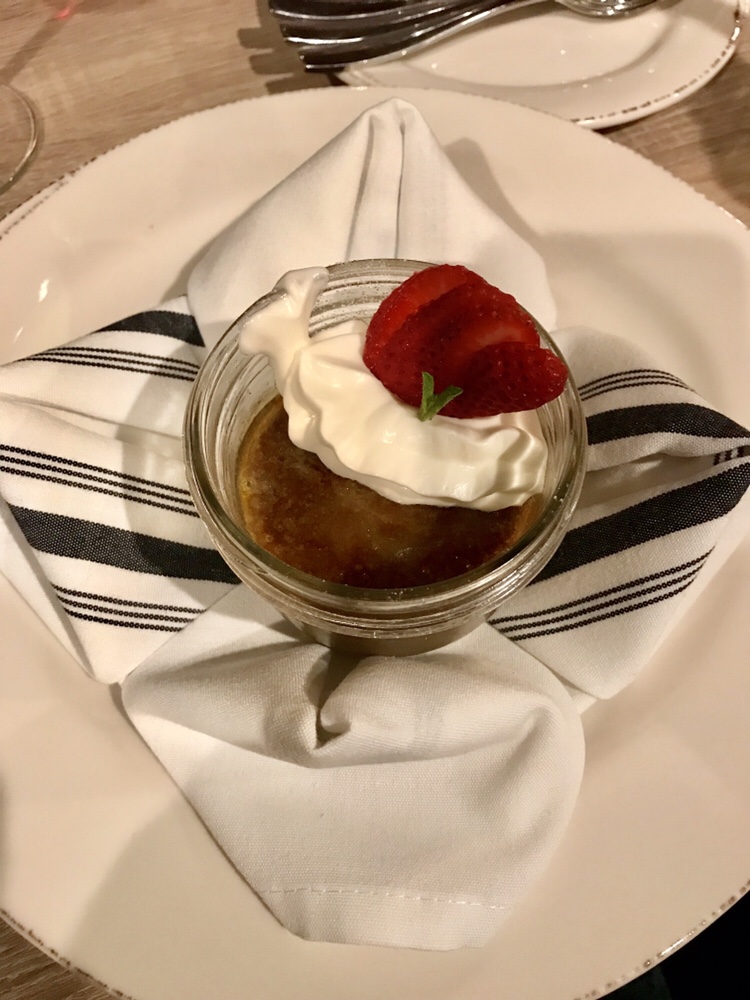
Oh, I almost left out dessert. Silly me. We love crème brûlée. Do you know what’s better than crème brûlée? Espresso crème brûlée! Oh, yes! This stuff is rich, decadent, and delicious. We’d come back in just for dessert!

img_1070

If you happen to be in the Sacramento area, I encourage you to make the trek out to the ‘burbs of Roseville and check out RANGE Kitchen & Tap. But before you do, make sure you order a bottle or three of Dracaena Wines Cabernet Franc, and bring it with you.

Cheers!

  • Content and photos by Kent Reynolds and Robyn Raphael
Cabernet Sauvignon, Italy, Sangiovese, Toscana, Tuscany, Wine, Wine Review

Review: Tommasi Poggio al Tufo Rompicollo 2014

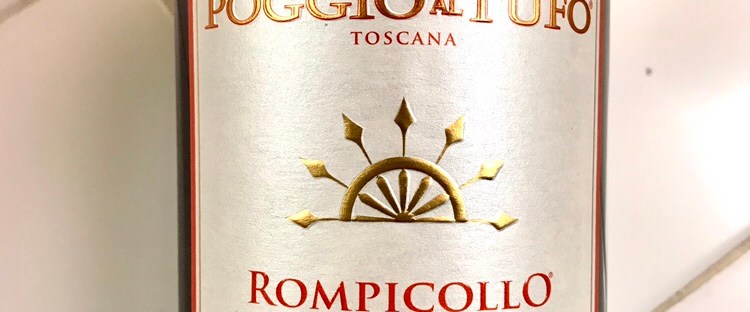
On a recent business trip, Robyn met a fellow conference attendee who gave her a recommendation for a new wine. Frank said this wine is one of he and his girlfriend’s favorites, and suggested Robyn and I give it a try. The wine is Tommasi Poggio al Tufo Rompicollo, from Toscana, Italy. Robyn texted me a picture of the bottle, and I went on the hunt. I didn’t have to look far. Our local Total Wine & More store just happens to carry this wine.

When Robyn arrived home from her trip, she had a little surprise waiting for her on the counter. We adore Italian wines, and some of our favorites are the Sangiovese-based wines out of Tuscany. So naturally, I had stopped at Total Wine on my way home from work the day after her text, and bought a bottle to try.

Tommasi Family Estates has been producing wine grapes since 1902. The family got their start in Valpolicella Classica, Verona, and has since expanded to other regions in Italy. They launched the Poggio al Tufo line of wines in 1997 with the acquisition of the Pitigliano Estate, 66 hectares of vineyards planted in volcanic soil, in the rolling Tuscan hills. The addition of two more vineyards, the 24 hectare Doganella Estate and the Scansano Estate, 80 hectares in the DOC Morellino zone, expanded the operation. The Doganella Estate is an organic production, producing high quality grapes due to the hot, dry Tuscan summers and cooling breezes from the Tyrrhenian Sea.

vigneto-poggio3
Photo Credit: http://www.poggioaltufo.it/en/

The Tommasi Poggio al Tufo Rompicollo is a blend of 60% Sangiovese and 40% Cabernet Sauvignon. Several vintages of this wine have won numerous awards and accolades, including 93 points from Vinous Media (2012), No. 31 in the Wine Spectator Top 100, with a 92 point score (2011), and 87 points from both Wine Spectator and Wine Enthusiast (2010).

img_1056

The current release, at least what is available in our local store, is the 2014. We opened it to enjoy with our meal of grilled filet mignon steaks, baked potato, and spinach salad with warm bacon dressing. Exquisite is the best word to describe it! Here’s my review posted on Vivino:

img_1055

Delicious Toscana blend. Dark purple and ruby colors. Aromas of bing cherry and soft cedar. On the palate, juicy cherry and blackberry flavors meld with notes of cola, vanilla, and oak. Soft, silky tannins and medium acidity balance the wine and make for great dipping or food pairing. Long, black fruit and spice finish. We had this with grilled filet steaks and it was outstanding!

I highly recommend this outstanding Toscana wine. And at $15.99 retail, it’s a bottle you can enjoy often!

Cheers!

  • By Kent Reynolds, with inspiration by Robyn Raphael
  • Photos by Kent Reynolds (unless otherwise credited)


California, Placer County, Placer County Wine Trail, Sangiovese, Wine, Wise Villa

Venturing Out to Wise Villa Winery & Bistro

The weather forecast was daunting. A “Pineapple Express” was about to bear down on Northern California, bringing biblical rains, winds, and flooding. For those of you who don’t live in California, a “Pineapple Express” is a tropical storm system that originates near Hawaii, and barrels eastward carrying heavy rains and warm temperatures. The resulting deluge has been known to melt Sierra snow packs and cause widespread flooding in the Sacramento Valley from the combination of rainfall and snow melt. That was the prediction for the weekend.

Meanwhile, a week-long business trip was on the horizon. Having completed packing, Robyn suggested that, regardless of perilous weather forecasts, we head out to the nearby Placer Wine Trail, and do some wine tasting. There are about 20 wineries to choose from, but I knew right away where I wanted to go. We’ve enjoyed the wines of Wise Villa many times. In fact, on our first date, Robyn and I had a bottle of Wise Villa Tempranillo. So clearly, this winery holds a place near and dear to my heart. Yet, despite its location a just 20 or so minutes from home, I’d never been. This potentially stormy day, that injustice would be corrected.

Wise Villa Winery & Bistro is a family owned estate, situated atop a hillside in rural Placer county, with stunning views of the surrounding valley. They farm over 20 different varietals, producing more than 30 wines. From Albarino to Zinfandel, Wise Villa’s wines are expertly crafted to capture the essence of the variety, and the unique terroir of the Placer County Wine region.

img_1052

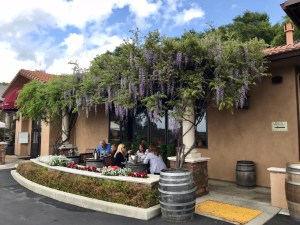
Our original intention was to visit a few wineries that day, but when we arrived at Wise Villa, and took in the beauty of their Tuscan-style building and breathtaking views, we decided to make an afternoon of it. That Wise Villa is the only Placer County winery with a full-service bistro, complete with gourmet chef, combined with the fact that we hadn’t had lunch, made our decision to stay an easy one.

img_1036

With the combination of beautiful views, excellent wines, and exceptional service, it’s no surprise that Wise Villa is the favored destination of local large group outings; work-related team building, bridal showers, etcetera. Sure, the winery and bistro were buzzing with activity when we arrived, but we found a quiet table on the covered patio that overlooked the vineyards and valley, and ordered a bottle of wine to enjoy with our small plates. Service was outstanding, and soon our glasses were full of the 2015 Sangiovese, and our Artisan Plate of cheeses, charcuterie, nuts, and fruit, and a platter of chicken skewers were presented for our enjoyment. And enjoy we did!

img_1037

Here are my thoughts on the Wise Villa Sangiovese 2015. (Shhhh. It’s a wine club member exclusive.)

img_1035

Rich, ruby color in the glass. On the nose, aromas of ripe raspberry and fresh cherry. The wine coats the tongue with a smooth, rich mouthfeel, and flavors of Rainer cherry, kirsch, and raspberry. Tannins are ultra-soft and smooth, balanced by medium acidity and a long, smooth finish of red fruit and spice. Paired perfectly with the Artisan Plate; especially the blue cheese.

As it turned out, the dreaded “Pineapple Express” failed to make an appearance. Instead, we were treated to cotton-ball clouds, warm weather, and absolutely unbelievable views. We relished in our appetizers and wine, and enjoyed a relaxing Saturday afternoon, and each other’s company.

As the larger groups departed, the tasting room became more tranquil, and our bottle now empty, we ventured inside to explore the rest of the Wise Villa menu. All of the wines were exquisite. From soft, supple whites with perfectly balanced fruit and acidity, to big, bold reds with unique aromas and full, rich flavors.

While tasting, and capturing a few photos for the blog, I happened into owner and winemaker, Dr. Grover Lee. A personable and friendly man, Grover shared his passion for winemaking and pairing good food with good wine. He also informed me he offers guided tours of the winery, and assured me they are like no other winery tour I’ve ever been on. Intrigued, I vowed to return to experience the full journey. In the meantime, there was an early morning flight to catch, so we had to say our goodbyes, with an intention to return soon.

Cheers!

  • By Kent Reynolds, with inspiration from Robyn Raphael
  • Photo credits: Kent Reynolds and Robyn Raphael
Barrel Tasting, Cabernet Sauvignon, California, Chardonnay, Livermore, Wine, Wine Tasting

Come Barrel Tasting With Us…In Livermore Valley!

When you think of California Cabernet Sauvignon, where does your mind go? If you’re like most people you probably think of Napa, maybe Sonoma. How about that nice, big, California Chardonnay you’re enjoying with dinner tonight? Carneros? Monterey? Napa? Would you be surprised to learn that both Cabernet Sauvignon and Chardonnay have their California roots in Livermore Valley? I know I was surprised!

Livermore Valley Wine Country

Wait. You mean you’ve never heard of Livermore Valley? Don’t feel bad. Many people haven’t. Being from Northern California, I was aware of the area, but never really associated it with wine. Yet, as I started to learn more about this region, I learned that wine grapes have been grown in the Livermore Valley since the 1840’s, and the first Livermore Valley wineries were established in 1883!

Livermore Valley is located east of San Francisco Bay, roughly midway between San Francisco and Stockton, and an easy drive from Silicon Valley. The valley has an east-west orientation that allows coastal fog and marine breezed to roll in, tempering the interior valley’s heat. This results in ideal wine growing conditions, producing exceptional fruit. In fact, Livermore Valley is one of the first regions to receive American Viticulture Association (AVA) status, back in 1982.

Livermore Vineyards

With a long history of winemaking, and innovative pioneers leading the way, it is logical that the greatest wine grape varieties should be linked to the Livermore Valley. Perhaps you are aware that most Chardonnay grapes grown in California come from Wente clones. Well, Wente is a long-standing producer, located in the Livermore Valley. In fact, they were the first winery to produce a varietally-labeled Chardonnay, back in 1936. So you have the Wente family, now in their fourth generation of vineyard management and winemaking in Livermore Valley, to thank for that delicious Chardonnay.
wente_logo

Similarly, Livermore Valley’s Concannon Vineyards produced the first ever Petite Sirah varietally-labeled wine in 1961. Concannon remains a large Petite Sirah producer; in fact, my first taste of Petite Sirah was a Concannon. What I didn’t know until recently, is that Concannon is more than Petite Sirah. The winery is credited with developing Cabernet Sauvignon clones, which represent approximately 80% of Cabernet grown in California today. In 1965, third-generation winemaker Jim Concannon collaborated with renowned U.C. Davis professor and viticulturist, Dr. Harold Olmo, to develop hearty Cabernet Sauvignon clones. Their work took California Cabernet from fewer than 1,000 acres, to more than 90,000 acres today. The clones they developed can be traced back to the “Concannon Mother Vine” which was imported from Château Margaux, by founder James Concannon in 1893.

Concannon Vineyards

Are you getting excited about Livermore Valley wines? I sure am!

In just a couple of weeks, on the weekend of March 10-11, the Livermore Valley Winegrowers Association will host their 10th Annual Barrel Tasting Weekend. Robyn and I will be there, guests of the Association, and we would love to see you there! The event runs from noon to 4:30 p.m. each day. With more than 35 wineries participating, it will be an exciting weekend of samples, thieving, tasting, and eating. Barrel tasting is an exciting way to explore wine as it evolves over time, from vineyard to bottle. If you find something you like, many wineries will be offering futures sales, so you can reserve some exceptional wine at a pre-release discount. In addition to Cabernet Sauvignon, Chardonnay, and Petite Sirah, you can taste varietals you may never have had the opportunity to sample before, such as Primitivo and Alicante Bouschet.

If wine isn’t your thing, there will also be Livermore-area breweries sampling beer, and distilleries offering tastes of their spirits. It’s all included with your wristband, so go out on a limb and try something different!

Want to start your day with something hearty to eat before you get to winetasting? Consider attending one of the Barrel Tasting Brunches at 11 a.m. Each day, two wineries will partner with local restaurants to host fabulous brunches on the winery grounds. On Saturday, you can choose from Garré Winery & Garré Café Brunch, or Las Positas Vineyards & Zephyr Grill & Bar Brunch. Sunday’s offerings are hosted by Retzlaff Vineyards & Salt Craft Brunch, and Ehrenberg Cellars, The Singing Winemaker & Liberation Foods Brunch. The choice is yours you cannot make a wrong decision wherever you go!

For the more artistic in your crew, enjoy the 15 hand-painted wine barrels that will be on display at participating wineries. If you see one you particularly like, you can buy raffle tickets for the chance to take it home.

Painted Barrel
Just one of 15! Photo Credit: lvwine.org

Whether you come for the wine, the beer, the spirits, the food, or just the scenery, the 10th Annual Livermore Valley Barrel Tasting Weekend will be an event to remember. You can get tickets at lvwine.org. We hope to see you there!

Cheers!

  • By Kent Reynolds