Calistoga, Chateau Montelena, Napa Valley, Survivor, Wine, Zinfandel

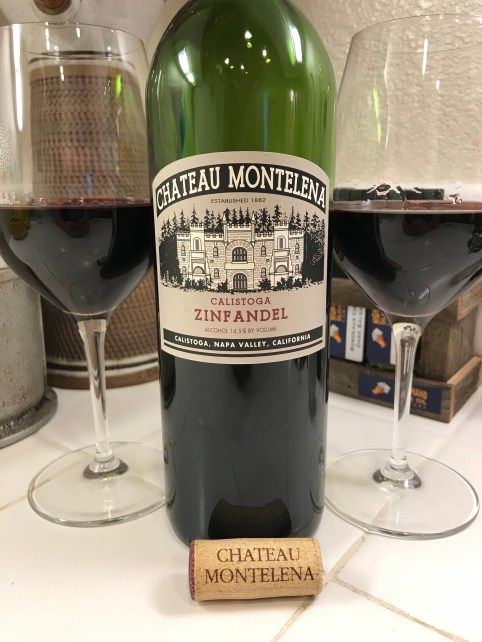
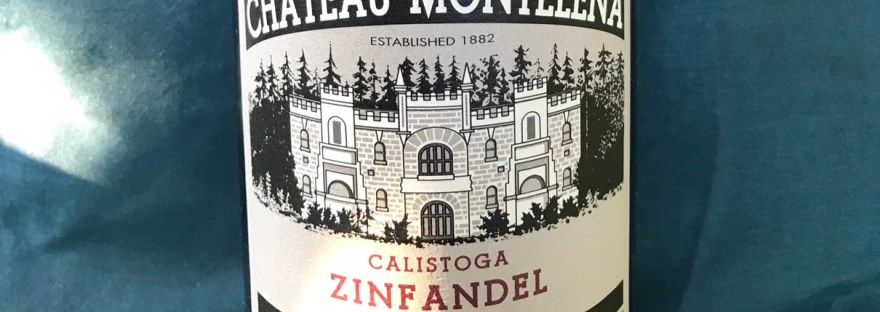
Review: Chateau Montelena Calistoga Zinfandel 2015

Most wine geeks know the name Chateau Montelena. For those who don’t, allow me to inform you. Chateau Montelena is the Calistoga, California, winery that produced the Chardonnay that beat out Burgundy, France, in the famous Judgement of Paris in 1976. The Chateau Montelena 1973 Chardonnay put Napa on the wine map, and forever changed the landscape of California wine, both literally and figuratively. (Been to Napa lately?)

Would it surprise you to learn that Chateau Montelena is more than world class Chardonnay? Of course being in the Napa Valley, they produce a stunning Cabernet Sauvignon. But did you know they also make a spectacular Zinfandel?

Zinfandel is often thought of as “America’s grape” although genetic testing has determined that the grape originated in Croatia. Nevertheless, Zinfandel is associated with California due to its historical roots to the Gold Rush. Most people associate Zinfandel with Lodi, Russian River Valley in Sonoma County, or perhaps the Sierra Foothills (some of my favorites), but many forget that Napa Valley produces some impressive Zinfandel.

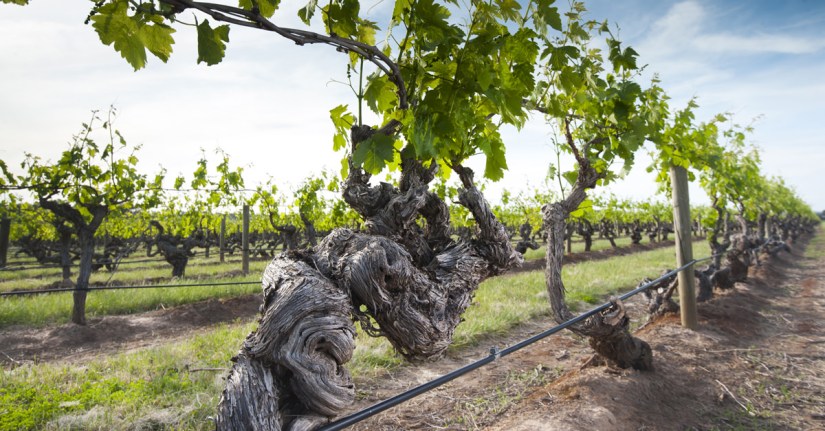
Zinfandel is a hearty grape; a survivor. The vines can live much longer than many other vines, and still produce stunning fruit. Some would say Old Vine Zinfandel is better, softer, and smoother than wine from younger vines. From my tasting experience, I’d have to agree. Zinfandel is also drought tolerant, and thrives in warmer climates, where some other grapes would suffer.

I had never really thought of Napa Valley or Calistoga for Zinfandel, much less Chateau Montelena, known for its Chardonnay and Cabernet. So I was intrigued when I received a sample bottle of Chateau Montelena Calistoga Zinfandel 2015. Winemaker Matt Crafton says of this wine: “…the 2015 vintage showcases [the survivor] quality beautifully. There’s something hallowed in the old, war-torn vines that have endured many challenging growing seasons coupled with the vitality and exuberance of younger plantings that allow us to create this truly compelling wine.”

The 2015 is crafted from fruit harvested from Estate vines that were among the first planted the year Jim Barrett founded Chateau Montelena, 1972, blended with grapes from younger vines. This blend provides the best of both worlds; the soft, smooth qualities of Old Vine Zin, with the youthful fruit and zip of newer vines. 2015 was a very dry year, as California suffered through one of the worst droughts on record. Trees and other vegetation suffered, but the sturdy Zinfandel vines took it in stride, producing rich, intense fruit resulting in an exquisite wine.

This wine was submitted to me as a media sample for review. I received no other compensation. All thoughts, opinions, and tasting notes are my own.

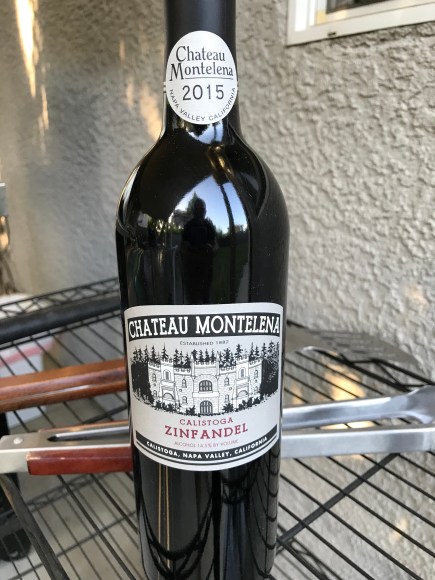
Chateau Montelena Calistoga Zinfandel 2015

img_1369

Medium purple color with ruby rim. On the nose, more earthy than other Zinfandels I’ve had, but all the fresh blackberry bramble and fruit aromas I expected. On the palate, fresh blackberry, blueberry, cherry, and spice, with dusty chocolate notes, and secondary flavors of vanilla and leather, with smoky notes on the finish. Tannins are bold and chewy; balanced with light acidity. Served with grilled pork chops, the food tames the tannins and really brings out the character. The finish lingers, enticing yet another sip. Perhaps another bottle.

SRP $39.00
img_1371

This Zinfandel is truly one of a kind. I’ve tasted dozens of Zinfandels over the years; it is one of my favorite varietals; and this one is definitely unique. It’s bigger, earthier, and with more structure and tannin than many other Zinfandels. If you get the opportunity to try this spectacular wine, take it!

​Cheers!

  • By Kent Reynolds
  • Photo staging by Robyn Raphael
German, Germany, Klein, nakedwines.com, Riesling, Trocken, Wine

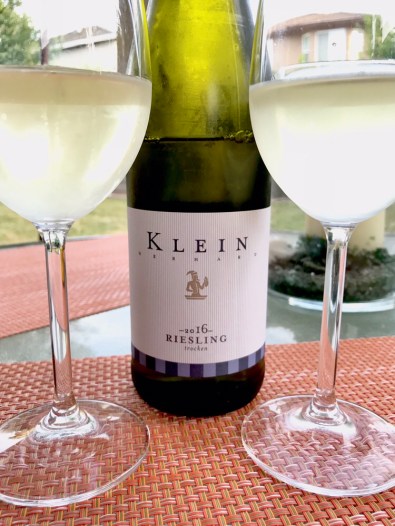
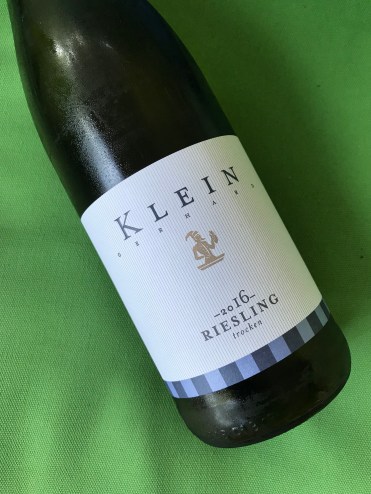
Review: Klein Riesling Trocken 2016

Riesling. A divisive grape, to be sure. Most people either love it or hate it. For many of us in the United States, Riesling means syrupy sweet, low quality wine. Yet the greatest Rieslings are actually dry, with low residual sugar, and layers of complex flavors. Renowned wine expert Jancis Robinson calls Riesling “the wine world’s greatest underdog.” Of course, she is referring to dry Riesling, but even sweeter styles have their qualities, and are appealing to a vast segment of wine consumers who prefer sweet wines. My dad is one of them; a sweet Riesling is his favorite style of wine. Indeed, many wine experts assert that Riesling is the world’s greatest grape variety.

Riesling is a versatile grape, and can be made into sweet, dessert wines, or crafted into dry, refreshing dry wines, or anything in between. Many Rieslings produced in the U.S. are sweet, which leads to much of the confusion about the varietal. When all you know is one style, you assume all labels are that same style. Riesling originated in Germany, and the fact is, German producers did themselves, and the grape, no favors in churning out barrels of low-quality Riesling back in the 1980’s and ‘90’s. Today, quality has improved, and there are many high quality Rieslings readily available to consumers.

img_1276

I had the privilege of tasting one such German Riesling recently. As a member of NakedWines.com, I ordered a bottle of the Klein Riesling Trocken 2016. Admittedly, German wine labels are among the most confusing and confounding on the planet. Just remember this: “Trocken” means “DRY.” And dry this wine is! Winemaker Peter Klein is a rising star in the German winemaking scene. He is a 14th generation winemaker! (Read that again…fourteen generations!!) He was runner-up in Germany’s “Young Winemaker of the Year” competition this year. And his Riesling Trocken is all that!

img_1277

Pale straw color. Aromas of pineapple and pear. On the palate, crisp acidity and flavors of pineapple, quince, pear, and white peach. Definitely fruit-forward, but not sweet. We started ice-box cold and let it warm as we drank it on the patio. As the wine warmed, enticing floral aromas emerged. We enjoyed this sans food, but it would be an excellent accompaniment to spicy Asian food or local, German cuisine.

If you have always assumed all Riesling is sweet, get your hands on a Trocken, chill it down a bit (but not too much) and get ready to experience the greatest grape in the world. If this Klein Riesling Trocken 2016 sounds like a good place to start (and it is) click here for a voucher worth $100 off your first NakedWines.com order. You’ll be glad you did.NW Logo

Cheers!

  • By Kent Reynolds
  • Photo composition by Robyn Raphael


LangeTwins, Lodi, Lodi Rose, Lodi Wine, Rosé, St. Amant, Wine

Yes Way, Lodi Rosé!

If you think all Rosé is White Zinfandel, I have two things to say to you. (1) You’re not alone, and (2) you need to get out and explore Rosé!

I’ve actually been in conversation with people who say, “I don’t like Zinfandel; it’s too sweet.” When they see the quizzical look on my face, they say, “You know, Zinfandel? The pink wine.”  (Spoiler alert: Zinfandel is actually a red wine grape.) While it’s true that many of us got our start with White Zinfandel, myself included, Rosé wines have come a long way in the past 40 years! (A nod to all you purists who will argue that Rosé from Provence has always been good.) But the popularity of dry Rosé, as I opine all Rosé should be, has taken off in recent years, and thankfully, there’s no end in sight!

Many people think of Rosé as a spring and summer wine, and for good reason. A well-chilled, crisp, dry Rosé is quite refreshing when lounging by the pool, or dining al fresco. I am a believer that there is no Rosé season, and drink it all year round, but I will concede that it is best when the weather is warmer.

When you think of Rosé, what grape varieties do you think of? Other than Zinfandel, of course. What? You mean Rosé isn’t a varietal? Nope. Rosé can be made from virtually any red wine grape. Yet it seems that most domestic (U.S.) Rosé wines, and many Old World examples, are made from Pinot Noir, Grenache, or other Rhône varietals. However, Lodi winemakers are pushing the envelope with some stellar Rosé wines made from grapes you may have never considered.

Lodi-Image-9-Medium
Photo Credit: http://www.lodiwine.com

The Lodi AVA is home to more than 125 different grape varieties. The temperate climate; warm temperatures and dry summers; is conducive to Mediterranean grapes, which thrive here. Lodi winemakers produce Rosé wines from Carignan, Grenache, Barbera, Pinot Noir, Tempranillo, Sangiovese, and many others. The characteristics that make each of these varieties great red wines, also serve to produce Rosé wines with distinct profiles themselves.

The following wines were provided as media samples for review. I received no other compensation, and all opinions and tasting notes are my own.

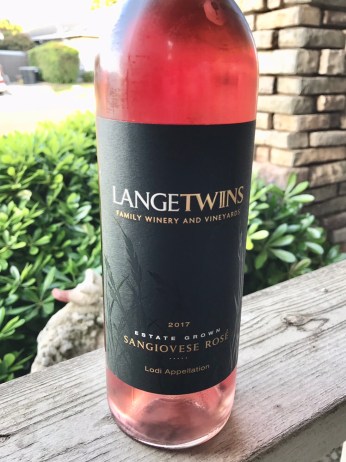
 LangeTwins Sangiovese Rosé 2017

I’ve written about LangeTwins Winery before, when Robyn and I had the good fortune to meet some friends for a personal tour, with winemaker David Akiyoshi as our guide. It was a memorable experience, to be sure! So I was excited when I opened the box that the nice FedEx courier delivered, and found a bottle of the LangeTwins Sangiovese Rosé 2017. (Click the link to read about the day, and some of the LangeTwins story.)

img_1266

From the winery:

With an alluring vibrant pink color, our 2017 Sangiovese Rosé is delightfully refreshing. Opening with juicy aromas of watermelon and strawberry, the same fruit notes carry over to the palate and are balanced by bright acidity. These smooth flavors and a lasting finish will leave you wanting another sip.

Here are my tasting notes:

Crisp, dry, and refreshing. Medium pink color. Aromas and flavors of strawberry and raspberry, with a pop of watermelon jolly rancher on the finish. This’ll be great all summer long!

This wine retails at the winery for just $15!

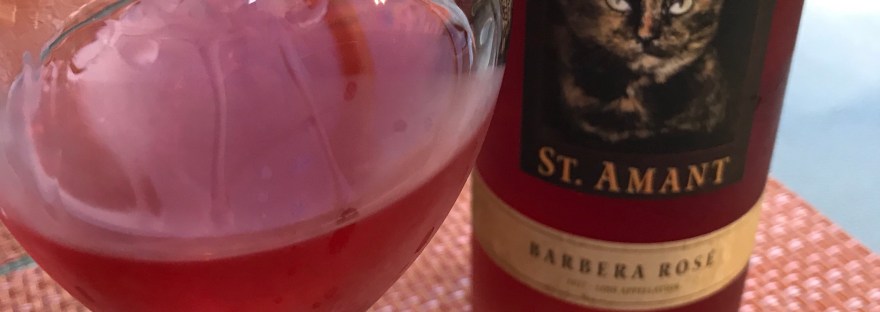
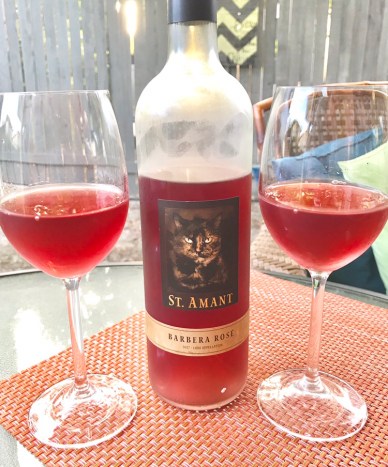
St. Amant Barbera Rosé 2017

​Well, now. I’ve actually never had a Barbera Rosé before. Barbera is one of my favorite varietals. I’ve enjoyed many red Barbera wines, and even a White Barbera (fermented with no skin contact.) But never pink!

St. Amant Winery was born in the early 1980’s in Amador County, growing their own grapes, and making wine in borrowed facilities. The name comes from the founder’s wife’s maiden name., Their first emphasis was on port-style wines, with some success. In the late 1980’s, the White Zinfandel craze exploded, and St. Amant jumped on board. The success of their White Zin sales allowed the family to purchase their own winery, in French Camp, California, just outside Lodi. In 1996, they moved to their current location in Lodi. The history of St. Amant is quite fascinating, and I encourage you to read the whole story on their website.

img_1249
I think the cat is angry because it can’t drink Rosé.

About the wine, from the winery website:

This delicious dry rosé of Barbera is the perfect refreshing wine for a hot summer day. Barbera’s natural acidity and Lodi’s decadent fruit flavors come together to create a lively wine that is sure to please. Yes, it may be a pink wine, but then again, it’s a delicious pink wine. The 2016 Rosé was such a hit that we couldn’t resist doing another one. If for no other reason, it’s a wine I like to drink during the summer. It’s a dry, lighter-styled version of our Barbera, with a zesty refreshing quality that lends itself well to warm summer days. Barbera’s natural acidity and luscious fruit lend itself perfectly to this unpretentious and quaffable wine. It has a deep pink color with a bright fuchsia edge. Strawberry and cranberry aromas follow through on the palate capturing the essence of spring in the glass. Drink Pink!

Here are my tasting notes:

Great color! Deep rose petal in the glass. Aromas of wild strawberry and red cherry burst from the glass. On the palate, a variety of red fruit rolls across the tongue, including strawberry, cherry, and raspberry, with hints of kiwi and watermelon. Rich texture and mouthfeel, with bright acidity. The finish is medium with sour cherry (almost like the Lifesaver flavor!), strawberry, and raspberry. A delicious summer sipper, and great wine to pair with light food dishes.

This wine retails at the winery for just $15! (Noticing a trend?)

If you’re not convinced to get out and try some delicious Lodi Rosé wines, well, I guess I’ve failed. Lodi winemakers and producing some stunning Rosé wines, that are delicious, unique, satisfying, and affordable. So, get up, head to your local wine shop…or better yet, come out to Lodi…and try some Rosé!

Cheers!

  • By Kent Reynolds
  • Photo credit (unless otherwise noted) and inspiration by Robyn Raphael
el dorado, El Dorado Passport Weekend, El Dorado Wine, El Dorado Wine Country, Sierra Foothills, Sierra Foothills AVA, Wine

El Dorado Passport Weekend 2018

Off again on another exciting wine tasting weekend! This time we were headed to El Dorado County, for the El Dorado Passport Weekend. El Dorado County is right in our back yard, just about an hour from home. As guests of the El Dorado Winery Association, who provided us with complimentary VIP passes to the event, we were looking forward to a deeper exploration of the region. While we’ve lived nearby for many years, quite honestly, our ventures to the land of gold discovery had been few.


El Dorado Winery Association represents nearly 50 wineries. About half were participating in the annual Passport Weekend. With so many wineries to choose from, we had to map out our strategy. Compounding the mathematical quandary was the fact that we had only Saturday to attend. We had other commitments on Sunday! Clearly, we needed a plan.

El Dorado County is located east of Sacramento, and runs from the valley floor all the way to the peaks of the Sierra Nevada mountains. In fact, the town of South Lake Tahoe is in El Dorado County. The highway that one travels from Sacramento to South Lake Tahoe is U.S. Highway 50, part of the historic Lincoln Highway. As it happens, Highway 50 bisects El Dorado wine country, with the Apple Hill area wineries on the north side, and Pleasant Valley, Mount Aukum, and Fair Play regions to the south. Of these regions, Fair Play is perhaps the most well-known, at least in the area, and is the part of El Dorado County we’ve explored the most. With that realization, our plan was established. We would delve into the Apple Hill area, on the north side of Highway 50, and visit wineries that were completely new to us! Well, mostly, as you will read.

Passport-2018
Image Credit: El Dorado Winery Association

The El Dorado Passport Weekend actually spans two weekends. We attended the second. The first weekend was met with sunshine and unseasonably warm temperatures. The second weekend was, well, more seasonable. It was overcast and chilly, with an often biting wind at outdoor venues. Nevertheless, even cold weather would not prevent us from enjoying the day and sampling some fantastic El Dorado County wines.

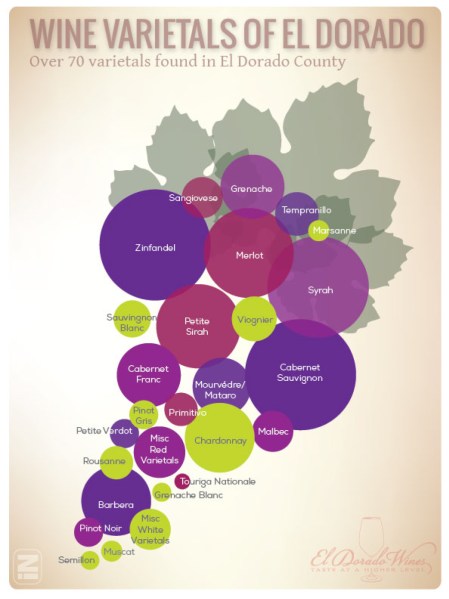
High elevation wines are what sets El Dorado Wine Country apart from other California regions. The growing region varies from 1,200 to more than 3,500 feet above sea level! That’s some serious altitude! Some 50 grape varieties thrive here, from Gewürztraminer to Cabernet Sauvignon, to Barbera, to Chardonnay, to Zinfandel, and many others. Rhône and Bordeaux varietals do especially well here. There are many soil types, including volcanic rock, decomposed granite, and fine shale, each providing its own influence to the terroir.

El Dorado Grape Varieties
Image Credit: El Dorado Winery Association

From here, please enjoy the photo montage along with brief descriptions of each winery we visited. We quickly learned that El Dorado Winery Association knows how to host a party, as each winery had food pairings for almost all of their wines. We did not go hungry!

Our first stop was Fenton Herriot Vineyards. Perched atop a hillside with spectacular views, Fenton Herriot is located just outside Placerville, a quaint Gold Rush era town. The wines were as amazing as the views, and we enjoyed the catered food pairings as well. As part of the VIP experience we were invited to a three-vintage vertical tasting of their Sangiovese.


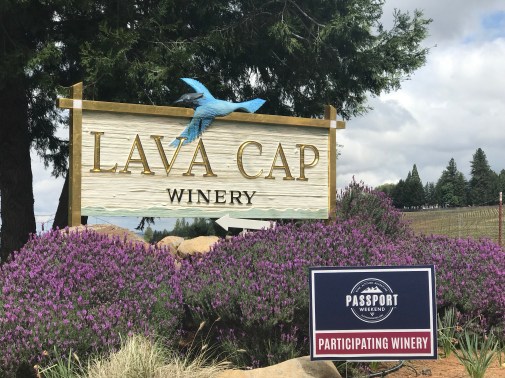
Next was Lava Cap Winery. This is the one I intimated above; we’ve been familiar with Lava Cap for years, because their production is such that they can be found in Sacramento area restaurants and even grocery stores. Don’t let this dissuade you, however, their wines are first-class! As part of our VIP experience, we tasted a flight of library wines, including a 12 year old, oak aged Viognier. Yes, you read that right – a 12 year old Viognier! It was spectacular!

img_2717


Moving on, we stopped at Madroña. Established in 1973, Madroña is one of the oldest El Dorado County wineries. I even remember them being there when I visited Apple Hill as a child! Here was tasted a flight of Cabernet Sauvignon including a 1985. That’s the year my daughter was born! The wine has aged and mellowed as much as my daughter has. Amazing! They also have a red blend, El Tinto, composed of 25 different grape varieties. Delicious!


Next we stopped at Via Romano Vineyards. Via Romano specializes in Italian varietals, and they do them exceptionally well. Check out the Pinot Grigio paired with mango, peach, and apple bruschetta! Simply ethereal!

From there, we stopped at Bumgarner Winery. Any San Francisco Giants fans in the audience? Owner Brian Bumgarner did some genealogical research, and found at least a distant relation to starting pitcher and future Hall of Famer, Madison Bumgarner. Even if baseball is not your thing, stop on by their rustic tasting room for some rich, full-bodied red wines.

At the recommendation of one of the staff at Bumgarner, we next ventured just south of Highway 50 to Chateau Davell. There we were reunited with owner and winemaker, Eric Hayes, who we had met at the Wine Bloggers Conference a few months earlier. Eric is a skilled winemaker, and also an accomplished painter. Each label is adorned with a portrait of a family member, lovingly painted by Eric himself.

As you can imagine if you’re keeping score, by now we were getting palate fatigued. Nevertheless, we had some time to kill before we would be meeting friends in Placerville. So we forged on to one last winery, Sierra Vista Vineyards and Winery. Another early pioneer in El Dorado Wine Country, established in 1979, Sierra Vista was also on the forefront of the Rhône movement in the area. Their dedication to the craft is evident in each sip.

img_1191

With a renewed fascination and enthusiasm for our backyard wine region, we are determined to return soon and continue our adventure of discovery. If you are planning a trip to Northern California, perhaps to the more famous wine regions like Napa, Sonoma, or Lodi, you owe it to yourself to plan a little detour to the east, and come discover the fantastic wines of El Dorado County.

Cheers!

  • By Kent Reynolds and Robyn Raphael
  • Unless otherwise credited, all photos by Kent Reynolds and Robyn Raphael
California, Placer County, Placer County Wine Trail, Sangiovese, Wine, Wise Villa

Venturing Out to Wise Villa Winery & Bistro

The weather forecast was daunting. A “Pineapple Express” was about to bear down on Northern California, bringing biblical rains, winds, and flooding. For those of you who don’t live in California, a “Pineapple Express” is a tropical storm system that originates near Hawaii, and barrels eastward carrying heavy rains and warm temperatures. The resulting deluge has been known to melt Sierra snow packs and cause widespread flooding in the Sacramento Valley from the combination of rainfall and snow melt. That was the prediction for the weekend.

Meanwhile, a week-long business trip was on the horizon. Having completed packing, Robyn suggested that, regardless of perilous weather forecasts, we head out to the nearby Placer Wine Trail, and do some wine tasting. There are about 20 wineries to choose from, but I knew right away where I wanted to go. We’ve enjoyed the wines of Wise Villa many times. In fact, on our first date, Robyn and I had a bottle of Wise Villa Tempranillo. So clearly, this winery holds a place near and dear to my heart. Yet, despite its location a just 20 or so minutes from home, I’d never been. This potentially stormy day, that injustice would be corrected.

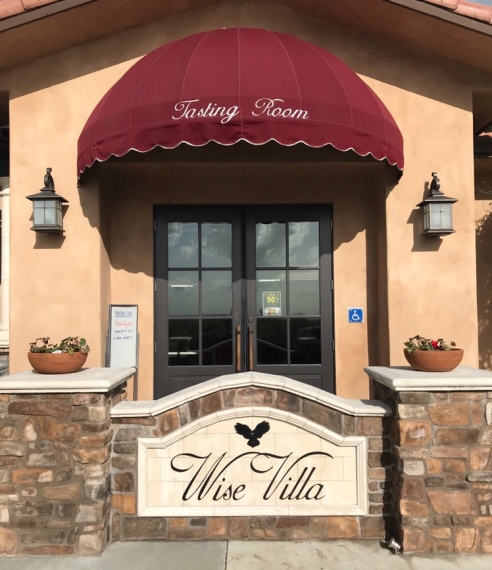
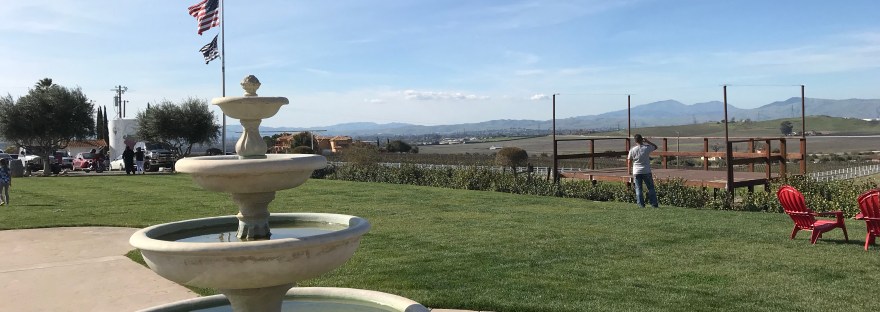
Wise Villa Winery & Bistro is a family owned estate, situated atop a hillside in rural Placer county, with stunning views of the surrounding valley. They farm over 20 different varietals, producing more than 30 wines. From Albarino to Zinfandel, Wise Villa’s wines are expertly crafted to capture the essence of the variety, and the unique terroir of the Placer County Wine region.

img_1052

Our original intention was to visit a few wineries that day, but when we arrived at Wise Villa, and took in the beauty of their Tuscan-style building and breathtaking views, we decided to make an afternoon of it. That Wise Villa is the only Placer County winery with a full-service bistro, complete with gourmet chef, combined with the fact that we hadn’t had lunch, made our decision to stay an easy one.

img_1036

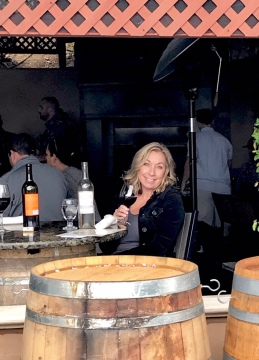
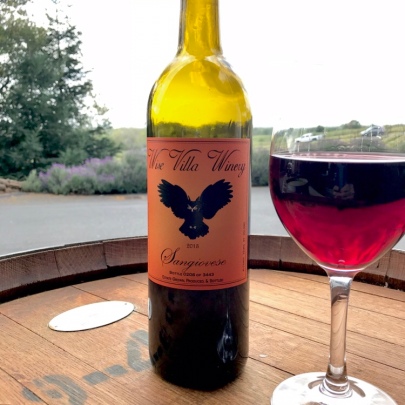
With the combination of beautiful views, excellent wines, and exceptional service, it’s no surprise that Wise Villa is the favored destination of local large group outings; work-related team building, bridal showers, etcetera. Sure, the winery and bistro were buzzing with activity when we arrived, but we found a quiet table on the covered patio that overlooked the vineyards and valley, and ordered a bottle of wine to enjoy with our small plates. Service was outstanding, and soon our glasses were full of the 2015 Sangiovese, and our Artisan Plate of cheeses, charcuterie, nuts, and fruit, and a platter of chicken skewers were presented for our enjoyment. And enjoy we did!

img_1037

Here are my thoughts on the Wise Villa Sangiovese 2015. (Shhhh. It’s a wine club member exclusive.)

img_1035

Rich, ruby color in the glass. On the nose, aromas of ripe raspberry and fresh cherry. The wine coats the tongue with a smooth, rich mouthfeel, and flavors of Rainer cherry, kirsch, and raspberry. Tannins are ultra-soft and smooth, balanced by medium acidity and a long, smooth finish of red fruit and spice. Paired perfectly with the Artisan Plate; especially the blue cheese.

As it turned out, the dreaded “Pineapple Express” failed to make an appearance. Instead, we were treated to cotton-ball clouds, warm weather, and absolutely unbelievable views. We relished in our appetizers and wine, and enjoyed a relaxing Saturday afternoon, and each other’s company.

As the larger groups departed, the tasting room became more tranquil, and our bottle now empty, we ventured inside to explore the rest of the Wise Villa menu. All of the wines were exquisite. From soft, supple whites with perfectly balanced fruit and acidity, to big, bold reds with unique aromas and full, rich flavors.

While tasting, and capturing a few photos for the blog, I happened into owner and winemaker, Dr. Grover Lee. A personable and friendly man, Grover shared his passion for winemaking and pairing good food with good wine. He also informed me he offers guided tours of the winery, and assured me they are like no other winery tour I’ve ever been on. Intrigued, I vowed to return to experience the full journey. In the meantime, there was an early morning flight to catch, so we had to say our goodbyes, with an intention to return soon.

Cheers!

  • By Kent Reynolds, with inspiration from Robyn Raphael
  • Photo credits: Kent Reynolds and Robyn Raphael
Barrel Tasting, Cabernet Sauvignon, Livermore Valley, Petite Sirah, Wine, Wine Festival, Wine Tasting

Livermore Valley Barrel Tasting Weekend, Day 2 – Sunday

Though Saturday was overcast, cool, and even a little drizzly, Sunday was a new day. We awoke to glorious sunshine, crystal clear skies, and warmer temperatures. This was going to be a great day for some Livermore Valley Barrel Tasting!

In case you missed it, this is the second of two installments on our first-ever visit to Livermore Valley wine country, to attend the annual Barrel Tasting weekend. We were guests of the Livermore Valley Winegrowers Association. You can read about our Saturday experience here. Suffice it to say, we were very impressed with the Valley, the wines, and the people.

The question of the morning on Sunday was, would it continue? Would the people on Day 2 be as hospitable? Would we spend hours on end at each winery? Would we get to visit more than three? Read on, to find out.

On Sunday, we were on a mission. We were determined to visit as many wineries as possible. With 35 of them participating, we had to be selective, and took some recommendations from the ever hospitable hotel clerk. We plotted our route on the map, and started the car. But wait. The Barrel Tasting event opened up each day at noon. Our first destination was a mere 10-15 minute drive away. We checked out of our hotel at around 10 a.m. What to do? BRUNCH!

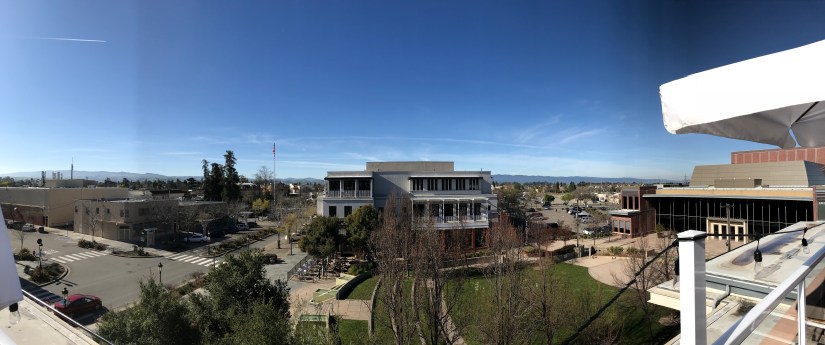
We headed down to central Livermore to check it out in the daylight. Wandering around, we spotted some people on what appeared to be a rooftop bar or restaurant. Now on a quest, we entered what turned out to be an office building. Discouraged, we spotted a sandwich-board sign outside the elevator that confirmed we were on the right track, the Aviation Rooftop Bar & Kitchen was just upstairs. The elevator opened into the bar and small dining room, and just beyond was the spectacular rooftop. Brunch was delicious, the server…well, amazingly friendly and hospitable…and just check out this view!

img_0853

Sufficiently nourished, we got back in the car and drove to our first stop, the renowned estate, Concannon Vineyards. This was one of what would be eight wineries we visited that day! Like I said, we were on a mission!

I’d like to pause here to assure you that there was much swishing, spitting, and dumping this weekend. Please drink responsibly, and do not drive while impaired!

We were some of the first guests at Concannon on Sunday, so it was not as crowded as we had feared it might. Here, the friendly hosts poured us several tastes of Concannon’s signature wine, Petite Sirah. From the barrel, and from finished and aged bottles, the wines were delicious. Show of hands here: How many of you had your first taste of Petite Sirah from a Concannon bottle? Concannon has a long history of winemaking in California, and even continued during Prohibition by making Sacramental wine for the church.

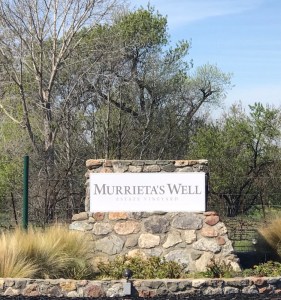
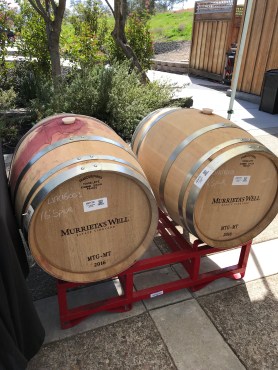
Our next stop was Murietta’s Well. I’ve read a lot about Murietta’s Well from many of my fellow bloggers, so I wanted to be sure an stop in. Here we enjoyed samples of several wines, including barrel samples of their 2016 Spur; a red blend of Cabernet Sauvignon, Petite Sirah, Merlot, Petit Verdot, and Cabernet Franc. As good as this was out of the barrel, it will be spectacular in a few years when it is released!

img_2394img_0870img_2395

Next up was Steven Kent Winery. Here we tasted some spectacular Sauvignon Blanc and Cabernet Sauvignon, and met winemaker Craig Ploof. Though the tasting room was busy, Craig took the time to talk with us one-on-one, and share a bit of his story and passion. Craig told us how the unique east-west alignment of the Livermore Valley and the varied micro-climates help create wines of character and distinction. He isn’t wrong.

Next, we went to Wente. (See what I did there?) Wente Vineyards is perhaps more well-known than Concannon; their claim to fame being the development of many Chardonnay clones that are now planted around the world. In their barrel room, we sampled Graciano, Cabernet Sauvignon, and their red blend, Artisan Red. Once again, the hosts amazed us with their easy-going, friendly demeanor, and genuine hospitality.

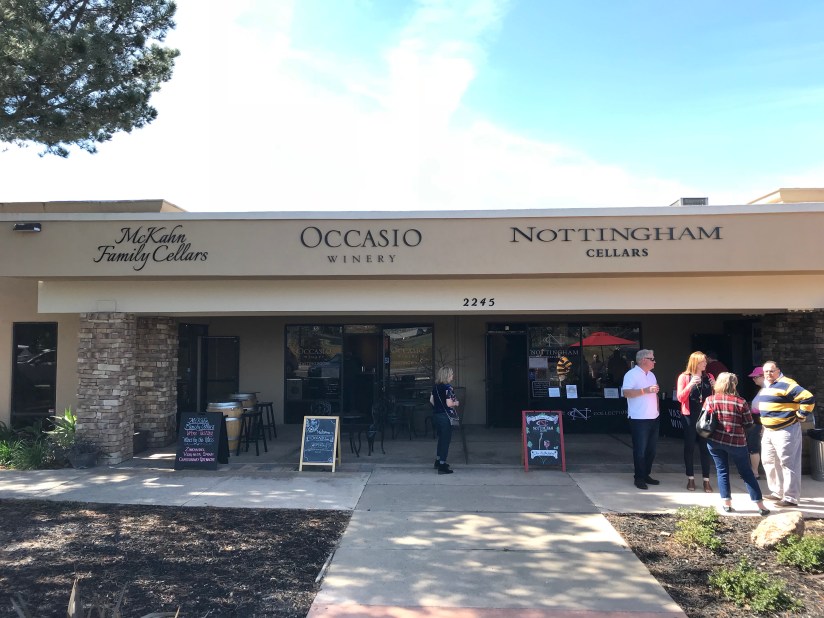
Moving on, we ended up at something of a strip mall for wine. A beautiful stucco building housing at least five winery tasting rooms! First we stopped in at Nottingham Cellars. I’d had a glass of their Cabernet Sauvignon with dinner the night before, and wanted to sample their other wines. Their simplistic but artistic tasting room is charming, and their wines are just as impressive. (By this point , several hours into the day, my note-taking was becoming, well, sketchy, so I don’t recall the barrel samples we had.)

img_0885

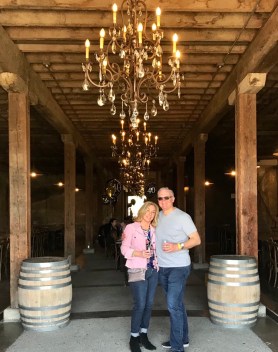
Walking next door, we entered Longevity Wines. We were immediately taken with the gitchy, eclectic décor; there’s a barn façade inside the tasting room! As we started our barrel tasting; Grenache and a Rhone-style blend called “Deb-Ru-Vee”, the live musical duet was setting up nearby. In addition, winemaker and founder Phil Long was there, and engaged with us and other attendees. Phil is a big guy, but he’s just as friendly, warm, and hospitable as anybody we met that weekend. Upon hearing we were bloggers, he told his staff to treat us well, and he set us up with a full library tasting. (If you read about Saturday’s adventures, you may be noticing a pattern.) The name of the wine, Deb-Ru-Vee, is homage to Phil’s wife, Debra. The quality of the wine is a reflection of Phil’s love and commitment. It’s truly spectacular! As you can imagine, we spent quite a lot of time here. It’s hard to walk away from that welcoming feeling of family and new friends. Yet, eventually, we had to move on. If for nothing else, to make room for other guests!

img_0889

Around the corner in an unassuming warehouse building…it looked like an auto body shop…was Wood Family Wines. Winemaker Rhonda Wood was on hand to host the tasting, which included pairing with locally handmade English Toffee. Oh, yum! Once again, we connected with Rhonda and were treated to a complimentary flight in the tasting room, after finishing the barrel tasting. A friendly and engaging staff made us feel welcome, and made sure we were well cared for.

With palate fatigue setting in, we made our way to our final stop: McGrail Vineyards and Winery. The good folks at McGrail had started following me on Instagram just that morning, so it only seemed right to pay them a visit in person to say thank you. In addition, on their Instagram post, they touted an Aroma Bar.

They doctored eight glasses of wine with aromas common in red wine. The challenge was to identify each of the elements in each glass. While I only got six right, it was enough to win a complementary tasting next time we’re in town!

And so it was time to go. We’d had an amazing weekend, meeting fantastic people, making new friends, and finding new favorite wines. It doesn’t get much better than that!

Livermore Valley, thank you. We’ll definitely be back!

  • By Kent Reynolds,
  • With creative content and inspiration by Robyn Raphael
  • Photos by Kent Reynolds and Robyn Raphael
Barrel Tasting, Cabernet Sauvignon, Livermore Valley, Petite Sirah, Wine, Wine Festival, Wine Tasting

Livermore Valley Barrel Tasting Weekend: Day 1 – Saturday

If we had to describe our experience at the Livermore Valley Barrel Tasting Weekend in one word, without a doubt, that word would be: Hospitality.

This was our first trip to Livermore Valley Wine Country. We were invited as guests of the Livermore Valley Winegrowers Association, and were very eager to attend. In preparation for the event, we did a little studying and learned a great deal about the incredible and influential history of this wine region. You can read about what we learned in our previous post by clicking here.

Livermore Valley Wine Country

As the name suggests, the Barrel Tasting Weekend is a two-day event, Saturday and Sunday, noon to 4:30 p.m. each day. There are more than 40 wineries in the Livermore Valley, and roughly 35 of them were participating in the weekend. Clearly, we had a daunting task ahead of us, trying to make it to as many of these as possible. Yes folks, Wine Blogging has its own, unique challenges and stresses. This is not for the faint of heart. Fortunately, we are willing to do it. For you, dear readers.

img_0824

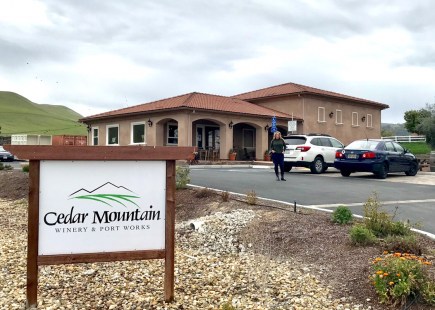
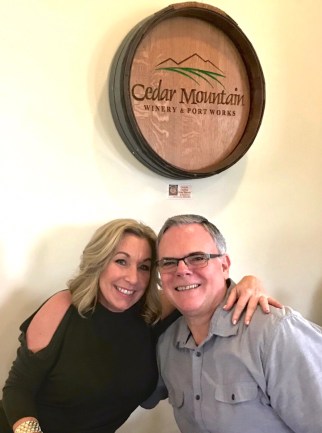
As luck would have it, to add to the challenge, we got a late start on the nearly two-hour drive to the Valley, and didn’t arrive Saturday until around 2 p.m. Having missed out on two entire hours of tasting, our mission looked dire. Like many events of this type, during registration we selected a winery to start our journey, where we would pick up our glasses and wrist bands. Scoping the lay of the land, we decided to start at one of the furthest locations from Livermore, the city, and work our way in. So it was that we found ourselves at the charming venue that is Cedar Mountain Winery & Port Works. There, General Manager Cindy Burnett greeted us with wine thief in hand. She was offering barrel samples of their 2017 Cabernet Sauvignon, as well as tasted of their finished and bottled 2015. Next to her was owner Earl Ault, with barrel tastes of their recent NV Tortuga Royale, a fortified, Port-style wine made from Estate Grown Cabernet Sauvignon grapes, co-fermented with 70% Cocoa Powder. Truly one of the most unique flavor experiences we have had in our years of wine tasting! After sampling the very chocolaty barrel sample, which we thought tasted like adult chocolate milk, we got to try the current release from the bottle. Here, the bold chocolate flavors had softened and melded into the wine, creating a smooth, bold, delicious finished product. Really, folks, if you haven’t been barrel tasting, this would be a great place to start! This wine really showcased the differences between barrel and bottle!

So friendly were Cindy and Earl, and the rest of the staff at Cedar Mountain that they invited us to stay for a complimentary tasting of their entire library at the tasting bar. Never ones to be rude, we agreed. Though we didn’t taste the entire library…they have more than 20 table and dessert wines…we did work through many of them, including our first White Port experiences; a Viognier Port, Chardonnay Port, and an Oak Fermented Chardonnay Port! Long story short…we were there for over an hour. So much for our itinerary!

img_2360

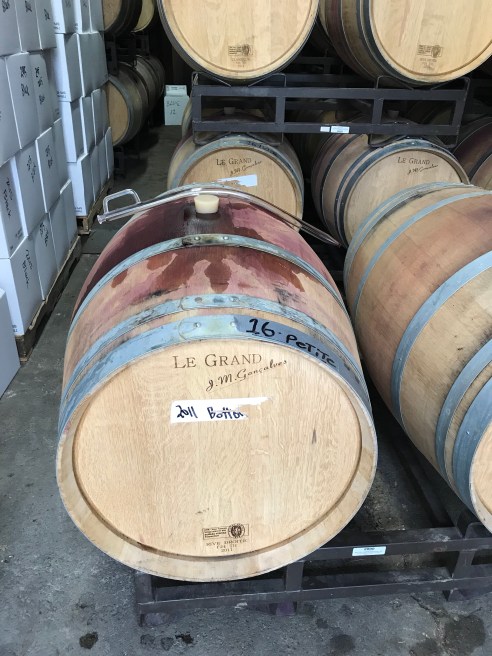
On to the next stop, we sauntered up the road to Eagle Ridge Vineyard. There we were greeted by Ron, an outgoing Philly transplant with a gruff, East Coast exterior but a great sense of wit and humor. He thieved us tastes of 2014 Petite Sirah and 2015 Zinfandel. Both presented nicely out of the barrel, and will really shine when bottled in a few months. After the barrel tasting, Ron invited us to taste a few more wines from their library. We were beginning to detect a theme here in Livermore Valley! As we tasted, Ron veered off to help some other newcomers, and we were further entertained by another of the amazing Eagle Ridge staff, Bill. Bill continued to pour, describe the wines…many of which are award winners…and generally entertain us with friendly conversation. Finally, it was time to go. There was less than an hour left in Saturday’s event, and we had more wineries to visit.

Down the hill a short distance and we came to what would be our final winery stop of the day, BoaVentura de Caires Winery. Housed in a quaint country barn, adjacent to a century-old farmhouse, BoaVentura specializes in Cabernet Sauvignon. If you clicked on the link at the beginning of this post, and read our preview article, you know that the Napa Cabernet Sauvignon you know and love actually originated in Livermore Valley.  (If you didn’t read our preview, you can do so now. We’ll wait.)  BoaVentura Batista de Caires is the grandfather of proprietor, Brett Caires. BoaVentura emigrated from Portugal in 1915, bringing with him, and passing down, a great love for wine. Brett purchased the vineyard land upon which BoaVentura winery sits in 1999. The influences of the unique micro-climates of this hilltop property produce distinctly different profiles in each vineyard. Many of the Cabernets are single vineyard, and the differences are self-evident with each taste.

But we’re getting ahead of ourselves. Although specializing in Cabernet Sauvignon, the barrel taste of choice this day was the 2016 Petite Sirah; another impressive barrel sample that will shine after bottling. Brett was also pouring samples of their bottled Green Label Cabernet; a luscious and amazing wine! When we mentioned to Brett that we were there for our first visit, as guests of the winegrowers association, he told us to make ourselves at home in the tasting room, and to tell the staff there to “take good care” of us.

img_0842

Always the obedient types, at least when it comes to wine, we ventured into the eclectic tasting room where we met Daniel. Daniel is Brett’s nephew, and actually works in the town where we live (did we mention it’s about a 2 hour drive?) Even more, he lives in the foothills beyond our town. No, he doesn’t commute to Livermore Valley every day; just once in a while and for special events. At any rate, we hit it off with Daniel and he was quite generous with the tastings. We tasted the entire flight, up to and including the spectacular Maroon Label. Now, I (Kent) have tasted some cult Napa Cabs before… (remember this amazing day?) I would put the Maroon Label up against a $200+ cult Napa Cab any day, and it’s a fraction of the cost, at just $79!

img_2376

Clearly we were impressed by the wines at BoaVentura. But what about that Livermore Valley hospitality with which we started this piece? Well, the event officially ended at 4:30 p.m. At 5 p.m. we were still tasting, and making friends with some of the wine club members who had gathered for a post-event event. By 5:15 these same wine club members had started a fire in the fire pit. We left our glasses on the tasting bar and meandered out to warm ourselves by the fire for a few minutes on our way to the car. A couple of minutes later, Brett Caries came out of the barn and walked over. He noticed that we had no wine glasses in our hands. We explained that we left them on the bar on our way out. He said, “well go back in there, grab some glasses, and make sure they pour you whatever you want.” And so it was that we finally left close to 7 p.m., after enjoying wine, laughs, and new friends.

A side note if you get hungry. Everywhere we went, when we asked for dinner recommendations, to a person, the response was “Zephyr Grill & Bar.” So we went. Robyn had the Eggplant Parmesean; ½ inch thick slabs of eggplant cooked to delicate perfection and served with sinfully delicious garlic mashed potatoes. Kent had the Duck Confit, which was also perfect; not greasy and not dry. Perfect! We’re not food bloggers so we didn’t think to take pictures, (We only managed to snap this shot of the wine glass) but the dishes were definitely worth writing home about. Service was exquisite, local wines aplenty, and we went back to our hotel completely satisfied. Check it out when you visit!

img_0851

Thus ends day one. Stay tuned for more Livermore Valley Barrel Tasting Weekend Adventures in Part 2: Sunday!

  • By Kent Reynolds & Robyn Raphael
  • Photos by Kent Reynolds & Robyn Raphael
Angels, Ardente Estate Winery, Atlas Peak, Cabernet Sauvignon, Grocery Outlet, Miracles, Napa, Napa Valley, Unicorn, Wine, Winevana

Review: Ardente Estate Winery Cabernet Sauvignon Napa Valley 2009

Do you believe in miracles? How about angels? Or mythical creatures? I do. I believe in all three. You see, not long ago, I met a Unicorn…

unicorn-01
Not my actual Unicorn

She told me about a wondrous land populated with angels, cherubs, and cheerful leprechauns. But no trolls. There are no trolls in this land, which, as my fellow bloggers and anyone who participates in social media will agree, is the second best part about this marvelous place. The best part is that spectacular, world class wines are available for miraculous prices. Pennies on the dollar in some instances! Intrigued?

No, this is not fantasy. I have not delved into the realm of fictional novels. This place is real. The name of this land should be “Winevana.” Perhaps it is, but only to “The Chosen.” To the rest of the world, this place is known as: Grocery Outlet.

Grocery Outlet

Okay, okay, I know. Until about six months ago I had never thought of Grocery Outlet as being a reliable source of quality wines. However, I wisely trusted my Unicorn, and ventured in. There, I was introduced to the local wine genie, Jerry. Jerry is the wine buyer for our local Grocery Outlet. Jerry is quite a character, and Jerry knows his wine! He has some amazing connections with distributors and producers, and has an uncanny ability to score some amazing deals on some amazing wines. I don’t know how he does it, but he knows his stuff. He’s tasted almost every wine in the store, so when you ask him for a recommendation, he can provide you solid choices.

A couple of weeks ago, Jerry sent out his weekly e-mail, touting his latest screaming finds. Angelic wines at fantastic prices! I scurried in to fill my cart. Jerry handed me a bottle, and told me I just had to try it. Who am I do argue with a mythical wine genie?

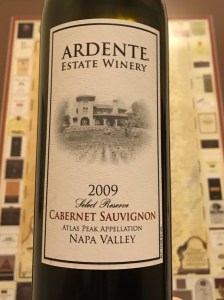
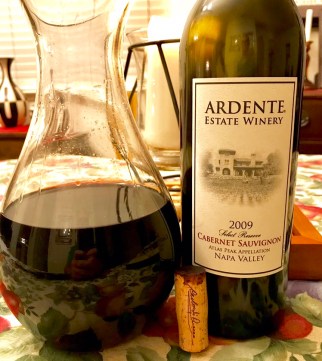
The wine? Ardente Estate Winery Cabernet Sauvignon Napa Valley 2009. Not just Napa Valley, though. Atlas Peak Napa Valley! Online sources price this bottle at as much as $55.00. Jerry’s Winevana price? $11.99. Score!

img_0738-1

Ardente Estate Winery was established in 1996, on 20 acres in the hills of Atlas Peak. Their website proclaims: “ardente [ar’ dεnte]From the latin for pyre; a burning desire, passionate, flaming. This is the word that Carlo Di Ruocco felt best described his relationship to the land and the wine that is his “Ardente”.”

Information about the 2009 vintage is scarce; that was the last year the webpage was updated; but sometimes all you need to know about a wine is how it tastes. Euphoric. Heavenly. Otherworldly. Spectacular! If you enjoy a solid, rich, full-bodied Napa Cabernet, seek out this angelic being. Here are my notes:

img_0737-1

This is a spectacular Napa Cab. Deep purple color with slight ruby rim. On the nose, enticing aromas of creme de cassis, blackberry, and soft oak. After a quick 30 minute decant, the flavors exploded on the palate: ripe blackberry, black cherry, plum, cassis, and chocolate melding with vanilla, oak, and hints of ripe raspberry. The tannins are velvety smooth, and the acidity medium and balanced. The rich, full mouthfeel complemented our grilled NY strip steak to perfection. The long finish of blackberry, cassis, and black pepper. Outstanding!

If you have a Winevana…I mean Grocery Outlet…store in your town, I encourage you to stop in. Your wine genie may not be named Jerry, but I’ll bet he or she is just as miraculous!

Cheers!

  • By Kent Reynolds
#WBC17, Barrel Tasting, Hanna Winery & Vineyards, Sonoma County, Wine, Wine Blog, Wine Tour

An Excursion to Hanna Winery & Vineyards #WBC17

img_1478

Our Wednesday evening drive over to Santa Rosa for the 10th Annual Wine Bloggers Conference (#WBC17) was dark and rainy. We were unsure what to expect when we awoke Thursday morning for our excursion to Hanna Winery and Vineyards; other than an exciting and educational winery tour, and delicious catered meal with wines to match, of course.

Thursday dawned dry and only partly cloudy. It was a perfect day for a trip to wine country. As we rode on the bus out to Alexander Valley and the Hanna Winery and Vineyards Tasting Room, we saw the results of the devastation of the fires that had ravaged the area just weeks before. Yet we also saw the rebuilding that had already begun. With the sun peeking through the clouds, we could almost feel the hope and resilience we saw around us.

img_1475-1

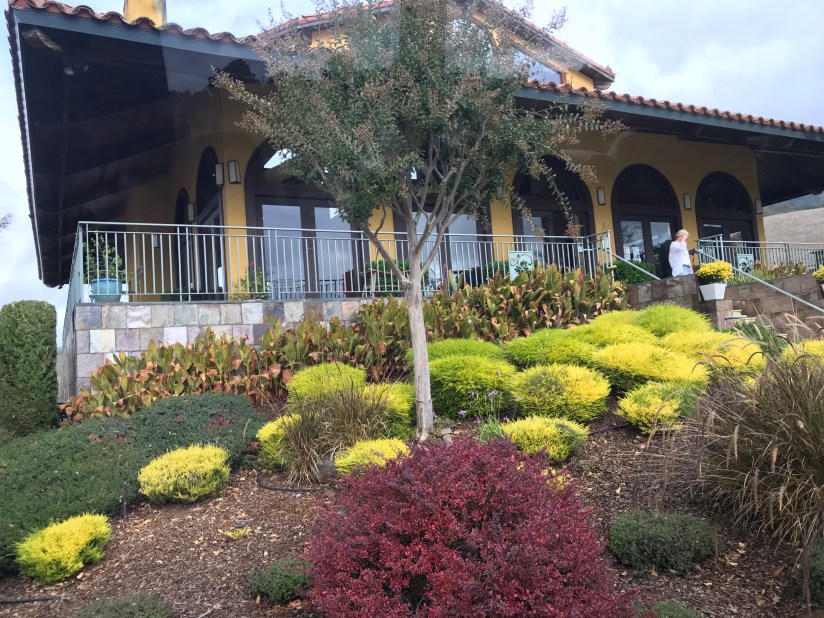
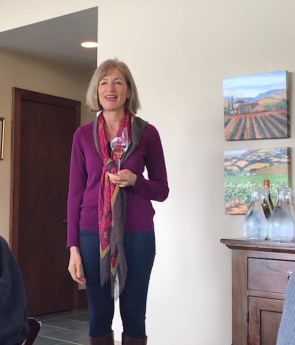
The drive through the autumn colors of the vineyards was breathtaking, and turning up the driveway to climb the hill to the Tasting Room we were taken by the beauty. Hanna Winery and Vineyards sits atop a hill with a 360 degree of the surrounding valley. The views were amazing! As we entered, we were greeted by friendly, smiling staff with a glass of Sauvignon Blanc. Soon, our host, Christine Hanna welcomed us and provided some history of the family winery.

img_0338-1

This slideshow requires JavaScript.

Founded in 1985 by Dr. Elias Hanna, Christine’s father, the land was originally planted to French Colombard grapes. Soon, the family discovered that the land was well-suited to other grapes that could be crafted into world-class wines. As the operation grew, Christine took the reigns as president in 1993, and has continued to lead the way as the winery has grown and expanded its influence.

img_0348

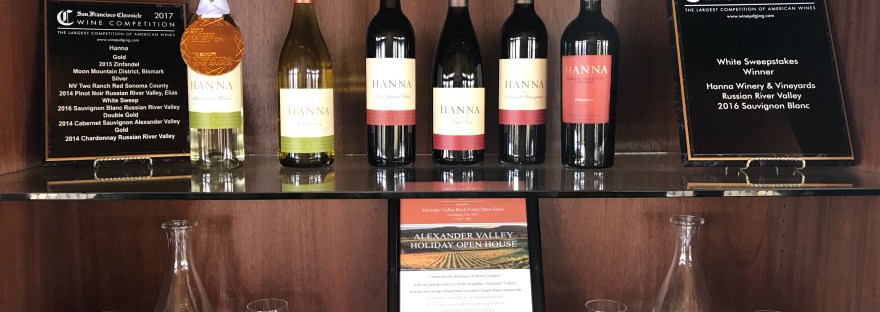
Hanna Winery and Vineyards wines are estate grown on three vineyards in the area. In the Russian River Valley, the flagship Home Ranch Vineyards grows Chardonnay and Pinot Noir on its 25 acres, while Slusser Road Vineyard, 50 acres in size, is planted to Sauvignon Blanc and Chardonnay. Red Ranch Vineyard, in Alexander Valley, is 88 acres of Cabernet Sauvignon, Merlot, Malbec, and Petit Verdot. Bismark Mountain Vineyard, high in Sonoma Valley in the Moon Mountain AVA, grows Zinfandel and Bordeaux varietals.

Christine related the story of how, in an effort to develop the Bismark Mountain Vineyard site, she had to overcome the challenges of accessing a high mountain site without the benefit of such amenities as roads and electricity. Helicopters were involved, and she was successful in bringing this spectacular vineyard into existence.

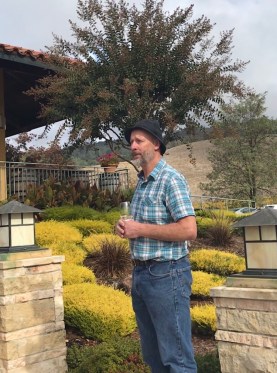
Christine introduced us to Hanna’s winemaker, Jeff Hinchliffe, who took over the presentation and eventually led us down to the fermentation and barrel room on site for some barrel tasting. Jeff has been the winemaker since 1998. He explained how the varying terrain of the vineyards influences the flavor and profile of the grapes and wines. Jeff is clearly passionate about winemaking, while remaining distinctly humble. Jeff says that “wine will make itself, if you let it.” Jeff is especially enthusiastic about Malbec. He says Malbec wines are easy to make, but the grapes are not easy to grow. Still, he and Hanna Winery are quite successful at it, and produce a number of Malbec varietal wines. In addition, their Cabernet blend contains 25% Malbec.

img_0341-1

Perhaps the highlight of the barrel tasting was our opportunity to sample one of the rarest vitis vinifera grapes in the world. Once common in Bordeaux wine production, St. Macaire was virtually wiped out by the phylloxera epidemic, and thought to be extinct. However, St. Macaire was not ready to be relegated to an historic footnote. Jeff discovered that a nearby vineyard had a half-acre planted to the grape. The vineyard owner provided some cuttings, and Jeff planted a half-acre of St. Macaire at Hanna. They plan to release their first vintage of this wine soon, but we were able to get a taste of the still-developing juice. The wine is inky purple, nearly black in color. Though still very young, with high acidity and tight tannins, the wine was aromatic and flavorful. At this stage, there were significant green, spicy, vegetal notes along with some black fruit. Jeff asked around the room for descriptors. Responses included cassis, eucalyptus, and menthol. I hope to get a sample of the finished product once bottled and released.

Back upstairs and into the tasting room, it was time for a delightful lunch. The table was exquisitely set, and the multiple stemware glasses at each place setting spoke of good things to come! The meal was exquisitely catered by Chef Heidi West, with each course paired with one or two Hanna Winery selections.

The meal was superb, the setting spectacular, and the hosts unparalleled in warm hospitality. Enjoy the photo montage of the meal, and try not to drool on your screen!

FIRST COURSE PLATED

2015 Hanna Russian River Chardonnay

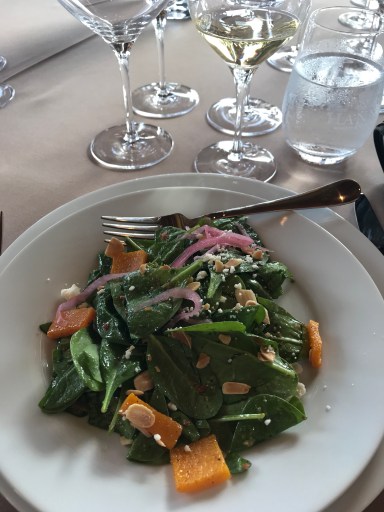
Baby Spinach Salad with Roasted Butternut Squash, Toasted Sliced Almonds, Pickled Red Onion and Warm Bacon Dressing

img_0350

MAIN COURSE FAMILY STYLE

2015 Elias Pinot Noir/2014 Alexander Valley Cabernet Sauvignon

Porchetta with Salsa Rosamarina, Soft Creamy Polenta with Fresh Corn, Marscapone, Pecorino and Parmesan

Haricot Vert with Extra Virgin Olive Oil and Sea Salt

DESSERT PLATED

2014 Bismark Cabernet Sauvignon

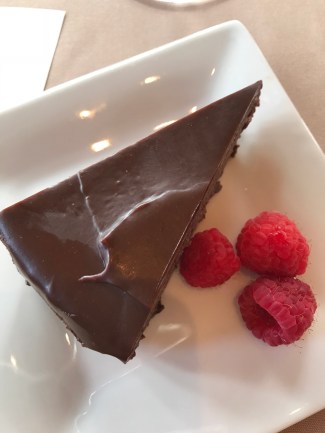
Flourless Chocolate Cake with Fresh Raspberries

img_1493

If you are in Sonoma County wine country, it’s definitely worth a trip to visit the fantastic people at Hanna Winery and Vineyards. Take in the spectacular views, and enjoy some amazing wines.

img_1488

Cheers!

  • By Kent Reynolds
  • Photos by Kent Reynolds and Robyn Raphael
LoCA, Lodi Winegrape Commission, National Zinfandel Day, Wine, Wine Review, Wine Tasting, Zinfandel, Zinfandel Advocates and Producers

Celebrating National Zinfandel Day in Lodi Style
Though Zinfandel is not the most popular varietal wine, it is certainly one of my favorites! I may have waded into my wine journey pool with Pinot Noir, but when I first tasted a quality, red Zinfandel wine, it was like diving head first from the high dive!

Today is the third Wednesday in November, which means it’s National Zinfandel Day! In celebration, I encourage all of you to drink some Zinfandel today. You’ll be glad you did! Done right, Zinfandel is a balance of bold, fruity, and spicy. It is a great wine to pair with food, especially casual fare, making it the perfect bottle to crack open on a Wednesday evening. Pizza, burgers, barbecue, steak, and even rich chicken dishes all pair with Zinfandel.

old-vine-social
Photo Credit: VinePair

The Zinfandel Events website, powered by ZAP (Zinfandel Advocates and Producers), has this to say:

“Bold and celebratory, independent and unpretentious, versatile and individual, Zinfandel has charted a course all its own, and National Zinfandel Day offers many ways for our members to chart their own course to help celebrate and draw positive attention for America’s Heritage grape.”

“Zinfandel Day is a worldwide celebration of the Zinfandel grape variety, intended to give Zinfandel lovers around the globe a platform to express their passion for grape and the wines made from it.”

Throughout California, Zinfandel grows well in a number of regions. It was introduced in the Sierra Foothills during the California Gold Rush by resourceful entrepreneurs who realized the hoards of miners were getting mighty thirsty in their backbreaking quest for riches.  They were right. Zinfandel gained a strong foothold, and is now knows as “America’s Heritage grape.

One of the most famous Zinfandel regions in California is Lodi. In fact, Lodi has declared itself the Zinfandel Capital of the World. Roughly 40% of the Zinfandel grapes grown in California come from the Lodi AVA. That’s about 110,000 acres under vine, tended by 750 grape growers!

Over the years, Zinfandel’s reputation has ebbed and flowed. We all know about the White Zin craze that started in the 1970s. In fact, I’d bet that White Zin was the first wine many of you tried. I know I drank my fair share of it before my first Pinot Noir encounter! As more wine drinkers started embracing red Zinfandel, and production increased in the Central Valley, many Zinfandels produced were in the jammy, high-alcohol, fruit-bomb style. You know the ones; open with corkscrew, consume with tablespoon! Jammy! While the masses loved this style, more discerning wine lovers abandoned Zinfandel. (Is my snobby showing?)

It is true that during this time, more subtle and restrained versions of Zinfandel were available in other California regions, and even some from the Central Valley, they were somewhat difficult to find, and often outside the price range of the average consumer. In recent years, however, a group of Lodi producers have started to revisit the more nuanced, minimalist approach to Zinfandel. The Lodi Native Project started as a collaborative project by six Lodi wine growers who are committed showcasing the merits of the heritage plantings. Their goal is to highlight the terroir of the vineyards themselves, and to produce small, artisan wines that reflect the character of the grape.

Just in time National Zinfandel Day, I received two samples of Lodi Zinfandel for review. Both were subtle, restrained, and delicious. I can heartily recommend either, or both.

 img_0331

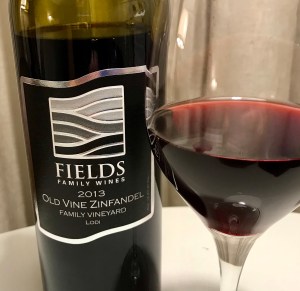
Fields Family Wines 2013 Old Vine Zinfandel – Family Vineyard

Mokelumne River AVA

Retail: $28.00

Brick color with pale ruby rim. Earthy nose with restrained raspberry and cherry aromas. On the palate, bright, juicy flavors of raspberry, bing cherry, and plum, with spice, black pepper, and a hint of licorice. Medium body and tannins with a bite of zesty acidity. The finish lingers with red fruit and spice. We paired this with Margarita pizza and it was delightful. A very nice example of what Lodi can do with a lighter, more restrained version of Zinfandel.

 img_0478

Tizona by Bokisch 2014 Old Vine Zinfandel – Kirschenmann Vineyard

Mokelumne River AVA

Retail $32.00

Deep ruby color with brick rim. On the nose, soft aromas of blackberry bramble, black cherry, and a hint of anise. This is going to be something special! On the palate, the magic continues with a soft, round mouthfeel and flavors of blackberry jam, black cherry, white pepper, and baking spice. The tannins are silky smooth, and there is light acidity. The finish goes on for days, with raspberry and spice notes. This one went down way too easily with a combo pizza. Noticing a trend? We really don’t eat that much pizza! But…Zinfandel! This easily falls into the category of best Zinfandels I’ve ever had! Spectacular!

Head on over to the Zinfandel Events page for five suggestions on ways you can participate in the celebration today. On the top of the list, of course, is “Share a Bottle with Your Friends!” I can’t think of any better advice!

Please share in the comments what bottle (or bottles) you opened for National Zinfandel Day!

Cheers!

(Both of the wines in this article were submitted for review. I received no other compensation, and all reviews, opinions, and observations are my own.)

  • By Kent Reynolds