Birthdays, Cava, Champagne, Cremant, Holidays, January, Prosecco, Wine

Holiday Bubbles for January Birthdays

Oh, those pesky January birthdays. They are always overshadowed by the holiday season that precedes them. Family and friends are partied out from New Year’s Eve, Christmas, Hanukkah, Thanksgiving, and other holidays that span from November through the first of January. The earlier in the month, the worse it is.

Robyn and I are both January babies. My birthday falls mid-month, while Robyn’s is at the beginning, just days after New Year’s Day. When I was a kid, my birthday was always disappointing. Sure, my parents tried to make it special. I had parties, outings to pizza parlors, and all the usual kid-birthday adventures. Nevertheless, the general rule was, toys and cool stuff on Christmas; socks, pants, and shirts on my birthday. What self-respecting 8 year old kid looks forward to a new pair of jeans?

As Robyn recounts, family birthday dinners were the norm, but parties not so much. With an early January birthday, school was still out for the winter holiday, so she missed out on the schoolroom buzz and excitement. So often her friends were out of town or otherwise spending the post-holiday season with their families.

So, what do you do when you have a January birthday? How do you compensate for living in the shadow of such major, resource-depleting holidays? You celebrate your birthday for six to eight weeks, starting with Thanksgiving! When fortune shone on us, and we were offered samples of four sparkling wines this past fall, we knew exactly what to do. As we popped the corks throughout the season, we toasted and celebrated our upcoming birthdays.

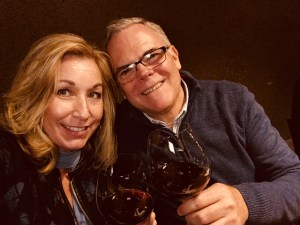
As you can see from the photos, we didn’t just limit ourselves to birthday celebrations on the high holidays. Some of the nights, we were more spontaneous and busted out the birthday bubbles with a mid-week meal.

We hope you enjoy sharing our birthday celebrations in the images below. The wines were samples. We received no other compensation. All opinions and review notes are our own.

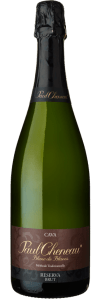
For our first birthday celebration, we opened a Paul Cheneau Cava Reserva Blanc de Blancs Brut, and paired it with sautéed cilantro-lime shrimp and a spinach salad for a mid-week meal.


CheneauReservaBrutBOTSLIDER

Paul Cheneau Cava Reserva Blanc de Blancs Brut

Golden color in the flute. Vigorous tiny bubbles tickle the nose. Aromas of apricot, yeast, and nutty notes. Flavors of pear, yellow apple, almond, and hints of tangerine and pineapple with soft vanilla notes on the finish. Super dry and crisp; a very refreshing Cava that paired very well with sautéed cilantro-lime shrimp and a spinach salad with bacon-vinegar dressing.
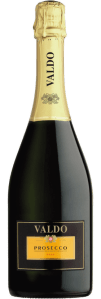
When we opened the second bottle, a Valdo Prosecco Brut, Christmas season was in full swing. The halls were decked, the Christmas music playing, and it was finally cold enough in NorCal to light a fire in the fireplace. Time for wrapping gifts, and popping some bubbles!


https://www.instagram.com/p/BdEIBpNH2aP/?taken-by=appetite_for_wine

ValdoBrutProseccoBOTSLIDERt

Valdo Prosecco Brut

Bright golden color. A steady stream on tiny bubbles rises to the rim. Aromas of ripe apricot and tangerine. On the palate there are flavors of apricot, pear, apple, and hints of citrus, along with notes of yeast and almond. Lively acidity makes this quite refreshing and light. A perfect pairing with gift wrapping, whether Christmas or January birthday gifts.
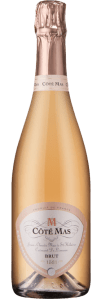
On Christmas day, it was time for something French. My parents were visiting, and loved the idea of combining Christmas and birthday, and celebrating with a lovely Rosé sparkler. (Wait, maybe they just thought it would get them out of buying me a birthday present.) To honor the day, and to get the celebration started, we popped the cork on a Côte Mas Cremant De Limoux Brut Rosé St. Hilaire.


CoteMasCremantRoseBOTSLIDER

Côte Mas Cremant De Limoux Brut Rosé St. Hilaire

Salmon color in the glass. An abundance of tiny bubbles flow from the bottle and carry on in the glass. Aromas of strawberry and rose petals. On the palate there are flavors of raspberry, strawberry, red currant, and cotton candy. Creamy mouthfeel and bright acidity lead to a crisp, bright, red-fruit finish. Perfect with Christmas toasts, or birthday celebrations.
With Christmas behind us, our sights now turned to New Year’s Eve. International Champagne Day. Naturally, we’d want to ring in 2018 with genuine champagne, right? Wrong! Robyn’s birthday was just days away, and we decided to save the bubbles from the most famous sparkling region in the world for her special day. Instead, we headed over to our local wine shop and picked up a domestic brut to toast the New Year.

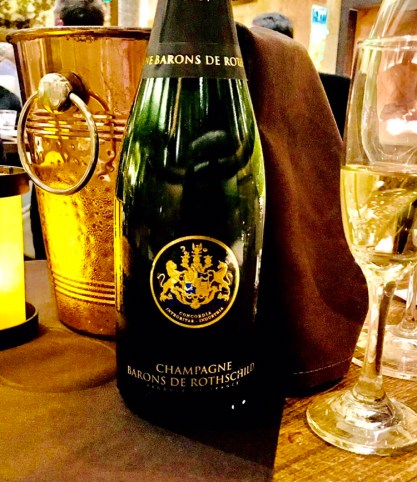
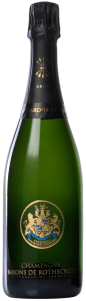
Finally, the time came to celebrate a January birthday on its actual day. Dinner reservations at a local, romantic restaurant made, we chilled a bottle of Barons de Rothschild Champagne Brut to bring with us and toast to another year of life. The hostess was kind enough hold our champagne we stopped in the bar for a pre-birthday-dinner cocktail.
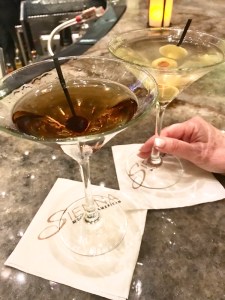
img_0638

When we took our seats at our dining table, our bottle was waiting for us in an ice bucket. Our server expertly released the cork, and also did double-duty as birthday photographer!

img_1993

BDR_Brut_Bottle

Barons de Rothschild Champagne Brut

Golden straw color. Soft fruit aromas of floral, apricot and pear. On the palate there are flavors of yellow apple, Bartlett pear, apricot, and cream. Bright acidity and vigorous bubbles liven the tongue. The finish is stone fruit with hints of elderflower, almond, and cream. The perfect sparkler to celebrate a January birthday!
The champagne was the perfect accompaniment to our evening, and it was excellent with my seared-scallop risotto. To end the evening, the pastry chef even wrote “Happy Birthday” in chocolate on the plate with our crème brulee.

img_0649

Do you have a January birthday? Let us know in the comments how you like to celebrate to ensure your day isn’t lost in the holiday fervor.

Cheers!

  • By Kent Reynolds & Robyn Raphael


Christmas, Gift Exchange, InZINerator, Wine, Wine Review, Zinfandel

Christmas Miracle! A Review of InZINerator 2003

The office Holiday Party gift exchange. You know the drill. Everyone who wants to participate brings a wrapped gift to the conference room. Each person draws a number, and the festivities begin. In numerical sequence, gifts are selected. Gifts can be stolen, but a limited number of times before they are “dead,” and the final possessor is the owner.

Recently, the trend has been “white elephant” gift exchanges. No, you can’t go out and buy something. You have to bring something you already own, but is no longer useful to you. So it was at my office Holiday Party this year. With the all-important rule established: two steals and the third person in possession is the owner, we were ready to get the party started.

I never do well at these events, usually coming home with a gawdy picture frame or some “As Seen on TV” gadget that never works as advertised. Compounding the anxiety was the fact that I was the new guy in the office, having just started this job three weeks earlier. Still, these gift exchanges are always fun, and a great way to get to know my new coworkers, and superiors, in a more relaxed setting.

Numbers were drawn. The tension mounted as Number 1 scanned the table for some hidden gem. They say one person’s junk is another’s treasure. Would he score? Would his new prize possession be snatched from his fingers by Number 2, or some other “come-lately?” Selection made, Number 1 tore into the bag. A tacky vase. Delightful. Cue hilarity and excitement!

As so it went. Bags and boxes opened. Gifts stolen, then stolen again and deemed dead; the proud, final owner beaming with joy. Finally it came to me. I had drawn Number 13. Would 13 be lucky for me this time? Alas, this was a “white elephant” exchange. What were the chances that someone would deem wine “no longer useful?” With a sigh in my heart, but eager anticipation on my face, I reached in for the slender, rectangular box. Sure, it was the right size, but what are the odds? Besides, this was an office party and I didn’t yet know if this company had the dreaded “no alcohol on the premises” policy.

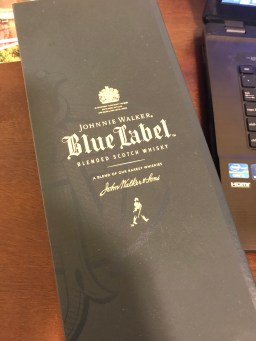
Tearing into the wrapping paper, I was stunned! What’s this I see? Johnnie Walker Blue Label? Really?? Had I just scored a nice bottle of Scotch? Naw, who would “white elephant” Scotch? Well, there are always a few who don’t get the memo and actually bring nice, new gifts. Fingers crossed, I lifted the lid.

img_0614

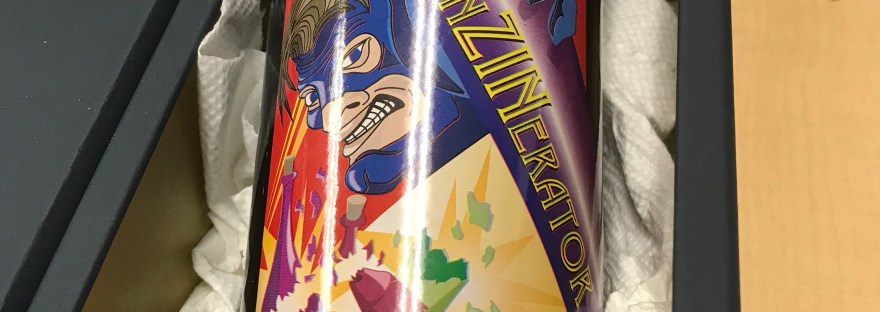
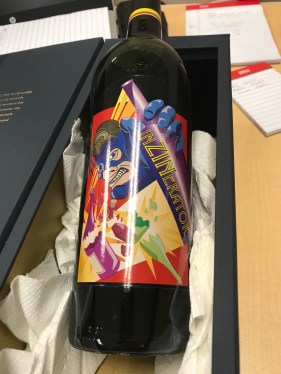
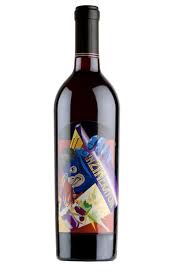
No Scotch, but…wine!! Score!! As to the donor? Who knows, maybe someone who gave up the drink. Or didn’t know what they had. Kind of like an Antiques Roadshow for wine. Regardless, I was now the proud owner of a bottle of 2003 InZINerator Zinfandel.
53541007394__53b3eacc-62b2-4db5-bde9-285f7ff22e1a

For now.

With nearly 30 people participating, the chances of a steal were real and serious. Lots of my new coworkers were eyeballing my prize. They clearly didn’t know that they were staring down Kent-the-wine-blogger. We don’t call this “Appetite for Wine” for nothing!

Remember Number 1, the guy with the tacky vase? Well, Number 14 apparently has a thing for tacky vases, and right after my turn, stole it from Number 1. So immediately after the thrill of my victory, I suffered the agony of defeat as Number 1 deftly lifted my beloved InZINerator from my clutches. Curses! Foiled again.

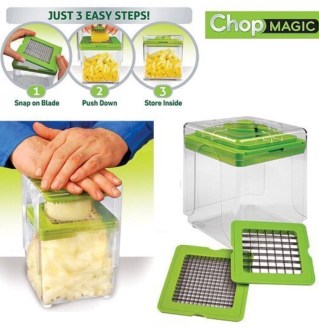
Now faced with stealing or drawing, I selected another wrapped box. Nothing left remotely resembling the shape of a wine bottle, so I went for an unassuming square box. Ah, there it is…the “As Seen on TV” Chop Magic!

img_0625Now I love to cook, but I prefer slicing and dicing with my kitchen knives. I actually find it relaxing and cathartic. So this is how it’s going to be. Stuck with yet another gadget that I’ll never use. Seriously, who would steal this from me?
Around the room it went. With each new number, the dissatisfied masses held their gifts high, hoping to entice a steal. Nobody even took a second look at my Chop Magic. Until…wait…what? Number 23 took a liking and stole my chopper!

It was a Christmas miracle! The fates smiled on me that glorious day! Yes, the HR rep moderating the event confirmed that it is permissible to steal back a gift. Number 1, my wine if you please. And so it was over. I was the third and final owner of this cherished bottle.

Part of the Super Hero Wines line, InZINerator is produced by Scott Harvey Wines. Zinfandel is not known for age-worthiness, so honestly I was a little apprehensive about a 14 year old bottle. Fear not!

img_0626Ruby color with brick rim. Aromas of raspberry and plum with smoky notes. Flavors of ripe blackberry, stewed plum, raspberry, and baking spice, with notes of milk chocolate, white pepper, and vanilla. Tannins, as expected, are velvety soft and smooth, and the acidity is surprisingly bright. The finish lingers with blackberry, plum, and spice. Excellent!!
May the Spirit of Christmas shine bright on each of you.

Cheers!

  • Text and photos by Kent Reynolds
  • Holiday wishes by both Kent and Robyn
Alexandra Farber, Cabernet Sauvignon, nakedwines.com, Napa, Wine, Wine Review

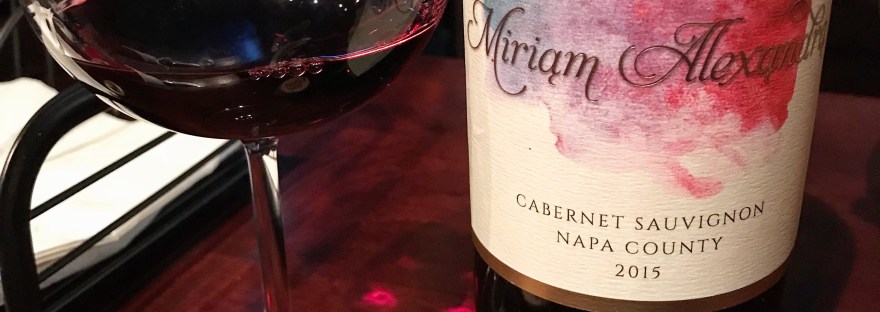
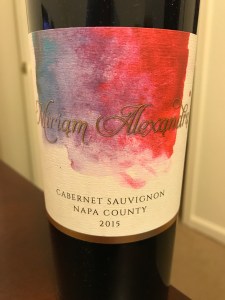
Review: Miriam Alexandra Cabernet Sauvignon, Napa County, 2015

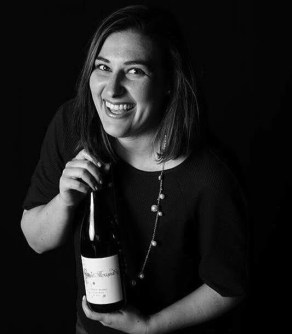
By now you probably know that I am a long-time customer of NakedWines.com. One of the things I like about the NakedWines.com business model is that the company encourages employees, who have an interest in winemaking, to pursue their dream. A number of wines available through NakedWines.com are made by winemakers who also hold staff positions within the company. One such winemaker is Alexandra (Alex) Farber, who produces her wines under the Miriam Alexandra label. Alex’s first wine was a 2014 California Chenin Blanc. Prior to tasting that wine, my only knowledge of Chenin Blanc was my memory of the jugs of cheap wine my folks would drink when I was little. My first taste of Alex’s Chenin opened my eyes to the wonder of  today’s Chenin Blanc, and sparked an appreciation for this amazingly delicious wine! I’ve enjoyed three successive vintages of Alex’s Chenin Blanc, each one better than the last. This year, Alex released her first red wine, a 2015 Napa County Cabernet Sauvignon. When I saw it, I knew I had to try it.

5a6d1818-a259-4642-bef3-09678561e461-1548-00000110f318099d_file

I have had the pleasure of meeting and visiting with Alex on several occasions. Recently I had the opportunity to ask her about her story, and her journey into winemaking. My first question was about the label name, Miriam Alexandra. The “Alexandra” is pretty obvious, but where does the “Miriam” name come from? Her response is interesting, and sheds some insight into her entry into the wine business.

Alex

Miriam Farber was my great-grandmother. She was an Art institute of Chicago graduate, and an incredible artist. She did lots of watercolor, and that is where the inspiration of my label comes from. Alexandra, was my mom’s first choice of first names for me, but didn’t like the way Alexandra Miriam sounded, and liked the idea that on a resume my name could be written as M. Alex Farber (gender neutral!), so I could go under the radar and be a successful female in business. Times have changed a little bit since then, so showcasing my full name was very important to me. Hence, Miriam Alexandra on my label.

How long have you been in the wine business, and how did you get your start?

I went to Davis for college and entered straight from high school into the V & E program. I worked my way through every quarter getting further away from all the pre-med pre-rec. classes and closer and closer to the wine classes. They were so interesting, challenging, and fun. So, I just kept going. Eventually graduating and getting an internship in Napa.

Do you have a family history in wine?

There is no family history in wine, other than lots of drinkers! I come from a family full of insurance brokers, bankers, lawyers, and accountants.

When did you bottle your first wine, and what varietal or style was it?

My first wine was bottled with NakedWines.com, my Chenin Blanc! I learned to make Chenin Blanc during my three year stint with Pine Ridge Vineyards as their Enologist. I spent those years in the Clarksburg Chenin Blanc vineyards and it is the wine I really wanted to make on my own with my own twist.

Have you worked at any wineries other than NakedWines.com?

Yes, I started as a harvest intern the summer/fall after I graduated from Davis at Trefethen Family Vineyards, I then went down to Chile and worked for Veramonte Wines, came back and was harvest enologist for Trefethen (for a year!), then did a very short time over the summer with Round Pond Estate, and finally took a full time job as Enologist for Pine Ridge Vineyards. Ultimately, I wanted to do something more than just be in the lab, I wanted to be in the vineyards, work with winemakers to learn more, and contribute more to the wine industry, that is when I found NakedWines.com, and I have been working here since then. Both as a winemaker and now as our Head of Planning.

What is your favorite grape varietal? Why?

This is such a tough question for me to answer. If you are asking me what I like to make the most, it’s probably Cabernet Sauvignon. It is so expressive of place, it tells its own story through the winemaking process, and I love the age-ability. If you’re asking me what I like to drink the most? It’s Grenache, Syrah, Rhone Varietals, Pinot Noir, Champagne – a variety of its own :).

When Alex isn’t busy making wine and fulfilling her staff duties at NakedWines.com, she is committed to giving back to the community. Two projects she is passionate about are Service Dogs, and empowering young girls to become strong, independent women. To further the first passion, Alex is raising Maui, an energetic and adorable Black Lab puppy. She told me how she got involved in this project:

Maui
Isn’t he cute?

I have been involved with puppy-raising for Guide Dogs for the Blind out of San Rafael for quite a few years now. I took a break after having shoulder surgery, and recently wanted to get back into it. An opportunity came up with a fellow guide dog raiser, who is now training diabetic alert dogs, to take Maui for a few months as a puppy. He is now about 8 months old, and is well on his way to becoming a canine diabetic alert dog for a type 1 diabetic child.

In Alex’s other project, she serves on the board of directors of the Napa and Solano County chapter of Girls on the Run. Alex said that she wanted to get involved in the non-profit world so she could give back to the community in a way that would provide life-changing impact on young peoples’ lives. She found Girls on the Run, an after school program for girls in grades 3 through 8, that teaches life skills and promotes individual identity. Through exercise, discussion, and teaching, the 10-week program empowers the girls, develops an appreciation for health and fitness, and provides important skill they will carry throughout their lives. Alex started as a volunteer Life Coach, meeting with girls twice per week. Once she started her job with NakedWines.com, she had fewer hours available to volunteer, so she became a board member. She’s been on the board for about three years now, and says the organization will impact more than 1,000 girls in 2017.

Finally, I asked Alex if she wanted to add anything else about her exciting journey into winemaking. Here’s what she had to say:

Because of NakedWines.com, I had the opportunity to become a winemaker much sooner than I had ever dreamed of, and it has been so incredible. I had four vintages of wine as a winemaker under 30! Without the support of Angels, and their trust in me as a winemaker, I wouldn’t have ever been able to make the wine I get to make today. It’s been such an honor and I can’t wait to continue making wine.

So now that you know a bit more about Alex, the winemaker, let’s explore Miriam Alexandra Cabernet Sauvignon Napa County 2015, the wine.

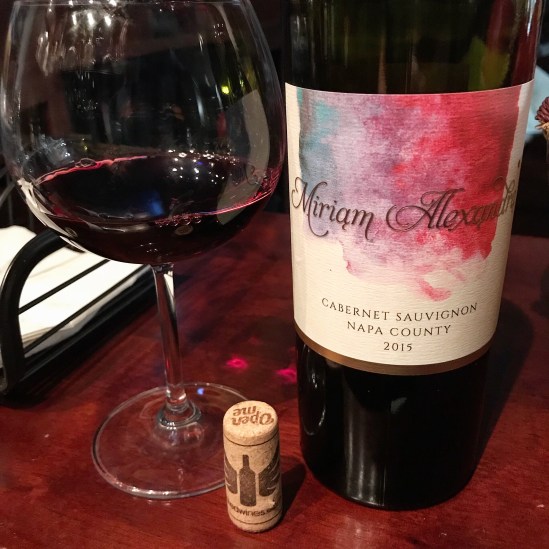
img_0303

The wine is a deep purple color with a brick colored rim. The nose is a delight of blackberry, cassis, and oak aromas. On the palate, I was greeted with flavors of fresh blackberry, cherry, cassis, oak, and vanilla, with some red currant and chocolate notes. As expected for such a big, yet young wine, the tannins are firm and edgy, providing a mouth-drying punch but offering a deep, pondering complexity. The tannins will soften with age, but if you can’t wait, I recommend at least an hour decant before tasting. With medium acidity and mouthfeel, the finish lingers long with black fruit, spice, and vanilla. With aging potential of 5-10 years, or longer, this is a spectacular value for a Napa Cab.

I brought this to a house party a few weekends ago, and we opened and tasted it sans food. Everybody enjoyed the wine, and commented on the solid fruit structure and compexity. Once we drained this bottle, the hosts opened a different Napa Cabernet, a 2012 from a small boutique winery in Napa. They boasted that their bottle set them back $80 (4x the Angel price for Alex’s offering.) While the 2012 was nice and had good fruit flavor, it lacked the oomph, complexity, and structure of the Miriam Alexandra. I can imagine that in a blind tasting, Miriam Alexandra would beat out the older boutique wine.

Though I didn’t get to taste this bottle with food, this is a wine that would pair exceptionally well with a marbled rib-eye or prime rib. The fat would help tame the tannins and the wine would enhance the deliciousness of the meat. Fortunately, I have a few more bottles, so I can experience the magic of the meal I just recommended.

If you would like to try one of Alex’s wines, click on this link, or the logo below, to receive a voucher worth $100 of a first-time order of $160 or more.

NW Logo

Cheers!

  • By Kent Reynolds
#WBC17, Bucket List, Thomas George Estates, Wine, Wine Cave

Dinner in a Cave! #WBC17

Dinner in a wine cave. Check! One more thing off the bucket list!

img_0410-1

We had a lot of amazing experiences at this year’s Wine Blogger’s Conference in Santa Rosa, California. However, the unparalleled highlight was the Friday evening dinner at Thomas George Estates. When the list of dinner excursions was published several weeks earlier, we scanned the host wineries’ websites, and noticed that Thomas George Estates has a wine cave. A telephone call to the winery confirmed the WBC Dinner would be held in the cave. We made our reservation immediately!

With eager anticipation, we boarded the luxury wine-tour bus and settled into the plush leather seats. Under the soft mood lighting, we enjoyed the short ride to the winery. Upon arrival, we stepped off the bus and into the cavernous entryway of the cave.

There, we were warmly greeted by Thomas George Estates staff, who handed us each a glass of their 2014 Brut Blanc de Blancs. We sipped this delightful sparkler while visiting with our fellow diners, and nibbling on Hors D’Oeuvres including house-made cured meats, and roasted and marinated vegetables.

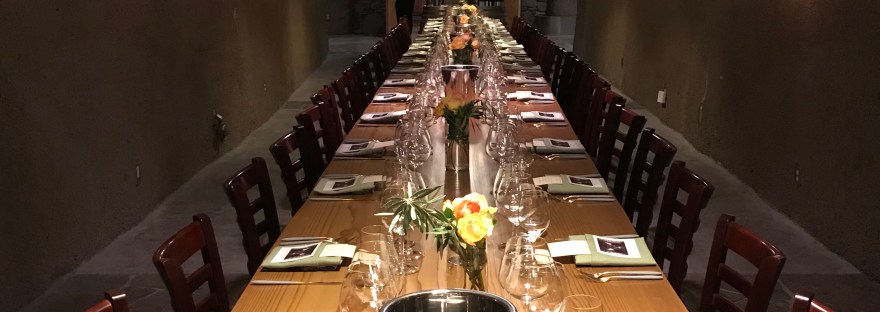
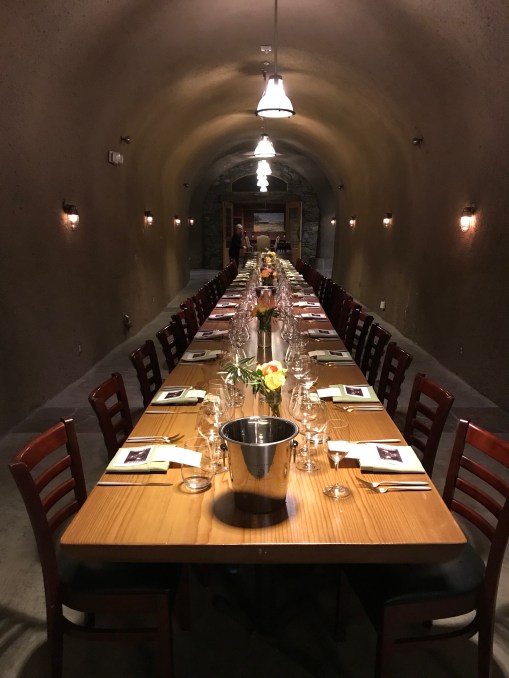
Soon enough, we were summoned to the dining table, located in a long corridor in the cave. The service was excellent, the wine free-flowing, and the food exquisitely prepared. We both agree this was among the top five meals we have ever experienced; and toward the top of that list, to boot! The first course was a roasted Brussels Sprouts salad with Black Pig Bacon, Asian pear, Marcona almonds, aged sherry vinegar, and Bohemian Creamery Capriago. This amazing salad was paired with the Thomas George Estates 2015 Chardonnay, Sons & Daughters Vineyard. It was during this course that we learned that all the pork served during the evening was hand-raised by our chef, Duskie Estes, of Zazu Kitchen & Farm in Sebastapol, California. Now that’s farm-to-fork, local food!

The main course was Cracklin’ Pork Belly (from our friendly neighborhood porker) with Star Anise Liberty Duck; a full leg quarter; served over black rice, with pomegranate and watercress. I wasn’t sure what to expect with the pork belly, but I was not disappointed! As much as I love duck, this crispy chunk of heaven was out of this world! Paired with the Thomas George Estate 2014 Pinot Noir, Baker Ridge Vineyard, this was an entrée and pairing worth writing home about!

Amid friendly conversation, ample refills, and boundless frivolity, I wondered if it could get any better. Leave it to the good folks at Thomas George Estate and Zazu Kitchen & Farm to up the ante with dessert. Backyard Quince & Apple Tartin with Bourbon Gelato. Why, yes, I believe I will. Paired with the most amazing 2012 Late Harvest Viognier from Baker Ridge Vineyard, I thought I’d died and gone to heaven. Just look at the color of that Viognier! Divine!

Even after dinner, the hospitable staff kept our glasses filled, until it was time to, sadly, re-board the bus for the ride back to the hotel. But first, swag bags! We each received a gift of a bottle of Thomas George Estates 2016 Rosé of Grenache, a numbered bottle of their Baker Ridge Vineyard Olive Oil (delicious), and for a longer-lasting keepsake, a Thomas George Estates t-shirt.

img_1540

Back on the bus, we basked in the afterglow of a magical, memorable evening. One we will not soon forget.

Cheers!

  • By Kent Reynolds
  • Photos by Kent Reynolds & Robyn Raphael
#WBC17, Barrel Tasting, Hanna Winery & Vineyards, Sonoma County, Wine, Wine Blog, Wine Tour

An Excursion to Hanna Winery & Vineyards #WBC17

img_1478

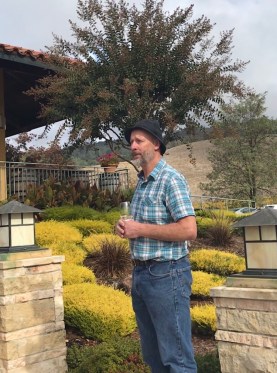
Our Wednesday evening drive over to Santa Rosa for the 10th Annual Wine Bloggers Conference (#WBC17) was dark and rainy. We were unsure what to expect when we awoke Thursday morning for our excursion to Hanna Winery and Vineyards; other than an exciting and educational winery tour, and delicious catered meal with wines to match, of course.

Thursday dawned dry and only partly cloudy. It was a perfect day for a trip to wine country. As we rode on the bus out to Alexander Valley and the Hanna Winery and Vineyards Tasting Room, we saw the results of the devastation of the fires that had ravaged the area just weeks before. Yet we also saw the rebuilding that had already begun. With the sun peeking through the clouds, we could almost feel the hope and resilience we saw around us.

img_1475-1

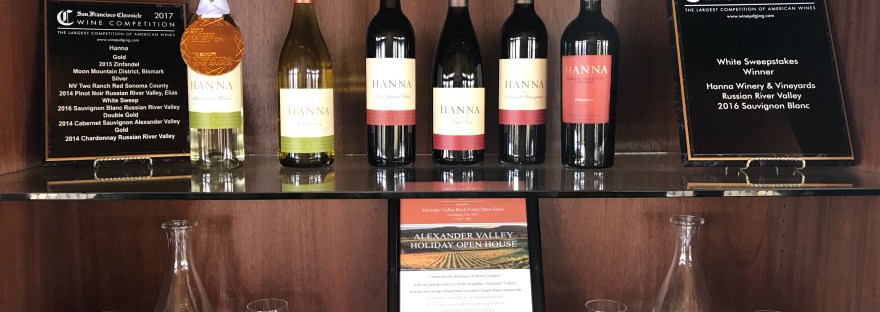
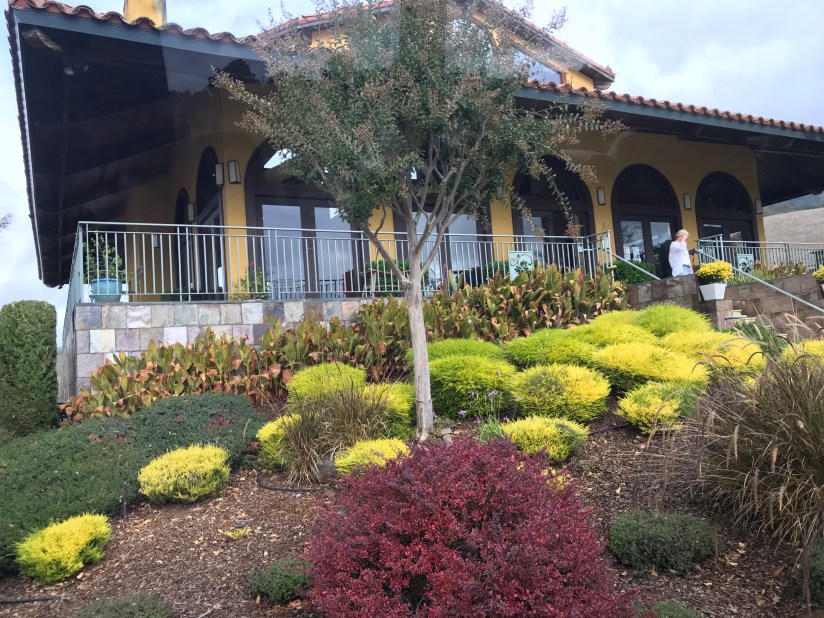
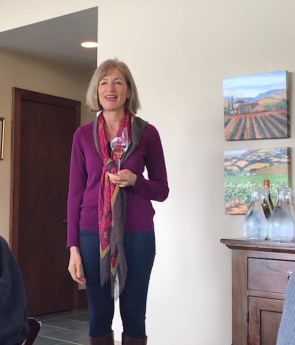
The drive through the autumn colors of the vineyards was breathtaking, and turning up the driveway to climb the hill to the Tasting Room we were taken by the beauty. Hanna Winery and Vineyards sits atop a hill with a 360 degree of the surrounding valley. The views were amazing! As we entered, we were greeted by friendly, smiling staff with a glass of Sauvignon Blanc. Soon, our host, Christine Hanna welcomed us and provided some history of the family winery.

img_0338-1

This slideshow requires JavaScript.

Founded in 1985 by Dr. Elias Hanna, Christine’s father, the land was originally planted to French Colombard grapes. Soon, the family discovered that the land was well-suited to other grapes that could be crafted into world-class wines. As the operation grew, Christine took the reigns as president in 1993, and has continued to lead the way as the winery has grown and expanded its influence.

img_0348

Hanna Winery and Vineyards wines are estate grown on three vineyards in the area. In the Russian River Valley, the flagship Home Ranch Vineyards grows Chardonnay and Pinot Noir on its 25 acres, while Slusser Road Vineyard, 50 acres in size, is planted to Sauvignon Blanc and Chardonnay. Red Ranch Vineyard, in Alexander Valley, is 88 acres of Cabernet Sauvignon, Merlot, Malbec, and Petit Verdot. Bismark Mountain Vineyard, high in Sonoma Valley in the Moon Mountain AVA, grows Zinfandel and Bordeaux varietals.

Christine related the story of how, in an effort to develop the Bismark Mountain Vineyard site, she had to overcome the challenges of accessing a high mountain site without the benefit of such amenities as roads and electricity. Helicopters were involved, and she was successful in bringing this spectacular vineyard into existence.

Christine introduced us to Hanna’s winemaker, Jeff Hinchliffe, who took over the presentation and eventually led us down to the fermentation and barrel room on site for some barrel tasting. Jeff has been the winemaker since 1998. He explained how the varying terrain of the vineyards influences the flavor and profile of the grapes and wines. Jeff is clearly passionate about winemaking, while remaining distinctly humble. Jeff says that “wine will make itself, if you let it.” Jeff is especially enthusiastic about Malbec. He says Malbec wines are easy to make, but the grapes are not easy to grow. Still, he and Hanna Winery are quite successful at it, and produce a number of Malbec varietal wines. In addition, their Cabernet blend contains 25% Malbec.

img_0341-1

Perhaps the highlight of the barrel tasting was our opportunity to sample one of the rarest vitis vinifera grapes in the world. Once common in Bordeaux wine production, St. Macaire was virtually wiped out by the phylloxera epidemic, and thought to be extinct. However, St. Macaire was not ready to be relegated to an historic footnote. Jeff discovered that a nearby vineyard had a half-acre planted to the grape. The vineyard owner provided some cuttings, and Jeff planted a half-acre of St. Macaire at Hanna. They plan to release their first vintage of this wine soon, but we were able to get a taste of the still-developing juice. The wine is inky purple, nearly black in color. Though still very young, with high acidity and tight tannins, the wine was aromatic and flavorful. At this stage, there were significant green, spicy, vegetal notes along with some black fruit. Jeff asked around the room for descriptors. Responses included cassis, eucalyptus, and menthol. I hope to get a sample of the finished product once bottled and released.

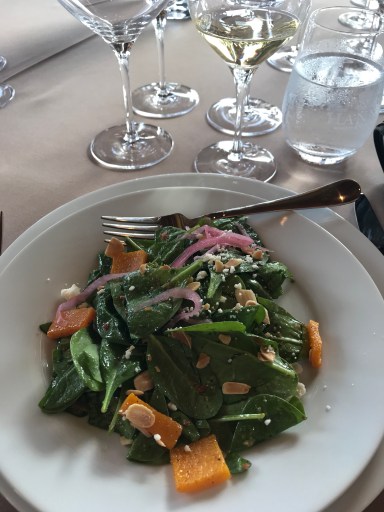
Back upstairs and into the tasting room, it was time for a delightful lunch. The table was exquisitely set, and the multiple stemware glasses at each place setting spoke of good things to come! The meal was exquisitely catered by Chef Heidi West, with each course paired with one or two Hanna Winery selections.

The meal was superb, the setting spectacular, and the hosts unparalleled in warm hospitality. Enjoy the photo montage of the meal, and try not to drool on your screen!

FIRST COURSE PLATED

2015 Hanna Russian River Chardonnay

Baby Spinach Salad with Roasted Butternut Squash, Toasted Sliced Almonds, Pickled Red Onion and Warm Bacon Dressing

img_0350

MAIN COURSE FAMILY STYLE

2015 Elias Pinot Noir/2014 Alexander Valley Cabernet Sauvignon

Porchetta with Salsa Rosamarina, Soft Creamy Polenta with Fresh Corn, Marscapone, Pecorino and Parmesan

Haricot Vert with Extra Virgin Olive Oil and Sea Salt

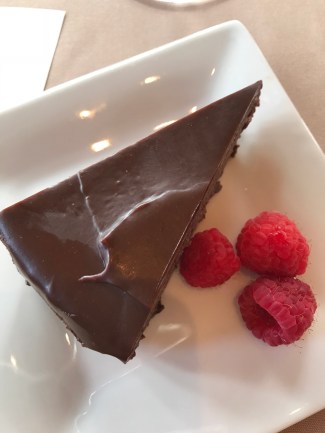
DESSERT PLATED

2014 Bismark Cabernet Sauvignon

Flourless Chocolate Cake with Fresh Raspberries

img_1493

If you are in Sonoma County wine country, it’s definitely worth a trip to visit the fantastic people at Hanna Winery and Vineyards. Take in the spectacular views, and enjoy some amazing wines.

img_1488

Cheers!

  • By Kent Reynolds
  • Photos by Kent Reynolds and Robyn Raphael
#MWWC36, Biodynamic, Environment, MWWC, Organic, Wine

Organic & Biodynamic Wines and the Environment – #MWWC36

word-art-2

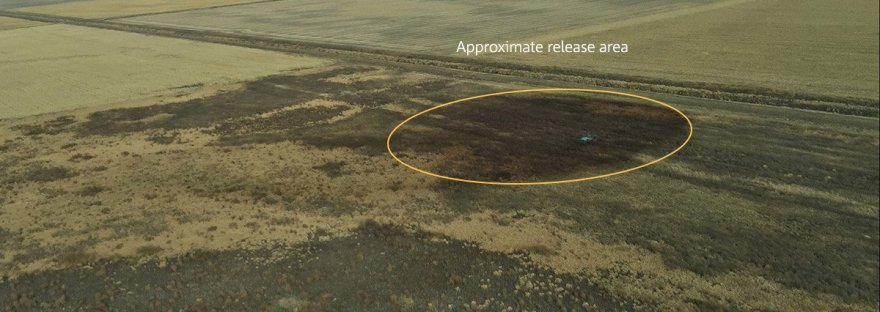
Sometimes procrastination pays off. As I was pondering the topic for this month’s Monthly Wine Writing Challenge, Environment, and trying to determine what I would write, the Keystone Pipeline leaked some 210,000 gallons of oil. That’s about 5,000 barrels! Regardless of your opinion on the pipeline, I think we can all agree that spilling crude oil is not a positive event for the environment.  

What does this have to do with wine? Nothing, really. However, it got me thinking about how we can continue to function in the modern, industrialized world while being good stewards of the environment in which we live. Therein lies the connection to wine.  

Monthly Wine Writing Challenge

Modern agricultural operations, including vineyards, incorporate the use of things like chemical fertilizers and genetically modified organisms. Opinions vary on these topics, often passionately, and I am not here to argue any particular viewpoint. I simply want to lay a foundation and present some facts. “Just the facts, ma’am.” 

Just the Facts Ma'am

The use of fertilizers, herbicides, and pesticides have had positive effects on farming over the years, by increasing yields, and reducing damage done by insects and other pests. However, these same chemicals can leach into water tables or run off into nearby waterways, which can cause damage to desirable plants and animals, and contaminate  food and water supplies for human consumption. In recent years, many farmers have become more environmentally conscious, and are turning to natural or organic methods to control pests and increase yields.  

In viticulture, organic and biodynamic farming practices have taken root (pun intended 🙂) and are becoming more and more popular. Both methods are chemical-free, and emphasize soil health to ensure optimum growing conditions. Increasingly, consumers are seeking out organic or biodynamic wines, which encourages farmers and producers to consider these practices from both an environmental and a social responsibility perspective.  

Organic farming is regulated in the United States by the Department of Agriculture, or USDA. In vineyard management, certified organic grapes are grown without the use of any synthetic additives, such as pesticides or fertilizers. All aspects of winemaking are included in certified organic wines, including yeast strains, fining agents, and any other materials used in the production of the wine. In the wine world, organic wines may have various degrees. From certified organic wines, to those made with organic grapes but may include non-organic additives. Biodynamic wines are, by their nature, also considered organic, but are taken to a higher level. Any and all of these farming techniques reduce the amount of harmful chemicals being used and released into the environment. 
Organic Seal - small

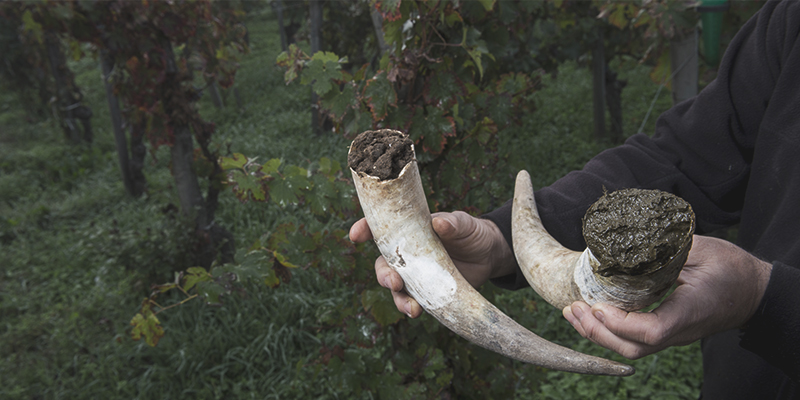
When I first heard of Biodynamic farming, I was a little skeptical. Well, that’s a bit of an understatement…I thought it was just weird. Hippie-dippie stuff. I mean, come on, planting and harvesting based on the phases of the moon and stars? Burying cows’ horns filled with manure? Seriously? However, the more I’ve learned about biodynamic vineyard management, the more I become a believer. Or at least accepting.  

Biodynamic Horns

Biodynamic farming embraces the idea that all things are interconnected in the universe. It takes the “Butterfly Effect” to the ultimate extreme. Applying this belief involves achieving balance between the vines, earth, moon, and stars. In practice, this holistic approach to farming includes such activities as adhering to a biodynamic calendar for farming activities, and yes, burying manure-filled cows’ horns (never a bull’s horn, apparently) in the ground over the winter, and then spreading the manure in the vineyards in the spring. The biodynamic calendar identifies four categories of days: Root, Fruit, Flower, and Leaf days. Fruit days are the best for harvesting grapes. Root days are for pruning. Flower days are rest days for the vineyard. And Leaf days are for watering. Some even extend the biodynamic calendar to the finished product, by drinking these wines only on Flower or Fruit days. Those ardent followers believe this is the reason the same wine may taste differently on different days.  

Do organic or biodynamic wines taste better? I’ve never noticed a difference. But then again, I’ve never done a blind tasting, comparing organic, biodynamic, and conventional wines. Perhaps I’ll do just that, and share my findings in a future blog post!  

Whether organic and biodynamic wines are better quality or not, the practices employed in producing them are arguably better for the environment. In my opinion, anything I can do to be a better steward of the planet on which we live is worthwhile. After all, it’s the only environment we have.  

Have you tried organic or biodynamic wines? Let me know, in the comments, what you thought of them. 

Cheers!  

  • By Kent Reynolds
Beaujolais Nouveau, Chardonnay, Oregon Wine, Pinot Noir, Riesling, Sparkling Wine, Thanksgiving, Wine, Wine Pairing

The Daily Meal Article: The Ultimate Thanksgiving Meal Requires Oregon Wine

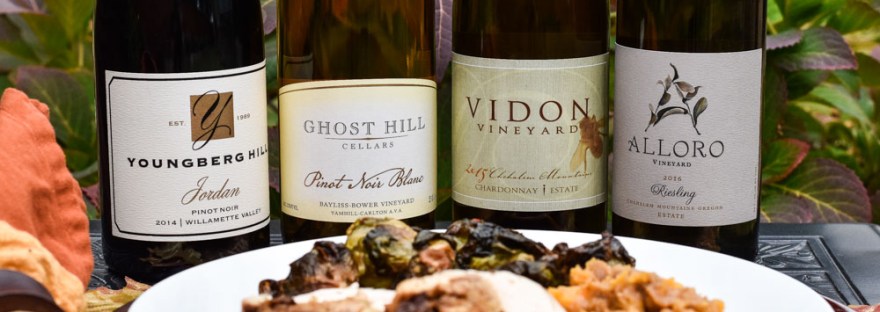
Here is a fantastic article by Michelle Williams, of the Rockin’ Red Blog. Like her, my Thanksgiving table will feature a variety of wines, though not all from Oregon. We will enjoy Pinot Noir, Beaujolais Nouveau, Chardonnay, Dry Riesling, and of course, Bubbles!

Let me know what you’ll be serving with your dinner.

May you have a blessed and joyful Thanksgiving day! Cheers!

Michelle Williams's avatarROCKIN RED BLOG

Thanksgiving is almost upon us. It is a day that centers around possibly the most important meal of the year. It is also a complicated meal featuring a wide variety of textures, spices, and flavors. A daunting meal to prepare, much less pair with wine. Some try to go the dangerous one wine route. I like to have multiple wines on the table to make the most of each component of the meal. In my latest article for The Daily Meal I share how four high quality wines from Willamette Valley will meet all your Thanksgiving meal needs.

View original post 107 more words

LoCA, Lodi Winegrape Commission, National Zinfandel Day, Wine, Wine Review, Wine Tasting, Zinfandel, Zinfandel Advocates and Producers

Celebrating National Zinfandel Day in Lodi Style

Though Zinfandel is not the most popular varietal wine, it is certainly one of my favorites! I may have waded into my wine journey pool with Pinot Noir, but when I first tasted a quality, red Zinfandel wine, it was like diving head first from the high dive!

Today is the third Wednesday in November, which means it’s National Zinfandel Day! In celebration, I encourage all of you to drink some Zinfandel today. You’ll be glad you did! Done right, Zinfandel is a balance of bold, fruity, and spicy. It is a great wine to pair with food, especially casual fare, making it the perfect bottle to crack open on a Wednesday evening. Pizza, burgers, barbecue, steak, and even rich chicken dishes all pair with Zinfandel.

old-vine-social
Photo Credit: VinePair

The Zinfandel Events website, powered by ZAP (Zinfandel Advocates and Producers), has this to say:

“Bold and celebratory, independent and unpretentious, versatile and individual, Zinfandel has charted a course all its own, and National Zinfandel Day offers many ways for our members to chart their own course to help celebrate and draw positive attention for America’s Heritage grape.”

“Zinfandel Day is a worldwide celebration of the Zinfandel grape variety, intended to give Zinfandel lovers around the globe a platform to express their passion for grape and the wines made from it.”

Throughout California, Zinfandel grows well in a number of regions. It was introduced in the Sierra Foothills during the California Gold Rush by resourceful entrepreneurs who realized the hoards of miners were getting mighty thirsty in their backbreaking quest for riches.  They were right. Zinfandel gained a strong foothold, and is now knows as “America’s Heritage grape.

One of the most famous Zinfandel regions in California is Lodi. In fact, Lodi has declared itself the Zinfandel Capital of the World. Roughly 40% of the Zinfandel grapes grown in California come from the Lodi AVA. That’s about 110,000 acres under vine, tended by 750 grape growers!

Over the years, Zinfandel’s reputation has ebbed and flowed. We all know about the White Zin craze that started in the 1970s. In fact, I’d bet that White Zin was the first wine many of you tried. I know I drank my fair share of it before my first Pinot Noir encounter! As more wine drinkers started embracing red Zinfandel, and production increased in the Central Valley, many Zinfandels produced were in the jammy, high-alcohol, fruit-bomb style. You know the ones; open with corkscrew, consume with tablespoon! Jammy! While the masses loved this style, more discerning wine lovers abandoned Zinfandel. (Is my snobby showing?)

It is true that during this time, more subtle and restrained versions of Zinfandel were available in other California regions, and even some from the Central Valley, they were somewhat difficult to find, and often outside the price range of the average consumer. In recent years, however, a group of Lodi producers have started to revisit the more nuanced, minimalist approach to Zinfandel. The Lodi Native Project started as a collaborative project by six Lodi wine growers who are committed showcasing the merits of the heritage plantings. Their goal is to highlight the terroir of the vineyards themselves, and to produce small, artisan wines that reflect the character of the grape.

Just in time National Zinfandel Day, I received two samples of Lodi Zinfandel for review. Both were subtle, restrained, and delicious. I can heartily recommend either, or both.

 img_0331

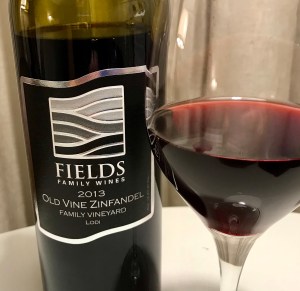
Fields Family Wines 2013 Old Vine Zinfandel – Family Vineyard

Mokelumne River AVA

Retail: $28.00

Brick color with pale ruby rim. Earthy nose with restrained raspberry and cherry aromas. On the palate, bright, juicy flavors of raspberry, bing cherry, and plum, with spice, black pepper, and a hint of licorice. Medium body and tannins with a bite of zesty acidity. The finish lingers with red fruit and spice. We paired this with Margarita pizza and it was delightful. A very nice example of what Lodi can do with a lighter, more restrained version of Zinfandel.

 img_0478

Tizona by Bokisch 2014 Old Vine Zinfandel – Kirschenmann Vineyard

Mokelumne River AVA

Retail $32.00

Deep ruby color with brick rim. On the nose, soft aromas of blackberry bramble, black cherry, and a hint of anise. This is going to be something special! On the palate, the magic continues with a soft, round mouthfeel and flavors of blackberry jam, black cherry, white pepper, and baking spice. The tannins are silky smooth, and there is light acidity. The finish goes on for days, with raspberry and spice notes. This one went down way too easily with a combo pizza. Noticing a trend? We really don’t eat that much pizza! But…Zinfandel! This easily falls into the category of best Zinfandels I’ve ever had! Spectacular!

Head on over to the Zinfandel Events page for five suggestions on ways you can participate in the celebration today. On the top of the list, of course, is “Share a Bottle with Your Friends!” I can’t think of any better advice!

Please share in the comments what bottle (or bottles) you opened for National Zinfandel Day!

Cheers!

(Both of the wines in this article were submitted for review. I received no other compensation, and all reviews, opinions, and observations are my own.)

  • By Kent Reynolds
#WBC17, Santa Rosa, Sonoma County, Wine, Wine Blogger Conference, Wine Cave Dinner, Winery

Pulling the Cork on WBC17

It was a dark and stormy night.

Snoopy

That seems an appropriate way to open a story about a trip to Santa Rosa, home to the Charles Shultz museum. Charles Shultz, of course, was the creator of the Peanuts comic strip, and everybody’s favorite beagle, Snoopy.

Our “easy” drive to Santa Rosa was hampered by the first significant rain storm of the season. The roads were slick, and glare from oncoming headlights was blinding, so everyone was driving extra cautiously. And slow. But we made it, and spent the last three days enjoying the activities and adventures of the 10th Annual Wine Blogger’s Conference, #WBC17.

WBC17Badge

It was our first time attending WBC, but it will not be our last! It was a fun, informative, and engaging event. This post will be a general overview of events, with more detailed posts of the highlights in coming days and weeks.

Our first event was an excursion to Hanna Winery. Located on a hilltop with gorgeous, sweeping views of the valley, Hanna Winery has been in operation since 1985. We were greeted by our host, Christine Hanna, who gave us some history, and then winemaker Jeff Hinchcliffe took us down to the barrel room for some tasting. Following this, we enjoyed an amazing lunch, paired with several Hanna wines. Welcome to Sonoma County, indeed!

Upon our return to Santa Rosa, we participated in a Wine Discovery Session with Mark Beringer, Chief Winemaker at Beringer Vineyards. He led us through a tasting of their Private Reserve Cabernet Sauvignon, starting with four of the single vineyard wines that go into the final blend. Once we had established the baseline, we “worked” our way through a decade vertical tasting of the Private Reserve wines, starting with 2014 and travelling back in time to the 2004, 1994, and finishing with the 1984 vintage. The evolution of these powerhouse wines was amazing to behold.

Later in the day, we journeyed around the world with A Study of Pinot Noir. Our tour guide was Senior Winemaker John Priest, from Etude Winery. He took us from Sonoma County, north to the Willamette Valley, then all the way south to New Zealand in our exploration of this incredibly versatile grape. It was a wonderful trip!

The wine education sessions were followed by an opening reception, where we met many of the bloggers we have been following, as well as new friends. Thus ended day one!

The following day, we attended educational seminars covering writing tips, legal and ethical issues, wine vocabulary, and developing relationships with wine companies. Lunch was hosted by El Dorado Wines. Nearly 30 El Dorado County winemakers lined the back of the conference room, and then poured samples of their wines.

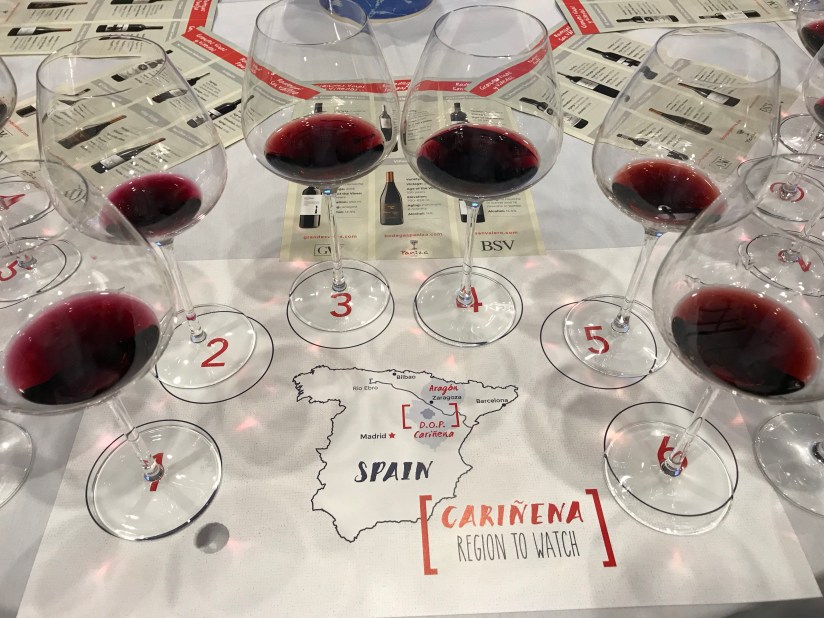
After lunch we enjoyed a Wine Education Seminar, presented by Lyn Farmer, about the “Region to Watch,” DOP Cariñena in Spain. We were immediately enamored with the region, and have added DOP Cariñena to our list of “Must Visit” destinations. We tasted through an amazing flight of Garnacha, with one Cariñena varietal wine (you may know it as Carignan) mixed in for interest. These are some amazing, affordable wines. You’ll want to try some as soon as possible!

img_0386

Following a captivating keynote address by Doug Frost, we participated in our first Live Wine Blogging event. Wineries get five minutes at each table to pour tastes, and we blogged, Tweeted, or Instagrammed our impressions of the wines. It was kind of like speed dating, but with wine! A high-energy and raucous time, we tasted some amazing wines! The Friday speed-tasting was whites and rosés.

Friday ended with what was the absolute highlight: a Wine Cave Dinner at the Thomas George Estate. It was a first class affair! It was an amazing, “check-it-off-the-bucket-list” adventure. We’ll write more about this later, but suffice it to say this was among best meals we have ever had!

This slideshow requires JavaScript.

Saturday opened with more educational sessions, including Social Media tips, photography and video, and panel discussions covering relations with PR firms, and ideas for monetizing a wine blog. (If you’re into that whole, making money doing what you love thing.) We also attended a presentation about the devastating wild fires that ravaged the area only one month earlier. The destruction was unprecedented, but the recovery and rebuilding has begun, and Wine Country is open for business.

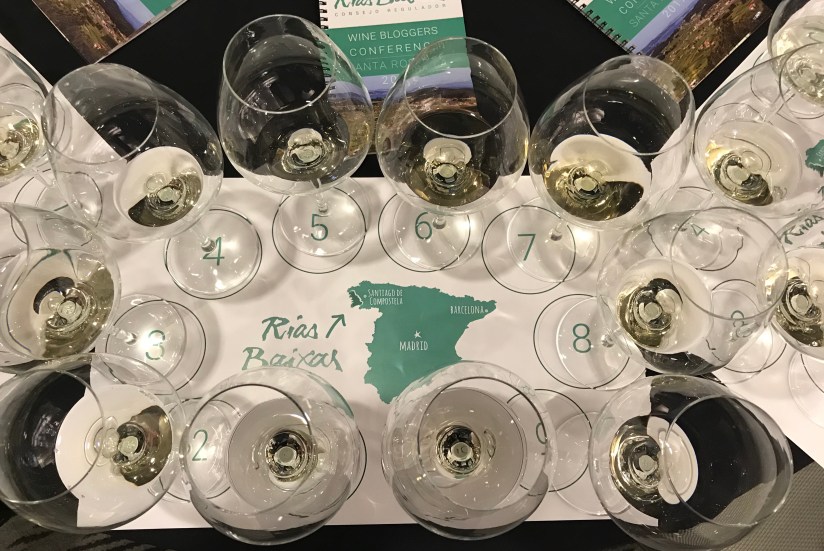
Following lunch, we returned to Spain with our host, Lyn Farmer, to explore DO Rías Baixas, and the spectacular Albariño wines being produced there. We tasted through 10 (yes, ten!) different expressions of this amazing white wine. I can’t say enough about Lyn Farmer and his friendly, comfortable teaching style and encyclopedic knowledge of Spanish wines.

img_0446

After another round of Live Wine Blogging, AKA speed-tasting, this time with red wines, the conference concluded with a banquet hosted by NakedWines.com. As you probably know, I am a long-time customer of NakedWines.com, so it was fun to see many of the winemakers and staff I have come to know over the years.

Even with all the fun and wine (did I mention we had wine?) the biggest take-away for us is the comradery, support, and encouragement that exists in the wine blogging community. From big name bloggers and writers, who have thousands of followers and are making a living writing about wine, to brand new members who have yet to post their first blog, we were warmly welcomed and embraced as part of the family.

Finally, the dates and location for next year’s Wine Blogger’s Conference were announced. Walla Walla, here we come! We hope to see you there!

Cheers!

  • By Kent Reynolds and Robyn Raphael


#WBC17, Fire Recovery, Santa Rosa, sonoma, Wine, Wine Blog, Wine Blogger, Wine Blogger Conference

We’re Off to the Wine Bloggers Conference #WBC17

And away we go!

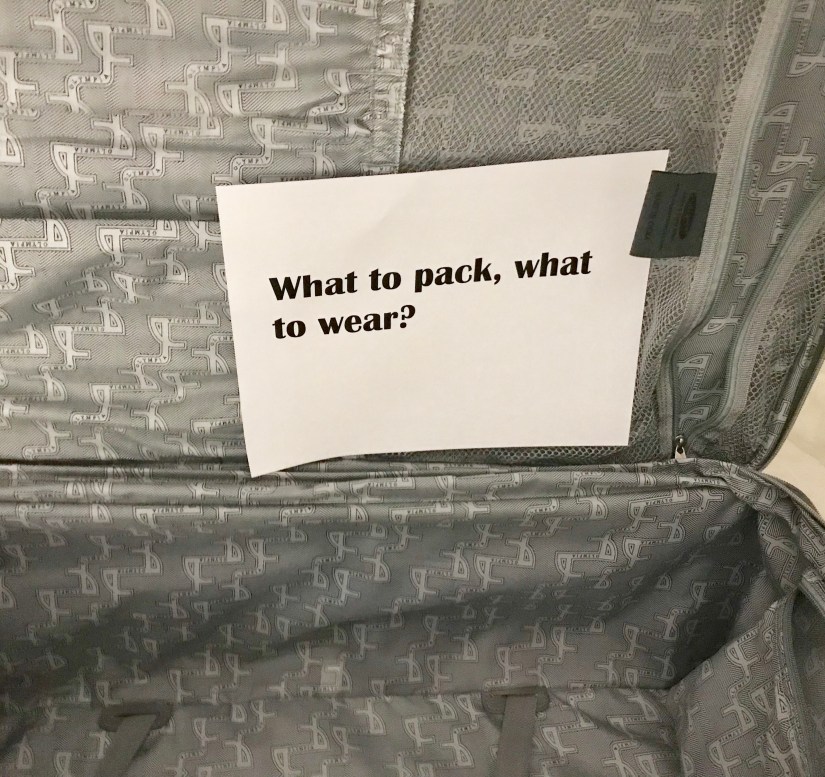
Tonight I am packing for the 2017 Wine Bloggers Conference. What to pack? What to wear?

img_1463

#WBC17 will be held in Santa Rosa, California, in the heart of Sonoma wine country, from Thursday, November 9 through Saturday, November 11. I’ll be in the company of my associate and fellow wine lover, Robyn Raphael. This will be our first time attending a Wine Blogger Conference. Last year, it was held in Lodi, just 45 minutes from my home, but scheduling conflicts prevented attending. Fortunately, the 2017 event is still local for us; just a 2 hour drive away! An easy trek compared to the cross-country or international travel many of my associates will endure. We are excited to be going, and looking forward to meeting so many of the bloggers we have been reading for several years.

WBC17Badge

As you may be aware, Santa Rosa, and much of the Napa and Sonoma wine regions, was ravaged by wildfires last month; historic fires that were the most destructing and deadly on record. Yet, the people there are resilient and strong, and are already in the process of rebuilding. The bloggers who will be descending on the region will be helping in the recovery in one of the most practical ways possible: visiting wineries, buying wines, and dining in the area restaurants. While the conference has been planned for more than a year, the timing, relative to the fires, allows attendees to dig deep and support the region.

Among other activities, we will be going on a wine excursion to Hanna Winery, complete with wine-pairing, catered lunch; a wine cave dinner at Thomas George Estates that will cross off a bucket-list item (dinner in a wine cave); and a banquet at the host hotel hosted by NakedWines.com. We will attend wine education sessions, including one hosted by Beringer Vineyards, in which we will experience a vertical decade tasting of their Private Reserve Cabernet, from 2014 all the way back to the iconic 1984 vintage; and an exploration of Pinot Noir, hosted by Etude Wines. There will be gourmet foods, and spectacular wines. I anticipate we will not want to come home!

Through it all, we will be attentive to the destruction, loss, and hardship around us. We will honor the resilience of the local residents. We will contribute to the recovery and rebuilding with our words and our wallets. We will unite as bloggers and journalists, and meet new friends. All in all, this will be an amazing weekend! We are grateful to be able to attend, and look forward to experiencing every moment.

If you are attending WBC17, we look forward to meeting you in person. If you aren’t, stay tuned for live-blogging updates, and follow along on Instagram or Twitter for up-to-the-moment coverage.

Cheers!

  • By Kent Reynolds and Robyn Raphael, 11/7/2017