Nestled on the southwestern slopes of the Haleakala volcano, just past a stretch of white-knuckle switchbacks, near the community of Ulupalakua, lies an oasis. A wine oasis. Yes, a wine oasis in Paradise!
We had been planning a trip to Hawaii, to include a few days on Oahu, then a week on Maui. Knowing that there are now wineries in all 50 states, we turned to Google to find out where might be the Hawaiian wineries. As luck would have it, right there on Maui, there is MauiWine. We contacted them in advance to arrange a tour and tasting, and General Manager Joe Hegele graciously offered to be our personal tour guide.
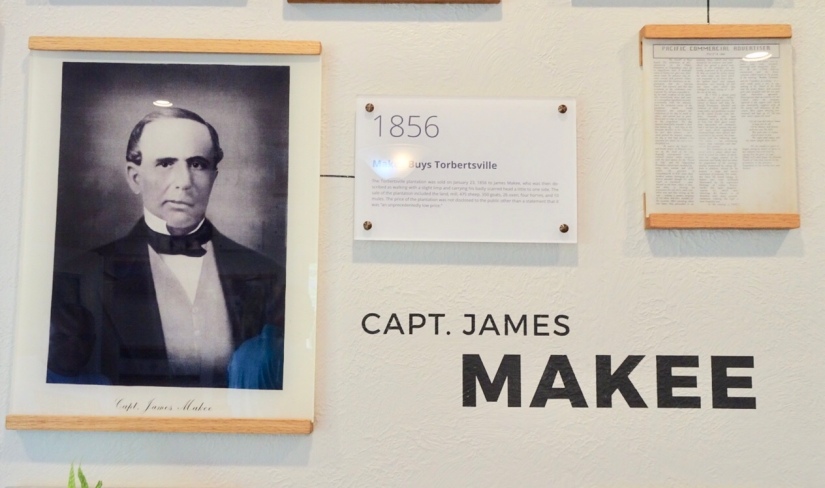
MauiWine’s story is rich in history and culture. The winery lies on a property formerly owned by Captain Makee, a whaling captain in the mid-1800’s. The story goes that Captain Makee spotted the land while passing by the south side of Maui on the way to Oahu. He committed to himself that one day he would live there.
Prior to Captain Makee owning the land, however, King Kamehameha III leased it to a rancher, L.L. Torbet, who established a plantation and ranch. Torbet raised potatoes, and during the California Gold Rush, bought a boat to carry his crop to hungry gold miners on the mainland. Unfortunately, his boat sank, and he lost everything.
Meanwhile, Captain Makee was having his own challenges. A crewman aboard ship, upset at being denied leave, snuck into Captain Makee’s cabin at night, and attacked him with a hatchet. The attack failed, the crewman escaped, and Captain Makee decided it was time to retire. After settling in Honolulu, he eventually followed through on his commitment to settle on the land he had seen on Maui. In January 1856, he purchased the Torbetsville plantation, establishing a home and cattle ranch.
Having survived the attempt on his life, Captain Makee came to understand that life is a gift, and devoted his days to celebrating life. He loved the local roses, Lokelani, and dubbed the property Rose Ranch. He soon became known for his hospitality and day’s long parties. Dignitaries, including Hawaiian King Kalakaua and Queen Kapiolani would visit for hula dancing, poker games, and relaxation.
Even today, the property is considered sacred ground. As you enter, in front of the King’s Cottage, you pass a hula circle, carved from cypress trees planted in the 1870’s for King Kalakaua, known as “the Merrie Monarch”, who would sit and watch hula dancers on that spot. The cypress trees stood for nearly 150 years, until a storm in 2012 brought two of them down. Local artist Tim Garcia, was brought in to carve the remaining trunks into representations of King Kalakaua, hula dancers, and vessels. Joe said that even to this day, ōlapa (hula dancers) from around the world will visit the MauiWine Hula Circle to perform their dances.
Joe has a long-standing connection to Rose Ranch. He was raised here from the age of five. Though he did head to the mainland to attend college and gain some work experience, he returned to Rose Ranch five years ago to manage winery operations.
Once known only for their pineapple wines, under Joe’s direction, MauiWine has undergone renaming, rebranding, and the expansion of their grape wine program. Though they do source juice from the mainland, their 16 acre vineyard is planted to several varieties, including Syrah, Grenache, Viognier, and Chenin Blanc.
Unlike most vineyards, where sun exposure is paramount to encourage ripening, the MauiWine vineyards biggest threat is fruit rot. With the humid climate in Hawaii, the vines and grape clusters here are pruned to encourage air flow. This includes a canopy management program focused on leafing, rather than shade, and fruit drop to open up the clusters. From flower to fruit set, they have about a 40% conversion rate. They have also been experimenting with grape shattering, which further reduces rot risk. All of the vineyards are harvested, then field sorted to ensure only the best fruit comes in. No sorting tables are used in the winery.
At about 2,000 feet elevation, and relatively short sun exposure; just 11 to 12 hours per day, despite to the tropical location, MauiWine is considered a cool climate vineyard, with average temperatures in the mid-70’s. The grape growing season on Maui runs from about January through August. The early season helps to avoid hurricanes, which could – and have – damaged crops.
On August 8, 2014, Hurricane Iselle made landfall on Maui. Harvest had begun, but the entire 6 acre Syrah crop remained in the vine. Winds from the hurricane blew the vines over and there was fear the crop would be lost. However, MauiWine put out a call on Social Media, and volunteers arrived to help. The harvest came in, and production went on as normal. It turned out the the vines were not severely damaged, and they continue to produce today.
When most people think of wine from Hawaii, they think of pineapple wine. And they’re not necessarily wrong. Pineapple is a year-round crop, which enables MauiWIne to run it’s production year-round as well. More than 84,000 pounds of Maui Gold pineapple is processed at MauiWine each month, and turned into three different styles of wine.
This may come as a surprise, MauiWine pineapple wine is NOT the syrupy sweet wine you may be expecting!We had the opportunity to sample all three pineapple wines offerings:
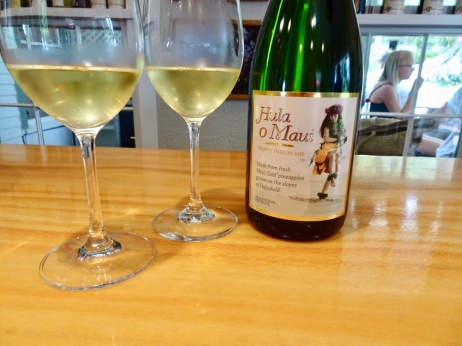
Hula o Maui – Pineapple Sparkling Wine
A brut sparkling wine made entirely of Maui Gold pineapple. Pale straw color, with vigorous streams of bubbles. Dry and fruity, and quite tasty. Produced in the traditional champagne method, this is a serious bottle of bubbles, that also doubles as a playful mixer for mimosas!
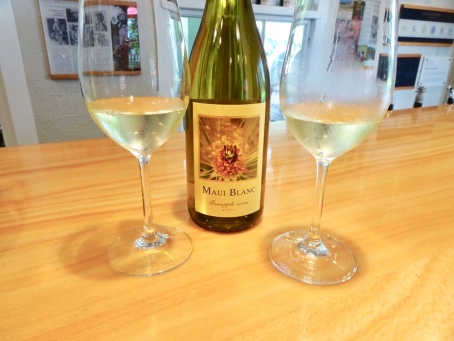
Maui Blanc – Off-dry Still Wine
Here’s a wine sure to please the Mosacto lovers in your party. Semi-dry but with plenty of character and depth. Also produced from 100% Maui Gold pineapple, this wine would pair nicely with spicy foods. This was the first wine produced by MauiWine, back in 1977, while waiting for their grape vineyards to mature. Don’t miss this one of a kind wine!
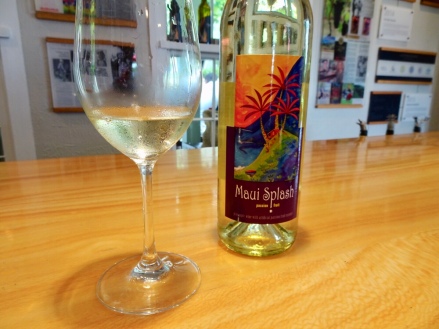
Maui Splash – Pineapple Wine infused with Passion Fruit
The sweetest of the trio, and perhaps the most popular. It retains the pineapple character, but adds a splash of tropical sweetness on the palate and finish. It’s like a day at the beach, in a glass. Great on it’s own, or add a splash of soda for a refreshing spritzer. In production since 1992.
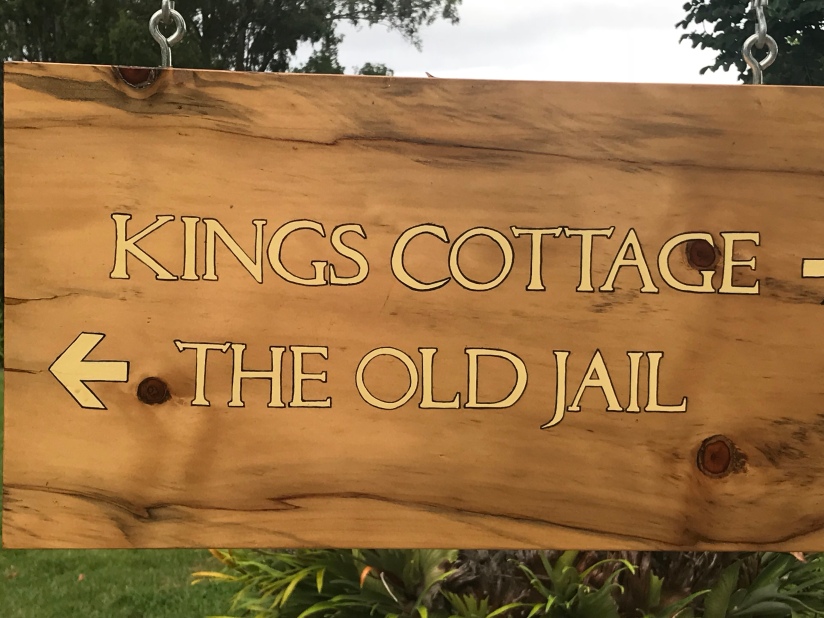
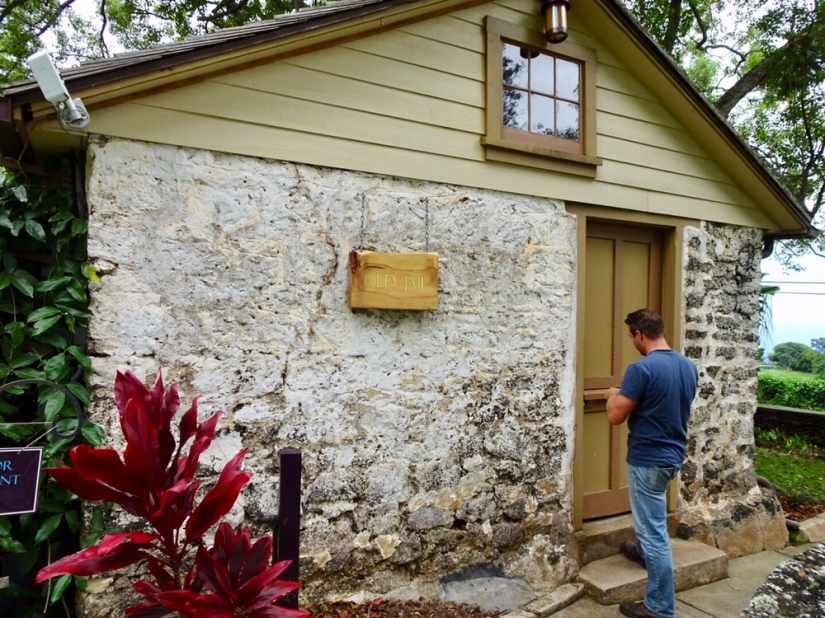
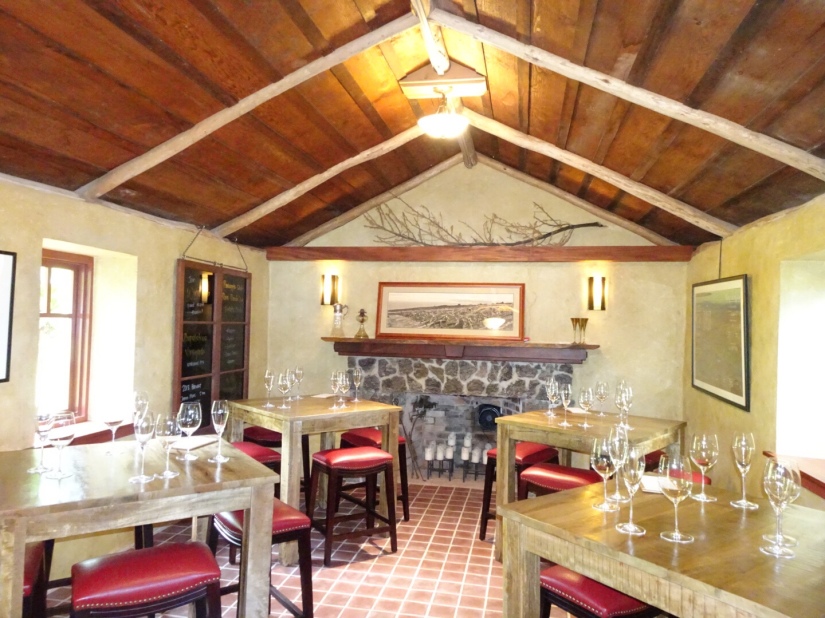
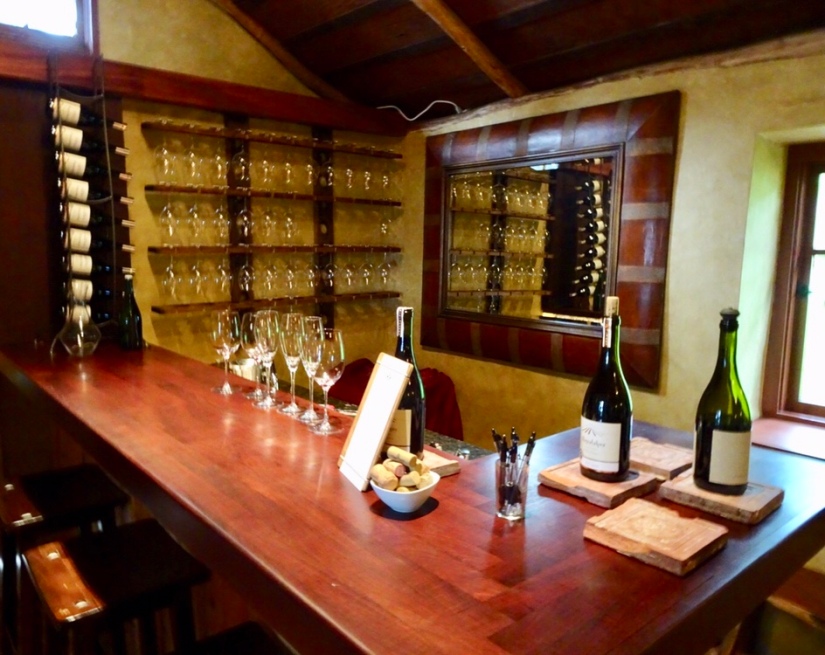
As good, and intriguing, as the pineapple wines were, the real treat of our visit was the personal tasting of the Rose Ranch Wine and Estate Wine lines. MauiWine is proud of their pineapple wine, and as we learned, there is good reason for that. Still, the vineyard is the passion project, and the one that intrigued us most. Joe hosted us in The Old Jail; an historic building on the property that was once, well, the local jail. MauiWine has updated the space nicely – no dank cells and bread & water here – this is as upscale a tasting venue as we’ve ever visited. While most guests enjoy tastings in the King’s Cottage tasting rooms, club members and others looking for a deeper experience may reserve personalized tastings in the Old Jail. Here, Joe poured us samples of the best that MauiWine has to offer.
No. 001 – Traditional Method Sparkling Wine
From the Estate Collection. A crisp, delicious wine, made from 60% Chardonnay and 40% Pinot Noir. The juice is sourced from California, from a well known Napa producer (but who cannot be named for proprietary reasons.) Vigorous streams of fine bubbles rise in the glass. Flavors of almond, yeast, and fresh-baked bread, with apple and pear, and a nutty finish. If I didn’t know this was a MauiWIne, I’d swear it was from Champagne!
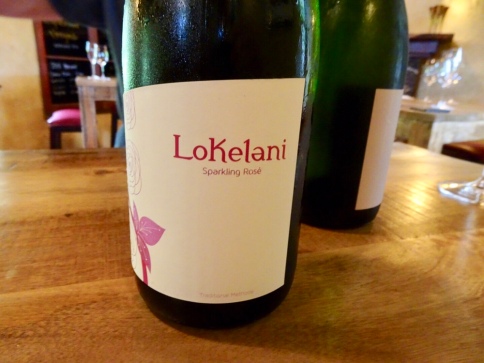
LoKelani – Sparkling Rosé
A Rose Ranch Wine Collection wine. A brut sparkling wine made from Syrah and Pinot Noir. Very pale pink. Honestly, neither of us would have known it was a Rosé if Joe hadn’t said so before pouring. Flavors of strawberry, cranberry, and some citrus notes. Quite a delight!
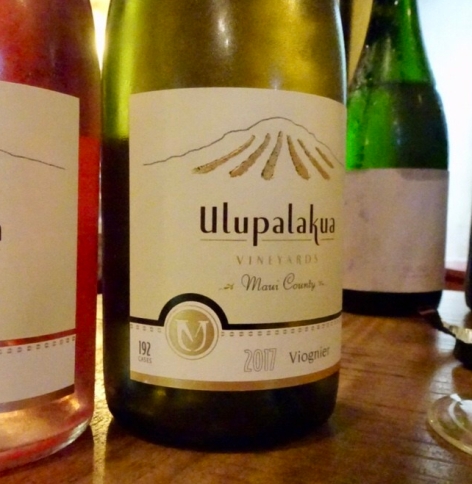
2017 Ulupalakua Vineyards Viognier
Another from the Estate Wines collection. We are big fans of well-made Viognier. And we’re now big fans of the Ulupalakua Vineyards Viognier! Dry, with floral aromas and flavors of apricot, citrus, and mineral notes, with a spicy finish.
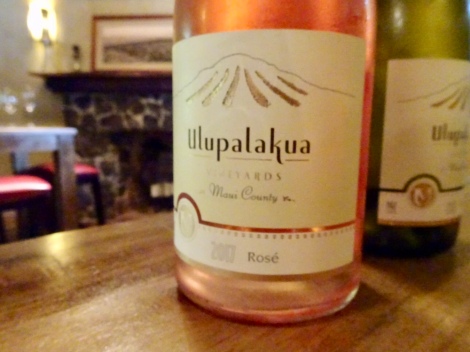
2017 Ulupalakua Vineyards Rosé
Estate Collection. A blend of 90% Syrah and 10% Grenache, and an interesting blend it is. The Syrah from Block 2 is farmed specifically to be vinified into Rosé, in the maceration method; harvested early to preserve acidity, and left on the skins after harvest for a very short time, just to add some color. Meanwhile, the Grenache portion is made in the Saignée method, in which the grapes are pressed for red wine production, and a small portion is bled off (saignée in French) to intensify the color of the red wine. The bled off portion is then made into a Rosé wine, and in this case, added to the Syrah Rosé. The result is a delightful, dry, crisp Rosé wine with flavors of strawberry, cherry, raspberry, and tropical fruit.
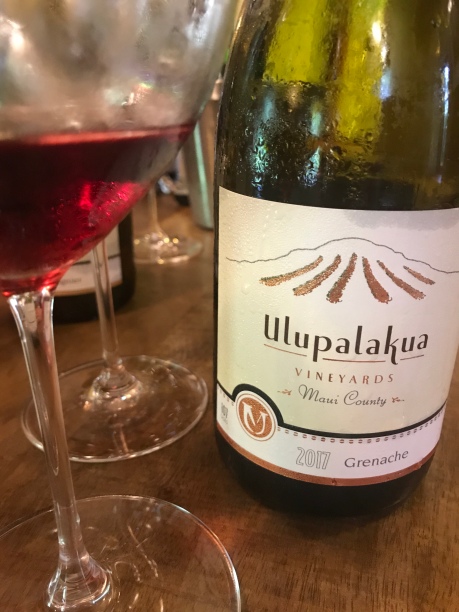
2017 Ulupalakua Vineyards Grenache
Estate Collection. You might think of Grenache as a full-throttle, big red. In this case, you couldn’t be more wrong. This Grenache is as elegant and restrained as we have ever had. Pale ruby color; crystal clear (look at that color in the photo!) But don’t let the pale color fool you. This beauty is bursting with flavors of black cherry, plum, licorice, and earthy notes. It is bone dry, with zippy acidity and a spicy finish. Joe recommends serving slightly chilled, and since that is how he served it to us, we absolutely agree!
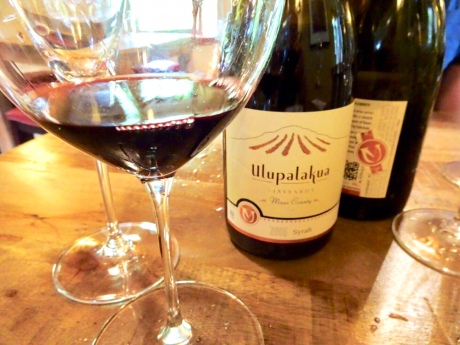
2016 Ulupalakua Vineyards Syrah
Estate Collection. This is the big, bold, meaty red you’ve been looking for! Inky purple color. Big flavors of crushed blackberry, chocolate-covered cherry, licorice, and earth. Big, chewy tannins balanced with medium acidity, On the finish there is kirsch and mineral. A stunning wine, indeed!
After we wrapped up our Old Jail tasting, Joe escorted us on a walking tour of the winery production area. MauiWine is a study in contrast; the vintage, plantation-style buildings housing the facility and cellar are juxtaposed with state-of-the-art winemaking equipment. Joe pointed out their new bottling line; a shiny stainless steel workhorse that has the capability to seal bottles with all four major wine closures: traditional cork, screwcap, crown caps (part of the sparkling wine production, for secondary fermentation), and the familiar sparkling wine cork, secured with a wire cage. The facility, view, and surroundings are all very impressive, and well worth a visit! Tours are complimentary, so come on up!
This slideshow requires JavaScript.
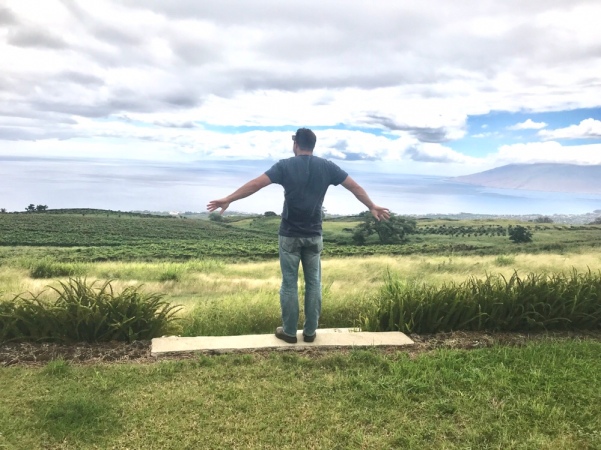
Before delivering us into the capable hands of the tasting room staff, Joe had one more surprise for us. We followed him a couple of miles back up the road to the vineyards. Joe mentioned to us that the vineyard is greatly protected and generally reserved for staff and family. The views here are spectacular, and the photos we took simply cannot do them justice! On the slope of Haleakala, overlooking the Pacific Ocean, the Kaho’olawe island, and the U-shaped volcanic crater that is Molokini, the views literally took our breath away. Rather than try to describe it, just enjoy the photos.
With Hurricane Lane approaching, we asked Joe if any special precautions were necessary. Not very many vineyards or wineries have to contend with hurricanes! Joe said that all of this years’ harvest is in, so there is no worry about the fruit. The only concern is loss of power from winds and falling trees.
After we returned to the King’s Cottage tasting room, Joe introduced us to Denae and Tamara, two of the friendly and knowledgeable staff members. There, we sampled Pineapple Wines (described above), the rest of the Rose Ranch Collection, and a taste of the 2012 Syrah – the hurricane wine!
Kula – White Blend
Photo Credit: MauiWine.com (not sure what happened to our photo!)
An enticing and delicious blend of 44% Sauvignon Blanc, 44% Viognier, and 12% Muscat. Lots of citrus and tropical fruit flavors. Dry, yet fruity with zesty acidity.
Mele – Red Blend
Racy and delicious, this is a blend of 40% Syrah, 10% Cabernet Sauvignon, 40% Merlot, and 10% Sangiovese. Medium body with smooth tannins, flavors of blackberry, raspberry, and cherry, with hints of green bell pepper and black pepper spice.
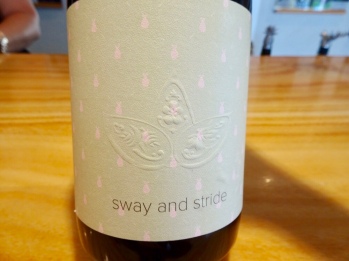
Sway & Stride Blend
An Aussie style blend with 80% Syrah (or Shiraz, if you prefer!) and 20% Viognier. Nicely balanced and delicious, with blackberry, cherry, and spice.
Cool embossed label!
Ulupalakua Vineyards GSMV
Photo Credit: MauiWine.com (another one we were so into we forgot to take a picture.)
Not your typical GSM! Grenache, Syrah, Malbec, and Viognier. Big and bold, yet elegant, with violet, blackberry, cranberry, and tobacco notes.
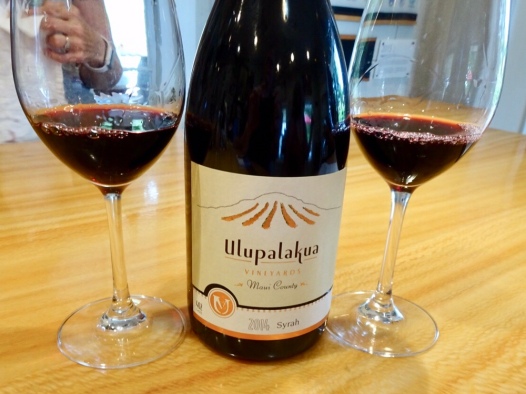
2014Ulupalakua Vineyards Syrah
The hurricane wine! Very few bottles remain, and are available only in the tasting room. This is an amazing wine of deep character and flavor. RIpe blackberry and plum, earth and tobacco. Big, bold tannins, with a long, satisfying finish.
We were honored that Joe hosted us as guests of MauiWine. Relatively small in production, with about 30,000 total cases annually, and their estate wine releases range from about 100 to 400 cases each, they are mighty and impressive. Although available for purchase online, they are well worth a visit if you happen to be in Hawaii.
In conclusion, Robyn would like to share her personal impressions:
As we planned for our trip to Maui and our visit to MauiWine, I envisioned that it would be beautiful and unlike any winery I had experienced thus far. I had no idea how understated my vision was. I may be back on the mainland, but I can assure you that my experience has left a lasting impression. The rich legacy of culture, the majestic grounds, the sense of value for close relationships with staff and customers, and the passion behind how MauiWine came to be, is a hidden treasure. When Joe explained how the climate is unlike any other traditional grape growing region and that even all the “experts” truly can’t predict the outcome of a crop, I said, “it’s like a big experiment every year?” To which he replied, “exactly”, with a smile on his face! Like a biography, Joe described the triumph, heartbreak, and thrill, that is MauiWine. The common thread connecting all of them is passion!
Mahalo, MauiWine!
By Kent Reynolds and Robyn Raphael
Photo Credits, unless otherwise noted: Kent Reynolds and Robyn Raphael
The Sadel family is passionate about fine wine. Famille Sadel founder and president Alexandre Sadel established Vin Sadel in Bordeaux in 2014, and has since expanded to the Rhône Valley in southern France. The first family estate is located in Saint Émilion, the famous right bank village in Bordeaux, known for world class Merlot-based red blends. Moving south, the Sadel family chose Vacqueyras, in the Rhône Valley, to produce their next line of wines. This multi-generation wine producing family believes that making great wine takes skill, but is also an art form. We couldn’t agree more! The family approach to wine making is based on three fundamental principles:
“First, we select each plot and each grape variety. Then, our Cellar Manager collaborates for each cuvée at the birth of a new masterpiece, the assembly of which guarantees the complexity. Finally, each vintage is vinified, then elevated with patience and compassion.” – Vin Sadel Website
Understanding the importance of terroir in the winemaking process, and the unique identity of each plot of vines, the family selects the finest grapes each year for use in their wines. Their goal is to achieve excellence in each vintage, that is consistent year after year. This is achieved by the knowledge of each vineyard plot, and the great care that goes into tending those vines.
The Vin Sadel portfolio is broad and impressive. They range from bold Bordeaux Rouge wines, like the Montagne Saint-Émilion, composed of 60% Cabernet Franc and 40% Merlot, to a crisp Bordeaux Blanc, a 100% Sauvignon Blanc white wine. There are Rhône Valley reds and whites from Côtes du Rhône, and reds from Vacqueyras, and Gigondas. Rounding out the selections are a Rosé de Provence and, in collaboration with a Burgundian winegrower, a Macon-Villages Chardonnay.
With an impressive lineup like this, when we were given the opportunity to sample the Famille Sadel Vacqueyras, there was no hesitation in our gladly accepting!
The wine presented here is a media sample, offered for review. All thoughts and opinions are my own. No other compensation was received.
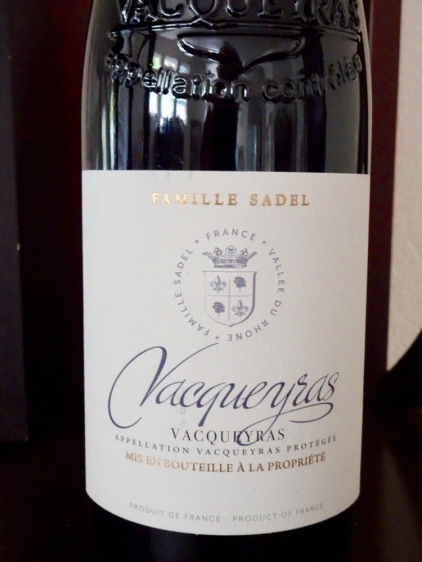
Famille Sadel Vacqueyras 2015
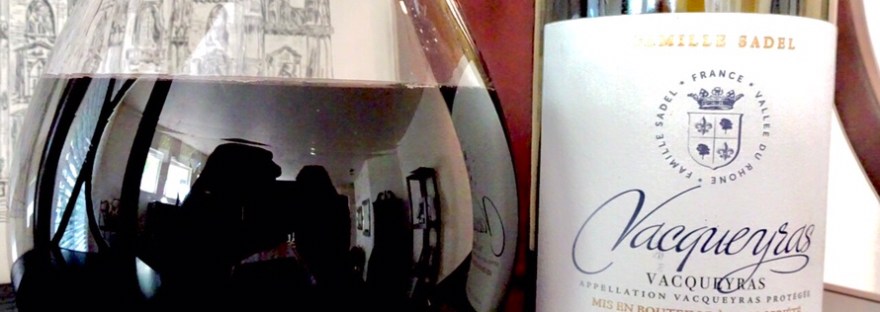
A traditional GSM (Grenache, Syrah, Mourvèdre) Rhône blend. Pours brick red, then fills the decanter with a deep, rich, burgundy color. Initial aromas burst from the bottle with ripe blackberry, black cherry, with a bouquet of fresh cut lavender. As it opens up in the decanter, raspberry and mineral notes emerge. On the palate, bright flavors of raspberry, bing cherry, and blueberry, with licorice, tobacco, smoke, and mineral. Layers of depth and structure mingle with medium, firm tannins and bright, lively acidity. The finish lingers long with red fruit, spice, and chocolate. Excellent food-pairing wine, great with grilled chicken thighs and corn on the cob.
Though relatively young, especially in French winemaking terms, Famille Sadel in making a very positive impression and is gaining in popularity. Their Vacqueyras certainly impressed us! Not widely available yet in the United States – they only recently began distribution here – be sure to look for their labels. If you just can’t wait, and happen to be in Paris, you can stop by their wine shop, Maison Givas, located at 6 rue Vauvilliers, 75001 Paris.
Cheers!
By Kent Reynolds, with creative inspiration from Robyn Raphael
If life is full of disappointments, Alexander Valley is a refreshing breath of fresh air. Robyn and I had been invited to attend Experience Alexander Valley, and we were looking forward to our Sunday Experiences; Yoga in the Vineyard for both of us in the morning, and a Spa Treatment in the afternoon for Robyn. Alas, a few days before the event, Rosie, from Alexander Valley Winegrowers contacted us to let us know that, because not enough guests had signed up for those two Experiences, the host wineries were forced to cancel them. Fortunately, however, there were plenty of exciting Experiences available from which we could choose.
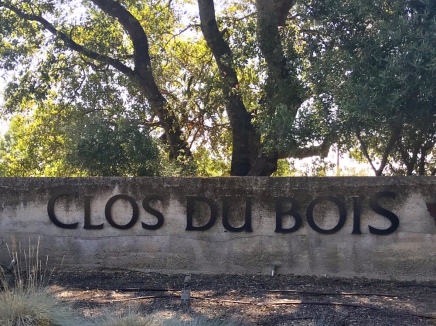
So, Sunday morning we headed to Clos du Bois winery for an exploration of Marlstone Through the Years. When we arrived, our host, Chris, greeted us in the tasting room with a chilled glass of Lightly Bubbled Chardonnay; a delightful and refreshing unoaked, frizzante wine, perfect for the warm day. Thankfully, the previous day’s record heat had abated, and Sunday was more seasonal in the mid-80’s, so our tour of the demonstration vineyard, with chilled Chardonnay in hand, was quite pleasant.
You may know Clos du Bois; their “Classics” series wines are widely distributed in wine stores and supermarkets across the country. What I didn’t know, and you may not either, is that in 1978, Clos du Bois was the first winery in Sonoma County, and only the second in California, to produce a Meritage wine. Contrary to popular belief, the word Meritage is not French, and is not pronounced as a French word. Meritage is a term coined by a group of American vintners to identify American made, Bordeaux-style blends. The term is a conjunction, representing Wines of Merit, Vines of Heritage. The pronunciation rhymes with Heritage – as “Meri-tidge.”
Clos du Bois’ Meritage wine is called Marlstone. As Alexander Valley is a prime Cabernet Sauvignon region, Marlstone is dominantly Cabernet Sauvignon, with Merlot as the secondary component. However, in any given year, the blend can include some or all of the other five noble grapes; Malbec, Petit Verdot, and Cabernet Franc. Here’s where the real fun began!
After the vineyard tour and some barrel tasting, Chris escorted us into a private tasting room where we got to taste through all five components, and the finished Marlstone 2014. Once we had our baseline, we got to create our own blend to see how close we could come to the winemaker’s version. Each component was spectacular on its own, and it was amazing to experience the changes as we blended them in the glass. I don’t know how the others did, but my blend was nowhere near as good as the Marlstone!
After lunch, Robyn and I parted ways again so we could cover more Experiences for you. (You’re welcome!) Robyn spent the afternoon at Trione Vineyards & Winery for a Bocce Ball Tournament, while I enjoyed a mountain-top Cabernet Sauvignon tasting at Alexander Valley Vineyards. Here’s Robyn to tell you about her Experience:
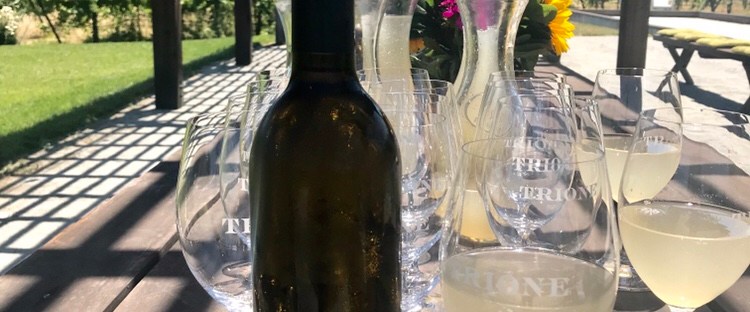
When I arrived at Trione, anticipating the Bocce Ball Tournament, they welcomed me outside with a glass of their tasty 2017 Sauvignon Blanc. I sipped on the cool, crisp Sauv Blanc under the trellis, parallel to two Bocce courts. I sat with Henry Trione, son of the founders, and learned about the family and winery history. Trione Vineyards & Winery was established in 2005. The winery building was completed in 2008. The winery is located next to an historic 1908, beautiful stone building, which the family restored and is now an event center.
As the Bocce Ball Tournament got started, since Kent was across the valley, I needed a partner. Luckily, as promoted, there was a handsome instructor to teach me the rules. I was quickly “adopted” by wine club member, Meredith, and her husband. For a while, we were in the lead. Although not a Bocce veteran, I do enjoy a good game of corn hole, and my accuracy is not too bad. I think my dead-eye aim came in handy on the Bocce court!
Adding to the friendly vibe, throughout the tournament, we sipped on Trione Rosé of Pinot Noir 2017. It was so good; I had to bring a bottle home to share with Kent. It’s a crisp and refreshing wine, and the perfect thirst quencher on the Bocce court. Sadly, our luck didn’t hold, and we lost the round. No worries, it was super fun and it’s always all about the company. Oh, and the wine! Cheers!
While Robyn was getting her Bocce on at Trione, one of Alexander Valley’s newer wineries, I headed across the valley to one of the older wineries, Alexander Valley Vineyards. There, Head of Operations and Family Partner Harry Wetzel met us for a history lesson and Cabernet Sauvignon tasting. Alexander Valley is named after Cyrus Alexander, who settled in the area in 1840. Fast forward to 1962, when Harry and Maggie Wetzel (our host’s grandparents) bought a portion of Cyrus’ original homestead. In time, they planted a small vineyard, and in 1975, their son Hank produced the first vintage of Alexander Valley Vineyards wine.
As we toured the property, Harry took us to The Adobe, the oldest structure in Sonoma County, and one-time home to young Cyrus Alexander. We also saw the old, 1868 Alexander School, a one-room schoolhouse, moved from its original location, just down the road, in 1972. Finally, Harry drove us up to a mountaintop picnic bench, set with a flight of Alexander Valley Vineyards Cabernet Sauvignon. We tasted through the 2016 Estate, the 2015 Organic, the 2014 Reserve, the 2012 Single Barrel, and the 1999 Wetzel Family Estate. I normally gravitate to slightly younger wines, but the 18 year old 1999 was amazing; mature, soft and subdued, yet still retaining juicy fruit notes. (Yea, I bought some.) I don’t know which was more amazing; the fantastic wines, the breathtaking view, or having 45 minutes to visit with the family partner of such an historic and wonderful winery.
As we headed down the mountain back to reality, I got Robyn’s text that her Experience was winding down. Back across the valley, I picked up Robyn and we reluctantly headed home. We enjoyed our time at Experience Alexander Valley, and have a new love for the region. We will definitely be back!
Be on the lookout for next year’s event. We encourage you to come and Experience Alexander Valley for yourselves. Please. We really want to do Yoga in the Vineyard next year!
It was with eager anticipation that we set off on our journey to the first annual Experience Alexander Valley. We’d been invited as guests of Alexander Valley Winegrowers*, and based on all we’d heard about this new event, we knew we were in for something special. We wrote a couple of preview pieces, which if you missed them and want to catch up, you can read here, and here. But the previews don’t come close to capturing the magic and adventure that Experience Alexander Valley delivered.
* As guests, our event admission was complimentary. We received no other compensation or incentive. All descriptions, opinions, and reviews are our own.
Like many wine country events, this was a two-day adventure. Unlike many wine country events, rather than racing from winery to winery, guests got to choose two Experiences per day. Since we were invited as bloggers, to cover and promote the event, Robyn and I wanted to participate in as many Experiences as possible…to a point – we do enjoy each other’s company! So we decided “divide and conquer”, at least for a couple of Experiences. We each selected one Experience per day to fly solo, and one to attend together.
Saturday dawned clear and bright. And warm. Weather forecasters predicted highs near 103F, and they weren’t far off. This meant that many outdoor Experiences had to be canceled or at least modified. Nevertheless, we were undaunted and headed from our hotel to Robyn’s first destination, deLorimier Winery. I’ll let Robyn tell the story of her Experience herself. Watch for her blog post in a few days.
I had a bit of a drive to get to my first Experience, at the Medlock Ames Winery. Though they have a tasting room on the valley floor, they wanted to treat guests to a Sustainable Winemaking Experience at their vineyards and production facility. The drive was beautiful, along the east side of the valley, then up Chalk Hill Road. The thing that struck me most: No Traffic! I was virtually alone on a Saturday morning in Wine Country.
Turning onto a single lane road, I started to get a little nervous that my trusty Google Maps might have failed me. It was a paved, single lane road, so that was hopeful. Alas, my trust in Google ran out two hilly ridges in. I turned around, beginning what would be a 30 minute detour that ended up taking me right back where I was. Around a curve about 100 yards beyond where I’d turned around was the entrance to Medlock Ames. Sigh. I’d done it to myself, and was almost 45 minutes late!
Fortunately, friendly Isabella saw my plight and left her post in the tasting room to rescue me. She came out into the already 90+ degree day, and caught me up with the small group on the outdoor tour. Isabella handed me off to Chelsea, who was leading the two other guests, Jimmy and Maryanne, on a tour of the grounds.
Medlock Ames is a sustainable, organic winery, and includes a one-acre vegetable garden, and a one-acre fruit garden. Due to the heat, we were not able to walk to those gardens, but still got a brief overview of the property and history. Chelsea led us to the shade of a large tree at the edge of a vineyard. There she told us that the two acres of vines were looking at were nearly ripped out when owners Chris Medlock James and Ames Morison purchased the property in 1998. The vineyard had been planted by the previous owner, a sheep rancher, and nobody knew what variety they were. Ames, the head winemaker, was hesitant, however, and decided to walk the vines before excavation. He found a tag on a vine, from a nursery in New York. After a call to the nursery and some research, and they found the answer: Merlot. But not just any Merlot. These vines are Jefferson clones; descendants of vines that Founding Father Thomas Jefferson brought from France to his Virginia estate! With that kind of pedigree, the former Tulane University roommates decided to leave the vines in.
Jefferson Clone Merlot
Grow, Merlot. Grow!
All Medlock Ames are made from 100% organic, estate grown fruit. The winery is fully solar powered. Of the 338 acres on the estate, only about 55 acres are farmed, leaving the rest of the land to its native flora and fauna. There are more than 800 olive trees, five retention ponds for irrigation, and at least 50 barn owl boxes on the property. To help conserve energy, the barrel room is underground, below the production facility.
Speaking of the barrel room, where better to continue the tour on such a hot day? After a brief visit among the fermentation tanks upstairs, we ventured down into the 55 degree cellar to meet Ames, and enjoy some barrel tasting.
The beauty of the Experience Alexander Valley event is that the three of us had about 30-45 minutes of interrupted time with the head winemaker. (I was enjoying myself too much to keep track of time.) We could ask whatever questions we wanted, and he took the time to answer in a way we could all understand. You don’t get that on a party bus tour!
Ames is clearly passionate about what he does, and is very knowledgeable. He thieved us samples of their 2017 Lower Slope Chardonnay, the 2017 50 Tons Cabernet Sauvignon, the 2017 Kate’s & B’s Cabernet Sauvignon, and the 2017 Secret Ingredient Malbec. Each of the wines has a nick-name, and a story. The Kate’s and B’s is named after Chris and Ames’ wives; Kate is Ames’ wife, and B (stands for Bradley) is Chris’ wife. They chose the very best grapes from the very best vineyards to make the wine with their wives’ names on it. Smart men!
From the cellar, we walked back up to the tasting room where Chelsea hosted us in a wine and cheese pairing. The cheeses are all local, Sonoma County artisan cheeses, and paired each of the wine amazingly! I’ll let the pictures tell the story here.
As we were finishing up, I got Robyn’s text letting me know her Experience was over, and she was ready for me to come get her. So I didn’t have time to explore the preserves, marmalades, and olive oils they make with estate fruit. No worries though; that gives me something to look forward to when I bring Robyn on our next visit!
After a quick lunch break, we headed to our next Experience, this time together. Turning up the tree-lined drive to Stonestreet Estate Vineyards, we were taken with the beauty of the property. Here, we were to enjoy a chocolate and Cabernet Sauvignon tasting. Originally scheduled outdoors on their beautiful patio overlooking the valley and nearby Mayacamas Mountain range, they thankfully relocated the tasting indoors, in their air conditioned tasting room.
We were greeted by DTC (Direct to Consumer) Manager, Michelle, and our host and guide for the day, Tasting Room Manager, Samantha. Having never heard of Stonestreet before, we were in for a bit of a surprise.
Video credit: Stonestreet Estate Vineyards
Stonestreet Estate Vineyards owns a large chunk of the Mayacamas Mountains we had admired as we entered the property. 5500 acres, to be more specific. Yet of those 5500 acres, only 800 acres are planted to vines. Committed to sustainable and environmentally friendly winemaking, when the owners purchased the land in 1995, they conducted wildlife studies; migration patterns, breeding grounds, etc. and planted around those areas so as to not disturb the native wildlife. This also helps to keep the critters out of the vineyards. But that wasn’t the biggest surprise. Stonestreet Estate Vineyards is part of Stonestreet Farms, located in Kentucky. Stonestreet Farms breeds thoroughbred race horses, very successfully, including such standouts as Rachel Alexandra (depicted in the beautiful statue on the grounds.) The founder of Stonestreet Farms was Jess Stonestreet Jackson. Jess Jackson. Yes, the Kendall-Jackson Jess Jackson! Surprise! Who knew?
Now on to the chocolate and Cabernet pairing. Some might think that it is difficult to pair chocolate with Cabernet Sauvignon, and it can be. The wine is often too tannic to work well with the creaminess of the chocolate. But Stonestreet sent samples of the wines for the pairing to the local pastry chef they’d commissioned for the event. She, in turn, created the chocolate confections to match each of the wines. It was exquisite! While it was hard to select a favorite, if forced, I’d say mine was third from the left, the Chocolate Budino with huckleberry compote. Robyn fell in love with the Opera Cake (second from left) made with dark chocolate genoise, espresso cream, and topped with a sprig of lemon thyme. Each of the single vineyard Cabernet Sauvignons paired perfectly with the chocolates.
Running a little ahead of schedule allowed Samantha to give us a brief tour of the barrel room, and some photo ops. We also had a chance to sample their Meritage, Bordeaux-style red blend. Made from all five of the noble grapes, it was amazing!
And that’s it. Just two Experiences per day. I’ve prattled on long enough for now, and we’ll cover Sunday later. Robyn will write about her solo Experiences in separate post, too. Oh sure, there was the fantastic blues concert at deLorimier Saturday evening, but Robyn will write about that in her first Experience post.
The biggest takeaways for us on Saturday were these: One, Alexander Valley is a hidden gem; a peaceful wine oasis mere minutes from the crowds and bustle of Napa. There was virtually no traffic all weekend, and no crowds, either. Sure, the heat may have kept some away, but Sunday was much cooler and yet no more crowded.
The other takeaway was this: though the lack of crowds was nice, Experience Alexander Valley was noticeably under-attended. Experiences had capacity for up to 24 guests. Of the four I attended, two had only three guests, one had four, and one had seven. Intimate to be sure, but really, folks, come out next year and let’s make this an event, an Experience, worth repeating! You’ll remember your Experiences forever.
Cheers!
By Kent Reynolds, with Robyn Raphael
Photos by Kent Reynolds and Robyn Raphael, unless otherwise noted.
Most wine geeks know the name Chateau Montelena. For those who don’t, allow me to inform you. Chateau Montelena is the Calistoga, California, winery that produced the Chardonnay that beat out Burgundy, France, in the famous Judgement of Paris in 1976. The Chateau Montelena 1973 Chardonnay put Napa on the wine map, and forever changed the landscape of California wine, both literally and figuratively. (Been to Napa lately?)
Would it surprise you to learn that Chateau Montelena is more than world class Chardonnay? Of course being in the Napa Valley, they produce a stunning Cabernet Sauvignon. But did you know they also make a spectacular Zinfandel?
Zinfandel is often thought of as “America’s grape” although genetic testing has determined that the grape originated in Croatia. Nevertheless, Zinfandel is associated with California due to its historical roots to the Gold Rush. Most people associate Zinfandel with Lodi, Russian River Valley in Sonoma County, or perhaps the Sierra Foothills (some of my favorites), but many forget that Napa Valley produces some impressive Zinfandel.
Zinfandel is a hearty grape; a survivor. The vines can live much longer than many other vines, and still produce stunning fruit. Some would say Old Vine Zinfandel is better, softer, and smoother than wine from younger vines. From my tasting experience, I’d have to agree. Zinfandel is also drought tolerant, and thrives in warmer climates, where some other grapes would suffer.
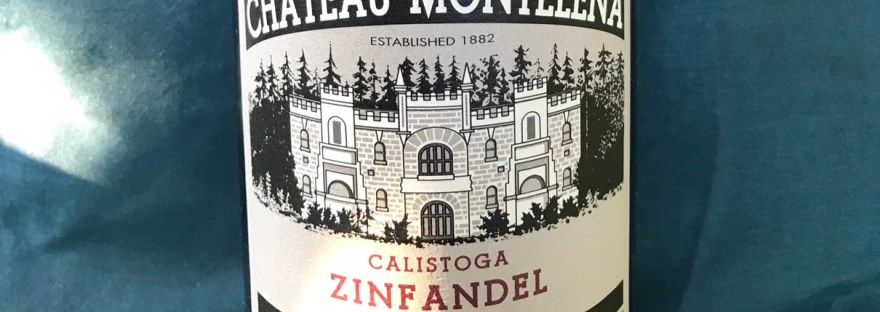
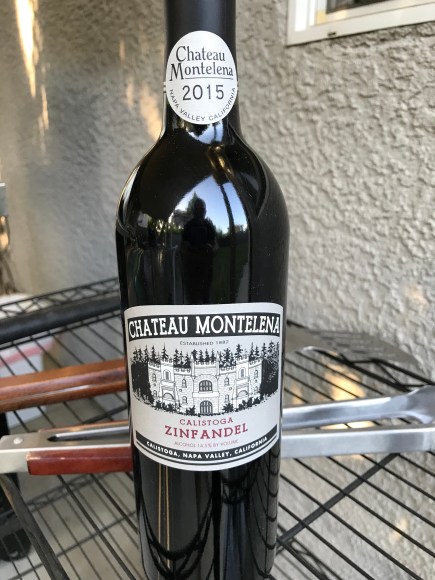
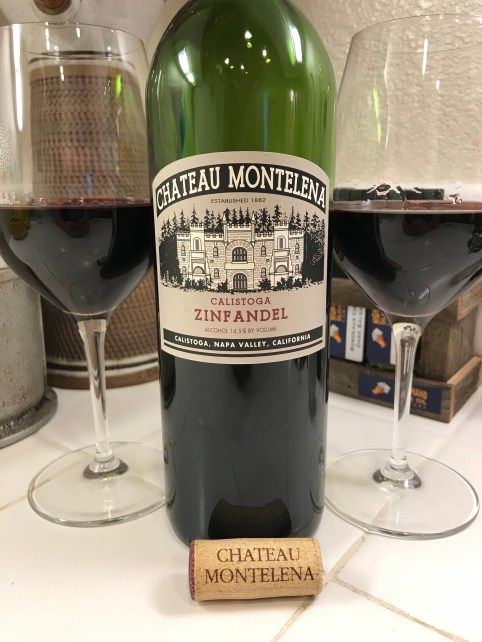
I had never really thought of Napa Valley or Calistoga for Zinfandel, much less Chateau Montelena, known for its Chardonnay and Cabernet. So I was intrigued when I received a sample bottle of Chateau Montelena Calistoga Zinfandel 2015. Winemaker Matt Crafton says of this wine: “…the 2015 vintage showcases [the survivor] quality beautifully. There’s something hallowed in the old, war-torn vines that have endured many challenging growing seasons coupled with the vitality and exuberance of younger plantings that allow us to create this truly compelling wine.”
The 2015 is crafted from fruit harvested from Estate vines that were among the first planted the year Jim Barrett founded Chateau Montelena, 1972, blended with grapes from younger vines. This blend provides the best of both worlds; the soft, smooth qualities of Old Vine Zin, with the youthful fruit and zip of newer vines. 2015 was a very dry year, as California suffered through one of the worst droughts on record. Trees and other vegetation suffered, but the sturdy Zinfandel vines took it in stride, producing rich, intense fruit resulting in an exquisite wine.
This wine was submitted to me as a media sample for review. I received no other compensation. All thoughts, opinions, and tasting notes are my own.
Chateau Montelena Calistoga Zinfandel 2015
Medium purple color with ruby rim. On the nose, more earthy than other Zinfandels I’ve had, but all the fresh blackberry bramble and fruit aromas I expected. On the palate, fresh blackberry, blueberry, cherry, and spice, with dusty chocolate notes, and secondary flavors of vanilla and leather, with smoky notes on the finish. Tannins are bold and chewy; balanced with light acidity. Served with grilled pork chops, the food tames the tannins and really brings out the character. The finish lingers, enticing yet another sip. Perhaps another bottle.
SRP $39.00
This Zinfandel is truly one of a kind. I’ve tasted dozens of Zinfandels over the years; it is one of my favorite varietals; and this one is definitely unique. It’s bigger, earthier, and with more structure and tannin than many other Zinfandels. If you get the opportunity to try this spectacular wine, take it!
Riesling. A divisive grape, to be sure. Most people either love it or hate it. For many of us in the United States, Riesling means syrupy sweet, low quality wine. Yet the greatest Rieslings are actually dry, with low residual sugar, and layers of complex flavors. Renowned wine expert Jancis Robinson calls Riesling “the wine world’s greatest underdog.” Of course, she is referring to dry Riesling, but even sweeter styles have their qualities, and are appealing to a vast segment of wine consumers who prefer sweet wines. My dad is one of them; a sweet Riesling is his favorite style of wine. Indeed, many wine experts assert that Riesling is the world’s greatest grape variety.
Riesling is a versatile grape, and can be made into sweet, dessert wines, or crafted into dry, refreshing dry wines, or anything in between. Many Rieslings produced in the U.S. are sweet, which leads to much of the confusion about the varietal. When all you know is one style, you assume all labels are that same style. Riesling originated in Germany, and the fact is, German producers did themselves, and the grape, no favors in churning out barrels of low-quality Riesling back in the 1980’s and ‘90’s. Today, quality has improved, and there are many high quality Rieslings readily available to consumers.
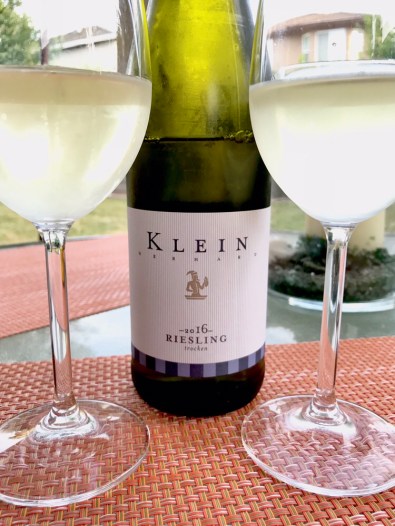
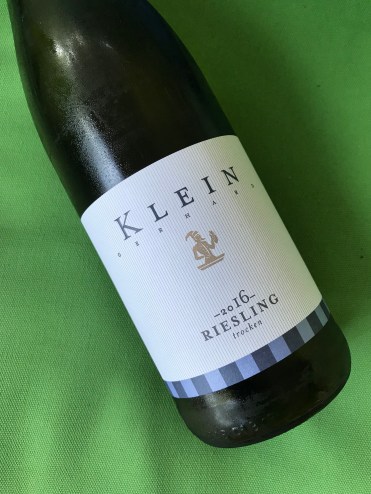
I had the privilege of tasting one such German Riesling recently. As a member of NakedWines.com, I ordered a bottle of the Klein Riesling Trocken 2016. Admittedly, German wine labels are among the most confusing and confounding on the planet. Just remember this: “Trocken” means “DRY.” And dry this wine is! Winemaker Peter Klein is a rising star in the German winemaking scene. He is a 14th generation winemaker! (Read that again…fourteen generations!!) He was runner-up in Germany’s “Young Winemaker of the Year” competition this year. And his Riesling Trocken is all that!
Pale straw color. Aromas of pineapple and pear. On the palate, crisp acidity and flavors of pineapple, quince, pear, and white peach. Definitely fruit-forward, but not sweet. We started ice-box cold and let it warm as we drank it on the patio. As the wine warmed, enticing floral aromas emerged. We enjoyed this sans food, but it would be an excellent accompaniment to spicy Asian food or local, German cuisine.
If you have always assumed all Riesling is sweet, get your hands on a Trocken, chill it down a bit (but not too much) and get ready to experience the greatest grape in the world. If this Klein Riesling Trocken 2016 sounds like a good place to start (and it is) click here for a voucher worth $100 off your first NakedWines.com order. You’ll be glad you did.
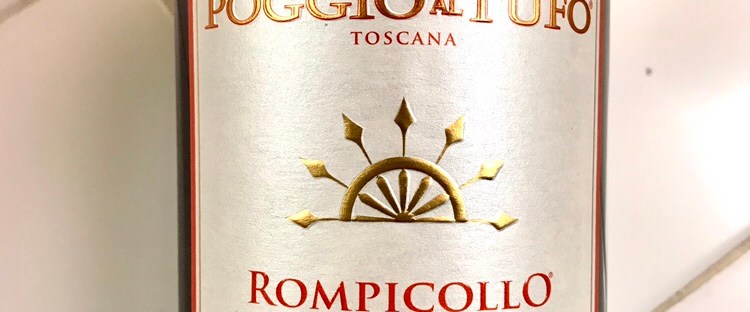
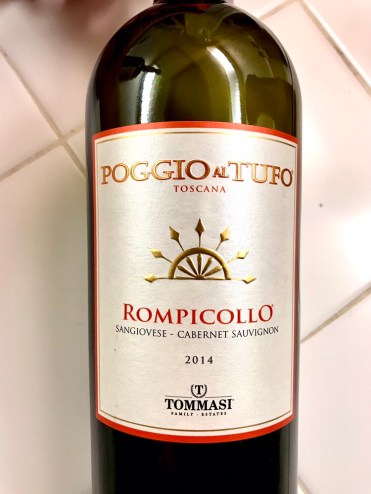
On a recent business trip, Robyn met a fellow conference attendee who gave her a recommendation for a new wine. Frank said this wine is one of he and his girlfriend’s favorites, and suggested Robyn and I give it a try. The wine is Tommasi Poggio al Tufo Rompicollo, from Toscana, Italy. Robyn texted me a picture of the bottle, and I went on the hunt. I didn’t have to look far. Our local Total Wine & More store just happens to carry this wine.
When Robyn arrived home from her trip, she had a little surprise waiting for her on the counter. We adore Italian wines, and some of our favorites are the Sangiovese-based wines out of Tuscany. So naturally, I had stopped at Total Wine on my way home from work the day after her text, and bought a bottle to try.
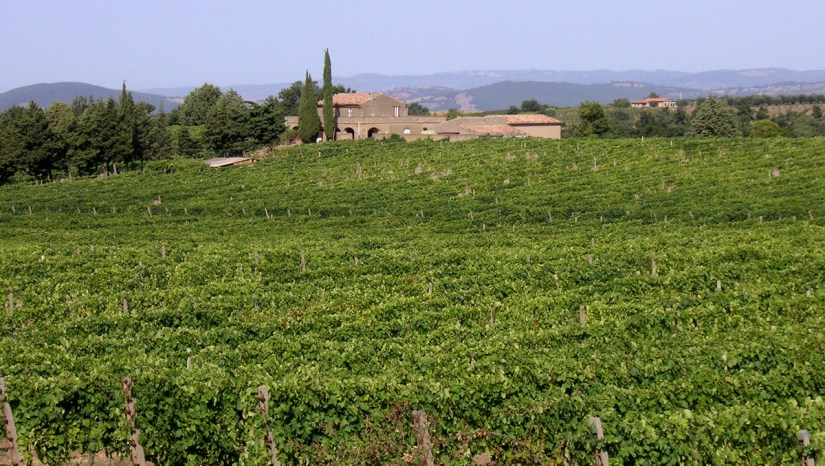
Tommasi Family Estates has been producing wine grapes since 1902. The family got their start in Valpolicella Classica, Verona, and has since expanded to other regions in Italy. They launched the Poggio al Tufo line of wines in 1997 with the acquisition of the Pitigliano Estate, 66 hectares of vineyards planted in volcanic soil, in the rolling Tuscan hills. The addition of two more vineyards, the 24 hectare Doganella Estate and the Scansano Estate, 80 hectares in the DOC Morellino zone, expanded the operation. The Doganella Estate is an organic production, producing high quality grapes due to the hot, dry Tuscan summers and cooling breezes from the Tyrrhenian Sea.
The Tommasi Poggio al Tufo Rompicollo is a blend of 60% Sangiovese and 40% Cabernet Sauvignon. Several vintages of this wine have won numerous awards and accolades, including 93 points from Vinous Media (2012), No. 31 in the Wine Spectator Top 100, with a 92 point score (2011), and 87 points from both Wine Spectator and Wine Enthusiast (2010).
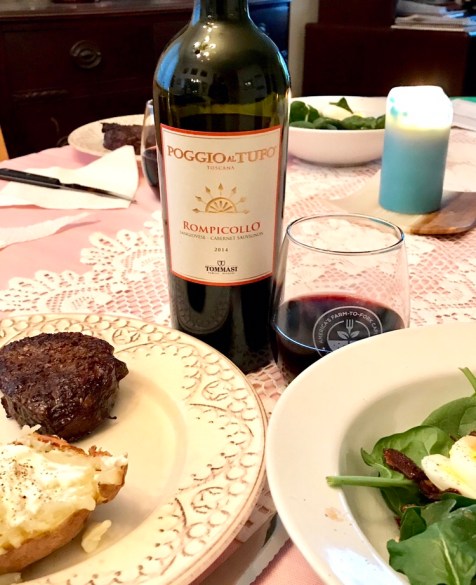
The current release, at least what is available in our local store, is the 2014. We opened it to enjoy with our meal of grilled filet mignon steaks, baked potato, and spinach salad with warm bacon dressing. Exquisite is the best word to describe it! Here’s my review posted on Vivino:
Delicious Toscana blend. Dark purple and ruby colors. Aromas of bing cherry and soft cedar. On the palate, juicy cherry and blackberry flavors meld with notes of cola, vanilla, and oak. Soft, silky tannins and medium acidity balance the wine and make for great dipping or food pairing. Long, black fruit and spice finish. We had this with grilled filet steaks and it was outstanding!
I highly recommend this outstanding Toscana wine. And at $15.99 retail, it’s a bottle you can enjoy often!
Cheers!
By Kent Reynolds, with inspiration by Robyn Raphael
Photos by Kent Reynolds (unless otherwise credited)
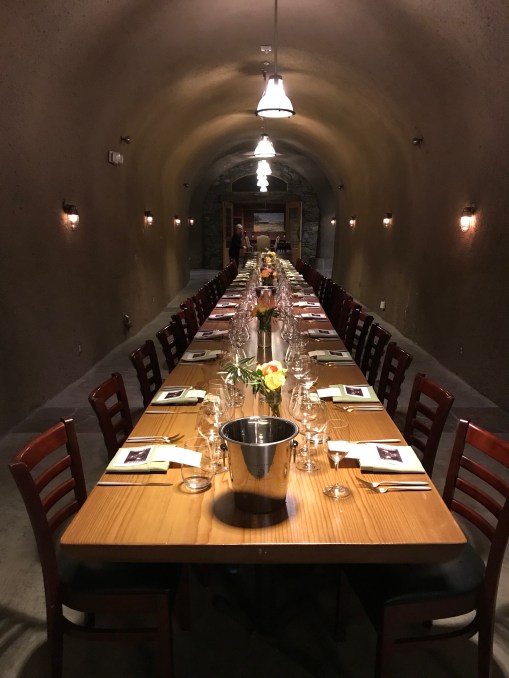
Dinner in a wine cave. Check! One more thing off the bucket list!
We had a lot of amazing experiences at this year’s Wine Blogger’s Conference in Santa Rosa, California. However, the unparalleled highlight was the Friday evening dinner at Thomas George Estates. When the list of dinner excursions was published several weeks earlier, we scanned the host wineries’ websites, and noticed that Thomas George Estates has a wine cave. A telephone call to the winery confirmed the WBC Dinner would be held in the cave. We made our reservation immediately!
With eager anticipation, we boarded the luxury wine-tour bus and settled into the plush leather seats. Under the soft mood lighting, we enjoyed the short ride to the winery. Upon arrival, we stepped off the bus and into the cavernous entryway of the cave.
There, we were warmly greeted by Thomas George Estates staff, who handed us each a glass of their 2014 Brut Blanc de Blancs. We sipped this delightful sparkler while visiting with our fellow diners, and nibbling on Hors D’Oeuvres including house-made cured meats, and roasted and marinated vegetables.
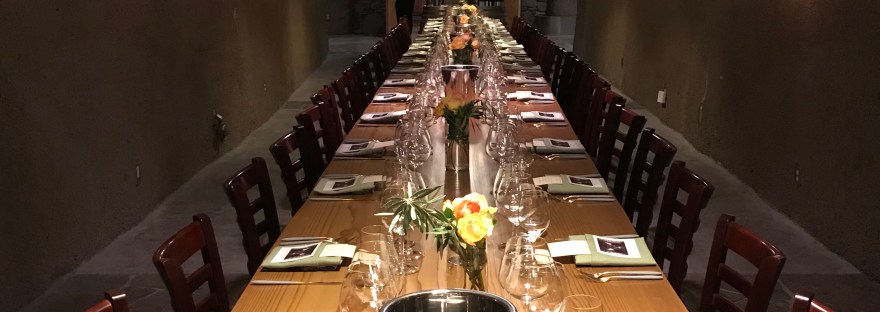
Soon enough, we were summoned to the dining table, located in a long corridor in the cave. The service was excellent, the wine free-flowing, and the food exquisitely prepared. We both agree this was among the top five meals we have ever experienced; and toward the top of that list, to boot! The first course was a roasted Brussels Sprouts salad with Black Pig Bacon, Asian pear, Marcona almonds, aged sherry vinegar, and Bohemian Creamery Capriago. This amazing salad was paired with the Thomas George Estates 2015 Chardonnay, Sons & Daughters Vineyard. It was during this course that we learned that all the pork served during the evening was hand-raised by our chef, Duskie Estes, of Zazu Kitchen & Farm in Sebastapol, California. Now that’s farm-to-fork, local food!
The main course was Cracklin’ Pork Belly (from our friendly neighborhood porker) with Star Anise Liberty Duck; a full leg quarter; served over black rice, with pomegranate and watercress. I wasn’t sure what to expect with the pork belly, but I was not disappointed! As much as I love duck, this crispy chunk of heaven was out of this world! Paired with the Thomas George Estate 2014 Pinot Noir, Baker Ridge Vineyard, this was an entrée and pairing worth writing home about!
Amid friendly conversation, ample refills, and boundless frivolity, I wondered if it could get any better. Leave it to the good folks at Thomas George Estate and Zazu Kitchen & Farm to up the ante with dessert. Backyard Quince & Apple Tartin with Bourbon Gelato. Why, yes, I believe I will. Paired with the most amazing 2012 Late Harvest Viognier from Baker Ridge Vineyard, I thought I’d died and gone to heaven. Just look at the color of that Viognier! Divine!
Even after dinner, the hospitable staff kept our glasses filled, until it was time to, sadly, re-board the bus for the ride back to the hotel. But first, swag bags! We each received a gift of a bottle of Thomas George Estates 2016 Rosé of Grenache, a numbered bottle of their Baker Ridge Vineyard Olive Oil (delicious), and for a longer-lasting keepsake, a Thomas George Estates t-shirt.
Back on the bus, we basked in the afterglow of a magical, memorable evening. One we will not soon forget.






















 Appetite for Wine