Biodynamic Wine, Cline, Cline Family Cellars, Farmhouse Wines, Natural Wine, Sustainable Winery, White Blend, Wine

Down Home with Farmhouse Wines

More and more wine producers are embracing environmental consciousness. Whether out of concern for conserving our planet and its resources, or reacting to consumer and market demands, there is no doubt that organic, sustainable, natural, and biodynamic wines are on the rise and here to stay.

It’s not just the small, boutique, dare I say “hippie” or “hipster” wineries that are turning toward Earth-friendly farming practices. Many well known, large production producers are getting on board, and at converting at least a small percentage of production to sustainable farming, most with an eye toward long-range growth and conversion.

Recently, we received an invitation to sample two natural wines, Farmhouse Wines, produced by Cline Family Cellars. If you don’t know Cline, you really ought to get out more. Fred Cline founded Cline Family Cellars in 1982. He started in Oakley, California, in the Delta region, east of San Francisco. In 1989, he moved the winery to Sonoma County. One of the original Rhone Rangers, Fred Cline helped establish Northern California as a serious producer of Rhone varieties like Syrah, Viognier, Marsanne, and Roussanne. Cline Family Cellars has gone on to expand their portfolio to include a plethora of grape varieties, and produces some stellar wines.

FarmhouseLaunch
Photo Credit: Cline Family Cellars

Fred Cline and his Soil Manager, Bobby Cannard (aka The Soil Whisperer) have developed biodynamic practices they dubbed the Green String method. A significantly environmentally friendly farming process, it minimizes pollution of the air, soil, and water, and minimizes the overall environmental footprint. Utilizing natural weed control (sheep and goats), cover crops, aviary pest control (owls and hawks), and ar power, they have made big inroads in sustainable farming. They established a farm, the Green String Farm, in Petaluma, CA, to foster these practices, producing a variety of crops for consumers. They even established an internship program to expose farming students to these practices.

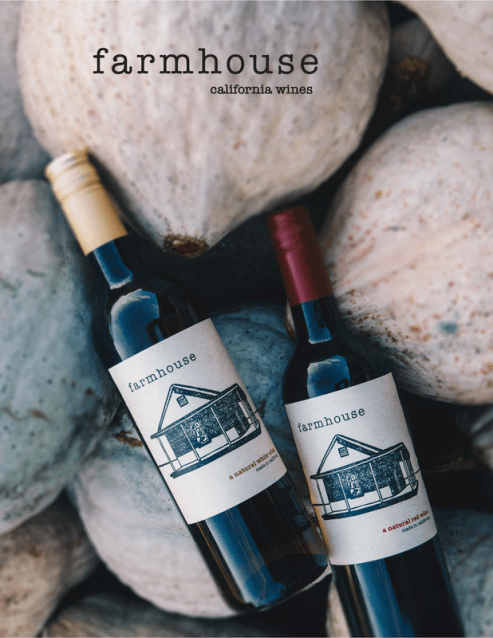
There are two Farmhouse wines; a white blend and a red blend. Both are natural, sustainably produced wines. They are unpretentious, user-friendly, sealed with screwcap, and easy drinking. Oh, and they retail for just $10.99! That’s wallet friendly, too!

FarmhouseRelease
Photo Credit: Cline Family Cellars

Winemaker Charlie Tsegeletos wants the grapes to take center stage in these wines. He uses minimal oak, and incorporates blending to bring out the best of each variety and vintage.

The following wines were provided as a media sample for review. All reviews, descriptions, and opinions are our own. We received no additional compensation.

The 2017 Farmhouse White is a blend of Palomino (41%), Muscat Calelli (25%), Rousanne (22%), Marsanne (6%), Viognier (5%), and Riesling (1%). Cold fermented in stainless steel tanks, the resulting wine is light and fruity, with balance and finesse. Here’s what we thought of it:

A very interesting white blend. Don’t serve too cold or the bouquet and flavors will be muted. Pale peach color. Aromas of peach, honeysuckle, mango, and tangerine. On the palate, there are flavors lemon curd, guava, mango, and peach, with a touch of honey on the finish. That’d be the Muscat! Medium body and acidity. Fruity, mildly sweet. Pleasant for sipping, structured enough of fish, chicken, or spicy Thai.

The 2017 Farmhouse Red leads with a punch of Zinfandel (59%), followed by Syran (15%), Carignane (9%), Mourvèdre (6%), Petite Sirah (5%), and the remaining 6%, splashes of other red varieties. Fermented in stainless steel tanks, the wine is racked into 40% new French oak to enhance the flavors as it ages. Here’s what we thought:

Inky purple color. On the palate, aromas of raspberry, fresh blackberry, clove, and spice. On the palate, boldly fruit forward; bordering on jammy but there is enough complexity to bring some balance. Flavors of ripe blackberry, black cherry, cassis, and black plum, with licorice, baking spice, black pepper, and caramel. Rich and full bodied with round mouthfeel and bright acidity. The finish is very long with black fruit, ripe plum, and black pepper.

For more on the Farmhouse line, check out their video from the Farmhouse Wines website:  

Both Farmhouse wines would be at home on your Thanksgiving or other holiday table, and equally comfortable snuggled up on the couch in front of a warming fire, binge-watching your favorite Netflix show.

Let us know, in the comments, what you paired it with, and what you’re binging on Netflix!

Cheers!

  • By Kent Reynolds and Robyn Raphael
Late Bottled Vintage, LBV, Port, Porto, Wine

Review: Dow’s 2012 Late Bottled Vintage Porto

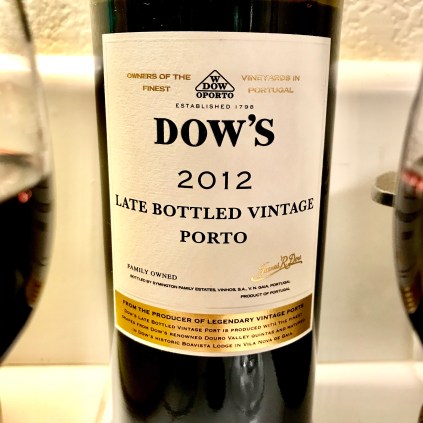
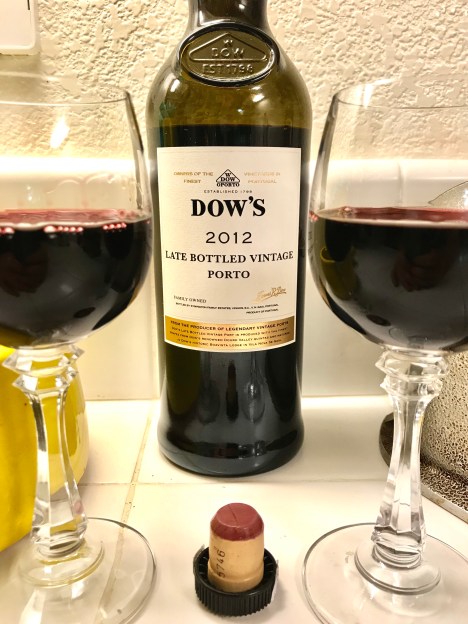
Our exploration and appreciate of Port wines continues. Recently we reviewed a Reserve Port, that we enjoyed as the late summer evenings started to cool. That one was a non-vintage, as most Ports are. Yet many Port makers also produce a Late Bottled Vintage, or LBV Port. As luck would have it, not long ago, we received a sample bottle of Dow’s 2012 LBV Porto for tasting and review.

img_2244.jpg

When I posted a picture of the bottle on Instagram, one of the most common questions I received is: “what does it mean to be ‘Late Bottled?’” Frankly, I wasn’t sure myself, so I consulted my trusty wine research expert…Google. According to Wine Enthusiast magazine, the official definition is “a ruby Port from a single year, chosen for its high quality and bottled after aging for four to six years in wood.” So LBV is a high quality Port, vinted from a single year’s harvest, and aged prior to release. As such, they are ready to drink upon release and do not require additional aging to be enjoyed.

Dow’s Port house has been in operation since 1798. Unlike most Port merchants, who exported their products to the thirsty masses, founder Bruno da Silva emigrated to England and set up shop importing his wines from Portugal. He assimilated into London society, marrying an Englishwoman, and established a thriving business. During the Napoleonic wars, da Silva was granted permission to arm his merchant ships, and thus became the first and only Port producer to ship its wines under their own armed protection.

da Silva’s son, John, took over the business, and through several partnerships and mergers – including one with George Acheson Warre, of Warre’s Port, built the success and reputation of the company. In 1877, John and his partners merged with Dow & Co. Although Dow & Co. was smaller they had built a strong reputation with quality vintage ports, so the decision was made to use the Dow name, and Dow’s Port brand was established. Since 1961, Dow’s has been a part of the Symingtons Family of Port producers.

Now that you know the story, let’s find out about the wine. Many Port houses release LBV every year, but Dow’s only produces LBV Porto in the best vintages. With the bar set with high expectations, what did we think

The following wine was provided as a media sample for review. All review, descriptions, and opinions are our own. We received no additional compensation.

img_2243

Deep, inky purple. Aromas of bramble, blackberry, vanilla, and smoke. Flavors of ripe blackberry, black cherry, mocha, caramel, vanilla, and smoke. Mellow, smooth, and soft, with a luscious, round mouthfeel. Long, dry, smoky finish with black fruit. Less chocolate than many ports, and distinctive in its drier profile. Definitely a dessert wine, but not as sweet as others. Elegance in a bottle.

With an SRP of $24.00, and available at major retailers for less, you owe it to yourself to grab a bottle, settle into your favorite, comfortable chair, and enjoy a glass.

Cheers!

  • By Kent Reynolds
  • Artistic and content inspiration by Robyn Raphael
Graham's, Port, Six Grapes, Wine, Wine Review

Review: Graham’s Six Grapes Reserve Port

As the days grow shorter, and temperatures begin to cool, our thoughts turn from crisp, refreshing whites and rosés to bigger, heartier reds. The foods we enjoy in the cooler weather match these wine preferences, too. Fewer salads and grilling (though we grill year-round…don’t hate, we are in NorCal, afterall) and more stews and roasts. And once you’ve completed your rich, filling, autumnal meal, there are fewer things more regal; more elegant; than sipping a glass of Port.

Whether your thing is ruby or tawny, or maybe a white Port, the fortified elixir is warming, soothing, and immensely satisfying. We tend to favor ruby Port, be it a “Port-style” domestic wine, or a genuine Porto from Portugal, we love the rich flavors, the full, round mouthfeel, the smooth, velvety tannins, and the long, juicy finish. It’s literally dessert in a glass.

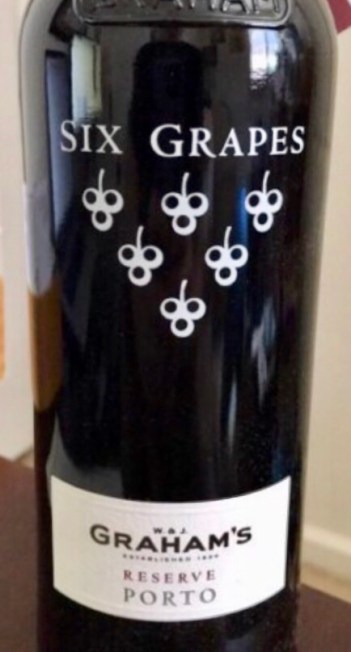
We recently received a sample bottle of Graham’s Six Grapes Reserve Port. W & J Graham has been making Port since 1820. After 198 years, they really know what they’re doing! William and John Graham originally set up shop as textile traders. In 1820, they accepted 27 barrels of Port as payment for a debt. They must have been impressed with the product, because they decided to change their business direction and produce Port.

I found it interesting to learn, with the American fascination with all things British Royalty, that W & J Graham was commissioned to produce a special Vintage Port for the marriage of Prince Harry and Meghan Markle back in May of 2018. While we weren’t able to have a taste of that special wine, we did thoroughly enjoy this bottle as a reasonable alternative for we commoners.

Port is a fortified wine. What does it mean to be “fortified?” Great question. Port starts out like any other wine. Grapes are harvested and fermentation started. However, before the yeast can finish eating all the sugar, fermentation is intentionally stopped by adding a high-proof spirit, typically brandy. This stops the fermentation process, and the wine retains a higher level of sugar. This process was originally developed to preserve the wine during shipping – back in those days everything was transported by ship, and traditional wine often spoiled in transit. The brandy also increases the alcohol content; fortifying the wine. This process gives Port its distinctive sweet, rich flavor profile.

The Graham’s Six Grapes Reserve Port is always a solid performer. Made from grapes harvested from the same vineyards that result in their Vintage Ports, the Six Grapes Reserve is often compared to those pricier bottles. How good is it?

The following wine was provided as a media sample for review. All review, descriptions, and opinions are our own. We received no additional compensation.

img_2173

Wow! This is dark! Inky purple color. There are aromas of black currant, stewed blackberry and cherry, and blueberry. As the wine glides over the lips, silky smooth tannins deliver rich flavors of spicy blackberry, cassis, blueberry, and cherry…lots of cherry! There are notes of black pepper and spice mid-palate. Decadent full body and mouthfeel. The finish goes on and on with chocolate covered cherry, blackberry, and soft spice.

Graham’s Six Grapes Reserve Port has a Suggested Retail Price of $24, but it is available at larger retailers (think Total Wine & More) for as little as $16. For a wine this good, at such an affordable price, you should go get some. Now.

Cheers!

  • By Kent Reynolds and Robyn Raphael
Côtes du Rhône, Châteauneuf-du-Pape, France, Gigondas, Rhone, Rhone Valley, Viognier, Wine

Exploring the Rhône through a Wine Glass

During the 2017 Wine Bloggers Conference, we were introduced to the wines of Cariñena, Spain. Predominantly Garnahca based wines, we were instantly in love. As we enjoyed the flavors of these wines, we began to yearn to explore other regions noted for their Garnacha wines. Perhaps the most famous of these regions is the Rhône Valley in France. There, as in most of the wine world, this fantastic and versatile red grape is known as Grenache.

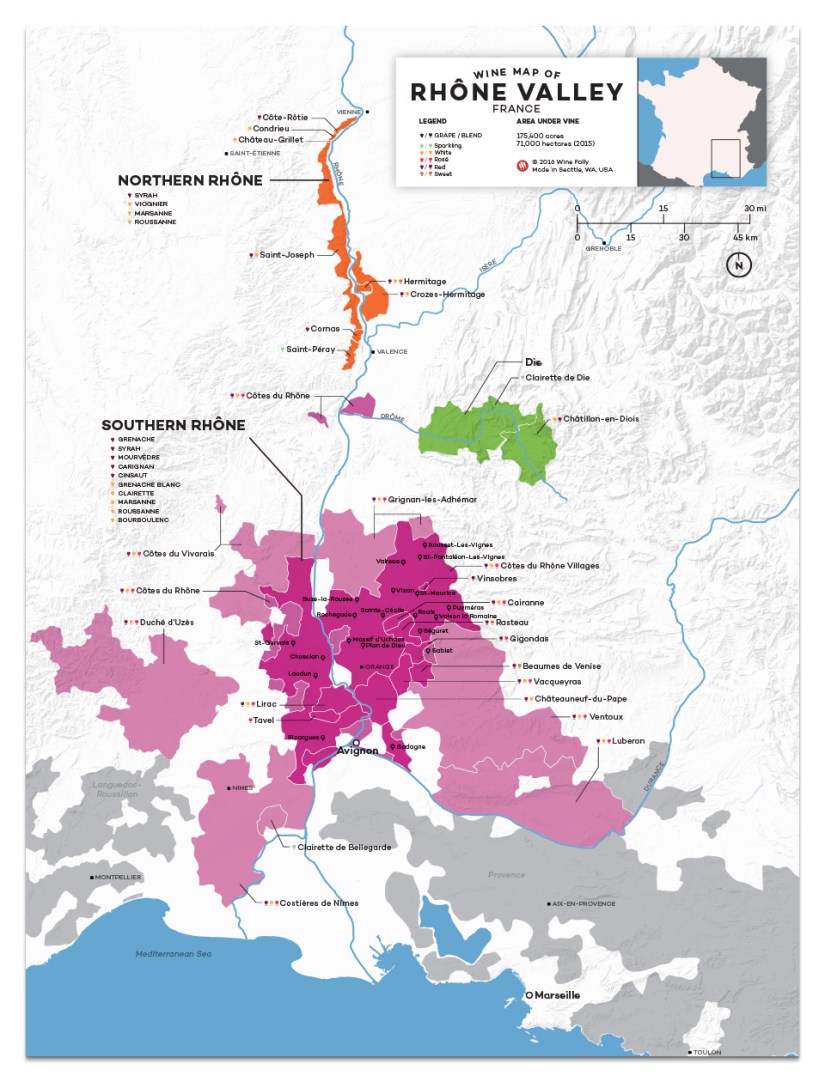
The Rhône Valley is in the southeast of France. It is one of the oldest grape growing regions in the world, with viticulture documented as early as the 4th century B.C. The valley runs some 150 miles in a north-south direction, and as such, encompassess a wide variety of soil and growing conditions. The Rhône Valley can generally be divided into the Northern and the Southern. In the Northern Rhône, Syrah is king, with the wines generally dominated by this grape. Village (and wine) names such as Côte-Rôtie, Condrieu, Crozes-Hermitage, and Hermitage may be familiar to you, as these are some of the more famous Syrah regions in France.

12x16-France-Rhone-wine-map2
Credit: WineFolly.com

In the Southern Rhône Valley, the wines are most often blends, with Grenache playing the lead role, usually supported by such cast of characters as Syrah and Mourvèdre. These wines are commonly known as GSM. In addition to reds, the Rhone Valley also produces some stunning white wines, from Viognier, Marsanne, and Roussanne grapes. While we’ve had Grenache and Viognier wines before, including GSM and Viognier from the Rhône Valley, we wanted to deliberately dive into some fine Southern Rhône Valley wines to explore and get to know the region as well as the wine.

The more well-known villages in the Southern Rhône are Côtes du Rhône, a rather generic term for wines from this area, Côtes du Rhône Villages – denoting a more specific identity of place and quality, Gigondas, Vacqueyras, and what is arguably the most famous and best quality Southern Rhône region, Châteauneuf-du-Pape. There are many other villages worth exploring, but we wanted to focus on the most famous and prolific for now.

The Southern Rhône is a Mediterranean climate, as one might expect in the South of France. Long, warm summers and mild winters provide ideal growing conditions for Grenache. In addition, the Mistral winds, blowing up to 60 miles per hour, some 150 days per year, provide cooling and drying to the tight, fungus-prone Grenache grape clusters. Hold on to your hat, to be sure, but appreciate those high winds for the effect they have on this cherished wine!

Before we dive into the wines, allow us to share another little tidbit from history. The famous Châteauneuf-du-Pape is roughly translated to “New Castle of the Pope.” In 14th century, the papacy moved from Rome to Avignon, a village along the Rhône River near the southern end of the valley. Apparently the Popes enjoyed the tranquility of French countryside! In 1317, Pope John XXII had a summer residence built at what is now Châteauneuf-du-Pape. Although construction was not completed until 1333, a year before Pope John XXII’s death, the name remains and the wines from this region remain coveted for their quality.

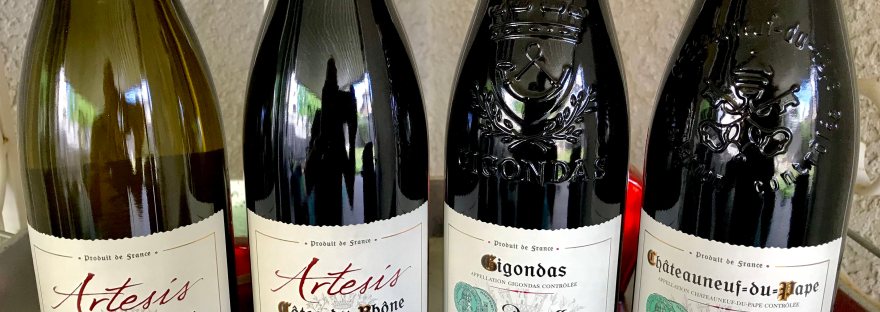
With our interest in Southern Rhône wines, we were pleased to receive the following bottles as media samples. Tasting through these wines, we were transported to the South of France in each glass. Though we have not yet been in person, the Rhône Valley is definitely high on our list of places to visit.

Now, on to the wines!

The wines below are media samples. All thoughts, opinions, and notes are our own. No other compensation was received.

Ogier Côtes du Rhône Artesis Blanc 2016


Golden color in the glass. Aromas of white flower, light straw, and tropical fruit. In the palate, there are flavors of lemon and grapefruit, with hints of mango, and soft floral and herbal notes rounding out the mouth. Soft, full mouthfeel with vibrant acidity. The finish is medium with pleasing notes of citrus, tropical fruit, and floral. Excellent pairing with grilled sea bass and rosemary quinoa.

Ogier Côtes du Rhône Artesis 2016

Deep, rich purple color. We decanted for about an hour before serving. On the nose, luscious aromas of blueberry, raspberry, and plum with spicy notes. On the palate, blackberry, black cherry, blueberry, and plum, with black pepper, baking spice, and vanilla. Notes of milk chocolate as the finish develops, ending with spicy black fruit. The mouthfeel and tannins are incredibly soft, round, and smooth, with medium acidity. We paired this with, of all things, carne asada tacos with a radish-cilantro salsa, and it was sublime. A truly amazing Côtes du Rhône.

Ogier Gigondas Dentellis 2014

Deep ruby color. Decanted for about an hour and pleasing aromas of raspberry, bramble, and black pepper. On the palate, there are flavors of cherry, red currant, cranberry, raspberry, and spice. At mid palate mineral and crushed granite notes emerge, along with hints of milk chocolate and black pepper. Medium body with mild tannins and acidity. We paired this with grilled Ahi tuna steaks, and the combination was amazing! The spice in the wine really enhanced the flavor of the tuna. This is a truly amazing wine!

Ogier Châteauneuf-du-Pape Reine Jeanne 2014

They call this the wine of kings, king of wines for a very good reason. Rich, complex, and delicious. Cherry red color with brick rim. Aromas of chocolate covered cherry, licorice, and smoke. On the palate there are flavors of black cherry, ripe raspberry, tobacco, licorice, cloves and other baking spice, and smoky notes. Tannins are firm but smooth, and ample acidity perfect for food pairing. We had this with grilled rib eye cooked medium rare, and it was heavenly perfection. Long, spicy finish with abundant red fruit and milk chocolate. Please may I have another?

As you can tell, we were very impressed with the wines of the Southern Rhône Valley. If you’d like to travel to the Rhône in a wine glass, head to your local wine shop and get yourself some of these amazing wines today!

Cheers

  • By Kent Reynolds and Robyn Raphael
  • Photo Credits, unless otherwise noted: Kent Reynolds

References:

Black Rooster, Chianti, Chianti Classico, Italy, Sangiovese, Tuscany, Wine

Chianti Classico and the Black Rooster

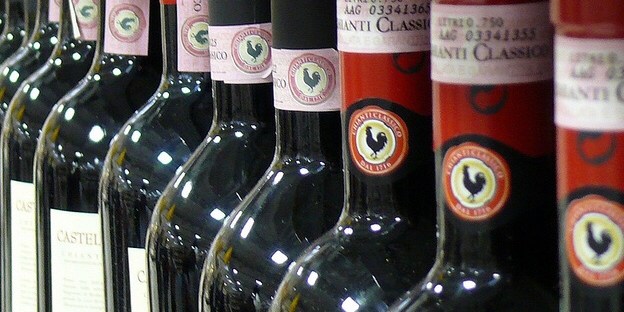
A couple of weeks ago, we were out to dinner with friends at a quaint, local Italian restaurant. As one does when dining Italian, we ordered a bottle of Chianti, or more specifically, Chianti Classico. As we sat enjoying the food, wine, and company, the discussion turned to the little black rooster on the Chianti Classico bottle. Perhaps you’ve seen it…

Logo_chianticlassico
Credit: http://www.chianti.com

I started to explain the history behind the black rooster, and why it appears on every bottle of Chianti Classico. However, much to my own embarrassment (I’m a wine blogger, after all; people look to me as a font of wine knowledge and wisdom) I couldn’t recall the story. I knew there was some dispute some centuries ago, and that a black rooster was somehow involved, but that was all I could remember at the time.

img_1784

So I did what any self-respecting and self-proclaimed wine “expert” would do.

I Googled it.

Google Search

Contrary to some popular belief, Chianti is not a wine grape. It is a region in Tuscany, Italy, renowned for its red wines made from the Sangiovese grape. Sure, a few decades ago, Chianti suffered from a bit of an identity crisis, but then again, didn’t we all? Back then, Chianti was usually a cheap, low quality wine, better known for its gitchy “basket” bottle (bonus points if you know that it’s called a “fiasco”) than for the wine quality. The fiasco, in turn, was better known as a holder for colorful, dripping candles than as a vessel containing delicious wine.


The Chianti wine region is expansive, spanning some 100 miles between Florence in the north and Siena in the south. However, the most highly regarded Chianti wines come from what has been designated the Chianti Classico region. The Chianti Classico region is that portion of Tuscany considered the original and best Chianti hills and vineyards, dating back to the 1700’s when the Chianti region was first designated.

chianti-wine-region
Credit: http://www.chianti.com

Which brings us to our story.

As legend has it, in the 13th century, before Italy was a unified country, Florence and Siena were engaged in a land dispute. Can you blame them? If you could claim rights to a prime wine region, wouldn’t you? Anyway, the two feuding cities decided to end their dispute with a race. The plan was that at the crack of dawn on the day of the race, each city would send a rider on horseback toward the other. Where the riders met, the new land border would be established. Of course, 800 years ago, they didn’t have Smartphones to wake them up, or even alarm clocks. Back then, they relied on the good old, low tech rooster!

In Siena, a white rooster was selected as the most dependable, and was given the task of waking their rider. Of course, some strategy must be employed to ensure victory, so the people of Siena fed their white rooster well, to keep him happy and crowing strong! To the north in Florence, a black rooster was chosen. However, the people of Florence had a different strategy. They put their rooster in a box for a few days before the race, with no food.

On the morning of the race, the very hungry and understandably grouchy black rooster of Florence woke at the first sign of light and began crowing, waking the town and more importantly, the rider. In Siena, however, the white rooster, content with a full stomach, slept in a bit.  Thus, the rider from Florence got a head start on the rider from Siena and covered much more territory. So much so, that they met just 20 kilometers (about 12 miles) from the walls of Siena. The new border was established, much in Florence’s favor, and the black rooster was established as the mascot of Chianti. The emblem was first adopted in 1384, and has been in use ever since.

Now that you know the story, make a reservation at your favorite local Italian restaurant, order a bottle of Chianti Classico, and amaze your friends with your very impressive knowledge of this entertaining tale.

Cheers!

  • By Kent Reynolds

References:

https://www.chianti.com/wine/chianti-classico.html

https://www.wine-searcher.com/regions-chianti

https://vinepair.com/wine-blog/how-a-starving-rooster-made-chianti-classico-famous/


Alexander Valley, Cabernet Sauvignon, Chocolate, Experience, Experience Alexander Valley, Medlock Ames, Stonestreet Estate Vineyards, Wine, Wine Country Weekend, Wine Travel

Experience Alexander Valley, Day 1 – Medlock Ames and Stonestreet

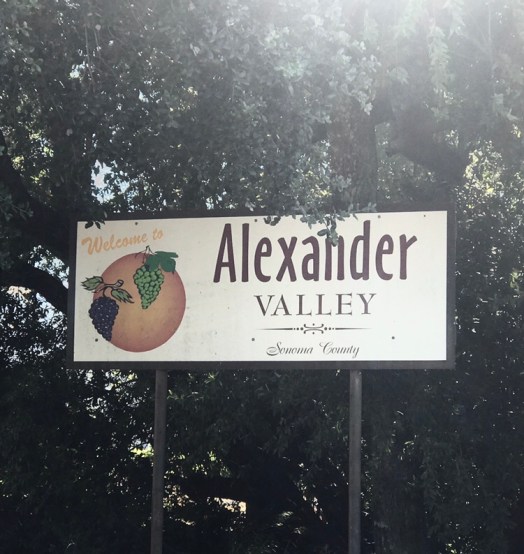
It was with eager anticipation that we set off on our journey to the first annual Experience Alexander Valley. We’d been invited as guests of Alexander Valley Winegrowers*, and based on all we’d heard about this new event, we knew we were in for something special. We wrote a couple of preview pieces, which if you missed them and want to catch up, you can read here, and here. But the previews don’t come close to capturing the magic and adventure that Experience Alexander Valley delivered.
img_3106

* As guests, our event admission was complimentary. We received no other compensation or incentive. All descriptions, opinions, and reviews are our own.

Like many wine country events, this was a two-day adventure. Unlike many wine country events, rather than racing from winery to winery, guests got to choose two Experiences per day. Since we were invited as bloggers, to cover and promote the event, Robyn and I wanted to participate in as many Experiences as possible…to a point – we do enjoy each other’s company! So we decided “divide and conquer”, at least for a couple of Experiences. We each selected one Experience per day to fly solo, and one to attend together.

Saturday dawned clear and bright. And warm.  Weather forecasters predicted highs near 103F, and they weren’t far off. This meant that many outdoor Experiences had to be canceled or at least modified. Nevertheless, we were undaunted and headed from our hotel to Robyn’s first destination, deLorimier Winery. I’ll let Robyn tell the story of her Experience herself. Watch for her blog post in a few days.

img_3132

I had a bit of a drive to get to my first Experience, at the Medlock Ames Winery. Though they have a tasting room on the valley floor, they wanted to treat guests to a Sustainable Winemaking Experience at their vineyards and production facility. The drive was beautiful, along the east side of the valley, then up Chalk Hill Road. The thing that struck me most: No Traffic! I was virtually alone on a Saturday morning in Wine Country.

Turning onto a single lane road, I started to get a little nervous that my trusty Google Maps might have failed me. It was a paved, single lane road, so that was hopeful. Alas, my trust in Google ran out two hilly ridges in. I turned around, beginning what would be a 30 minute detour that ended up taking me right back where I was. Around a curve about 100 yards beyond where I’d turned around was the entrance to Medlock Ames. Sigh. I’d done it to myself, and was almost 45 minutes late!

Fortunately, friendly Isabella saw my plight and left her post in the tasting room to rescue me. She came out into the already 90+ degree day, and caught me up with the small group on the outdoor tour. Isabella handed me off to Chelsea, who was leading the two other guests, Jimmy and Maryanne, on a tour of the grounds.

Medlock Ames is a sustainable, organic winery, and includes a one-acre vegetable garden, and a one-acre fruit garden. Due to the heat, we were not able to walk to those gardens, but still got a brief overview of the property and history. Chelsea led us to the shade of a large tree at the edge of a vineyard. There she told us that the two acres of vines were looking at were nearly ripped out when owners Chris Medlock James and Ames Morison purchased the property in 1998. The vineyard had been planted by the previous owner, a sheep rancher, and nobody knew what variety they were. Ames, the head winemaker, was hesitant, however, and decided to walk the vines before excavation. He found a tag on a vine, from a nursery in New York. After a call to the nursery and some research, and they found the answer: Merlot. But not just any Merlot. These vines are Jefferson clones; descendants of vines that Founding Father Thomas Jefferson brought from France to his Virginia estate! With that kind of pedigree, the former Tulane University roommates decided to leave the vines in.

All Medlock Ames are made from 100% organic, estate grown fruit. The winery is fully solar powered. Of the 338 acres on the estate, only about 55 acres are farmed, leaving the rest of the land to its native flora and fauna. There are more than 800 olive trees, five retention ponds for irrigation, and at least 50 barn owl boxes on the property. To help conserve energy, the barrel room is underground, below the production facility.

Speaking of the barrel room, where better to continue the tour on such a hot day? After a brief visit among the fermentation tanks upstairs, we ventured down into the 55 degree cellar to meet Ames, and enjoy some barrel tasting.

The beauty of the Experience Alexander Valley event is that the three of us had about 30-45 minutes of interrupted time with the head winemaker. (I was enjoying myself too much to keep track of time.) We could ask whatever questions we wanted, and he took the time to answer in a way we could all understand. You don’t get that on a party bus tour!

Ames is clearly passionate about what he does, and is very knowledgeable. He thieved us samples of their 2017 Lower Slope Chardonnay, the 2017 50 Tons Cabernet Sauvignon, the 2017 Kate’s & B’s Cabernet Sauvignon, and the 2017 Secret Ingredient Malbec. Each of the wines has a nick-name, and a story. The Kate’s and B’s is named after Chris and Ames’ wives; Kate is Ames’ wife, and B (stands for Bradley) is Chris’ wife. They chose the very best grapes from the very best vineyards to make the wine with their wives’ names on it. Smart men!

img_1498

From the cellar, we walked back up to the tasting room where Chelsea hosted us in a wine and cheese pairing. The cheeses are all local, Sonoma County artisan cheeses, and paired each of the wine amazingly! I’ll let the pictures tell the story here.

As we were finishing up, I got Robyn’s text letting me know her Experience was over, and she was ready for me to come get her. So I didn’t have time to explore the preserves, marmalades, and olive oils they make with estate fruit. No worries though; that gives me something to look forward to when I bring Robyn on our next visit!

After a quick lunch break, we headed to our next Experience, this time together. Turning up the tree-lined drive to Stonestreet Estate Vineyards, we were taken with the beauty of the property. Here, we were to enjoy a chocolate and Cabernet Sauvignon tasting. Originally scheduled outdoors on their beautiful patio overlooking the valley and nearby Mayacamas Mountain range, they thankfully relocated the tasting indoors, in their air conditioned tasting room.

img_3169

We were greeted by DTC (Direct to Consumer) Manager, Michelle, and our host and guide for the day, Tasting Room Manager, Samantha. Having never heard of Stonestreet before, we were in for a bit of a surprise.

Video credit: Stonestreet Estate Vineyards

Stonestreet Estate Vineyards owns a large chunk of the Mayacamas Mountains we had admired as we entered the property. 5500 acres, to be more specific. Yet of those 5500 acres, only 800 acres are planted to vines. Committed to sustainable and environmentally friendly winemaking, when the owners purchased the land in 1995, they conducted wildlife studies; migration patterns, breeding grounds, etc. and planted around those areas so as to not disturb the native wildlife. This also helps to keep the critters out of the vineyards. But that wasn’t the biggest surprise. Stonestreet Estate Vineyards is part of Stonestreet Farms, located in Kentucky. Stonestreet Farms breeds thoroughbred race horses, very successfully, including such standouts as Rachel Alexandra (depicted in the beautiful statue on the grounds.) The founder of Stonestreet Farms was Jess Stonestreet Jackson. Jess Jackson. Yes, the Kendall-Jackson Jess Jackson! Surprise! Who knew?

Now on to the chocolate and Cabernet pairing. Some might think that it is difficult to pair chocolate with Cabernet Sauvignon, and it can be. The wine is often too tannic to work well with the creaminess of the chocolate. But Stonestreet sent samples of the wines for the pairing to the local pastry chef they’d commissioned for the event. She, in turn, created the chocolate confections to match each of the wines. It was exquisite! While it was hard to select a favorite, if forced, I’d say mine was third from the left, the Chocolate Budino with huckleberry compote. Robyn fell in love with the Opera Cake (second from left) made with dark chocolate genoise, espresso cream, and topped with a sprig of lemon thyme. Each of the single vineyard Cabernet Sauvignons paired perfectly with the chocolates.

Running a little ahead of schedule allowed Samantha to give us a brief tour of the barrel room, and some photo ops. We also had a chance to sample their Meritage, Bordeaux-style red blend. Made from all five of the noble grapes, it was amazing!


And that’s it. Just two Experiences per day. I’ve prattled on long enough for now, and we’ll cover Sunday later. Robyn will write about her solo Experiences in separate post, too. Oh sure, there was the fantastic blues concert at deLorimier Saturday evening, but Robyn will write about that in her first Experience post.

img_3113

The biggest takeaways for us on Saturday were these: One, Alexander Valley is a hidden gem; a peaceful wine oasis mere minutes from the crowds and bustle of Napa. There was virtually no traffic all weekend, and no crowds, either. Sure, the heat may have kept some away, but Sunday was much cooler and yet no more crowded.

The other takeaway was this: though the lack of crowds was nice, Experience Alexander Valley was noticeably under-attended. Experiences had capacity for up to 24 guests. Of the four I attended, two had only three guests, one had four, and one had seven. Intimate to be sure, but really, folks, come out next year and let’s make this an event, an Experience, worth repeating! You’ll remember your Experiences forever.

Cheers!

  • By Kent Reynolds, with Robyn Raphael
  • Photos by Kent Reynolds and Robyn Raphael, unless otherwise noted.
Calistoga, Chateau Montelena, Napa Valley, Survivor, Wine, Zinfandel

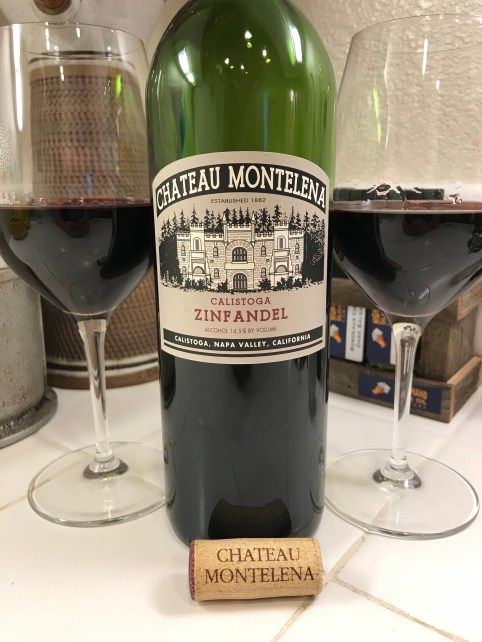
Review: Chateau Montelena Calistoga Zinfandel 2015

Most wine geeks know the name Chateau Montelena. For those who don’t, allow me to inform you. Chateau Montelena is the Calistoga, California, winery that produced the Chardonnay that beat out Burgundy, France, in the famous Judgement of Paris in 1976. The Chateau Montelena 1973 Chardonnay put Napa on the wine map, and forever changed the landscape of California wine, both literally and figuratively. (Been to Napa lately?)

Would it surprise you to learn that Chateau Montelena is more than world class Chardonnay? Of course being in the Napa Valley, they produce a stunning Cabernet Sauvignon. But did you know they also make a spectacular Zinfandel?

Zinfandel is often thought of as “America’s grape” although genetic testing has determined that the grape originated in Croatia. Nevertheless, Zinfandel is associated with California due to its historical roots to the Gold Rush. Most people associate Zinfandel with Lodi, Russian River Valley in Sonoma County, or perhaps the Sierra Foothills (some of my favorites), but many forget that Napa Valley produces some impressive Zinfandel.

Zinfandel is a hearty grape; a survivor. The vines can live much longer than many other vines, and still produce stunning fruit. Some would say Old Vine Zinfandel is better, softer, and smoother than wine from younger vines. From my tasting experience, I’d have to agree. Zinfandel is also drought tolerant, and thrives in warmer climates, where some other grapes would suffer.

I had never really thought of Napa Valley or Calistoga for Zinfandel, much less Chateau Montelena, known for its Chardonnay and Cabernet. So I was intrigued when I received a sample bottle of Chateau Montelena Calistoga Zinfandel 2015. Winemaker Matt Crafton says of this wine: “…the 2015 vintage showcases [the survivor] quality beautifully. There’s something hallowed in the old, war-torn vines that have endured many challenging growing seasons coupled with the vitality and exuberance of younger plantings that allow us to create this truly compelling wine.”

The 2015 is crafted from fruit harvested from Estate vines that were among the first planted the year Jim Barrett founded Chateau Montelena, 1972, blended with grapes from younger vines. This blend provides the best of both worlds; the soft, smooth qualities of Old Vine Zin, with the youthful fruit and zip of newer vines. 2015 was a very dry year, as California suffered through one of the worst droughts on record. Trees and other vegetation suffered, but the sturdy Zinfandel vines took it in stride, producing rich, intense fruit resulting in an exquisite wine.

This wine was submitted to me as a media sample for review. I received no other compensation. All thoughts, opinions, and tasting notes are my own.

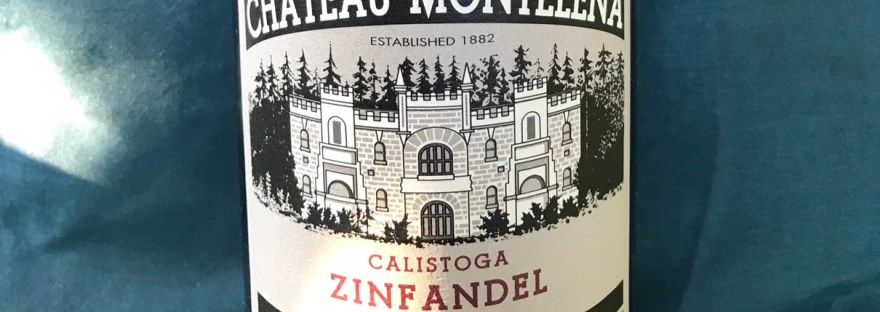
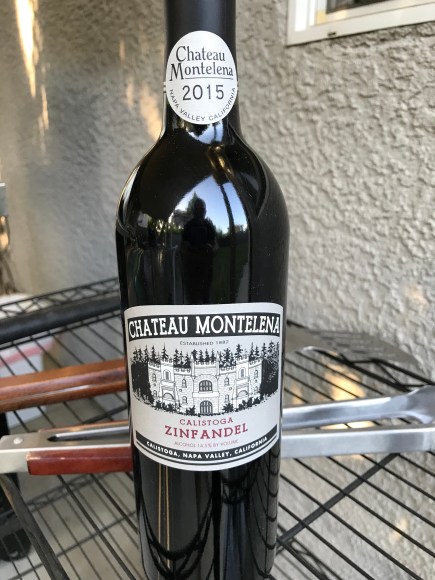
Chateau Montelena Calistoga Zinfandel 2015

img_1369

Medium purple color with ruby rim. On the nose, more earthy than other Zinfandels I’ve had, but all the fresh blackberry bramble and fruit aromas I expected. On the palate, fresh blackberry, blueberry, cherry, and spice, with dusty chocolate notes, and secondary flavors of vanilla and leather, with smoky notes on the finish. Tannins are bold and chewy; balanced with light acidity. Served with grilled pork chops, the food tames the tannins and really brings out the character. The finish lingers, enticing yet another sip. Perhaps another bottle.

SRP $39.00

img_1371

This Zinfandel is truly one of a kind. I’ve tasted dozens of Zinfandels over the years; it is one of my favorite varietals; and this one is definitely unique. It’s bigger, earthier, and with more structure and tannin than many other Zinfandels. If you get the opportunity to try this spectacular wine, take it!

​Cheers!

  • By Kent Reynolds
  • Photo staging by Robyn Raphael
German, Germany, Klein, nakedwines.com, Riesling, Trocken, Wine

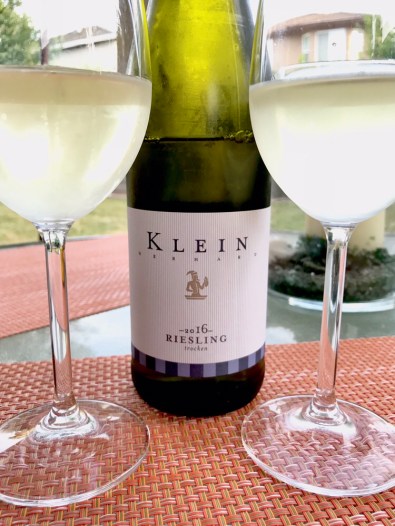
Review: Klein Riesling Trocken 2016

Riesling. A divisive grape, to be sure. Most people either love it or hate it. For many of us in the United States, Riesling means syrupy sweet, low quality wine. Yet the greatest Rieslings are actually dry, with low residual sugar, and layers of complex flavors. Renowned wine expert Jancis Robinson calls Riesling “the wine world’s greatest underdog.” Of course, she is referring to dry Riesling, but even sweeter styles have their qualities, and are appealing to a vast segment of wine consumers who prefer sweet wines. My dad is one of them; a sweet Riesling is his favorite style of wine. Indeed, many wine experts assert that Riesling is the world’s greatest grape variety.

Riesling is a versatile grape, and can be made into sweet, dessert wines, or crafted into dry, refreshing dry wines, or anything in between. Many Rieslings produced in the U.S. are sweet, which leads to much of the confusion about the varietal. When all you know is one style, you assume all labels are that same style. Riesling originated in Germany, and the fact is, German producers did themselves, and the grape, no favors in churning out barrels of low-quality Riesling back in the 1980’s and ‘90’s. Today, quality has improved, and there are many high quality Rieslings readily available to consumers.

img_1276

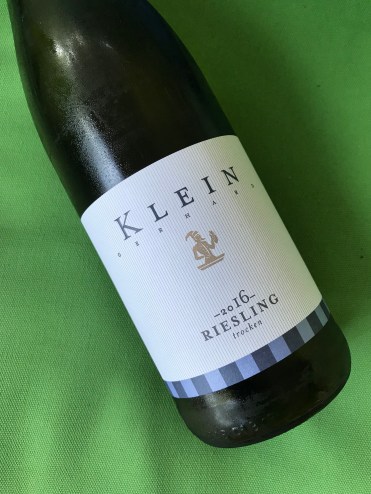
I had the privilege of tasting one such German Riesling recently. As a member of NakedWines.com, I ordered a bottle of the Klein Riesling Trocken 2016. Admittedly, German wine labels are among the most confusing and confounding on the planet. Just remember this: “Trocken” means “DRY.” And dry this wine is! Winemaker Peter Klein is a rising star in the German winemaking scene. He is a 14th generation winemaker! (Read that again…fourteen generations!!) He was runner-up in Germany’s “Young Winemaker of the Year” competition this year. And his Riesling Trocken is all that!

img_1277

Pale straw color. Aromas of pineapple and pear. On the palate, crisp acidity and flavors of pineapple, quince, pear, and white peach. Definitely fruit-forward, but not sweet. We started ice-box cold and let it warm as we drank it on the patio. As the wine warmed, enticing floral aromas emerged. We enjoyed this sans food, but it would be an excellent accompaniment to spicy Asian food or local, German cuisine.

If you have always assumed all Riesling is sweet, get your hands on a Trocken, chill it down a bit (but not too much) and get ready to experience the greatest grape in the world. If this Klein Riesling Trocken 2016 sounds like a good place to start (and it is) click here for a voucher worth $100 off your first NakedWines.com order. You’ll be glad you did.NW Logo

Cheers!

  • By Kent Reynolds
  • Photo composition by Robyn Raphael


Cabernet Sauvignon, Italy, Sangiovese, Toscana, Tuscany, Wine, Wine Review

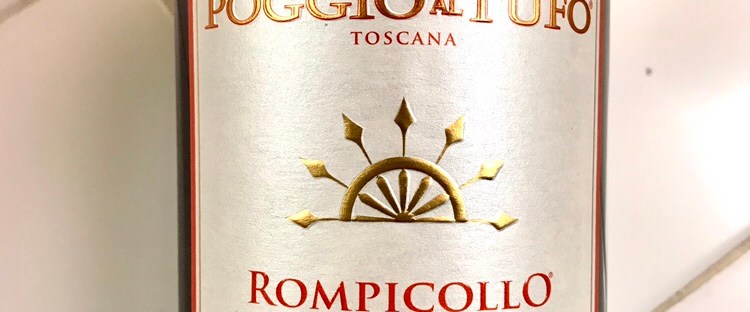
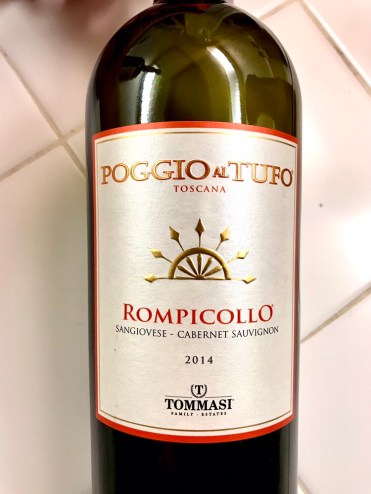
Review: Tommasi Poggio al Tufo Rompicollo 2014

On a recent business trip, Robyn met a fellow conference attendee who gave her a recommendation for a new wine. Frank said this wine is one of he and his girlfriend’s favorites, and suggested Robyn and I give it a try. The wine is Tommasi Poggio al Tufo Rompicollo, from Toscana, Italy. Robyn texted me a picture of the bottle, and I went on the hunt. I didn’t have to look far. Our local Total Wine & More store just happens to carry this wine.

When Robyn arrived home from her trip, she had a little surprise waiting for her on the counter. We adore Italian wines, and some of our favorites are the Sangiovese-based wines out of Tuscany. So naturally, I had stopped at Total Wine on my way home from work the day after her text, and bought a bottle to try.

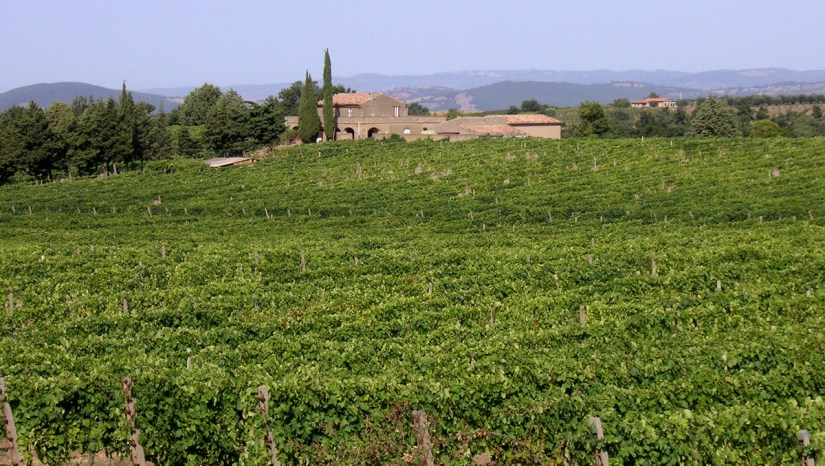
Tommasi Family Estates has been producing wine grapes since 1902. The family got their start in Valpolicella Classica, Verona, and has since expanded to other regions in Italy. They launched the Poggio al Tufo line of wines in 1997 with the acquisition of the Pitigliano Estate, 66 hectares of vineyards planted in volcanic soil, in the rolling Tuscan hills. The addition of two more vineyards, the 24 hectare Doganella Estate and the Scansano Estate, 80 hectares in the DOC Morellino zone, expanded the operation. The Doganella Estate is an organic production, producing high quality grapes due to the hot, dry Tuscan summers and cooling breezes from the Tyrrhenian Sea.

vigneto-poggio3
Photo Credit: http://www.poggioaltufo.it/en/

The Tommasi Poggio al Tufo Rompicollo is a blend of 60% Sangiovese and 40% Cabernet Sauvignon. Several vintages of this wine have won numerous awards and accolades, including 93 points from Vinous Media (2012), No. 31 in the Wine Spectator Top 100, with a 92 point score (2011), and 87 points from both Wine Spectator and Wine Enthusiast (2010).

img_1056

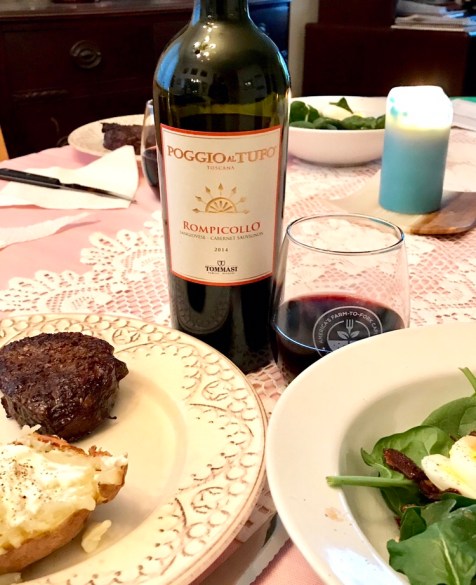
The current release, at least what is available in our local store, is the 2014. We opened it to enjoy with our meal of grilled filet mignon steaks, baked potato, and spinach salad with warm bacon dressing. Exquisite is the best word to describe it! Here’s my review posted on Vivino:

img_1055

Delicious Toscana blend. Dark purple and ruby colors. Aromas of bing cherry and soft cedar. On the palate, juicy cherry and blackberry flavors meld with notes of cola, vanilla, and oak. Soft, silky tannins and medium acidity balance the wine and make for great dipping or food pairing. Long, black fruit and spice finish. We had this with grilled filet steaks and it was outstanding!

I highly recommend this outstanding Toscana wine. And at $15.99 retail, it’s a bottle you can enjoy often!

Cheers!

  • By Kent Reynolds, with inspiration by Robyn Raphael
  • Photos by Kent Reynolds (unless otherwise credited)


Argentina, New York Strip Steak, Unanime, Wine

Review: Mascota Vineyards Unánime 2011

Sometimes a wine comes along that is special in ways that transcend the quality and ratings. Unánime 2011 is such a wine. Sure, Wine Enthusiast gave it 93 points. That’s impressive all on its own. Yes, it’s the Total Wine & More No. 1 red wine of 2016. All those customers and store associates can’t be wrong, so there’s that. Accolades certainly generate interest and drive sales, and that’s always a good thing. However, what makes this bottle special is the circumstances by which it ended up in my hands, and its contents in my glass.

Sometimes life throws you a curveball. Not long ago, I found myself facing a particularly difficult pitch. Fortunately, I have a great coaching staff around me, so I was able to swing and make contact. Circumstances arose that required we sell our home, and quick. As luck would have it, my brother-in-law, Todd, is a realtor, so we engaged his services. Through a combination of his professional talents and 11 years of loving care of our home, we accepted an offer after just 7 days on the market. The entire process ran smoothly and, thanks largely to Todd’s influence, the 30-day escrow closed on time.

I can’t begin to adequately express my appreciation for Todd’s help and expertise throughout this very stressful process. So imagine my surprise this morning, when I answered a knock at my new door, and there stood Todd, gift bag in hand. I should be buying him gifts, and yet as a “thank you” for allowing him to serve us, he brought me a gift of Unánime 2011.

unanime-2011

As it happened, I was planning to grill a New York steak for dinner tonight – my first grilling experience after several weeks in transition. It was to be a simple, but special dinner. I was debating what wine to open with my steak, but as soon as I pulled the bottle from the bag, I had my answer.

As I mentioned, Mascota Vineyards Unánime 2011 is the Total Wine & More No. 1 red wine of 2016. I’ve wanted to try it for some weeks, but just haven’t had the time. Todd solved this problem for me. From the back label:

UNANIME, from the Latin “Unanimis” refers to a group of people sharing the same opinions or views; being in complete harmony or accord.

This simple word summarizes this special project. When we were finishing the harvest 2005, both our Winemakers and Agronomists agreed that it was the time to start crafting a superior red blend, a “Gran Vino Tinto”.

We wanted to reflect the great wines Argentina can offer when exceptional climate and passionate people come together in harmony.

A blend of 60% Cabernet Sauvignon, 25% Malbec, and 15% Cabernet Franc, from the Uco Valley in Mendoza, the 2011 spent 20 months in French oak. Here’s what I thought about it:

Inky doesn’t begin to describe the color. Nearly black in the decanter with deep violet rim. Early aromas of ripe blackberry, black cherry, chocolate, and soft oak. On the palate, this is a big, bold, chewy wine with flavors of ripe blackberry, black currant, black pepper, spice, and black cherry. Full bodied with massive tannins, even after 3 hours in the decanter. The finish is long, with black pepper, spice, and dark chocolate. When paired with a juicy New York strip steak, spectacular. This wine will age well for the next 5-10 years.

4.5 stars, 92 – 94 points

$24.99 at Total Wine & More

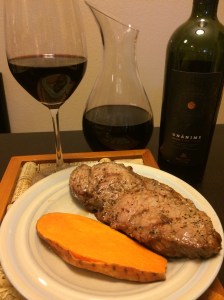
ny-strip-steak-and-baked-sweet-potato-with-unanime
NY Strip Steak and Baked Sweet Potato. The salad was on the side. Honest.

Argentina and beef are synonymous, and this wine is a natural complement to a juicy cut. Grab a bottle of Unánime 2011, fire up the grill, and enjoy the magic.

Cheers!