Ceja Vineyards, Pinot Noir, syrah, Vino de Casa, Wine

Review: Ceja Vineyards Vino de Casa 2010

Ceja Vino de Casa

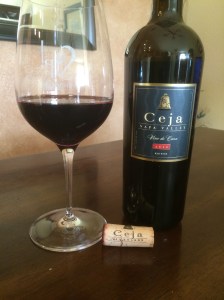
In my continuing periodic series, Wines Scantily Clad, today’s review is the Ceja Vineyards Vino de Casa 2010.

As you may know, I am a member of NakedWines.com, a crowd-funded winery offering excellent wines at excusive, member prices. Wines Scantily Clad are wines that are not NakedWines.com wines, but are produced by NakedWines.com winemakers. These are often private labels, or part of a family venture, as is today’s selection. While not Naked Wines, they are almost Naked, thus, Scantily Clad.

The NakedWines.com connection is Dalia Ceja. Her “La Tapatia” line of Chardonnay and Pinot Noir wines are popular favorites among Angels, and sell out quickly. Dalia’s family came to Napa Valley in the 1960’s as farm workers, and later established the first Mexican-American owned winery in Napa County. (Read their inspiring story here.) When she isn’t making her own wines for NakedWines.com, Dalia is the Brand Marketing Manager for Ceja Vineyards.

Ceja Tiles

When I found the Ceja Vineyards Vino de Casa, my first reaction was, “Interesting. A blend of one of the most delicate red grapes with one of the boldest. I’ve got to try this!” Vino de Casa is a blend of 60% Pinot Noir and 40% Syrah, all from Napa Valley.

From the website:

Aromas of bright cherries, dark fruit, spice and ripe plum. The palate is medium-bodied and showcases hints of black currant and tobacco while ending in a supple finish. Flavors of cedar infused with blueberry abound. This is the perfect “everyday” wine.

 IMG_0746

Here’s my review:

A blend of 60% Pinot Noir and 40% Syrah. The color is a deep Ruby in the glass. Aromas of Bing cherry, plum, and oak greet the nose. First sip, oh so smooth! Raspberry, cranberry, cherry, and vanilla on the palate with soft cedar and blueberry on the finish. A creamy mouthfeel and light acidity make this a truly delightful wine. Delicious on its own, but magical paired with a spice crusted pork steak!

4.5 out of 5 stars

I got mine at Total Wine & More: $26.99.

I highly recommend that you get some, too!

Club W, Wine

Club W, Part I

Club W Stock Photo

I first learned of Club W more than a year ago, from a Facebook ad. Already happily participating in NakedWines.com, I didn’t really give Club W much thought. However, after some of my wine friends shared their favorable experiences with Club W, I decided to check them out.

The premise of Club W is similar to other monthly wine clubs, but it does have some distinctions that help to set it apart. When you first sign up, you answer six questions that are intended to help identify your flavor and taste profile. Questions like:

  • How do you like your coffee?
    • Strong & black.
    • Mild but nothing in it.
    • With cream and/or sugar.
    • Frappuccino’ed.
    • I don’t
  • Do you like earthy flavors like mushrooms and black-truffles?
    • Yes. I’ll more-or-less eat dirt.
    • Yeah, I like these flavors.
    • In moderation, as a secondary flavor.
    • No really my thing.
    • Gross. No.

Club W uses your responses to recommend wines they think you’ll like. Later, when you purchase Club W wines, you rate them (1-5 scale) and those ratings help to refine the recommendations. I’m sure there are other wine clubs that use similar algorithms to match you to wines you’ll love, but Club W was the first one I encountered.

Club W partners with independent winemakers to direct-market their wines. Thus, the wines they sell are available exclusively from Club W. This cuts out the middle tier of the archaic U.S. distribution system, and keeps costs down. The majority of the wines offered through Club W are $13, with a few higher priced options. I have not seen any wines for more than $35. In my book, that’s affordability!

Club W is a monthly club, with a welcome twist. When you sign up, you are agreeing to monthly shipments of three, $13 bottles of wine. By default, they will ship the recommended wines they have selected based on your profile. However, you can substitute different wines if you prefer. Shipping on three bottles is a flat $6, but they offer free shipping on orders of four bottles or more, so it’s like getting a fourth bottle for just $7. Here’s the welcome twist: you can skip a month, or two, or more, with no charge or penalty. Just remember to log in and click the “Skip” button each month before your default order is processed.

My First Club W Experience

To explore the company, I had to create an account, which I did several months ago. New customers get a credit for a free bottle ($13). Perhaps because I delayed in placing an order, upon logging in a few weeks ago, I discovered I had a two bottle, $26 credit. I’m no rocket scientist, but getting three bottles of wine for $13, plus tax and shipping, is kind of a no-brainer.

As I browsed the available wines, I noticed that among the tried and true regulars; Cabernet Sauvignon, Chardonnay, Sauvignon Blanc, and the rest we all know, there were a large number of lesser known varietals. I selected a Lodi Alicante Bouschet, a Portuguese white blend of Arinto and Fernão Pires, and a Paso Robles red blend of Syrah, Barbera, and Valdiguié.

Then I ran into my only real problem. At checkout, when I clicked “Purchase”, my $26 credit did not apply to the order. I immediately e-mailed customer service and asked that they apply my credit to this order. Since this was Saturday morning of a holiday weekend I had to wait a couple days for a response, which came first thing Monday morning. Polite and professional, Jenna apologized for the mix-up. She posted a new $26 credit to my account, and assured me it will apply on my next order. However, the order had already been processed (and my account charged) so they could not apply the credit retroactively. Not exactly what I wanted, but with this resolution, I still get my credit, and Club W gets a repeat customer. Win-win.

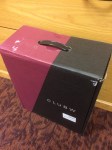
Shipping and delivery were smooth and fast. I was very impressed with the packaging, including the nifty carrying handle. Inside, I found half-page, glossy information sheets. On one side, detailed information about the wine, and on the other, a recipe with which to pair it.

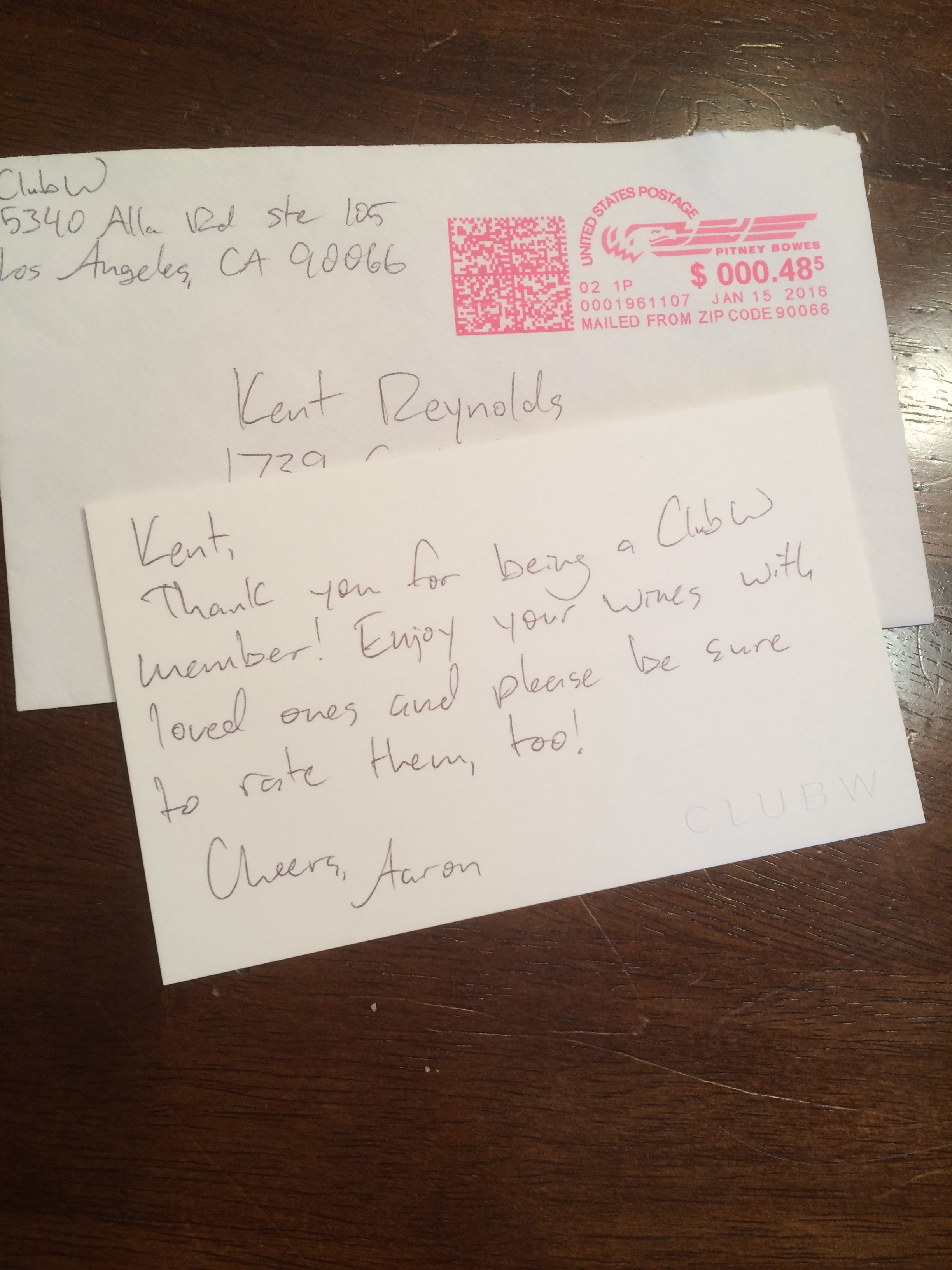
To top it all off, about two weeks after my wine arrived, I received a hand-written note from Aaron at Club W, thanking me for my business. Impressive.

Hand Written Note
A hand-written thank you note! How cool is that?


Most importantly, though, is how the wine tastes! Which brings me to…

Wine Reviews:

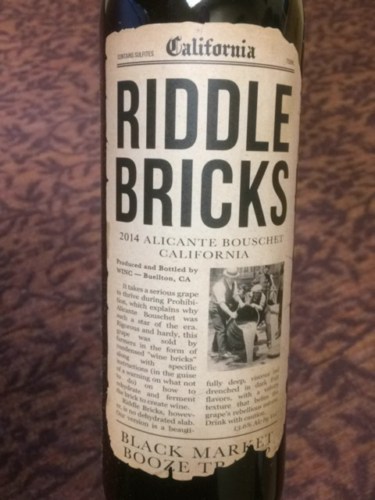
Riddle Bricks

Riddle Bricks Alicante Bouchet California 2014

Deep purple in the glass. Plum and black pepper aromas. Flavors of plum, dark berry, and baking spice. Fruit forward with a full, rich mouthfeel, smooth tannins and soft acidity. Short finish. Not overly complex or deep. Aerating opens it up a bit, but it’s still fairly one dimensional. Still, it is an easy drinking wine, good on its own or with food.

3 out of 5 stars

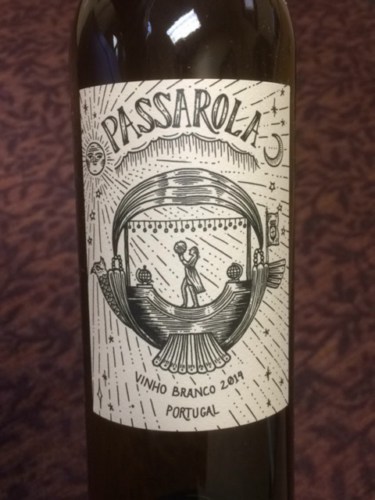
Passarola

Passarola Vinho Branco 2014, Portugal

Golden color in the glass. There are aromas of apricot, pear, and mango. In the palate there are flavors of lemon, lime, and pineapple, with hints of mineral/wet gravel on the back of the tongue. The body is light with bright, lively acidity. The acidity carries into the finish along with fresh citrus. This is a delightful white, that would be quite refreshing on a hot summer afternoon. At just 12% ABV, it’s definitely a gulpable quaff.

4 out of 5 stars

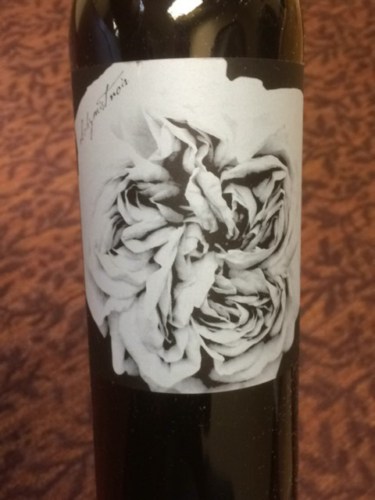
Alcymist

Alchymist Red Blend Paso Robles 2013

An interesting red blend: Syrah, Barbera, and Valdiguié (the grape formerly known as Napa Gamay.) Ruby/purple in the glass, with initial aromas of raspberry, bramble, and some spice. On the palate, there is raspberry, strawberry, and a little smokiness. As it opens up, cherry flavors emerge. The tannins are edgy, but not overpowering, and are met by bright acidity. I would say this is medium bodied, with a medium finish of red fruit and spice.

Based on the description that accompanied the wine: a “big red” with the recommended pairing of dark chocolate, I was expecting something bolder, almost port-esque. It does go nicely with chocolate, bringing out more cherry notes. However, it also is a nice general food wine. Overall, it is another pleasant, easy drinking wine from Club W.

3 out of 5 stars

So…

What I like:

  • Ability to easily skip a month, or several months
  • Supporting the little guy
  • The packaging
  • Info cards with recipes
  • Exploring unusual varietals
  • Availability of International wines
  • Personalized, hand-written thank you note!

What I’d like to see:

  • Club W does not offer the ability to review wines; only assign them a 1-5 scale rating. In my experience with NakedWines.com – where they encourage both ratings and reviews, I have found that, for me, writing a review and describing the flavors and elements in the wine enhances my enjoyment of the wine. Rather than simply knocking back a glass, I become more attentive and contemplative, and enjoy the wine more. True, there are nights that knocking back a glass or two is exactly what’s needed, but for me those nights are the exception.
  • I’d also like the ability to communicate with the winemakers. Through NakedWines.com I have gotten to know several winemakers, meeting many in person. Placing a face, personality, and story with the name on the bottle makes enjoying wine a much more personal experience.
  • At the risk of sounding like a snob, and in fairness I’ve only tried the $13 level wines, but I’d like to see wines with more depth and complexity. (My next order will include at least one of their higher priced Napa Cabernets. This way I can evaluate their upper tier line, and compare quality of a varietal with which I am very familiar.)

Many of the marketing materials I have seen for Club W, including television commercials, Facebook ads, and the photos on their website, suggest to me that their target audience is 20-somethings who are just getting into wine. (I haven’t been in that demographic for 30+ years!) This is certainly an important and potentially lucrative market. Based on my experience, I’d say they’ve hit their mark. The wines are good, and easy-drinking, but not overly complex. If this is the type of wine you enjoy, check out Club W.

All in all, I like the Club W business model. Club W is a convenient source for approachable, easy-drinking wines, and is very customer-friendly. Although not monthly, I will buy from Club W in the future. When I receive my next order, including that Napa Cabernet, I’ll review the wines in another post, Club W, Part II. Stay tuned!

If you are interested in giving Club W a try, do yourself and me a favor and use this link: https://www.clubw.com/kreynolds11. We each get a $13 credit when you order!

Cheers!

Chardonnay, Jac Cole, nakedwines.com, Wine

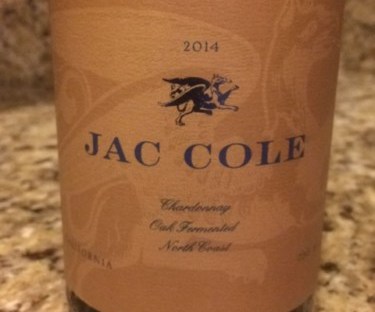
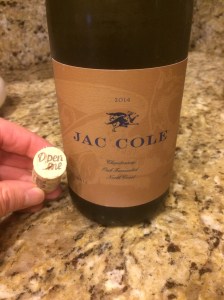
Review: Jac Cole Oak Fermented Chardonnay 2014

Jac Cole Oak Fermented

ABC – Anything But Chardonnay. That was me, until about a year ago. When I started my wine journey in the mid-1990’s, Big Oaky was king of Chardonnay. Just about everything coming out of California and many other regions was essentially oak juice, mixed with a little bit of fruit. A very popular style, to be sure, and it remains popular for some today, just not for me. So I abandoned Chardonnay, thinking that’s just what it tastes like. I prefer my whites with little or no oak. Don’t get me wrong, I like big oak in my wine…full-bodied red wine. As a newbie back then, I didn’t understand or appreciate the role oak plays in enhancing the flavor and texture of some white wines.

About a year ago I received, from NakedWines.com, a sample of Jac Cole’s Unoaked Chardonnay for review. I was astounded to discover that when left to itself, the Chardonnay grape is fruity and delicious! So I started to explore the varietal a bit more, including oaked styles. Further along in my journey now, I have a greater appreciation of the nuances, warmth, and flavors that oak brings to a finely crafted white wine.

Jac Cole Oak Fermented Chardonnay 2014 is just that: a finely crafted white wine. I’ve written about Jac and his wines before. Former winemaker at Charles Krug, one of my favorite Napa Valley producers, he is a highly skilled craftsman. I also had the honor to meet him about a year ago at a picnic, and he is a truly kind, humble man. This fact makes enjoying his wines even more of a pleasure.

Open Me
Always obedient when a cork speaks to me.

Here is my review, posted on the NakedWines.com website:

Once again, Jac Cole knocks it out of the park. Once, I was an ABC’er – Anything But Chardonnay. Then I tasted Jac’s Chardonnay, and I was converted.

Straw yellow on the glass. Aromas of creamy butter and golden delicious apple. On the palate, there is apple, pear, and pineapple, with soft oak. The mouthfeel is rich and creamy, with balanced acidity. On the finish there is green apple, caramel, and toasty oak, and butter.

We started well chilled, and enjoyed it as the wine warmed. Flavors emerged as the temperature increased. It is quite a complex wine. Paired with roasted chicken and butternut squash, it was magical!

Oak fermented, but not overly oaky. That’s Jac. He lets the delicious fruit of the grape shine, and allows the oak to enhance and soften.

ABC? You bet! Anything By Cole!!

4.5 out of 5 hearts

NakedWines.com exclusive, $13.99 member price.

Become a NakedWines.com Angel here, and order some today!

Cheers!

_____________________________________________

Italy, nakedwines.com, Sangiovese, Tuscany, Wine

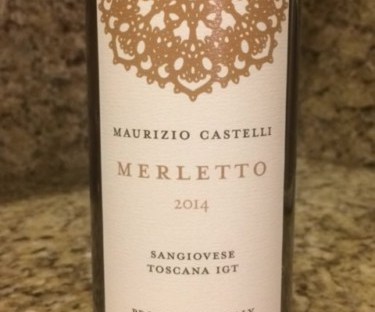
Review: Maurizio Castelli Merletto Sangiovese 2014

Maurizio Castelli Sangiovese

Old World versus New World. What does that even mean? For those accustomed to Californian or other Western Hemisphere, New World wines, many Old World (European) wines may seem pale and acidic. The stereotype is of ripe, fruity New World wines that are enjoyable on their own, versus dry, acidic Old World that are best with food.

Here we have a great example of an Old World Italian wine. Historically, wine is much more a part of European culture than it is in the U.S. Remember, it was we crazy Americans who passed the Volstead Act – Prohibition – the effects of which still linger today in the U.S. In Europe, a meal isn’t a meal without a glass of wine.

Exclusively from NakedWines.com, the 2014 Sangiovese by Maurizio Castelli is a classic Italian wine, meant for Italian food. Below is an excerpt from Maurizio’s bio on his NakedWines.com page:

A famous Brunello consultant – Maurizio had a hand in many of the region’s most  famous wines like La Ragnaie (100 point wine), Mastrojanni, Badia a Coltibuono,  Bastianich, Mastrojanni, Grattamacco and a long list of other delicious wines that are even more expensive than they are difficult to pronounce.

And on top of knowing how to make landmark luxury wines, he knows how to create remarkable everyday sippers like Integolo (the top-rated value wine in Wine Spectator’s Top 100 list)

Here’s my review, posted at NakedWines.com:

This is a young wine. Do yourself and Maurizio a favor and decant or aerate before drinking. You’ll enjoy it more. It’s also an Old World wine, leaning toward subtle fruit and food-friendly acidity. For some who only like California style smooth, jammy fruit bombs, that’s strike two. But if you are looking for a fresh tasting, complex wine to pair with some classic Italian cuisine, look no further!

The color is dark Ruby in the glass. On the nose, blackberry bramble and plum. Flavors of blackberry, cedar, and spice dominate, followed by subtle blueberry. Tannins are a bit harsh yet; as I said, it’s young; but smooth out with exposure to air. The acidity is brisk; not atypical for classically made Italian wines. This is a food wine. We paired it with spaghetti squash and marinara with Italian sausage. The wine enhanced the food, and vice-versa.

If you have a few bottles, lay them down a bit. This will be excellent in a couple of years.

Rating: 3.5 out of 5 hearts

Price: Retail $17.99, Angel (member) price: $9.99

To get your bottles, click here to join NakedWines.com.

NW Logo

Cheers!


Anderson Valley, Mendocino, Navarro, Navarro Vineyards, Wine

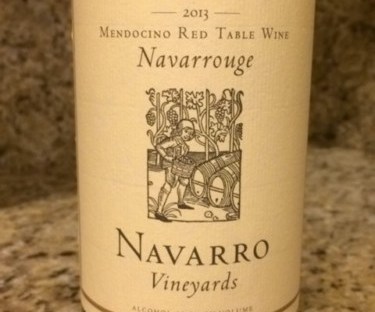
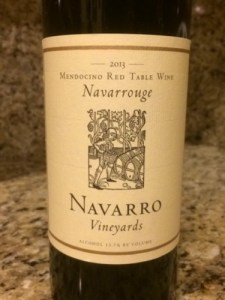
Review: Navarro Vineyards Navarrouge 2013

Navarro Vineyards

I became a big fan of Navarro Vineyards during this past summer’s vacation trip to the Mendocino Coast. Our route took us up Highway 128, through Anderson Valley, one of the prime wine producing areas in Mendocino County. Naturally, we had to stop for some wine tasting.

Flashback to 25 years earlier. We actually lived in Mendocino County, in the Ukiah Valley, just down the road from notable producers like Fetzer and Parducci. Alas, despite living in one of the great wine regions in the world, my wine journey had not yet begun. Certainly, my wife and I appreciated the beauty of the vineyards, enjoying the changes of the seasons and watching the birds swarm overhead during harvest. However, we partook of the end product only on rare occasions. During the five years we lived there, we took frequent day trips to the coast, usually opting for the route through Anderson Valley. Thus, though we’d driven past Navarro Vineyards dozens of times, we had never stopped in.

Returning to the summer of 2015…and am I ever glad we chose to stop at Navarro Vineyards! Navarro Vineyards began operation in 1974, and remains an independent, family-owned winery. This allows them to produce small-batch, hand-crafted wines. Everything I tasted was excellent. (In this post I’m reviewing their Red Blend, Navarrouge, but if you get a chance, try their Grenache. It’s the best I’ve ever had!) The tasting room is small and cozy, while the grounds include a large deck, a beautiful lawn, and a vine-covered pergola providing shade for a picnic area. The deck overlooks the lawn, vineyards, and the rolling hills beyond. The tasting room staff is among the friendliest, and most knowledgeable I’ve had the pleasure to meet. As an added bonus, and a refreshing change when visiting wine country, tasting is complimentary, and the entire tasting menu is available to all visitors.

Navarro View

Navarrouge is their Red Blend. The 2013 blend is 40% Zinfandel, 27% Pinot Noir, 16% Grenache, 13% Carignane, 3% Syrah & 1% Mourvèdre. In years past, the blend was more Syrah-centric, but the winemaker decided to sub-in Pinot Noir as the second in the lineup. The resulting wine is light, fresh, and delicious!

Navarrouge

From the Navarrouge 2013 web page:

Zinfandel and Pinot Noir constitute 67% of this vintage with four other varieties making up the balance, in order of importance: Grenache, Carignane, Syrah and Mourvèdre. Each lot was fermented in open-top tanks then racked to seasoned French oak barrels to finish malolactic fermentation and age for 10 months. In late July 2014, Navarro’s tasting panel decided on the final blend; the Navarrouge was bottled a month later in August. Medium bodied backed with soft tannins and flavors suggesting plum, blackberry and cranberry.

Here’s what I thought when I tasted it at home last night:

This is a delicious, unique red blend! The color is light brick, with bright clarity. A plethora of aromas and flavors tantalize – raspberry, cranberry, bramble, white pepper, baking spice, and hints of licorice and new oak. Medium bodied, the tannins are light and there is lively acidity. The finish goes on and on, berries and spice. It’s mostly Zin (40%), Pinot Noir (27%), and Grenache (16%), and Carignan (13%) with a splash of Syrah & Mourvèdre. The best of all of them combine to really shine!

Purchased from Navarro Vineyards, $16

Rated 4 out of 5 stars

Navarro Vineyards wines are not available in stores. To visit the winery (highly recommended), there’s a map below. You can also order online, or speak to one of their exceptionally helpful staff by phone!

Cheers!

Cabernet Sauvignon, California, Wine

A Cabernet is a Cabernet. Or is it?

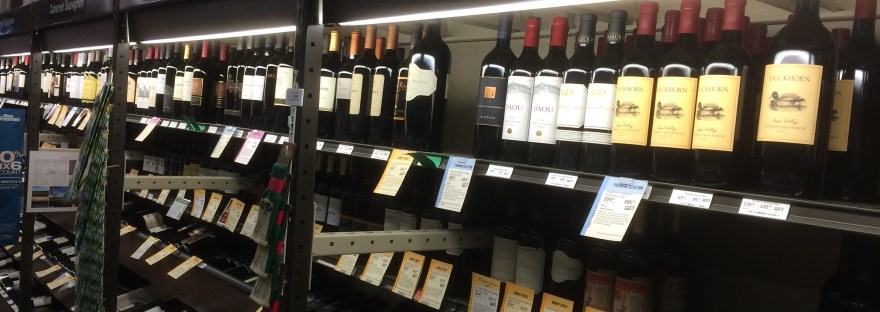
Cabernet Aisle

Not all wines are created equal. There are many variables that can affect the quality and profile of a wine; from weather conditions, to the quality of the grapes harvested, to the winemaker’s skill. Some wineries create their wines for specific demographic markets and price points. Large scale productions may want to make affordable wines that appeal to a mass audience, by blending grapes from different locations to achieve consistency year after year. Boutique wineries may craft single-vineyard wines that highlight the unique characteristics of the region’s soil and climate- the terroir.[1] These are just two examples of different winemaking philosophies and goals that can result in dramatically different styles from the same varietal.

While the information in this post applies to all varietals, I am partial to Cabernet Sauvignon, so that will be my reference and examples throughout. Also, though Cabernet Sauvignon is grown all over the world, my focus is on California, because that is where I live, and the wines I know best.

I was at my local Total Wine & More store a few weeks ago, partaking of their weekly wine tasting. They were pouring two Cabernets; one from Sonoma, and one from Lodi. A couple at the tasting bar next to me was enjoying the wine, but they were asking questions that made it clear they were relatively new to the wine experience. They did not understand why two wines made from the same grape, both from California, would taste so different. Always eager to educate people about wine, whether they want it or not, I talked to them about the differences in climate, terrain, and soil and that influence the resulting wines. (They appreciated the tutelage…or so they said.)

Climate

Both Sonoma County and the Lodi Region (in Sacramento and San Joaquin Counties in the Central Valley) are in Northern California. While both regions have a lot in common, they have their differences, too. Perhaps most notable is that Sonoma is a coastal county, whereas Lodi is inland. Several mountain ranges separate the two regions, isolating Lodi from the cooling marine influences found in Sonoma.

sonoma-map-ava-wine-map
Sonoma Wine Region
lodi-california-ava-map
Lodi Wine Region

Although I can personally attest that both Sonoma and Lodi can be darn hot in the summer, Sonoma can get a bit cooler at night from the influence of evening ocean breezes. This cooling can make a difference in how grapes taste, with the Sonoma grapes ripening slightly slower and later. I find that Lodi Cabernet is often bursting with ripe fruit flavors, because of the hotter growing season, while Sonoma Cabernet tends to be more restrained and nuanced.

Terrain and Soil

Wine grapes grow best when the vines are stressed.[2] This sends the vine into survival mode, and causes the roots to dig deep to find water. As the roots dig and locate water, they absorb minerals from the soil. Soil in different regions has varying mineral composition and density. The influence of these minerals in the grape causes variations in taste. This is the terroir that we wine geeks talk about. Terrain and location also play a factor. Grape vines like hillsides. An east-facing vine gets morning sun and evening shade, but west-facing vines get the afternoon heat. Thus, terrain and location affect the speed and timing of ripening.

Blending and Labeling

What many casual wine drinkers don’t realize is that winemakers blend to achieve their desired result. It surprises a lot of people to learn that, in the United States, a wine labeled Cabernet Sauvignon need have only 75% Cabernet in it. The other 25% can be any combination of other varietals, used to soften harsh tannins, or add structure, or simply to achieve a desired taste profile.

Carnivor California

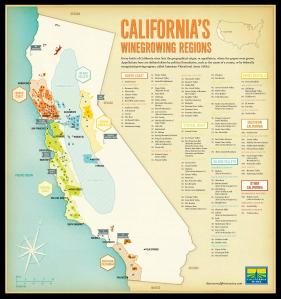
The other key factor with blending and labeling has to do with the region, appellation, or American Viticultural Area (AVA.) Once again, labels can seem misleading. Laws relating to location designations vary, depending on the designation. If a label identifies a wine as a California Cabernet Sauvignon, then 100% of the grapes used in production must have come from California. CaliforniaMap(For other states, that requirement is just 75%)[3] However, this means the grapes could have been grown all over the state, from Napa, Sonoma, Lodi, Amador, Paso Robles, Santa Barbara, or any other location. These grapes are processed and blended to produce the wine. This regional blending eliminates any sense of terroir, but results in smooth, easy-drinking wines.

If the label specifies the AVA (Lodi, Sonoma County, Paso Robles, etc.), including sub-appellations (Howell Mountain, Rutherford, Calistoga, etc.), 85% of the grapes must have been grown in that AVA.[4] This allows for blending of up to 15% of grapes from other regions. Again, this blending is used to balance and improve the wine. However, with AVA designated wines, dominated by local grapes, will retain the characteristics that made those regions great.

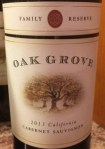
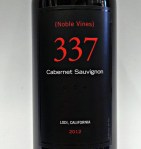
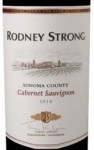
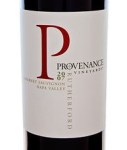
Oak Grove CaliforniaNoble Vines LodiRodney Strong SonomaProvenance Rutherford

I Just Want My Cabernet

For many wine consumers, none of this matters. They just want a Cabernet and don’t care where it comes from. And there’s nothing wrong with that. I live by the motto: Drink What You Like. Yet, if you want to learn more about wine, compare different bottles of the same varietal. Grab a California Cabernet, in which the grapes could have been grown anywhere in the state and blended. Compare that with a Lodi Cabernet, grown in the hotter Central Valley, or one from cooler Sonoma County. Finally, splurge on a sub-AVA specific Cabernet from the Napa Valley region, like Rutherford, for example. Or explore Oakville, or Calistoga. Take your pick. Now that you have three or four wines for comparison, prepare some hors d’oeuvres, invite some friends over, and have yourself a tasting party. I predict you will be surprised at the differences between the wines. Yes, same grape, but different location, different terroir, and different blends. Let me know in the comments what you think, and which you like best.

Cheers!

—————————————————–

[1] http://www.terroir-france.com/theclub/meaning.htm

[2] http://www.wineanorak.com/struggle.htm

[3] https://napavintners.com/wines/how_to_read_a_wine_label.asp

[4] http://www.wine-searcher.com/wine-label-usa.lml

Barbera, Clarksburg, Heringer Estates, Old Sugar Mill, Wine

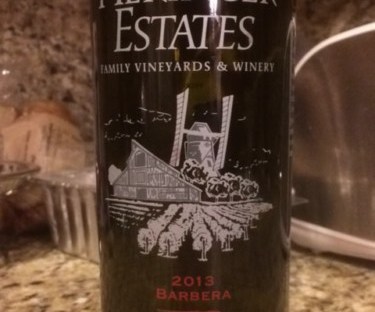
Review: Heringer Estates Barbera 2013

New World Barbera has become a favorite in my home. We are fortunate enough to live in close proximity to both the Sierra Foothills, and Clarksburg AVAs in Northern California. Both of these regions have proven to be suitable for Italian varietals, and many of them thrive here. The latest example I had the pleasure to enjoy was the Heringer Estates Barbera 2013.

Heringer Estates is located in the Clarksburg AVA, specifically at The Old Sugar Mill. I wrote about The Old Sugar Mill a couple of months ago in my Destinations series. Home to 11 wineries, it is a fantastic location to visit if you are in the Sacramento area.

The Heringer family has been farming in the Clarksburg area since 1868, when John and Geertje Heringa arrived in the region from Holland. In 1973, the Heringer family planted their first grape vineyards, and the Heringer Estates winery began operation in 2002. The entire operation of the Heringer Estates winery is located at The Old Sugar Mill, from crush to retail sales. [1]

As good fortune would have it, my parents are members of the Heringer Estates wine club, and arrived at our house on Christmas day with a bottle of this excellent Barbera. We opened it, naturally, and it paired beautifully with our roast pork loin dinner.

Heringer Barbera

Here’s what I wrote about it in my Vivino review:

Delicious New World Barbera. Rich and full bodied with aromas of black cherry and blackberry. Cherry and berry flavors, with notes of cedar, black currant, and clove. The finish is dark berry and spice. Quite smooth and nicely balanced. This paired nicely with roast pork loin.

4.5 out of 5 stars.

Available exclusively at Heringer Estates. Shop Online here.

Retail $30.00

————————————————–

[1] http://www.heringerestates.com/scripts/cpg.cfm/2

Cabernet Sauvignon, Joel Gott, Wine

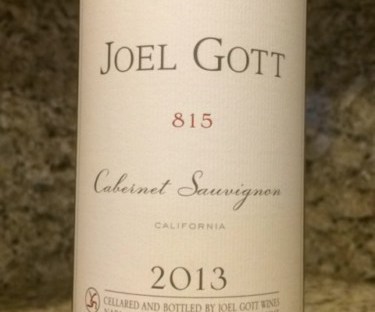
Review: Joel Gott 815 Cabernet Sauvignon 2013

Joel Gott 815 Cab Sauv 2013

“I’ve read a lot of reviews for this wine, so I gave it a try. A solid California Cabernet, for less than $15! Purple-Ruby color, aromas of blackberry and black currant. On the palate, these flavors are present and joined with black pepper and spice, with some cedar notes, and a fruit-driven sweetness. The finish is spicy with a bit of earthiness. This is a medium bodied wine, with moderate tannins. I found the acidity a bit high, but with bottle aging this may soften. All in all, a nice Cab at a good price.”

This is how I described the Joel Gott 815 Cabernet Sauvignon 2013 on Vivino. As I mentioned, I’ve seen a lot of reviews on this wine recently, ranging from other Vivino users, to friends and fellow wine aficionados, to The Reverse Wine Snob (2010 vintage). If there’s an app that tracks trending wines, I have no doubt this one would be high on the list. There is good reason for this. As a “California” Cabernet, as opposed to being AVA-specific, Joel Gott 815 Cabernet Sauvignon is made from grapes all over the state. This allows the winemakers to blend and achieve the exact result they want; one that is smooth and easy-drinking, and will appeal to the masses. The more demanding connoisseur, who prefers only single-vineyard or AVA-specific wines, may not favor this as much, but the average consumer will enjoy it. At around $15, it is a good everyday Cabernet, and would be an excellent choice for newbies who want to try a Cabernet for the first time.

The Joel Gott website describes the wine this way:

 “The 2013 Joel Gott 815 Cabernet Sauvignon has aromatics of mocha, roasted blue fruits, plums, and cherry spice. The wine enters sweet on the palate, well-structured and with firm tannins mid-palate, followed by a long, balanced finish.”

Joel Gott himself narrates a short video describing the wine, and the processes that went into making it. He even includes some food pairing suggestions.

If you are looking for an affordable California Cabernet Sauvignon, that is approachable and easy-drinking, give Joel Gott 815 Cabernet Sauvignon 2013 a try.

I found it at Total Wine & More for $14.99.

Rating: 3.5 out of 5 stars.

Cork, Screwcap, Wine

Cork vs. Screwcap: The Great Debate

The debate over which is the best method for sealing a bottle of wine may never be resolved. Beyond practical matters, there are traditions and emotions that come into play. While there are many types of alternate closures, including synthetic corks and glass stoppers, for my purposes I am only examining traditional corks and screwcaps. There is a wealth of information on this topic available on the Internet. My challenge in this post is not one of finding enough to say, but rather it is keeping it short enough to be interesting, and keeping it out of “TLDR” (Too Long Didn’t Read) territory. I hope I’ve succeeded!

First, A Little Background

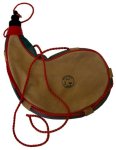
Throughout history, man has sought the best method for sealing and preserving wine. Bota BagThe earliest known vessels were animal skins – ancient relative of today’s bota bag. Ancient Egyptians, Greeks, and Romans used amorphae; tall, slender clay pots. Amorphae were sealed with clay stoppers, but these weren’t air tight, so shelf-life was short.Amphorae_stacking

With the rise of the Roman Empire, the Romans adopted wooden barrels. Thought to be invented by the Celts or Gauls, barrels are less fragile than clay amorphae, and with flat bottoms, rather than the pointed bottoms of amorphae, barrels proved better for long-distance transport. In addition, oak barrels can enhance the quality and flavor of wine.Roman Barrel

Barrels are great for making, storing, and transporting wine, but in the modern world, they are not practical for the individual wine drinker. By the 1800’s, glass bottles arrived on the scene, providing an improved method for household wine storage and serving. The cork stopper was a natural companion for glass bottles, with the ability to cut the cork to the correct size to snugly fit in the neck of the bottle. [1], [2]

Corks have been the preferred method of sealing wine bottles for more than 100 years. However, cork has its faults, and in man’s ongoing quest for perfection and technological advance, alternative closure methods have come to market. Most popular among them is the screwcap. Cue hotly contested debate.

The Cork versus Screwcap Debate
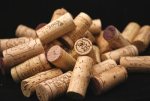
CorksPurists argue that cork is the only reliable method of sealing a wine bottle, especially for long-term aging. Cork does have a long history of success with keeping fine wine safe and secure for the long run. However, much of the argument in favor of cork is based in tradition and romance. The elegance of inserting the corkscrew, the long, slow, anticipatory pull, and the satisfying “pop” of the cork as it emerges from the bottle cannot be matched by a metal screwcap.

However, screwcaps have their advantages, too. Among the most obvious Screwcapsis convenience. I have a collection of corkscrews…in the glove compartment in my car and my wife’s, in our picnic bag, in my luggage (per the TSA website, you can carry-on a corkscrew if it does not have a blade), and several others scattered around. Why do I have so many corkscrews? Because I have forgotten corkscrews so many times, and had to buy a new one to open a cork-sealed bottle of wine! Screwcaps eliminate the need for corkscrews entirely.

Environmental and economic concerns and cost also weigh in favor of screwcaps. Although cork is a renewable resource, it takes up to 27 years PhotoELF Edits:2012:06:28 --- Saved as: 24-Bit JPEG (EXIF) Format 98 %for a cork tree to mature until it can produce stopper-quality bark.Once harvested, it takes nine years before the bark is ready for harvest again.[3] Corks cost an average of 11 to 13 cents each, while screwcaps cost around 7 cents each.[4] This may not sound like much of a difference, but consider that a winery producing 10,000 cases of wine will save up to $7,200 per year by using screwcaps.

Yet perhaps the most compelling argument in favor of screwcaps over natural corks is the elimination of the risk of cork taint. Cork taint is caused by a natural, chemical compound known as Trichloroanisole, or TCA. When a wine comes in contact with TCA, it damages the wine, resulting in stale, musty odors and flavors. These odors and flavors are often described as “musty”, “wet dog”, “wet newspaper”, or “sweaty gym socks.” Not pleasant. When a wine is tainted in this way, it is known as “corked.” (Many wine newbies innocently refer to wines sealed with a cork as “corked” wines, but when used properly, the term clearly has a much more insidious meaning.) Cork fans will argue, accurately, that TCA exposure can occur in other ways, including “cellar taint”, in which the TCA is present on other places in the production process, such as barrels or other wood surfaces.[5] However, the consensus is that the majority of tainted wine results from corks.

Yet despite all the screwcaps seem to have going for them, there remains the question of aging. Natural cork allows miniscule amounts of air to enter the bottle. Not enough to oxidize the wine (usually – see my post, Oh No! A Bad Bottle!) but enough to allow the tannins to soften and mellow, and the wine to age gracefully. Early screwcaps did not allow for this. ThunderbirdwineHowever, more modern screwcaps seals do allow for some oxygen exchange. Still, screwcaps continue to have the reputation of sealing only low quality plonk (Thunderbird, anyone?), cheap jug wines, rossiwinespam-734265or entry-level wines from emerging, Southern Hemisphere wine regions. I contend that this is not a fair assessment.

Certainly, corks have a much longer track record, but with more than 40 years of usage, we are starting to see the results of some long-term aging of some high quality wines under screwcap. Plumpjack Winery, in Napa, is a well-known producer of high quality wines. They were an early adopter of screwcap closures, and shocked the wine world when, as part of a study in conjunction with the University of California, Davis, they sealed half their production with screwcaps. After 10 years, the wines were tasted by experts in double-blind tastings. Gavin Newsom, the former mayor of San Francisco, and currently the Lieutenant Governor of California, is also a partner in Plumpjack Winery. In an interview with Steve Heimoff, posted on October 6, 2015, Mr. Newsom discussed the results of the tastings[6]:

“Yeah, so many of these double-blind wine tastings, and all these experts all around us, and they’re absolutely convinced this one’s a screwcap and this one’s a cork. Without exception, the one consistent thing was the inconsistency. The outcome is challenged by the variability in the bottles that confounds you when you say “Screwtop’s not going to allow you any oxygen, or less oxygen, than the cork, so this is not going to age well,” and then you find out, when you taste it, the exact opposite.”

So even renowned wine experts from all over the world could not tell the difference between an aged, high-quality wine sealed with a cork compared to one with a screwcap.

Randall Grahm, the famed Rhone Ranger, is another big proponent of the screwcap. So much so, that on October 2, 2002, he staged a Funeral for the Cork in New York City, complete with eulogy by Jancis Robinson.[7], [8] Mr. Grahm also co-wrote and produced a humorous video in support of the screwcap (complete with cameo at the end):

Into The Future

I do not know if, or when, this great debate will end. In my interactions with other wine lovers on the topic, there are varying opinions about which closure is better. Sometimes discussions become animated; people can get awfully passionate about these things. Yet one thing that we can all agree on is this: more important that what is at the end of the bottle, is the quality of what is in the bottle. I’m fine with screwcaps. In fact, I prefer them in some situations. If you think cork is the only true way to seal a bottle, then only by cork-sealed wine. It’s really about personal choice and preference. In the end, whether it’s sealed with a cork or a screwcap, drink what you like!

___________________________________________________


[1] http://www.finewineconcierge.com/a-history-of-fine-wine-storage

[2] http://vinepair.com/wine-blog/history-wine-transport-8000-years/

[3] http://www.smithsonianmag.com/travel/cork-trees-soft-skinned-monarchs-of-the-mediterranean-31526/?no-ist

[4] http://www.winegeeks.com/articles/13

[5] https://www.wineinstitute.org/initiatives/issuesandpolicy/tca

[6] http://www.steveheimoff.com/index.php/2015/10/06/gavin-newsom-part-2-wine-homelessness-and-the-gig-economy/

[7] https://www.bonnydoonvineyard.com/wp-content/uploads/2014/06/Ch15-The-Funeral-for-The-Cork.pdf

[8] http://www.jancisrobinson.com/articles/mourning-the-cork-in-new-york
Australia, nakedwines.com, Pinot Grigio, Wine

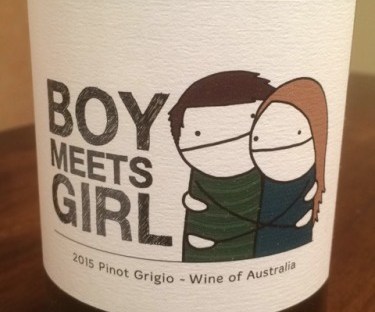
Review: Boy Meets Girl Pinot Grigio 2015

Boy Meets Girl Pinot Grigio 2015 is a NakedWines.com exclusive. This delightful white wine comes to us from Central Victoria, Australia, and is crafted by the husband and wife team of Adrian and Rebecca Santolin. Their story, described on their NakedWines.com winemaker page, is one of love and mutual vision. Adrian, the boy, met Rebecca, the girl, in 1999. They shared a dream of one day making their own wine. Together, with Adrian as winemaker and Rebecca doing the marketing, they have realized their dream. With experience at a number of Italian and Australian wineries, Adrian has an impressive C.V.  His work includes helping with several award-winning projects. Their relationship with NakedWines.com has allowed them to take their winemaking dream to the next level.

Boy Meets Girl Pinot Grigio is their only wine currently available in the U.S.Gold Medal market, but in the Australia and U.K. markets, they have a complete portfolio of wines including a Sauvignon Blanc/Semillon blend, Pinot Noir, Chardonnay, and their 2015 A & R Shiraz/Viognier blend, which won a gold medal and a trophy for “Best Red Blend” at the 2015 Victorian Wine Show.

But enough about their other wines. The 2015 Pinot Grigio is delightful. Made in a European, Pinot Gris style, they give the wine some time on the skins to impart more color, complexity, and texture. The name and label illustration impart fun – and a wine like this should make you happy when you enjoy it – and the embracing couple represents Adrian and Rebecca’s story.

BMG Pinot Grigio 2015

I reviewed this on Vivino, but it’s an abbreviated version due to the 512 character limit (yea, I get a little wordy sometimes.) Here’s my full review, posted on NakedWines.com:

 A beautiful liquid gold color in the glass, this Aussie Pinot Grigio delights the nose with aromas of stone fruit like apricot and white peach. These flavors are present on the palate as well, along with some light floral (elderflower?) and a bit of honeysuckle.

The mouthfeel is rich and creamy, more than other Pinot Grigios I’ve had. It is medium bodied with pleasant sweetness offset by subtle acidity. On the finish there is a bit of citrus; white grapefruit and lemon. Delightful, refreshing, and delicious!

This is a very well balanced wine; noticeably sweet with stone fruit flavors, but I wouldn’t consider it a sweet wine. Yet it’s not a dry white, either. This may be the perfect wine to try if you are a sweet wine lover who is interested in expanding your wine profile. Give it a try!

Rated 4.5 out of 5 stars

Available exclusively from NakedWines.com, $9.99

One of the benefits of being a part of NakedWines.com is that we get to correspond directly with the winemakers. Rebecca replied to my review, and confirmed that the wine has low residual sugar, and that the sensation of sweetness is entirely fruit-driven.

To join NakedWines.com and receive a voucher worth $100 off your first order of $160 or more, click here. Cheers!

NW Logo