Cork Taint, Corked, Oxidized, Wine

Oh, No! A Bad Bottle!

Gristle in that last bite of steak. Biting into a mealy, mushy apple. Low-fat Mac & Cheese. There are few things in life more disappointing for a gastronome. But perhaps the most disappointing thing of all is pulling the cork on a bottle of wine, only to discover the wine is spoiled. Whether it’s a bargain bottle or a prize vintage, a spoiled wine can put a damper on an evening.

Perhaps the most common form of wine spoilage is cork taint. Cork taint, also known as “corked” wine, results from exposure to TCA, or 2,4,6-trichloroanisole. This chemical can occur in natural corks, and even at very small amounts, can ruin the wine in the bottle.
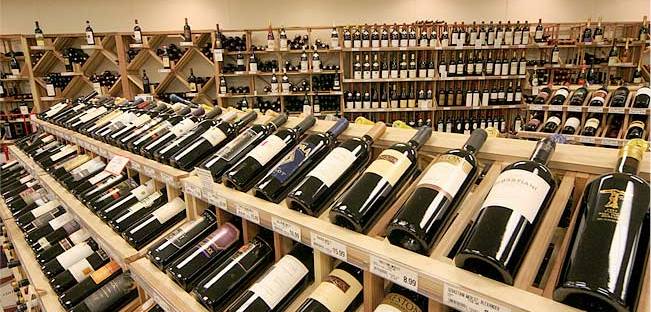
Wine Store Shelves
According to studies, as many as one in six of these bottles is corked.

Studies have found that cork taint affects up to 15% of cork-sealed wines, although the actual percentage is open to debate. The cork industry estimates only 1-2% of corks are affected. [1] The degree of cork taint can vary; mild taint mutes the aromas and flavors, and leaves the wine tasting flat. At greater levels, however, corked wines have been described as smelling like Corked Winesweaty gym socks, wet newspaper, or wet dog. I’ve been fortunate. I’ve tasted more than 200 wines in the past year, and only encountered 2 corked bottles; less than 1%. If you’ve never experienced this, consider yourself lucky. It’s an experience you’ll never forget.

The obvious solution to eliminate tainted corks is to switch to alternate corks_vs_screw_capsclosures, such as screwcaps. Screwcaps are gaining in popularity, but face opposition from purists, and questions about long-term aging under screwcap. However, the cork versus screwcap debate is fodder for a future blog post. This post is about bad bottles.

Oxidation is another form of wine spoilage that can occur under any type of seal. Although most common with corks, if a screwcap does not properly seal on the bottle, oxygen can leak in and, worse yet, wine can leak out. It’s never happened to me, but I know people who have received a case of wine only to find a faulty screwcap has leaked wine all over the inside of the box.

Oxygen can be good for wine, in limited quantities. Oxygen opens up a wine, releasing the aromas and flavors we long for. However, over exposure to oxygen can “turn” a wine. Have you ever left an open bottle of red wine on the counter for 3-4 days? That’s what an oxidized wine tastes like. Overly ripe, stewed prune or raisin aromas; flat, bitter flavors; and a brownish-brick color are indicators of an oxidized wine.
Cork
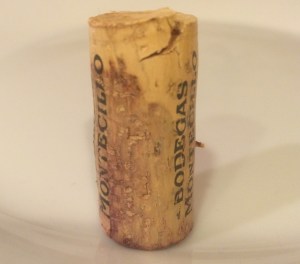
Uh oh. This can’t be good.

Last night I opened a $10 Rioja Crianza, only to become disappointed. As soon as I pulled the cork, I knew something was wrong. The discoloration on the cork is from the wine leaching into the cork. Wine leaching out means oxygen can leach in. One sniff confirmed my fears. The freshly opened bottle smelled and tasted like it had been left out over the weekend. Sure, it wasn’t a high-end bottle, but I was really looking forward to this wine. Besides, 10 bucks is 10 bucks! Fortunately, although I didn’t have another bottle, or even another Rioja, I had plenty of options for other bottles to open and enjoy with dinner.

So what to do when you get a bad bottle? Any retailer worth their salt will exchange or refund your bottle, no questions asked. If they won’t, don’t shop there again. A replacement bottle is ideal, but what about Internet wine retailers? Earlier this year, I received a corked, $42 Pinot Noir from Underground Cellar, an online retailer featuring limited-time offers. Since they didn’t have any more in stock, they couldn’t replace the bottle, but they generously gave me a $50 credit for my troubles. Return policies will vary. The best I know of is NakedWines.com, where they will credit your account for any wine you don’t like – even if there is nothing wrong with the wine itself.

If you think you have a bad bottle of wine, don’t hesitate to return it or contact the retailer. They want you to be happy!

Happy Toasting

_____________________________________________________

[1] http://www.winespectator.com/webfeature/show/id/Wine-Flaws-Cork-Taint-and-TCA_3346
Cellar, nakedwines.com, Wine, Wine Storage

What’s in Your Cellar?

Cellar

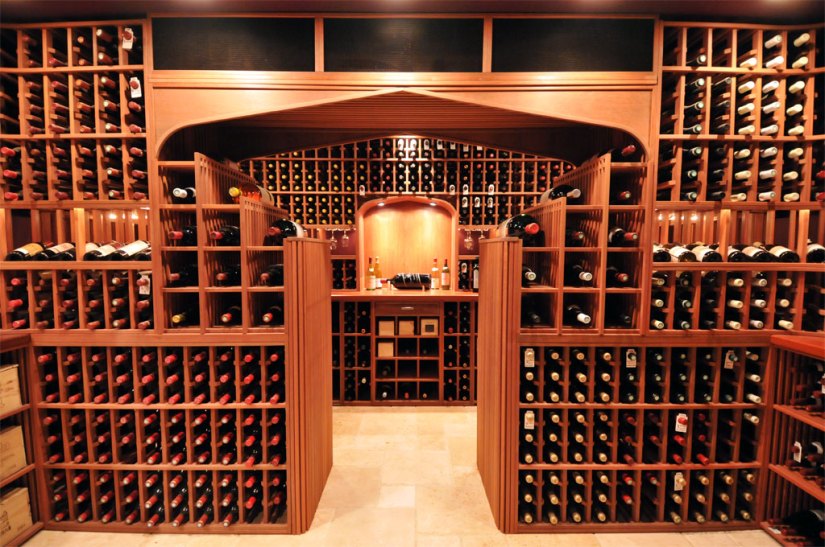
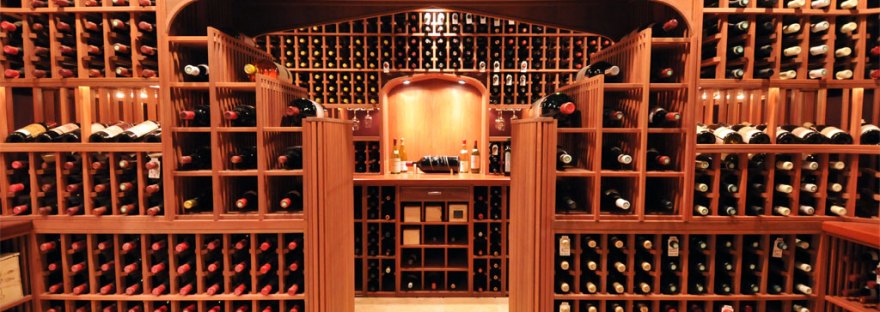
Some day my wine cellar will look like this. We all have dreams, right?

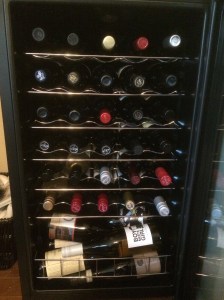
I am a condo dweller. I have no basement. I do not have sufficient space for a large wine refrigerator or upright cellar. Instead, I have a 34 bottle chiller. (Why 34, Vinotemp? Why not an even 3-case 36?) With the bin at the bottom, I can squeeze in a few extra bottles, expanding my capacity to 38 when needed. I have some shipping packaging in an interior closet to stack my occasional overflow, but for the most part, I’m limited to about 3 cases of inventory at any given time. The truth is, since I’m not a collector, this is ample storage.

Condo Cellar

But I can still dream, can’t I? When our son left the nest a couple of years ago, we converted his room to a home office. While the room is occupied, I have my eye on his walk-in closet. Currently it is full of storage, but in my mind’s eye, I can see it lined with wood racks, sealed, and a compressor installed. Can’t you just imaging that mirror replaced with a glass viewing panel? Dreams can come true, can’t they?

Closet Door

While pondering what I’d do with a 200+ bottle cellar, I thought about what wines I currently have in storage. As I say, I’m not a collector. Silver Oak AV 07My oldest bottle is a 2007 Silver Oak Alexander Valley Cabernet Sauvignon. I’m holding it for another couple of years, with the intention of opening it in 2017, when it is 10 years old, for our 33rd anniversary. I know for some enthusiasts, 10 years is not a long time, but when you’ve limited space, it’s pretty darn long!
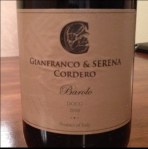
As a member of NakedWines.com, I have a lot of their wines. In fact, 18 of 33 wines in my current inventory are from NakedWines.com. BaroloOf these, some are “special” wines, including a 2010 Gianfranco & Serena Cordero Barolo DOCG, that I’m planning to hold for at least five more years.

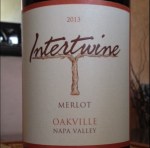
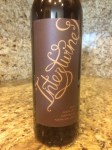
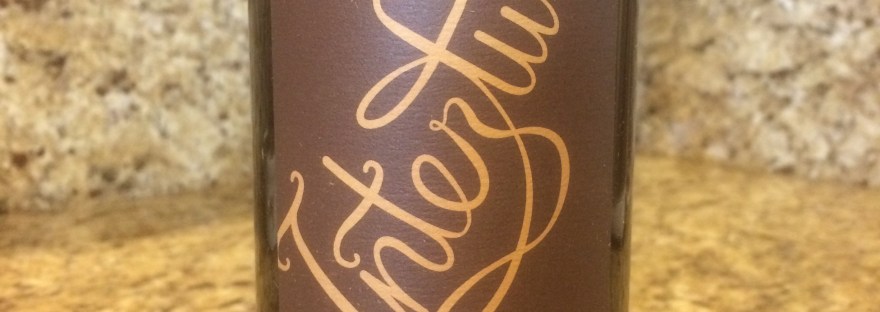
I also have a three year vertical flight of Intertwine Napa Valley Merlot, by Bridget Raymond. (I recently reviewed the new 2014 vintage, here.) The 2012 was actually the first wine I opened in my NakedWines.com sample pack. It was so good, I immediately joined, and I haven’t looked back! In the spring of 2016, I’m planning to host a vertical tasting of the 2012, 2013, and 2014. (I’ll post the experience here afterward.)

Intertwine 12Intertwine 13image

Other, non-NakedWines.com wines in my chiller include several Sauvignon Blancs, left-over from the dog days of summer and my 2015 Sauv Blanc obsession, and a Montepulciano D’Abruzzo, my new favorite Italian red. I also have a couple of Cabernet Sauvignons; St. Supery and Castillo di Amorosa, from our Napa mini-vacation this summer. For that obligatory bottle of bubbles, I have a Zonin Prosecco.

Frankly, I think I have a bunch of great wines on hand! Compared to a lot of my wine friends, it’s a small quantity, but it works for me. Some day, perhaps, I’ll be able to convert that closet, but until then, my 34 bottle chiller works just fine.

Which brings me to my original question: What’s in your cellar?

wallet

I’m interested in what other wine lovers have in storage. Whether you have a six-bottle rack on your kitchen counter, or the cellar of my dreams, full of auction-worthy classics, please leave a comment and share some of your special bottles. I may not be able to taste them, but we can all enjoy each others wines vicariously.

Cheers!

Cabernet Sauvignon, Jac Cole, Malbec, Mosaico, naked wines, nakedwines.com, Wine

Review: Jac Cole Mosaico Sonoma County 2013

Love, like wine, gets better with time.

love-wine-glass

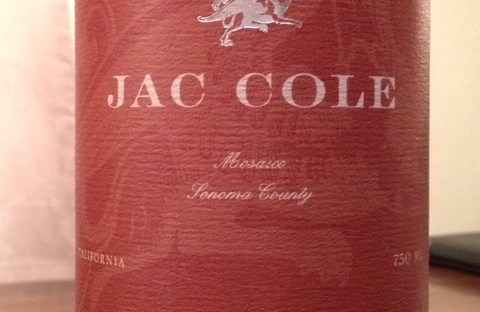
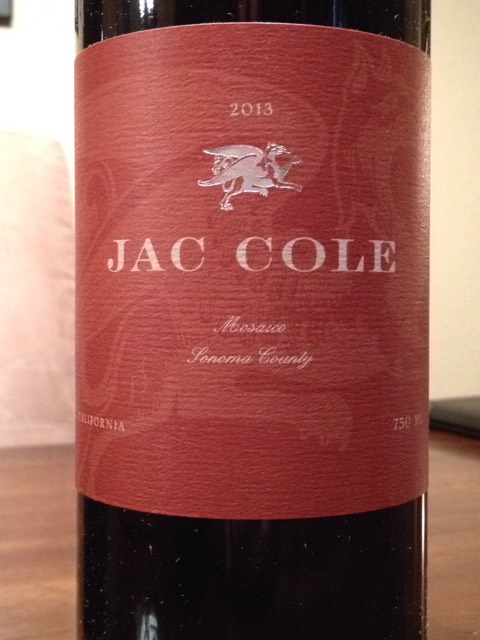
Jac Cole’s Mosaico is a wine that certainly gets better with time! Mosaico is a blend of Cabernet Sauvignon (2/3) and Malbec (1/3), and is available exclusively from NakedWines.com. As impressive as it was when I first tasted it shortly after release, after eight months resting in the bottle, the wine is now amazing!

My “before and after” reviews are below.

Mosaico

3/8/15

Based on several other reviews, I decanted this Saturday afternoon in anticipation of serving it with my grilled Porterhouse on Sunday evening. Of course, I had to sneak a taste. Oh, wow! This is a full-bodied, oaky, complex red blend! A blend of two “steak” reds, Cabernet Sauvignon and Malbec, this is gonna be sooooo good!

After more than 24 hours of air exposure, including a couple cycles back into the bottle, then back into the decanter, it’s time for a proper taste.

The nose is dried cranberry, raisin, and black cherry. There are flavors of ripe plum, black cherry, and chocolate – chocolate covered cherries! – and a hint of oak. This is a very rich wine, with thick, chewy tannins perfect for a thick, juicy steak. At this young age, the acidity is a bit brisk, but give it a few months in the bottle, and this will be a six-hearter!

4.5 out of 5 Hearts

11/9/15

It was a dark and stormy night…
The first cold, rainy night this fall in NorCal. The night called for a big, full-bodied red wine. Something that would warm our bones and soothe our souls. Something that would complement our dinner of penne pasta with homemade sauce and meatballs. Something like Jac Cole’s Mosaico.

I’ve been holding this, my last bottle of the 2013 Mosaico, for several months to see how it has developed. An enticing blend of Cabernet Sauvignon and Malbec, it has developed beautifully! Black cherry and soft oak on the nose. Ripe blackberry, cherry, and black pepper on the palate. Soft, velvety-smooth tannins with light acidity. Chocolate covered cherries on the finish. And exactly the warming, delicious feeling we were looking for tonight.

In my original review, I rated this 4.5 hearts, noting the tannins were chewy, and the acidity a bit brisk. Eight months has resolved this and, as I predicted back then, this is now a 6-heart wine!

NakedWines.com Exclusive. Suggested Retail Price $34.99. Angel Member Price $14.99

Like many of the winemakers at NakedWines.com, Jac Cole has an impressive CV. Here’s an excerpt from his bio at NakedWines.com: “A master winemaker who was cellar master at Stags’ Leap, and winemaker at Charles Krug and Cliff Lede Winery (back before it was called Cliff Lede).” [1]

Unfortunately, the 2013 has long since sold out. However, if you’d like to try the next vintage of Mosaico, or any of the other fantastic wines available only through NakedWines.com, click here for a voucher worth $100 off a first-time order of $160 or more. Satisfaction guaranteed!

[1] https://us.nakedwines.com/winemakers/jac-cole.htm

Merlot, nakedwines.com, Reviews, Wine

Review: Intertwine Napa Valley Merlot 2014

Another NakedWines.com exclusive, Intertwine is made by winemaker Bridget Raymond. Growing up in the Napa Valley, Bridget knows all the best vineyards, and produces some spectacular wines. The Merlot grapes for the Intertwine Napa Valley Merlot are from the renowned Oakville AVA. A bit of Rutherford Cab and Petit Verdot are added to make it even better.

imageI’ve been looking forward to the 2014 Intertwine for many months. My patience has been rewarded. This wine is big, and young. Bridget herself advises waiting several months before tasting to let it mature. Well, I am both impatient, and also one of her NakedWines.com Archangels*, so I felt it was my duty to dive in and give it a try.

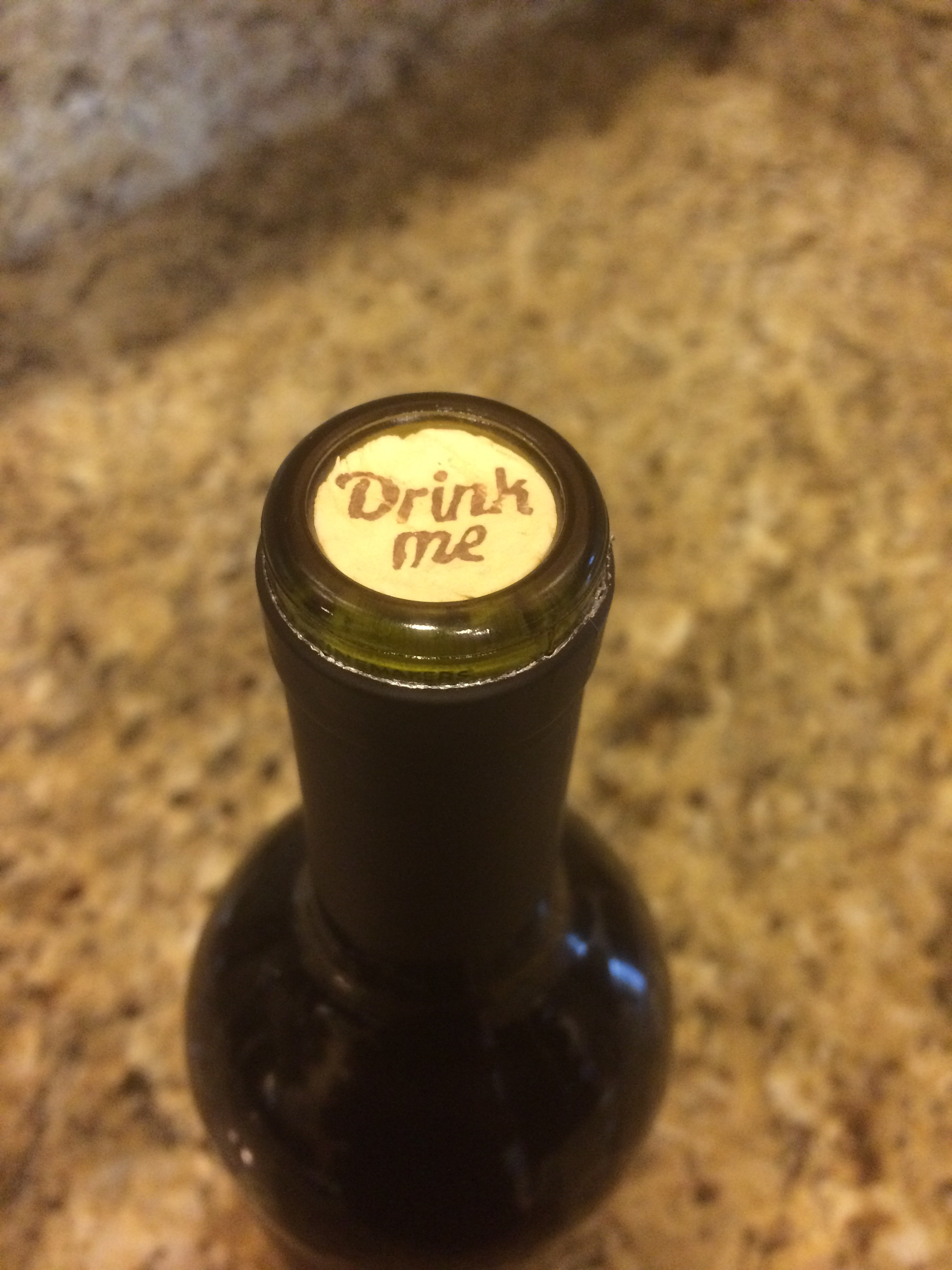
I decanted for about two hours. Of course, I had a sip before decanting, because, science. Besides, beneath the foil, I found these instructions: image

imageThis is a delicious wine! The color is ruby in the glass. Aromas of cherry, raspberry, and soft oak greet the nose. These flavors are present on the tongue as well, along with some dark berry, black currant, and spice. The finish is long, with berry and mocha. The wine has a rich, full body. At this point, the tannins are tight but not overbearing. It is quite enjoyable now. I’ll check in again in a couple hours.

imageI’m back! Oh, my! What a difference some air makes. The tannins are now soft and smooth. The chocolate/mocha flavors are more pronounced, and this wine is full, round, and stunning! Imagine how this will taste in six months. Bridget, you’ve done it again! 4.5 out of 5 Hearts.

You’d expect to pay $40 or more for an Oakville Merlot of this quality. However, this wine is available exclusively to NakedWines.com customers for just $13.99! Click here to learn more, and to get a voucher worth $100 off a first-time order of $160 or more.

NW Logo

* NakedWines.com members are known as Angels, because they provide the funding that allows winemakers to make their wines. The most active Angels are given the title of Archangel, and help support winemakers they follow.

naked wines, Wine

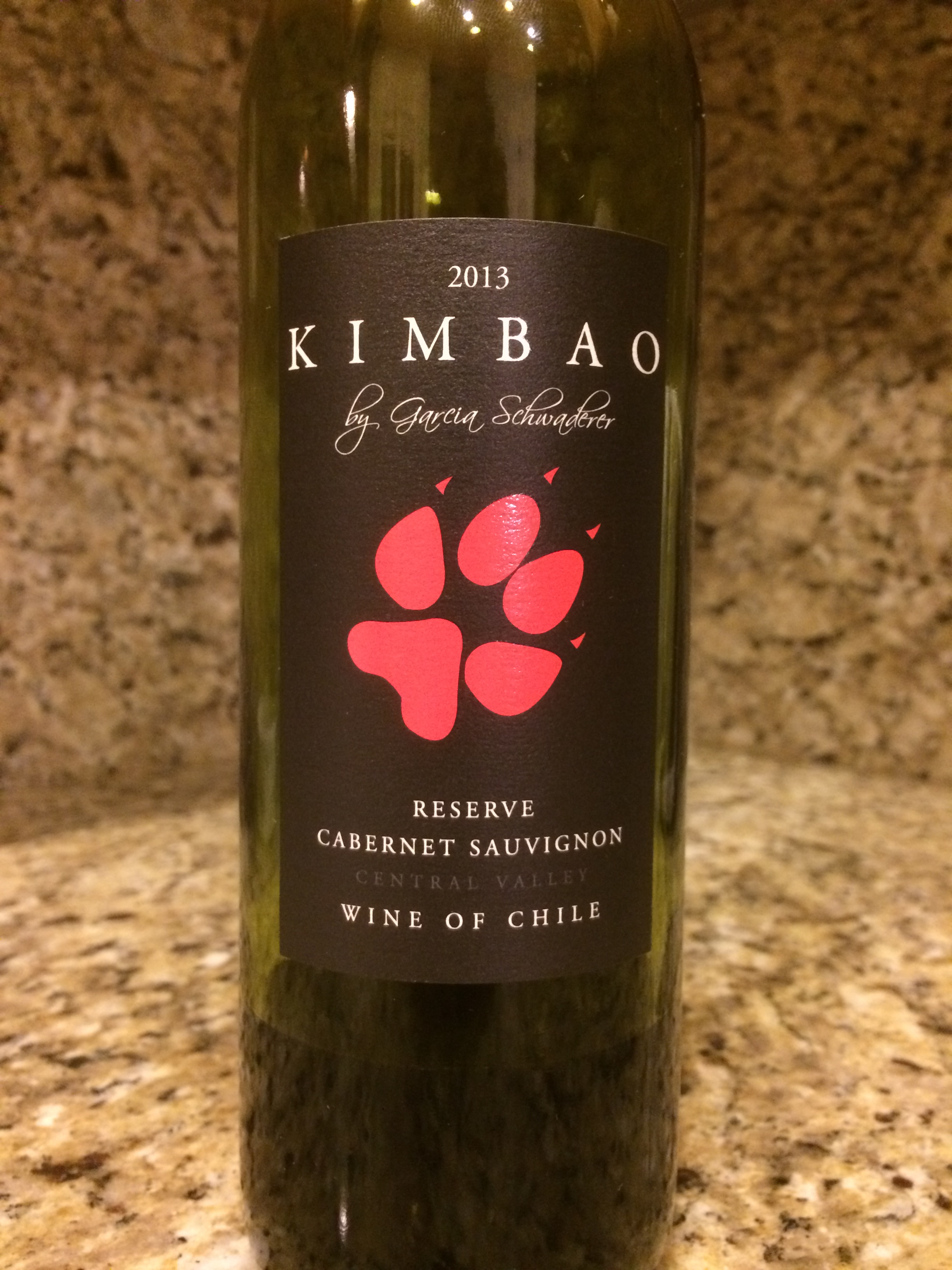
Review: Kimbao Reserve Cabernet Sauvignon 2013

Kimbao Reserve Cabernet 2013

This is a very nice, rich, full Cabernet from Chile. It is produced by winemakers Constanza Schwaderer and Filipe Garcia, and distributed via Naked Wines. Prior to this bottle, I’d not been a big fan of Chilean Cabernet. Constanza and Filipe have changed my mind. Here’s what I thought:

The color is inky purple in the glass. Initial aromas are blackberry and some clove-like spice.

I poured straight from the bottle and found it to be a bit tight and tannic. However, after I ran it through my Vinturi, the wine is smooth and full bodied.

The dominant flavor is fresh picked blackberry. There are also flavors of black currant, with oak and a hint of violet around the edges. The finish lingers with berry and spice.

There are ample tannins, with nicely balanced acidity which helps prolong the finish. This wine definitely has aging potential, but with proper aeration/decanting it is quite enjoyable now.

Rating: 4 out of 5 Hearts

NW LogoThis wine is available exclusively through Naked Wines for $11.99. Naked Wines operates in the U.K., Australia, and the U.S. Click here for a voucher worth $100 off a first time order of $160 or more. You’ll be glad you did!

Cellar Tracker, Delectable, naked wines, Reviews, Vivino, Wine

How to Avoid Subjectivity in Wine Reviews

How do you avoid subjectivity in wine reviews?

You can’t.

But wait, there’s more!

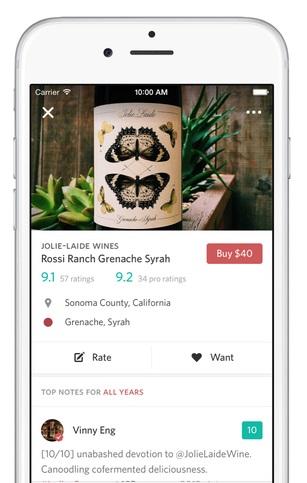
We’ve all read wine reviews in magazines and wine-industry websites. These are written by trained, often certified, wine professionals. In addition, social media has enabled us all to become wine reviewers. Sites like Cellar Tracker, Vivino, and Delectable allow consumers to rate and review wines on the go, using Smart Phone apps.

Cellar Tracker
Cellar Tracker
Vivino
Vivino
Delectable
Delectable

This can be a great help in the wine aisle, overwhelmed by the vast selection and not knowing what’s good. Simply pull out your phone and check the reviews!

There are also a number of online retailers that encourage consumers to rate and review the wines they buy.

With all those reviews out there, professional and amateur, how can you know which wines you’ll like?

Subjectivity is about individual experiences and perceptions. Its how you feel, what you enjoy; your personal preferences. Whereas you may really like a particular wine, the next person may disdain it.

Objectivity, on the other hand, refers to fact-based findings. When you go to the doctor, you describe your symptoms: pain and swelling in your ankle, for example. Perhaps you assume you sprained your ankle, but your symptoms are your subjective perception of what is wrong. Doctor Reading X RayThe doctor orders x-rays. The objective fact established by the x-ray shows that you actually broke your ankle. With objectivity, your doctor can properly treat your injury.

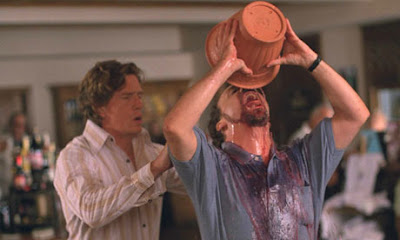
Wine is a subjective experience. Everybody has different preferences, tastes, likes, and dislikes. Some people only like white wine. Some people only like sweet wine. There are “ABC’ers” – Anything But Chardonnay. Paul Giamatt Drinking Spit BucketOthers, influenced by popular culture, and won’t drink Merlot. Price and value play a part, too. I know people who simply won’t spend more than $7 or $8 on a bottle of wine.

So are wine reviews of any value? Yes, but…

Wine reviews express the subjective opinion of another person. Professional reviewers, with years of training and tasting experience, can guide you to a wine you may enjoy. But…only if you share a similar taste profile and preferences. I have found that the best way to use reviews is to find reviewer with similar subjective preferences to mine. This requires a lot of reading, but pretty quickly you can identify who likes what you like.

Another thing to remember about professional reviews is that most (if not all) of the wines they review are samples submitted by the producer. That is, the reviewer is not paying for these wines. Professional reviewers rarely consider price in their ratings. It is easy to rave about a $200 wine when you’re not paying for it. One refreshing exception is Jon Thorsen, “The Reverse Wine Snob“, whose tagline is “Thumbing Your Nose at Bottles Over $20”. He has devised a rating scale that considers price as well as taste and quality.[1]

But what about amateurs?

In today’s social media culture, anybody can post a wine review. While this can make it more challenging to sift through the chaff to find a good match with your profile, it can be done. But…you have to be careful. The quality of the reviews runs the gamut, from one-or-two words (e.g. “loved it”), to troll-like wine bashing, to well-written and thoughtful. Again, finding and following a few users with whom you find unity will go a long way to helping you find that new favorite wine.

When I rate wines, my ratings (five-star scale) are based on how much I liked or enjoyed a wine at a given time in a given setting. I’ve found that the same wine can taste different in different situations. In my reviews, I try to be as descriptive as possible, so readers can decide if a given wine might taste like what they like.

Notable among online retailers encouraging ratings is Naked Wines, where members communicate directly with the winemakers through reviews and comments. Naked Wines actually uses member feedback to determine which wines to produce in future years. (Get your $100 voucher here!)

NW Logo

Isn’t the 100 point scale objective?

The 100 point wine rating scale, popularized by Robert Parker in the 1970’s [2], is helpful, but has come under increased scrutiny recently [3]. Critics argue that it is one-dimentional – it does not consider situational nuances; it favors higher-end, more expensive wines; and…wait for it…it is largely subjective, based on the preferences and biases of the reviewer. Robert Parker’s 92 might be an 85 for me, and vice-versa.

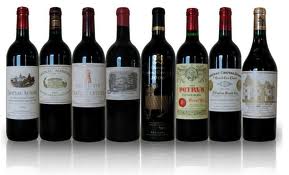
Nevertheless, over the years, a number of wines have earned a perfect 100 points from professional reviewers. These wines are the gold-standard for a particular varietal or region. Let’s assume for a moment that all the experts agree that these are all 100 point wines. That would be pretty objective! However, for the average consumer, pure objectivity would require tasting every 100 point wine of every varietal and region to get a baseline for quality. As much as I’d love to do this, it simply isn’t possible. Furthermore, since wine is subjective, not everyone will love every 100 point wine.

100 Pt Wines

So what to do?

Embrace the subjectivity in wine. Part of the marvel and enjoyment is the fact that we are all different. There is enough variety that everyone can find something they like. Read reviews, both of professionals, published in magazines and on wine websites, and amateurs on social media, apps, and blogs. Follow those who share your preference, but don’t be afraid to venture out and try something new, too.

Finally, try not to get distracted by reviews. They are just opinions. The most important thing to remember is…

Drink what you like!

 —————————————————————————————————

[1] http://www.reversewinesnob.com/p/rating-system.html

[2] https://www.erobertparker.com/info/legend.asp

[3] http://wineeconomist.com/2008/05/27/tyranny-of-the-100-point-wine-scale/

https://grapecollective.com/articles/death-of-the-100-point-system

http://firstwefeast.com/drink/the-future-of-the-100-point-wine-system/

naked wines, nakedwines.com, Wine

Lesser Known AVAs: Manton Valley

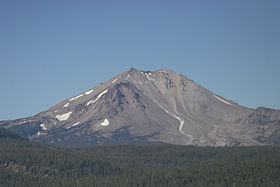
California wine country continues to grow. The Manton Valley American Viticultural Area (AVA) was approved on August 1, 2014. Situated in the foothills of Northern California’s Mount Lassen…wait, what?280px-Lassen-Peak-Large 2

Yes, Manton Valley AVA is in far Northern California’s foothills, east of Redding. [1] Mount Lassen is a dormant volcano, noted more for its bubbling, aromatic sulfur pools and mud pots than for pastoral vineyards. [2] Yet grape vines thrive in volcanic soil, so this is an excellent area for viticulture.

Manton Valley AVA is a small wine region, just 9,800 acres, with about 200 acres of vineyards. [3] The Manton Valley Winegrowers Association website lists only seven wineries. Although only recently distinguished as an AVA, Manton Valley farmers have been growing grapes for 20 years, and trucking them nearly 200 miles to wineries in Napa, Sonoma, and Mendocino counties. [4]

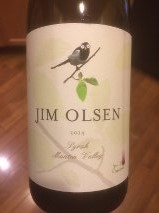
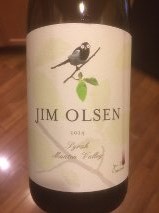
My first taste of a Manton Valley wine came last night, in the form of the Jim Olsen Syrah Manton Valley 2014, from Naked Wines (www.us.nakedwines.com). The Naked Wines copy suggests this may be the first red wine with “Manton Valley” printed on the label. As a 2014 vintage, this wine is still quite young, and will benefit from some bottle aging. However, even at this young age, the character of this wine shines through. I find wines grown in volcanic soil to have a rich profile, yet a light, mineral mouthfeel. Jim’s wine is like this. Available exclusively from Naked Wines, and already sold out, the Angel (member) price is $11.99. As popular a winemaker as Jim Olsen is with Naked Wines Angels, I am sure he will produce another vintage.

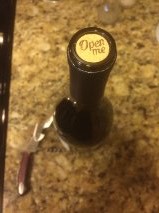
Open Me 2
Naked Wines has some fun with corks. As if I need an invitation!

(Shameless plug): Follow this link for a $100 voucher, valid for first-time orders of $160 or more. (https://us.nakedwines.com/invite/kent-reynolds.htm?cid=USA)

My thoughts on Jim’s Syrah are as follows:

This SJim Olsen Syrah 2yrah is a rich, deep ruby color. I poured it through a Vinturi aerator, and was met with pleasing aromas of ripe plum and white pepper. On the palate, there are flavors of late season, ripe raspberry and bramble, with cherry and tobacco leaf notes. The finish is medium length with spice and plum.

This is a very young wine. When I tasted this wine, on 9/29/15, I am aware that these grapes were likely still on the vine a year ago. As a result, there is high acidity, and the tannins are a bit rough. Aeration and decanting will help in the short term, and a couple of years in the bottle will definitely transform this wine into a real gem!

Frankly, I’ve not been to the Manton Valley AVA in person. As a relatively unknown, rural area, there would be none of the crowds and traffic that plague the more famous wine regions. Manton Valley is now on my list of places to visit. If you can’t make the trip, you can at least get there through a bottle of wine!

[1] http://wine.appellationamerica.com/wine-review/805/Manton-Valley-AVA-Emerges.html

[2] http://www.nps.gov/lavo/index.htm

[3] http://wine.appellationamerica.com/wine-review/805/Manton-Valley-AVA-Emerges.html

[4] http://www.mantonwinegrowers.com/#!vineyards/c1yzj

naked wines, nakedwines.com

Something About Rutherford

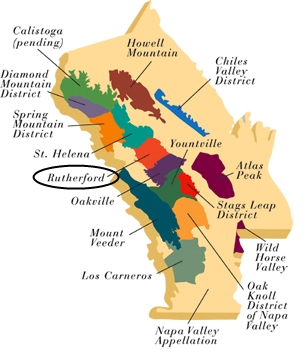
There’s just something about Rutherford. Centrally located in the heart of the Napa Valley, Rutherford is one of 16 sub-appellations within the greater Napa Valley American Viticultural Area (AVA). The Rutherford AVA is noted for intense Cabernet Sauvignon, Merlot, and other varietals (Napa Valley Vintners, 2015).

NapaValleyAppelationMapMy favorite Cabernet Sauvignon comes from the Rutherford AVA. I have found that certain growing regions set the standard for certain varietals. For example, the Willamette Valley is the standard by which I judge Pinot Noir, and the Sierra Foothills AVA, specifically Amador County, produce what I consider to be premier Zinfandel, by which I compare examples from other areas. To be sure, everybody’s preferences are different, but in my opinion, Rutherford Cabernet is the best. How well I like Cabernet from other regions depends on how closely they resemble Rutherford.

The Rutherford AVA is noted for its legendary Rutherford Dust. The term is often credited to André Tchelistcheff, former winemaker at Beaulieu Vineyards (Swan, 2011). According to Andy Backstoffer, who worked with Tchelistscheff, the term refers to the terroir of the AVA.

When Tchelistcheff said, “The wines must have Rutherford dust in them,” he did not mean they had to taste of dust. “André meant they needed to taste like they came from Rutherford’s vineyards,” Beckstoffer explained. Tchelistcheff was talking about terroir. (Swan, 2011).

Terroir is the influence the climate, soil, and terrain on a wine (Puckette, 2013). The concept of terroir is a bit nebulous, since the word is French in origin and has no direct translation into English (Balik, 2012). However, it is that terroir that gives wines from a certain region or appellation its distinctive profile and taste. Such it is with Rutherford Cabernet Sauvignon, for me.

Napa Cabernet, in general, and Rutherford specifically, tends to be pretty pricey in comparison to that of other regions. A recent search of the Total Wine & More website revealed the lowest priced Rutherford Cabernet was BV Rutherford Cabernet at $24.49 for a 750 ml bottle. The highest price was Inglenook (Niebaum-Coppola) Rubicon, 2009, for $199.99. Compare this to Cabernet from the Central Coast (California) region, for as low as $7.97 for the same sized bottle, from Cupcake. I’ve never tried this one, and frankly doubt I ever will, but I’d bet there’s more than a little difference in quality and taste.  Not to suggest that Central Coast Cabernet is bad, but the fruit from which it is made is less expensive. Feel free to draw your own conclusions.

Speaking of the cost of fruit, one of the reasons Napa and Rutherford Cabernet is more expensive is that the grapes from that region fetch a higher price. In 2013, Cabernet Sauvignon from District 11, generally southeastern Sacramento County and northern San Joaquin County (e.g. Lodi), sold for an average $709 per ton. Compare this to District 4, Napa County Cabernet grapes, which sold for an average of $5,499 per ton (Adams, 2014), nearly 8x the price!mediumCutout

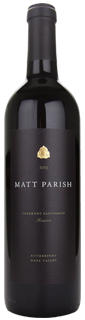
I’ve said before that my wheelhouse for wine is $10-18, with $25-35 for special occasions. Suffice it to say, I don’t get to enjoy as much Rutherford Cabernet as I’d like. When I do indulge, it’s usually on the lower end of the spectrum, such as it is. I’ve tasted more expensive brands at wineries, but Beaulieu Vineyards and Provenance are usually what I buy, but as a Naked Wines Angel, I also have access to a new release from Matt Parish.  At Angel price, this sells for $29.99, and it is as good a Rutherford Cabernet as any I’ve tried – even in the $80-100 range. It’s a very small lot, so the two bottles I bought recently are probably all I will get of the current, 2013 vintage. I plan to save one for at least a couple years. In the meantime, hopefully Matt will be able to make more in another vintage. It’s worth the splurge!

Whatever your favorite is, whether its Cabernet Sauvignon from Rutherford AVA, Sta. Rita Hills Pinot Noir, genuine Bordeaux, or any other wine from any other region, just remember to drink what you like!

Works Cited
Adams, A. (2014, March). Wines and Vines. Retrieved August 18, 2015, from Record California Wine Grape Harvest: http://www.winesandvines.com/template.cfm?section=features&content=129025&ftitle=Record%20California%20Wine%20Grape%20Harvest
Balik, A. R. (2012, July 19). Napa Valley Register. Retrieved August 18, 2015, from Terroir: What does it mean?: http://napavalleyregister.com/lifestyles/food-and-cooking/wine/columnists/allen-balik/terroir-what-does-it-mean/article_593f6df8-d205-11e1-81a6-0019bb2963f4.html
Napa Valley Vintners. (2015). Napa Valley Appellations. Retrieved August 18, 2015, from Napa Valley Vintners: http://www.napavintners.com/napa_valley/appellations.asp
Puckette, M. (2013, November 6). Wine Folly. Retrieved August 18, 2015, from Terroir Definition for Wine: http://winefolly.com/tutorial/terroir-definition-for-wine/
Swan, F. (2011, July 14). NorCal Wine. Retrieved August 18, 2015, from What is Rutherford Dust?: http://norcalwine.com/blog/51-general-interest/523-what-is-rutherford-dust
Wine

Appetite for Wine

We enjoy wine. A lot. We are not wine professionals. We hold no certifications; we have no experience in the wine industry. We just enjoy tasting and drinking wine, and exploring wine regions.

Most of the wines we drink are from California, mainly because that is where we live, so when we go wine tasting, that’s what we buy. Nevertheless, we enjoy wines from other states in the U.S., and all over the world. We have an affinity for Spain (Rioja, Cariñena), Italy (Tuscany, Montepulciano d’Abruzzo, Barolo), and France (Red Bordeaux, Loire Sauvignon Blanc). We enjoy finding affordable wines from under-rated regions.

Over the years we have tasted several hundred wines, and can only recall a handful that were so bad we could not drink them. (One of those was early in my (Kent) wine journey and I now believe it was corked, but I didn’t know it at the time.) While we have favorites, and prefer big, bold reds, we haven’t met a grape – red or white – that we don’t enjoy in some measure.

Our main format for micro-blogging is Instagram. We are very active there, posting several times per week to share what we’re drinking, and what we’re thinking. Please visit us @appetite_for_wine and @robz_lyfe. If you like what you see, please follow us.

You may also want to follow Kent on Vivino, the wine rating app. He’s consistently rated in the top 140 users in the United States. That’s out of more than 5.5 million users! You can find him here: http://www.vivino.com/users/kent-rey. His Vivino reviews also post to his Twitter feed at https://twitter.com/k1reynolds.

If you’d like to reach us directly, or are interested in having us review your wine (samples gladly accepted), please send an e-mail to appetiteforwine (at) gmail (dot) com. Cheers!

– Kent Reynolds & Robyn Raphael