Dracula, Feteasca Neagra, Recas La Putere, Romania, Transylvania, Wine

Dracula Wine? A Review of Recas La Putere Feteasca Neagra 2013

Some weeks back, I received a coupon in my e-mail from Total Wine & More. OK, I get coupons from them all the time, usually $5 off $50 or some similar offer. But once in a while the coupon is special; $10 off $50. That’s 20%! If you are a regular reader (thank you), you know that I tend to hover in the $12-18 range for my wine purchases. So when I get these coupons, I like to use them to expand beyond my normal range, and look for a pricier bottle in the $35-45 range. Then I’ll find something new and interesting to round out the order to get me over the $50 requirement. On this particular occasion, I needed a bottle in the $8-10 range to check out with the coupon. As I browsed the selections, I spotted something I’d never seen before: a red wine from Romania. Transylvania, no less! I immediately knew I had to try it. I checked with my friendly TW&M store associate, who I’ve gotten to know and trust, and she gave the wine two thumbs-up. Into the basket, and away we went!

From what I’ve read about this heretofore unknown (to me) grape, it is best served with smoked or grilled meat. Alas, shortly after procuring the bottle, I found myself temporarily without a grill. So it rested. Now, several weeks later, I have remedied the dilemma and have resumed my meat-charring ways. The time was right to open and taste this exotic and mysterious juice!

According to the Wine-Searcher website, Feteasca Neagra means “black maiden.” The grape is native to Moldova, but suffered during the Soviet era, and is now more widely planted in Romania. It is often used as a blending grape with Cabernet Sauvignon and Merlot.
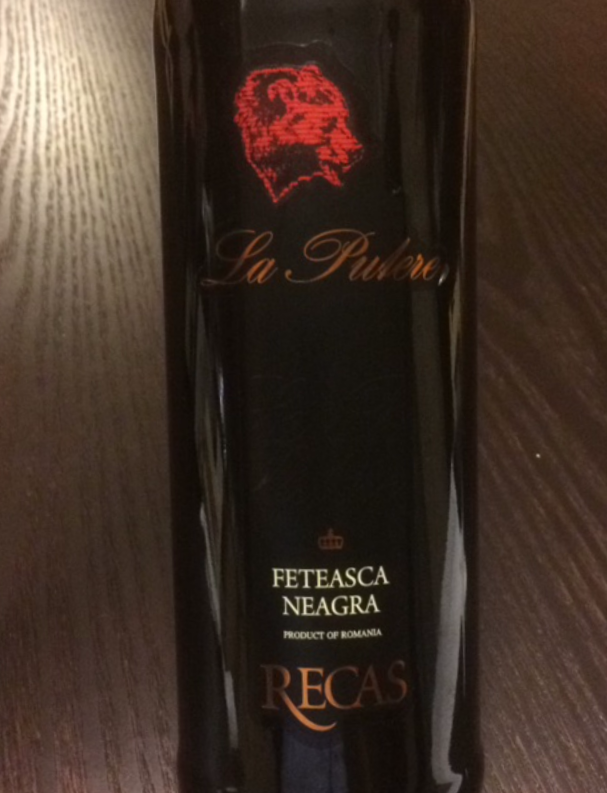
recas-la-putere-feteasca-neagra

From the back label:

“A mellow wine with an intense aroma of dark fruits and plums, a full bodied flavor with fine tannins and a hint of vanilla from fine American oak. Produced from our estate grown, carefully hand picked grapes, this wine is a result of a combination of the most modern viticultural and vinification techniques.  Extended maceration of the skins has given this wine a full bodied flavor with a powerful structure. Serve at room temperature with smoked meats, game or rich cheeses.”

Well, let’s crack that screwcap and see if I go batty for it!

Dracula’s wine? My first from Transylvania! Though I was expecting blood red, I was greeted with a pale garnet color in the glass, with aromas of raspberry and strawberry with a bit of baking spice. On the palate, bold red fruit: raspberry, plum, and strawberry with super soft tannins and light, balanced acidity. As it opens up, leather and tobacco swoop in. Medium body, with complexity throughout, leading to a ripe berry and chocolate-cherry finish.

4.0 out of 5 stars (88-91 points)

$9.99 retail at Total Wine & More
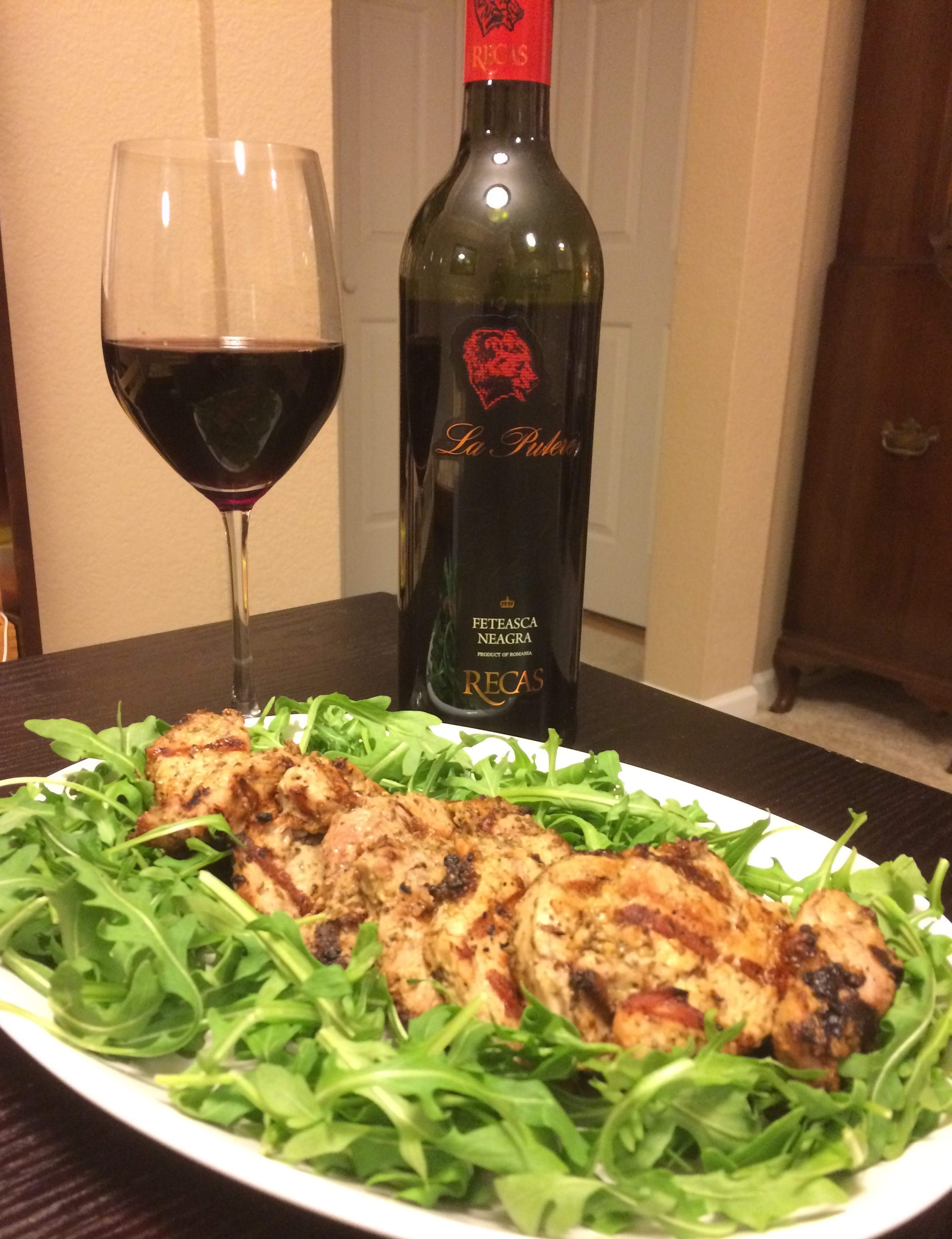
delicious-with-grilled-pork

I don’t know if Vlad the Impaler liked his meat roasted, but paired with Grilled Pork Tenderloin in a simple Olive Oil-Dijon marinade, this wine was out of this world! A great value that I’ll definitely buy again.

If you have tried, or decide to try this wine, please let me know how you liked it!

Cheers!

2017, New Year, Quebec, Quebec City, So Long 2016, Wine

Happy 2017!

I often marvel at aspects of the human experience. At this time of year, we mark the passing of one year and the dawn of another. It’s really just another day in an expansive chain, yet it marks another full rotation around the sun, and in human tradition, the transition from past to future, and all the hopes and dreams associated with new.

future-past

2016 was, arguably, a very difficult year for many. We lost a number of celebrities, as well as some of our civility, kindness, and spirit. Many suffered personal hardships and tragedies; myself included. However, as humans, we persevere, determined to become stronger and better with the emergence of a new day; a new year.

As we stand at verge of 2017, I would like encourage you to join me in taking a moment to reflect on the good and positive things you enjoyed during 2016. I end the year much as I began it: healthy, of sound mind (though that’s debatable), gainfully employed, and with loving family members. Of course, since this is a wine blog, many of my thoughts are about wine. I tasted a lot of wine in 2016; more than 200 if my records are correct. I will not attempt to identify a “best of” list, though perhaps in future years I will do.

Without doubt, the highlight of 2016 was the five weeks I spent in Québec City, Canada. (If you’d like to read about it, you can find all five posts in the Destinations tab on the menu bar above.) The beauty and history there is spectacular. And the food! Poutine anyone? And there’s wine! Québécois wine, French wine, and many other selections. During the trip, I was able to taste and enjoy many wines that are simply unavailable here in Northern California. If you haven’t been, I highly recommend a visit.

This slideshow requires JavaScript.

Regardless of what kind of 2016 you had, I hope your 2017 will bring you exceeding happiness and peace. Tomorrow night, as we escort 2016 to the door and usher in 2017, I’ll be joining a group of new Meetup friends for a Rockin’ Blues party featuring live blues bands and dancing. I don’t know what I’ll be drinking at the event, or for the midnight toast, but whatever it is; I know it will taste like HOPE.

2017-toast

Happy New Year to all! May you have a prosperous and joyful 2017.

Cheers!

Carneros, Intertwine, Merlot, nakedwines.com, Napa Valley, Oakville, Wine

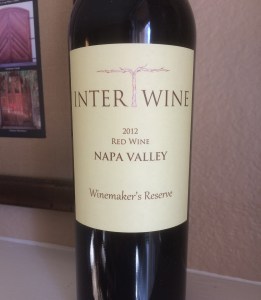
Review: Intertwine Merlot Napa Valley 2015

As the Merlot revival continues, each vintage of Bridget Raymond’s annual contribution to the NakedWines.com portfolio grows in popularity. I reviewed the 2014 vintage of Intertwine, and it is one of my most-read blog posts. So it was with eager anticipation that I opened the newly released 2015 vintage.

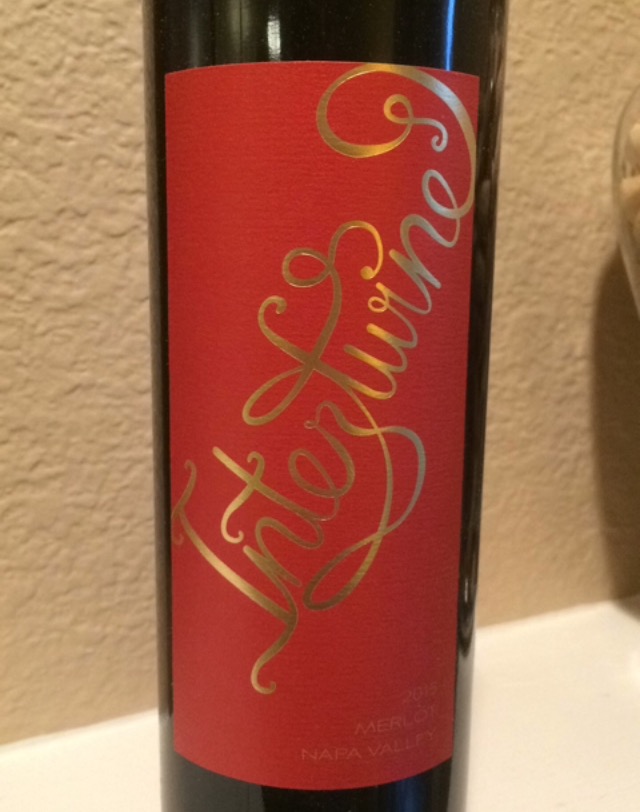
intertwine-2015-1

The Intertwine Merlot Napa Valley 2015 is made with fruit from the Oakville and Carneros AVAs. Both are among the finest, and best known regions in the Napa Valley. Whereas the 2014 showed its youth, and required ample aeration to be enjoyed young, the 2015 is smooth and delicious out of the bottle, although a bit of air allows it to open up, with more flavors emerging, and becoming even more enjoyable. As with most young wines, it will continue to improve with several months or years in the cellar.

This is the fourth vintage of Intertwine that I have had the pleasure of sampling. My tasting notes sum up my appreciation for this delightful juice:

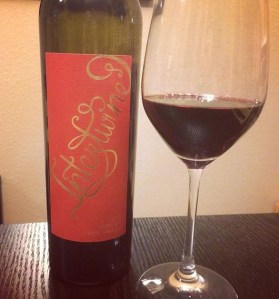
intertwine-2015-2

This could be the best vintage of Intertwine yet! The color is deep purple. On pouring through a Vinturi, this is a blackberry delight! Plenty of juicy fruit on the nose with a hint of oak. Through sheer willpower, I let it breathe for about 30 minutes before allowing the elixir to touch my lips. Patience, rewarded. As the wine opens up, the nose develops some tobacco, black cherry, and cedar notes. When finally tasted, wow! Bold blackberry, Marionberry pie, and black cherry fill the mouth. Full, round, rich mouthfeel coats the tongue. The tannins are firm, but will soften with bottle aging, and the acidity is fresh and lively. The finish is long, with cherry, berry, cedar, smoke, and spice. I even got a bit of dark chocolate at the very end.

Food worthy? Oh yes! Intertwine 2015 took my roasted pork loin with poached pears to an entirely new level! Stellar!

4.5+ out of 5 stars (92 – 95 points)

SRP: $27.99, Angel Price: $13.99

Intertwine Merlot Napa Valley 2015 is available exclusively from NakedWines.com. If this sounds like your kind of wine, you can follow this link to become an Angel, and receive a voucher worth $100 off your first-time order of $160 or more. If you try it, please let me know what you think!

Cheers!
Cabernet Franc, Ehlers Estate, Wine

Review: Ehlers Estate Cabernet Franc 2013

Last Sunday, December 4, 2016, was the second annual Cabernet Franc day. There are celebratory days for several popular wine grape varietals throughout the year. However, the regal Cabernet Franc grape had been overlooked until 2015. Enter Lori Budd. She and her husband, Michael, are the proprietors of Dracaena Wines in Paso Robles, California. Much more than a winery owner, though, Lori is a champion of Cabernet Franc. To bring attention to this oft overlooked grape, she established December 4th of each year as Cabernet Franc day. You can read Lori’s story about the creation of Cabernet Franc day here.

Cabernet Franc is a grape many wine drinkers have never heard of. Of those who are aware of it, many know it only as a blending grape used in red Bordeaux wines. Surprisingly few people have experienced Cabernet Franc as a stand-alone wine. That is a shame, and Lori is doing all she can to remedy that problem.

While anybody who has taken even a passing notice of wine is familiar with the King of Grapes, Cabernet Sauvignon, many do not know that Cabernet Sauvignon is a naturally-occuring hybrid. DNA testing in the 1990s revealed it is a cross between Cabernet Franc and Sauvignon Blanc.

So what happens on Cabernet Franc day? A lot! Social Media is inundated with hashtags like #cabfrancday, #cabfranclove, and #lovecabfranc. In the wine blogger community, blog posts about Cabernet Franc abound. The day culminates with a Tweet-up on Twitter, with the hashtag #cabfrancday. I participated in the Tweet-up – my first one ever – and it was a lot of fun, and very informative! I had no idea there were so many producers making stand-alone Cabernet Franc, in so many styles.

I’ve had a few Cab Francs before, but haven’t really explored the grape in depth. All the wines I’ve had have been excellent; medium bodied with black fruit, tobacco, and spice, with the classic bell pepper on the finish. It is a very food friendly wine, and pairs well with basically anything you would serve with Cabernet Sauvignon or Merlot.

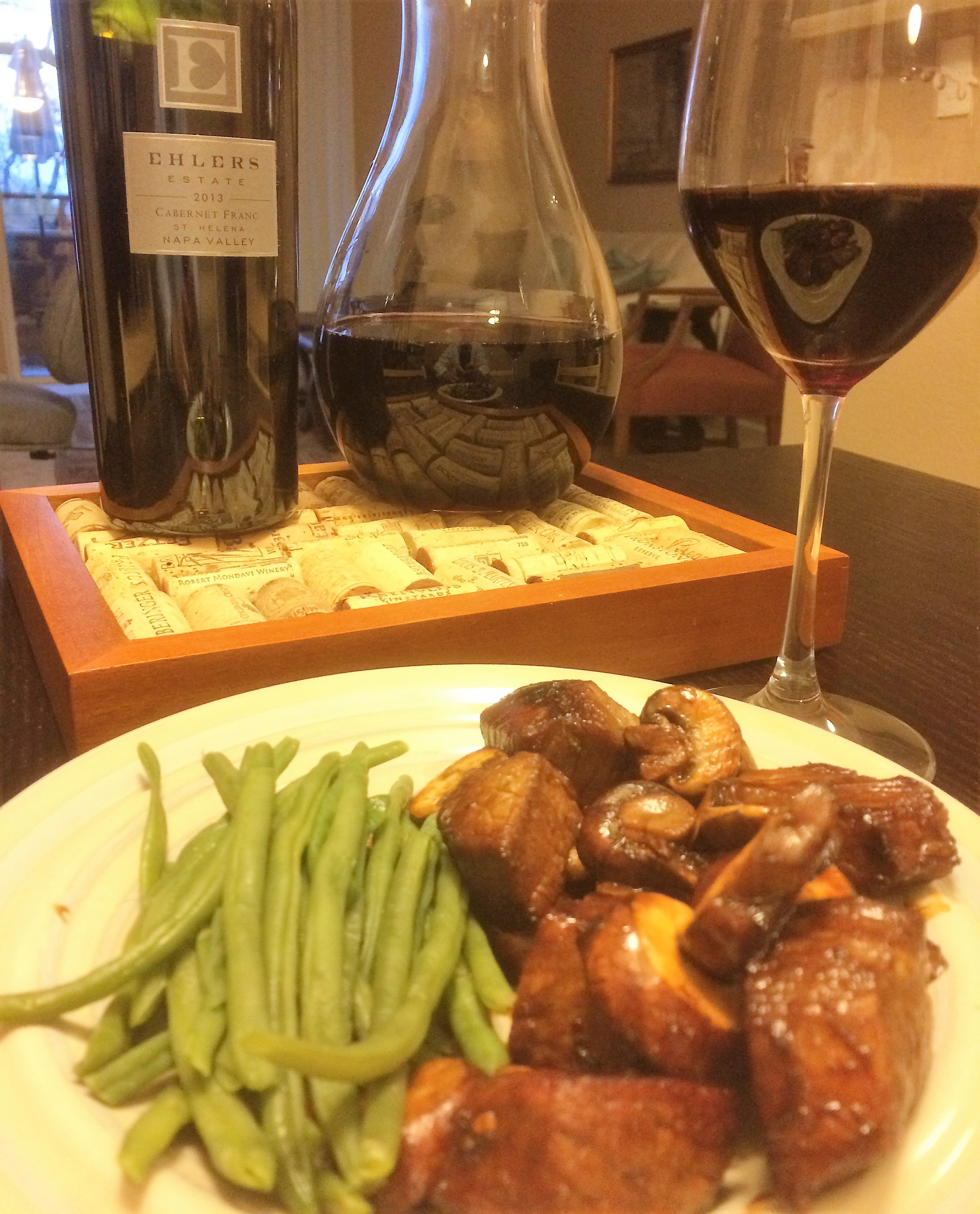
dinner-time-cf-loves-beef
Cab Franc Loves Beef Tips and Mushrooms!

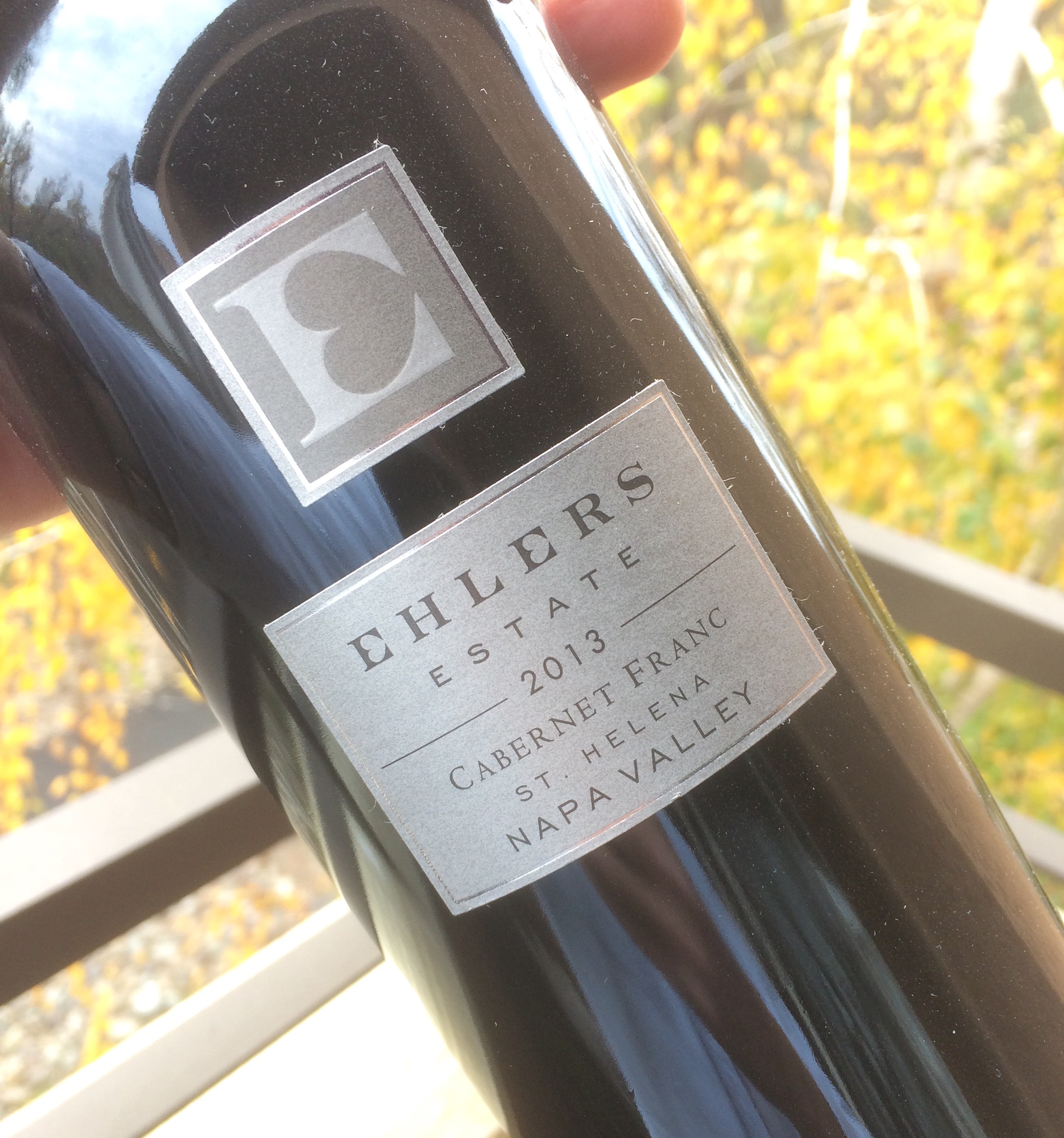
To celebrate Cabernet Franc day, I had the good fortune to receive a bottle of Ehlers Estate Cabernet Franc 2013, from Beth, the Traveling Wine Chick. The Ehlers Estate Cabernet Franc will blow your mind! It is crafted from 100% Cabernet Franc aged in 100% French Oak, and is rich, deep, and full bodied.

look-at-that-color
Look at That Color!

From the Ehlers Estate website:

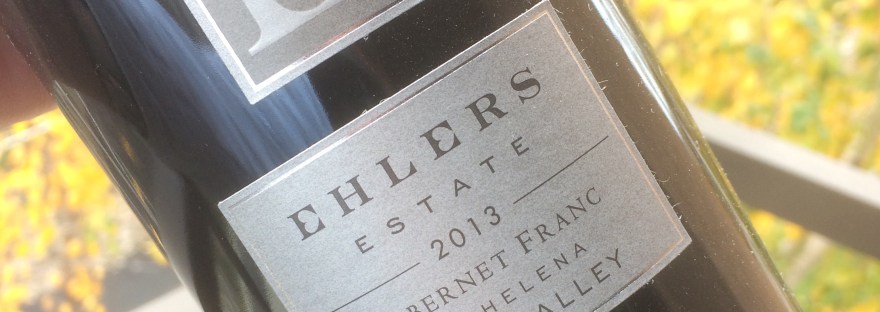
A beautiful, 100% Cabernet Franc with great structure, firm, mature tannins, and compelling flavors. Black and red berries, black cherry, toasted coconut, browned butter, and slight vanilla, this wine is pure Franc from a stellar terroir. Mouth-filling and built to last, with a long chewy finish, this is a perfect change-up to your best Cabernet Sauvignons. Off the charts.

ehlers-estate-cf-2013

Here’s what I thought:

A delicious way to enjoy #CabFrancDay! Deep purple with a ruby rim. Aromas of ripe raspberry and soft cedar and pencil shavings. As the wine opens up, I got a whiff of bell pepper, too. On the palate, this is a juicy, balanced delight. Ripe raspberry, blackberry, cedar, and spice. Tannins are soft and smooth, with vibrant acidity that makes my mouth happy! The finish is long and satisfying, with black and red fruit. Outstanding!

5 out of 5 stars (95+ points)

Retail: $60

cant-wait-to-open-this

With such famous lineage it is surprising that Cabernet Franc is so often overlooked and forgotten. If you haven’t tried this grape on its own, please go to your favorite wine shop now and buy some. Then join us every December 4th for the annual #cabfrancday festivities!

Cheers!


Blogging, MWWC, nakedwines.com, Wine, Wine Blog

My Winestory – #MWWC29

I can’t say exactly when I had my first taste of wine. As a child, Sunday dinner was a formal affair. We’d come home from church and change out of our “Sunday” clothes, only to dress again that evening for dinner. I clearly remember pot roast. Lots of pot roast. I also remember wine. My parents always served my sister and me a small glass of wine with Sunday dinner. I’m sure it was no more than an ounce or two. I assume that started around age 11 or 12. Mind you, this was wine from a jug, from one of the fine estates of E&J Gallo, Almaden, or Carlo Rossi, but wine it was.

Skip ahead a few years to junior high. In health class we studied a unit on alcohol, including a section on alcohol abuse and alcoholism. In one lesson, we took a quiz and to my shock, my parents’ drinking habits ticked almost all the boxes that indicate possible problems. Around this same time, I have vivid memories of my dad, passed out in his recliner after dinner. His normal habit after coming home from work was to toss back a couple of gin & tonics, then have a few glasses of wine with dinner. After dinner he’d retire to his recliner to watch TV, and within minutes, he was sawing logs. My sister and I laughed at it this first, but as I got older, it stopped being funny. One night, I tried to wake him up so he would go to bed, but I couldn’t, so I turned off the lights and went to my own bedroom to read.

I don’t know if my parents met the clinical definition of alcoholic, but with that kind of upbringing and exposure to excessive alcohol consumption, by high school, I had pretty much decided I was never going to let that happen to me. Whether alcohol abuse is an inherited genetic trait, or learned behavior (nature vs. nurture) I do not know. However, I do believe that children of alcoholics are much more likely to become alcoholics themselves. My sister is an example of this. She is a recovering alcoholic who, with the support of her AA friends and family, recently celebrated 18 years of sobriety!

So how, then, did I end up here? Not only drinking wine (and beer and liquor), but blogging about it? Glad you asked.

Monthly Wine Writing Challenge

John Taylor, author of Pairs With: Life, won #MWWC28, and his Major Award was to select the topic for #MWWC29. He chose: Winestory. An opportunity for us to share our personal stories about how we got here, and why in the world we decided to start writing a blog. Having sufficiently (I hope) set the stage, here is my

winestory

Like any other kid in living in a college dorm, despite my convictions, I occasionally succumbed to peer pressure. That’s when I first learned about the joys of the sweet elixir. I’m referring, of course, to White Zinfandel. In the early 80’s, this fine juice was in its heyday, and priced right for starving college students! It was everywhere! Kool-aid with a kick, and all the cool kids were drinking it. But I still wasn’t hooked.

In our early married years, my wife and I were pretty much teetotalers. st-innocentWe might have a glass of wine when we went out for a special occasion dinner, and would buy a bottle for home maybe twice a year. However, one fateful December when we were living in Oregon, we attended a company holiday party at St. Innocent Winery. At first I demurred when the hostess offered me a glass. Sure, I knew Pinot Noir is what put the Willamette Valley on the wine map, but I truly subscribed to the (untested and erroneous) belief that red wine gives me headaches. The hostess assured me that St. Innocent’s wine would not give me a headache. She was right, and the wine was delicious. The rest, as they say, is history.

I started buying wine regularly, and joined a wine club, receiving quarterly shipments of wines from all over the world. My journey of discovery and adventure had begun! Soon, friends and family were asking me for advice: wines to buy, pairing suggestions, anything wine related. I was hungry for knowledge about wine. I subscribed to magazines, and enrolled in web-based classes. Then one day, I received a voucher in the mail. My wine journey was about to change, and go in an entirely new direction.

If you have read my blog before, you probably know that I am a member, and ardent supporter of NakedWines.com. (If you are unfamiliar with NakedWines.com, please follow this link to their FAQ page.) When that voucher arrived, I was skeptical. I had been disappointed by many of the wine clubs I’d tried, but I figured $160 worth of wine for $60 was worth the one-time risk. Once the wine arrived and I had my first taste from the first bottle I opened, I was hooked.

not-the-original-bottle-it-was-so-good-i-bought-more
Not the actual First Bottle. It was so good, I bought more.

One of the things that sets NakedWines.com apart from traditional wine clubs is the social media aspect of the company. Members, known as Angels, are encouraged to post reviews of the wines they drink, and interact with each other…and the winemakers…on the website. I was surprised by how much I enjoyed writing the reviews of the wines. Even more surprising was the fact that other Angels were reading them, and commenting on how much they liked them. New Angels were starting to seek out my reviews and opinions. They were looking up to ME! I’m no sommelier, no winemaker, or any other sort of expert. I’m just a guy who drinks wine, with a new passion for writing about it.

The natural next step, then, was to figure out this whole blog thing, and start writing. So I did. My main focus is on sharing those wine reviews, expanding them beyond NakedWines.com, to include all the wines I enjoy. More than just reviews, though, I like to tell a story about the wine, the region, and if possible, the winemaker. My goal is to engage my audience, and if I may be so bold, perhaps educate them a little. Keeping my childhood in mind, and cognizant of my family history, and remain vigilant on my consumption. Nevertheless, wine has become my true passion, and sharing it brings me joy.

Glassware, Musing, Proper Pour, Serving Size, Wine

What is a Proper Pour?

What is a Proper Pour? The answer varies, and depends on a number of factors, not the least of which is who you ask. This question came up recently during a friendly discussion at work, and answers ranged from four to eight ounces. Though many of my coworkers drink wine recreationally, as the de facto in-house “wine expert”, I shared that many wine glasses are designed to hold four ounces of wine, leaving sufficient space for swirling and aromatics to maximize the enjoyment of the wine. One of my coworkers responded with: “If I ordered a glass of wine in a restaurant and they only gave me four ounces, I’d be [expletive phrase indicating dissatisfaction in the extreme.]” This got me thinking about this question, and what may influence one’s answer.

Glassware

Many of the standard sized wine glasses in my home cabinet are designed to accommodate a four ounce pour. Larger glasses can comfortably hold up to six ounces. While they can all hold much more than that, overfilling the glass inhibits the ability for oxygen to enter and release the enticing aromas. As the alcohol in the wine evaporates, the aromas are released into the air. Wine glasses are shaped to funnel those aromas to the nose, providing maximum concentration for enjoyment. Furthermore, swirling wine in the glass can infuse oxygen, causing more aromas to be released. Try swirling an overfilled glass and, rather than enjoying the aromas and flavor of the wine, you are now instead cleaning up a mess and hoping that red wine doesn’t leave a stain!

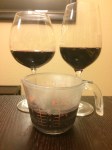
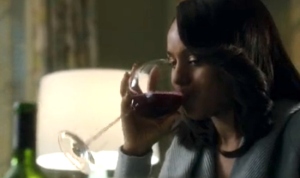
The general rule of thumb is to fill the glass “to the bend.” This results in a perfect pour for whichever glass you may be using. However, as with so many things, pop culture has influenced an increase in the size of the average wine glass.

scandal-wine-glass

Wine drinkers should keep this in mind when shopping for glassware, and when pouring that third glass of the evening.

Social Setting

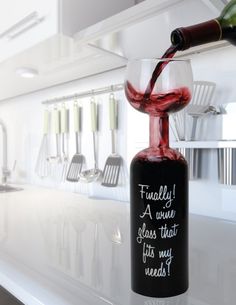
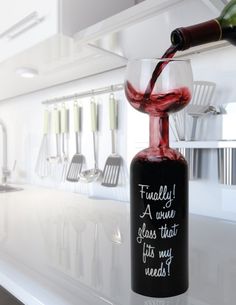
Where you are, who you’re with, and what you’re doing can all influence the size of the pour. Trying to look cultured at a frat party? At a friend’s house looking to get your drink on? In any other situation in which the primary objective is to get yourself good and hammered? Go ahead and fill that sucker to the rim! You might even consider one of these: bottle-glass

However, if you are hosting or attending a dinner party, trying to impress the in-laws who already worry their precious little snowflake made a bad choice in marrying you, or in any other social situation in which the wine is there to enhance the meal or general setting, consider scaling back on that pour. Economics can also be a consideration. A five ounce pour gets you about five glasses from each bottle. An eight ounce pour is only three per bottle. You do the math.

On the other hand, if you are dining out, or at a wine bar, let your server be your guide. If you are at a restaurant, the best value is a bottle, so pour size is less important. If you are ordering off the “by the glass” menu, then I would agree with my coworker and expect a 5-6 ounce pour. Most wine bars I have visited offer a three ounce half glass, and a six ounce full glass.

Individual Motivation

Related to Social Setting, Individual Motivation can strongly influence the size of your pour. Once again, if you are looking to get your drink on and become obliterated, pour away! However, if your objective is to savor the character of a particular wine, capturing the terroir, the nuanced aromas and flavors, and allowing the expression of the varietal to carry you away, then you will want to moderate the pour to take advantage of the design of your glass.

Wine Choice

Much in the same way as factors above, the wine you are drinking plays a major role in deciding how full to fill your glass. Two-Buck Chuck, or any bottom shelf supermarket deal-of-the-week? Fill ‘er up! But if you are tasting a quality wine, do yourself a favor and pay attention to your pour. It doesn’t have to be a Romanée Conte or Chateau Rothschild. Any well-made wine that is worth savoring, rather than chugging, deserves the respect of a proper pour.

The Medical Community

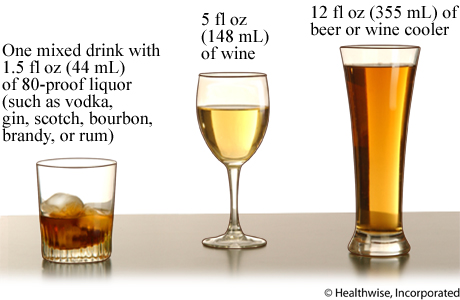
Finally, not to be a killjoy, but one must consider one’s health. The medical establishment, and the government, have established guidelines to identify the “serving size” for various adult beverages. Kaiser Permanente advises patients that a serving of wine is five ounces. This is based on the average alcohol content in each serving, so a serving of beer (12 oz.) is equal to a serving of liquor (1.5 oz. – Really? When’s the last time you had a cocktail with just 1.5 oz. of booze?) is equal to a serving of wine.

kp-alcohol-chart
Photo Credit: kp.org

In addition, Kaiser Permanente recommends no more than 15 servings of alcohol per week. If you drink daily, that’s just two per day, plus a bonus glass on the weekend. Once again, pop culture and social media would have you believe that limits are for losers, but excessive alcohol consumption can cause real health problems. Everything in moderation, folks!

these-memes-are-funny-but-excessive-alcohol-consumption-is-no-joke
These memes are funny, but excessive alcohol consumption is no joke.

So what do you think? What’s your proper pour? 4 ounces? 6? 8? Or more? Let me know in the comments.

Cheers!
Beaujolais Nouveau, Benjamin Darnault, Chardonnay, Christmas, Franc Dusak, Joel Gott, nakedwines.com, Pinot Noir, Rose, Thanksgiving, Wine

Fantastic Thanksgiving Wines, Perfect for Chirstmas Dinner

before

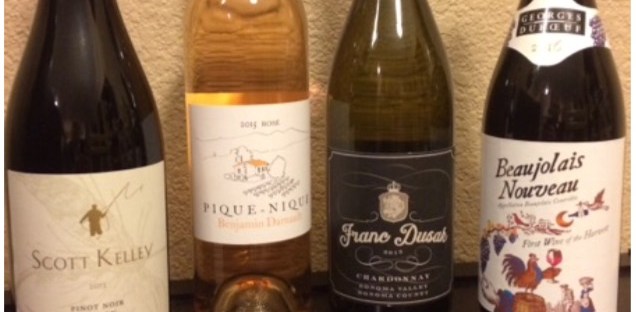
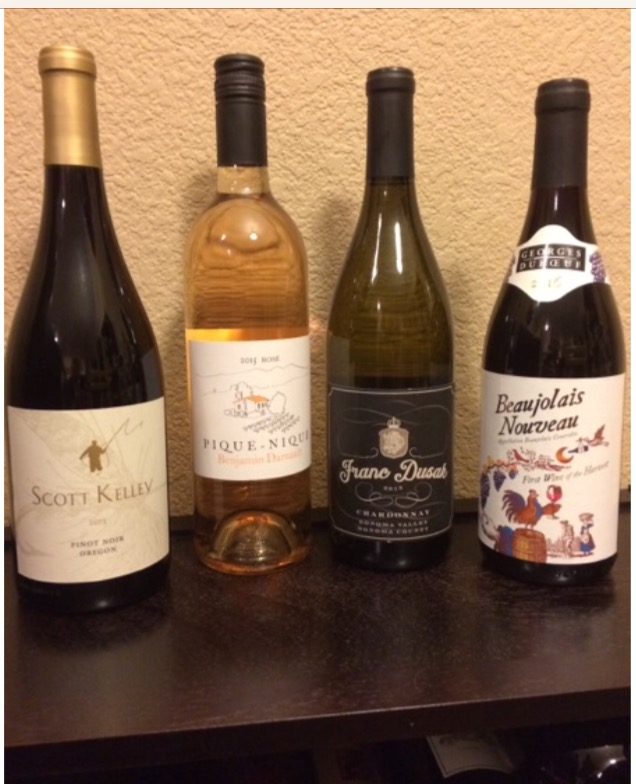
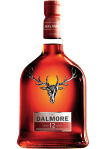
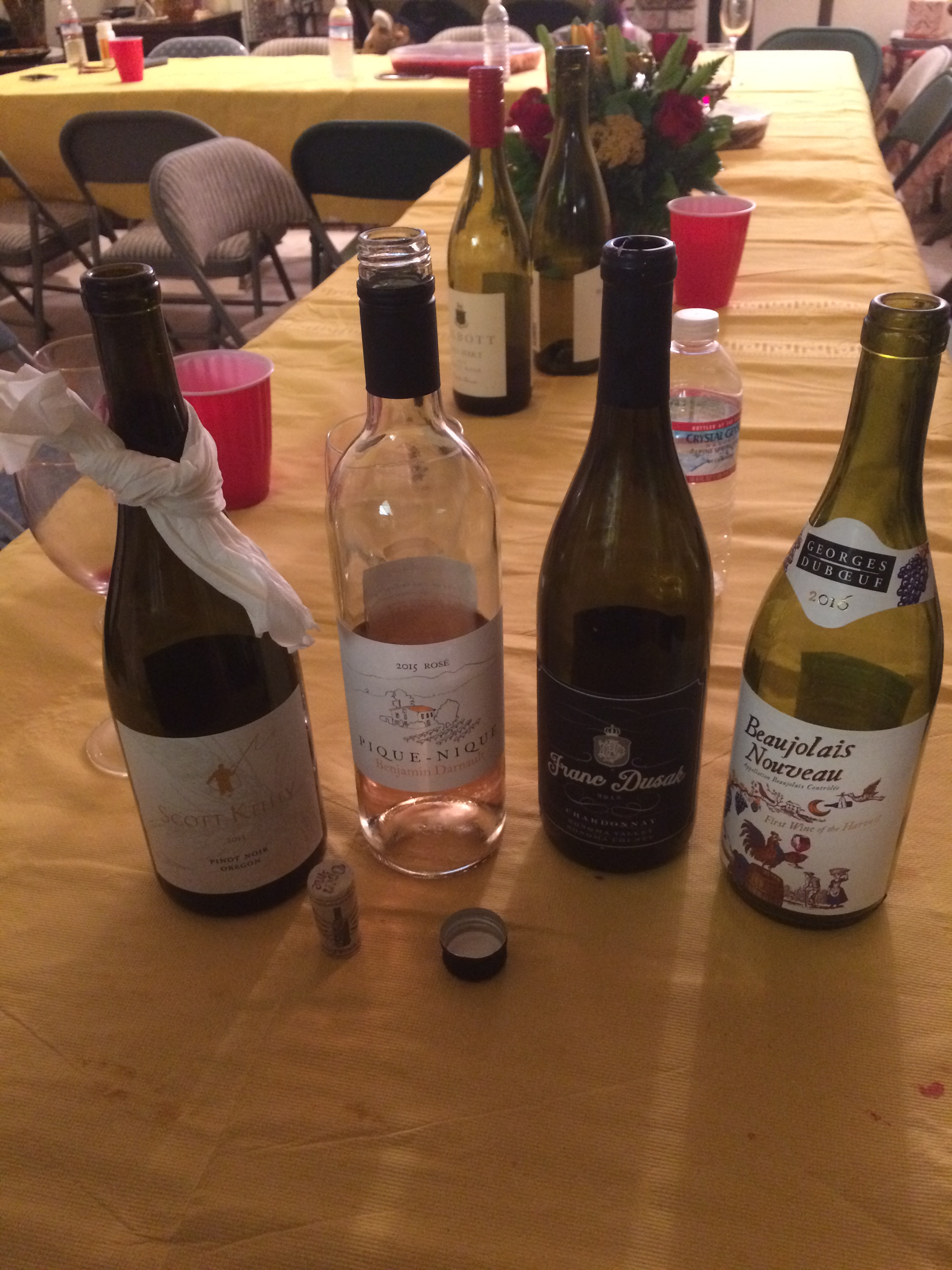
The wine was flowing at Thanksgiving this year! My son and I were invited to spend the day with the family of his friend, Edward. With about 20 people in attendance, we blended in and had a great time. In addition to the four wines I brought, which I review below, several other people brought several bottles to share. Those included Frei Brothers Cabernet Sauvignon, Joel Gott 815 Cabernet Sauvignon 2013, Talbott Pinot Noir, and William Hill Chardonnay.  There were others, too, but I didn’t get a chance to make a note of which they were. In addition, a bottle of Dalmore 12-year Highland Scotch appeared on the bar. It would have been rude of me to not have a dram or two, right? It was absolutely delicious!

dalmore-12
Photo Credit: totalwine.com

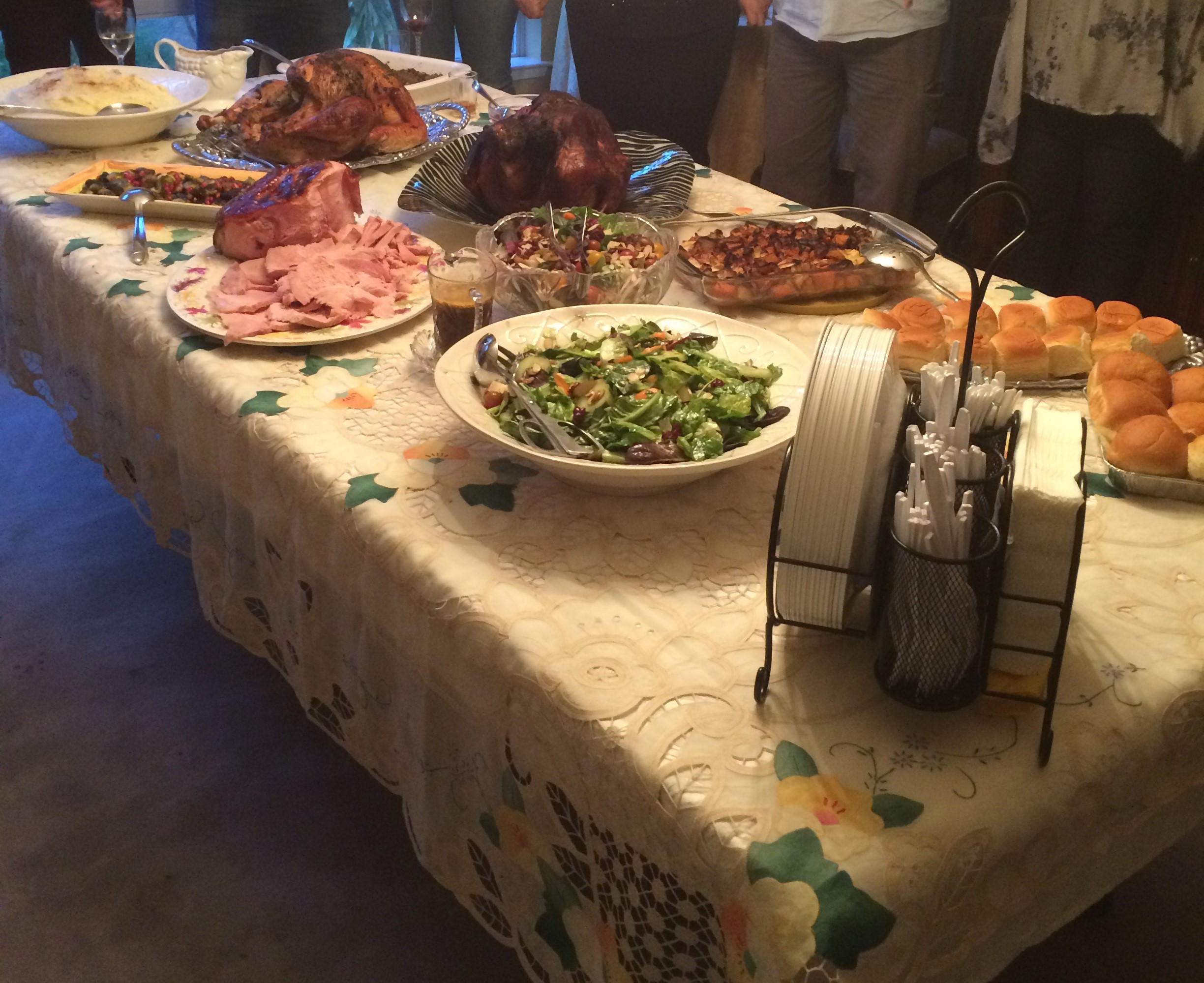
Dinner was a feast! There were two turkeys; one smoked, and one traditional; a honey-glazed ham, mashed potatoes and gravy, dressing, Brussels sprouts, sweet potatoes, two green salads, and rolls. Dessert was equally varied and delicious!

buffet-table
Let the feast begin!

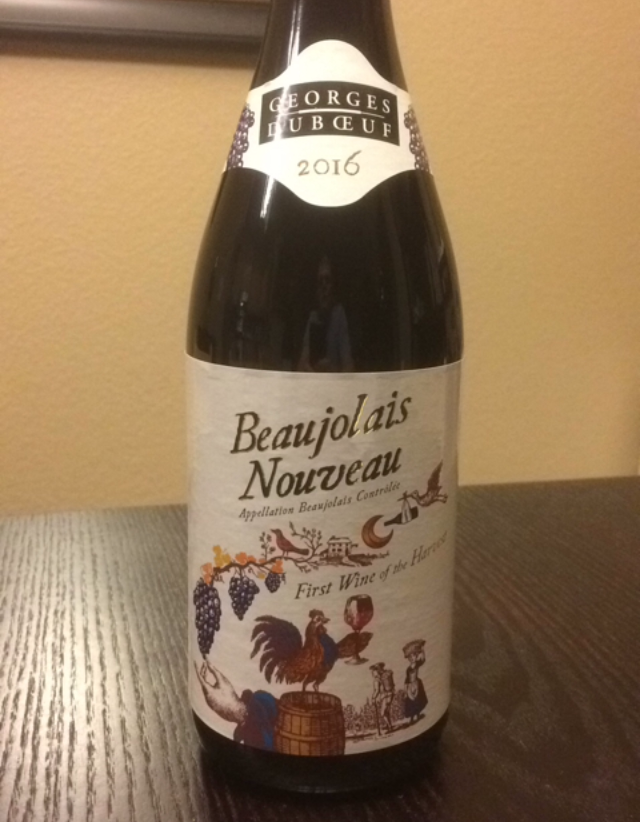
Of the wines I brought, three were from NakedWines.com. The fourth was the just-released 2016 Beaujolais Nouveau from Georges DeBouef. With varying levels of wine-tasting experience represented, from “I’m here for the Scotch, but I enjoy a glass of wine once in a while, too” to a wine industry professional, all the wines were big hits. The hands-down favorite, with it’s soft, easy-drinking, fruit-forward profile, was the Beaujolais Nouveau. In fact, that bottle was empty long before dinner was served!

after

These wines were all excellent companions to a traditional Thanksgiving dinner. With Christmas just around the corner, if you are having similar cuisine, I can wholeheartedly recommend each of these for that meal as well!

georges-deboeuf-beaujolais-nouveauGeorges DeBouef Beaujolais Nouveau 2016

The hands-down favorite around the Thanksgiving table. A party in a glass! Bright purple color, bursting with juicy fruit flavors; boysenberry, cherry, plum, blueberry, and raspberry. Soft tannins and bright acidity made this a light, fun quaff before and during the meal.

4.0 out of 5 stars (88 – 91 points)

$8.97 at Total Wine & More

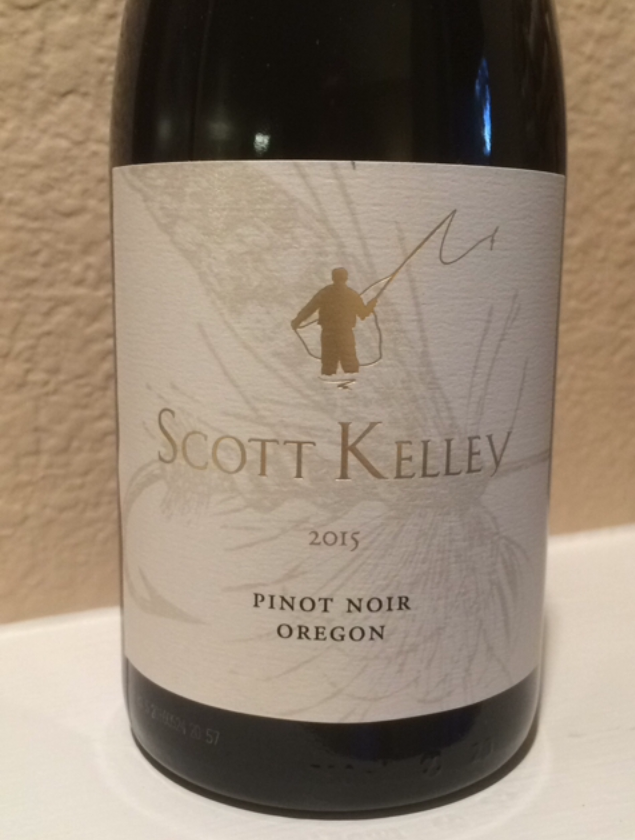
scott-kelley-oregon-pinot-noirScott Kelley Oregon Pinot Noir 2015

Classic Oregon Pinot. Ruby color. On the nose there is raspberry, fresh plum, and soft smoke. Flavors of ripe raspberry, cherry, and strawberry mingle with soft oak. Tannins are soft and super smooth, with balanced acid, leading to long finish. Pinot Noir just the way I like it!

4.5 out of 5 stars (92 – 94 points)

$24.99 SRP, $14.99 NakedWines.com Angel Price

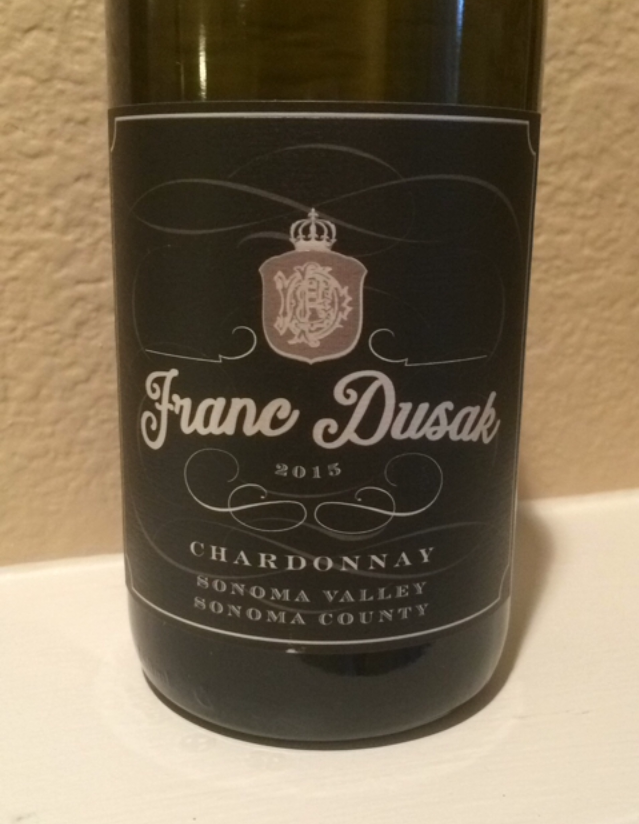
franc-dusak-chardonnayFranc Dusak Sonoma Valley Chardonnay 2015

A well balanced Sonoma Chardonnay. Straw color in the glass. Aromas of apple and butter. On the palate, flavors of fresh apple and pear, with some caramel at the end. Medium body, very soft smooth with light acidity and perfect balance of oak and fruit.

4.5 out of 5 stars (92 – 94 points)

$23.99 SRP, $13.99 NakedWines.com Angel Price

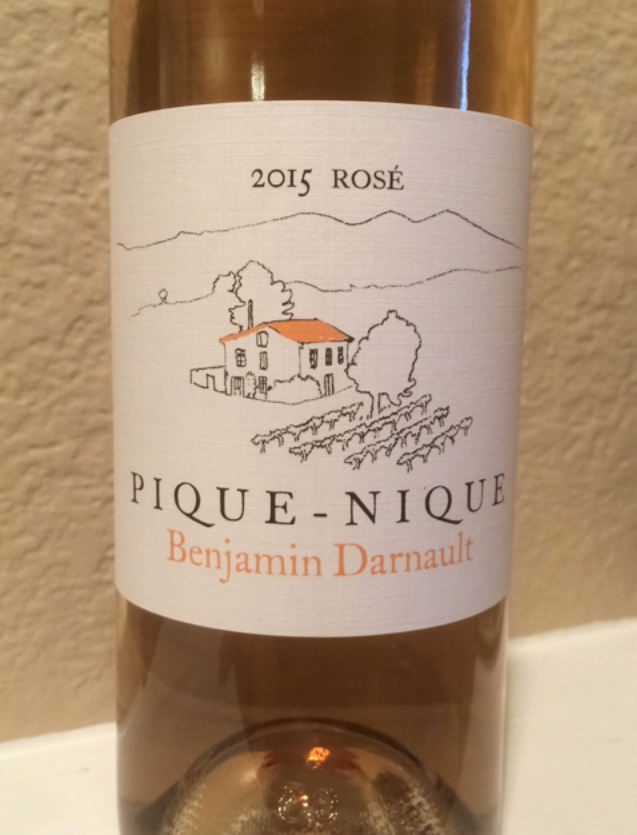
benjamin-darnault-pique-nique-roseBenjamin Darnault Pique-Nique Rosé 2015

Wonderful dry Rosé of Grenache. Peach color, aromas of fresh raspberry and soft rose petal. Flavors of raspberry and strawberry with floral notes. Light body with bright acidity and a pleasing finish.

4.0 out of 5 stars (88 – 91 points)

$16.99 SRP, $9.99 NakedWines.com Angel Price


I hope all of you had a fabulous Thanksgiving. What was your favorite wine of the day? Let me know in the comments.

Cheers!
Chablis, Chardonnay, Costco, Kirkland Signature, Premier Cru, QPR, Value, Wine

Warehouse Wine: Kirkland Signature Chablis Premier Cru 2014

Warehouse Wine? Sure, why not? Premier Cru Chablis for $15? Heck, yea!

Costco Wholesale warehouses are known for offering good wines at great prices. Members can find well-known labels from around the world (depending on your state’s regulations), and enjoy substantial savings over traditional wine shops, and often at prices better than even large wine and liquor stores like Total Wine & More and BevMo. These are great deals, but for the biggest bang for your buck, look for the Costco Kirkland Signature label. No, Costco doesn’t make wine. They use their immense buying power to source and purchase wine from well-known producers, and label them with the Costco brand. Pulling the cork often reveals the secret identity of the estate or chateau that produced the wine, when they use their own corks. A 2015 article in Wine Spectator pulls back the curtain on some of those producers, and some impressive names they are. And Jon Thorsen, the Reverse Wine Snob, has written extensively on the Costco wine scene, and regularly reviews their wines.

So now we know about wine buying at Costco and the bargains to be found there. But what’s so special about Chablis? And what is this “Premier Cru” thing? Good questions. The short answers are: Chablis is Chardonnay wine made in Chablis, which is located in Burgundy, France. “Premier Cru” is a designation that identifies a Chablis wine that was made from grapes from better-than-average vineyards. The Best of the Best receives the Grand Cru designation. You can read a more in depth analysis at Wine Searcher.

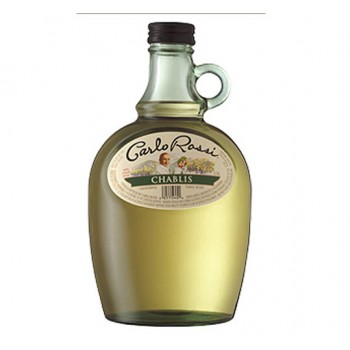
When I was a kid, I remember my parents drinking “Chablis” from a jug. (Back in those days, the rules about naming wines were less strict.) carlo-rossi-chablisSo when I started my own wine journey, I had that image in my mind, and avoided Chablis, thinking it was nothing more than cheap plonk. Furthermore, when I started exploring wine, I stuck mainly to New World wines; those from the U.S., Australia, and South America. In those days, Chardonnay meant those overly oaked toast bombs, of which I’m not a fan. Thus began my ABC (Anything But Chardonnay) days. Only in the past two or three years did I learn that Chablis – the real stuff from Burgundy – is completely unoaked. There are no toasty, lick-the-inside-of-the-barrel flavors. Venturing out of my comfort zone, I tried a bottle several months ago, and I was very happy with what I tasted! (Fortunately, the trend with Chardonnay, even in the U.S., is toward lightly oaked or unoaked styles.) Thinking about all the delicious Chablis I missed over the years, because of my incorrect assumptions, is disturbing! Having since turned in my ABC Membership Card, I am now always on the lookout for good Chablis bargains.

So how does the Kirkland Signature Chablis Premier Cru 2014 stack up? Pretty darn good.

kirkland-signature-chabils-premier-cru

Light straw color in the glass. Aromas of pear, yellow apple, and elderflower. On the palate, there is pear and apple, with zesty lemon and grapefruit mid-palate. Bright acidity, and a lighter mouthfeel when cold, but as it warms it softens and becomes softer with a bit of creaminess. The finish goes on and on with tart citrus notes. Not the best Chablis I’ve had, but surely the best QPR for a Premier Cru.

4.0 out of 5 stars (88 – 91 points)

Retail: $14.99

This is definitely a wine I would serve to guests. The label may not impress, but in my opinion, it’s more important what is IN the bottle, than what is ON the bottle.

Cheers!
GSZ, Jarvis Tomei, nakedwines.com, Paso Robles, Sierra Foothills, Wine

Review: Jarvis Tomei California Mother Lode Rhone Red Blend 2015

It’s been awhile since I’ve posted a wine review. In my zeal to share creative insights and tales of my wine travels, combined with life circumstances and busyness at work, I momentarily lost sight of one of the reasons I started this blog, and my tagline: “Reviews, musings, ponderings, and thoughts about wine.”

When I post reviews, I like to include a little about the winemakers. I find I enjoy a given wine more when I know some of the stories and passions of the people behind the label. Often I rely on information available on the Internet, but as a member of NakedWines.com, I have the opportunity to meet and interact with the winemakers directly.

Jeff Jarvis and Jessica Tomei are a husband and wife winemaking team based in Northern California. Although I have not had opportunity to meet them in person, I feel like I know them through our communication on the NakedWines.com social media platform. Theirs is a compelling, moving story. Jeff and Jessica have an impressive wine-making background, having worked at wineries in Italy and Chile before settling in Northern California. In addition to making wine for NakedWines.com members (known as Angels), Jessica stays busy as the director of international winemaking at Cupcake Vineyards.

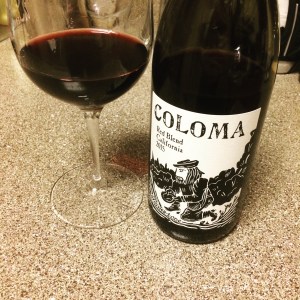
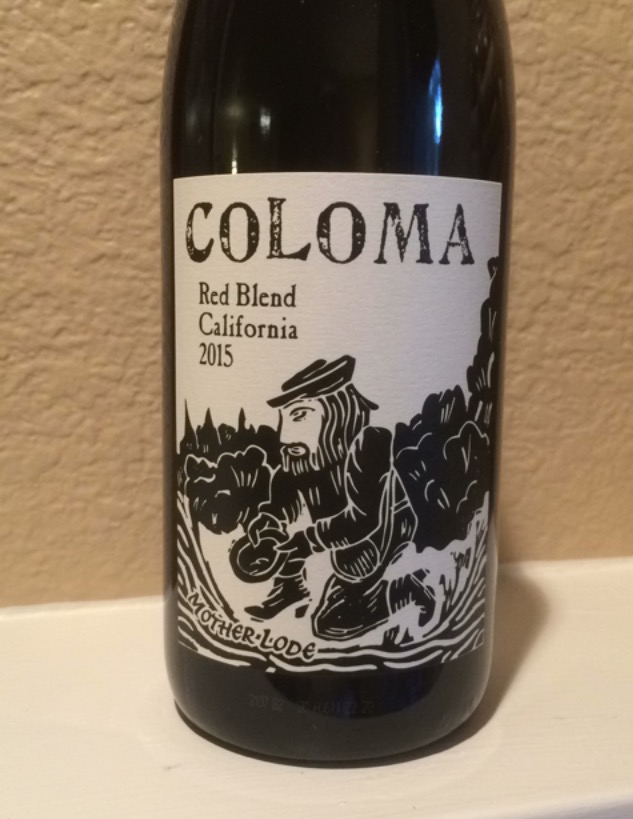
Jeff and Jessica source most of their fruit from El Dorado County, in the Sierra Foothills. coloma-mother-lode-red-blendTheir primary NakedWines.com label, Coloma, is a nod to this origin. The small foothills town of Coloma, in El Dorado County, is the location of Sutter’s Mill, where gold was discovered in 1848. If you’ve read much of my blog, you know I have a special passion for Sierra Foothills wine, partly because I live less than 45 minutes the main winemaking regions there, and just 5 minutes from the El Dorado County line! Jeff and Jessica’s Coloma wines are rich and intense, with soft tannins, and a fruity, spicy finish.

Yet, as good as their wines are, the best part of buying them is knowing that I am supporting this young family through their trials and tribulations. You see, in 2012, their then-two year old daughter Sofia became ill with a mystery ailment. After months of medical visits and extensive tests, doctors were unable to diagnose the illness. Their story was carried by both local and national news outlets. Cue NakedWines.com and the army of Naked Angels to the rescue! Through the support of this wine-loving extended family, Jeff and Jessica produced and sold a special Helping Hands Six-Pack of their wines for Angels. The money raised went directly to Jeff and Jessica to help defray medical expenses. So when I have an opportunity to purchase any of their wines, I know I am helping to support this family, and little Sofia.

jarvis-tomei-family
The Jarvis Tomei Family, Photo Credit: The Naked Way

Their latest Coloma label release is a spin on the classic Rhône GSM blend. The Mother Lode Red Blend is a GSZ – Grenache, Syrah, Zinfandel blend. In speaking with other Sierra Foothills producers, I learned that the challenge with GSZ is taming the hot, high alcohol content of the “Z” – Zinfandel. Leave it to Jeff and Jessica to master this by blending just 10% Zinfandel with 55% Syrah and 35% Grenache. The wine carries the California designation, because the fruit is sourced from both the Sierra Foothills and Paso Robles.

coloma-in-the-glass

In the glass, a medium ruby color. Pre-aeration (patience is overrated) there are aromas of blackberry bramble, vanilla, and blueberry. Run thru a Vinturi (or decanted 30-60 minutes if you have patience) brings forth aromas and flavors of ripe blackberry, blueberry, black cherries, and soft oak. Is this really a 2015? It’s amazingly soft and smooth, with light acidity and medium to full body. The finish is medium long, with dark berry, plum, and a touch of spice and mineral. This is an easy drinking wine; great for sipping or with food. I’m glad I bought more than one!

4.0 out of 5 Stars (88 – 91 points)

MSRP: $19.99, Angel price: $11.99

This wine is still available, exclusively from NakedWines.com. If you’d like to try it, and aren’t yet a Naked Angel, follow this link for a voucher worth $100 off your first purchase of $160 or more. You’ll be happy you did!

Cheers!

Amador County, California, Shenandoah Valley, Sierra Foothills, Wine

Lesser Known AVAs: Shenandoah Valley

My how time flies! It’s been almost a year since my first post on the Sierra Foothills AVA. When I wrote that piece, I had the grand idea of showcasing each of the five sub-appellations that comprise the Sierra Foothills: North Yuba, El Dorado, Shenandoah Valley, Fiddletown, and Fair Play. Alas, such is the life of a hobbyist blogger. Work, family, and life in general get busy, and grand ideas get set aside. It has taken some time, but I was finally able to make it to Amador County wine country recently to conduct some “scientific research” for this continuing series. It was arduous, but I’ll do whatever it takes for you, dear reader, to provide what I hope is interesting content.
As I lamented in my earlier post, the Sierra Foothills area is, in my opinion, an underrated and underappreciated wine region. Often flying under the radar of major wine publications, the wineries here are producing wines that rival bigger, better known producers and regions. Fortunately, the Sierra Foothills received some recent exposure when nearby Lodi hosted the 2016 Wine Blogger’s Conference. Although I was unable to attend, I’ve read some great posts from fellow bloggers on the field trips that were offered to the foothills. Several of the winemakers and owners I spoke with on my recent daytrip also commented on the visits, and appreciate the attention the conference gave to the region. Still, it is with some trepidation that I go on; for fear that too much exposure will spoil the tranquil, picturesque wine region located in my own back yard. Nevertheless, I wish nothing but success for these amazing wineries and wines, so I must shout my praises from the rooftops. Well, at least from my living room.

Amador County is home to two of the five Sierra Foothills sub-appellations; Shenandoah Valley and Fiddletown. These two neighbors adjoin one another, and while I did briefly venture into the Fiddletown AVA, my focus this day was the Shenandoah Valley.

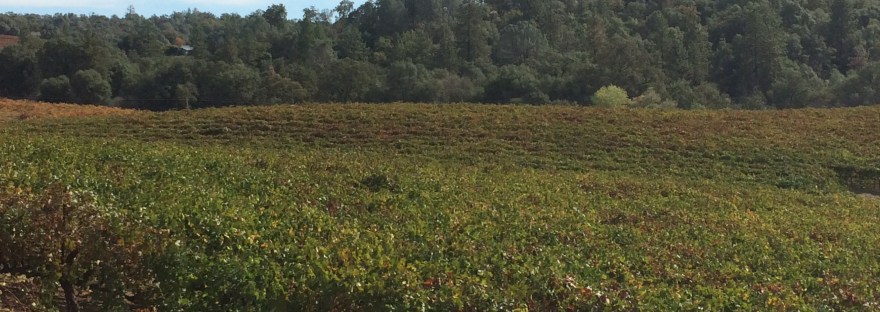
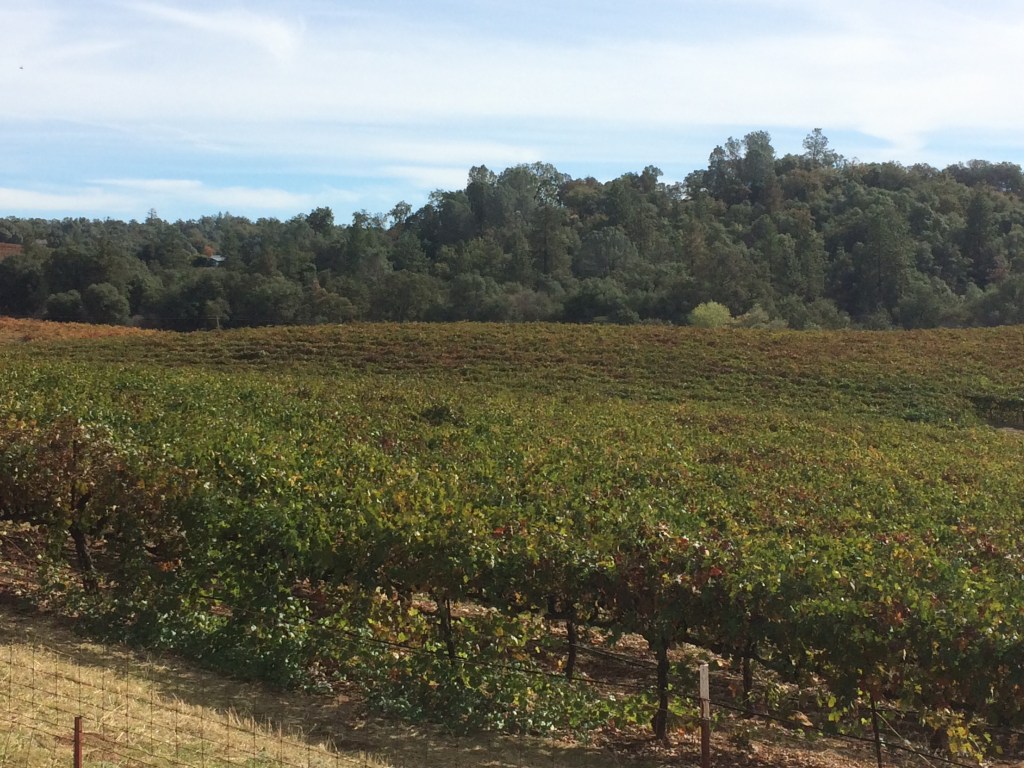
rolling-hills-of-shenandoah-valley

The Shenandoah Valley is perhaps the best known Sierra Foothills wine region. It is the most easily accessible, and perhaps not coincidentally, is home to some of the larger and better known Sierra Foothills wineries. Many producers in the Shenandoah Valley, like Renwood and Montevina, have grown large enough to distribute their wines nationally, and perhaps internationally. In fact, some time ago I opened a Costco-branded Kirkland Signature Amador Zinfandel, and was surprised to find the Renwood Winery logo on the cork. That’s a testament to success!

Just outside historic Plymouth, a gold-rush era town, Shenandoah Road intersects State Highway 49. A short drive up Shenandoah Road, and around a hilly curve, and you are greeted by lush vineyards and stunning views. The majority of the wineries in the Shenandoah Valley AVA are located along Shenandoah Road or Steiner Road, which loops off Shenandoah Road, meeting it again a little further up. There are some 31 wineries located in the Shenandoah Valley AVA. Most are small, family owned operations, and it is not uncommon for the winemaker to be the owner, or the owner’s son, daughter, or other relation.

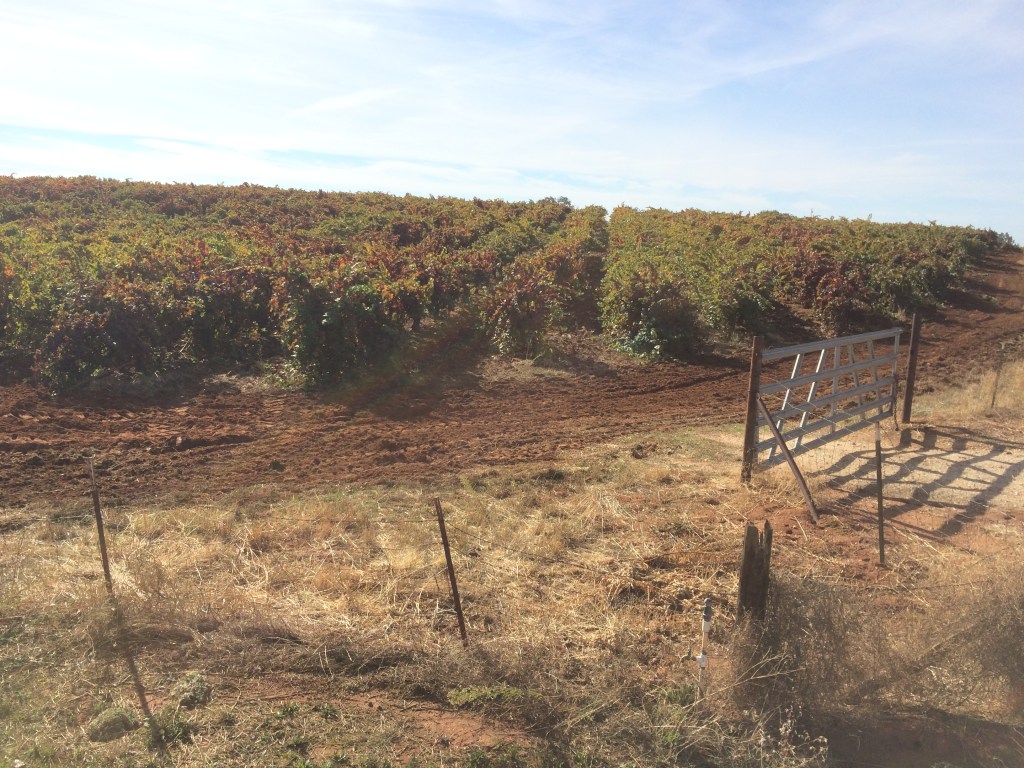
sunny-vineyards

Since the early days of the California Gold Rush, this area has produced wine. Originally, vines were planted by enterprising emigrants to supply alcohol to the thirsty miners who came to strike it rich. Zinfandel vines were found to thrive here, so that became the dominant varietal. Today, some individual vines can be traced back more than 150 years to those pioneering days. Other varietals have since been added to the region; mostly Italian and Rhone grapes that thrive in the warm, dry climate. The west slopes of the Sierra Foothills afford abundant sunshine during growing season, and summertime temperatures that can hit the low 100’s help to create ripe, fruit-forward wines.

Like all of the Sierra Foothills wine regions, the Shenandoah Valley AVA’s natural beauty equals, or dare I say, even exceeds that of the more famous California regions. Certainly Shenandoah Valley lacks the crowds, traffic, and commercialization of those internationally recognized destinations. Many wineries still offer complimentary tastings. Those that do charge generally limit it to $5, and that is waived with the purchase of just one or two bottles. (Many Napa wineries are now up to $30 or more, and waiver requires signing up for the wine club, a commitment of several hundred dollars per year.) Even the bottle prices are much more affordable, typically less than $30 for spectacular, award-winning wines.

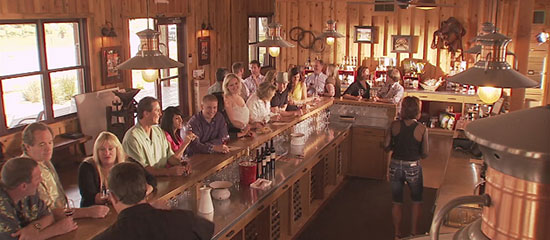
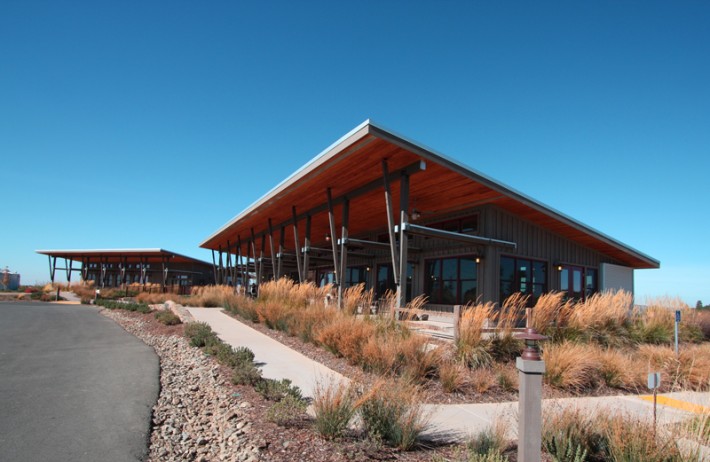
helwig-tasting-room
Photo Credit: helwigwinery.com

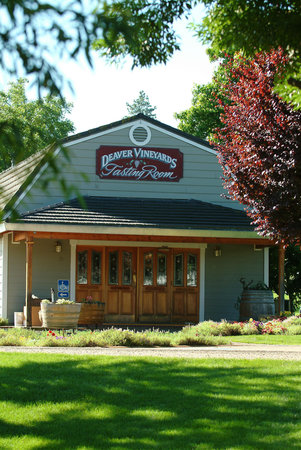
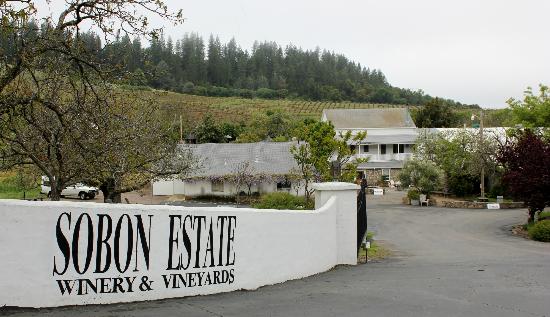
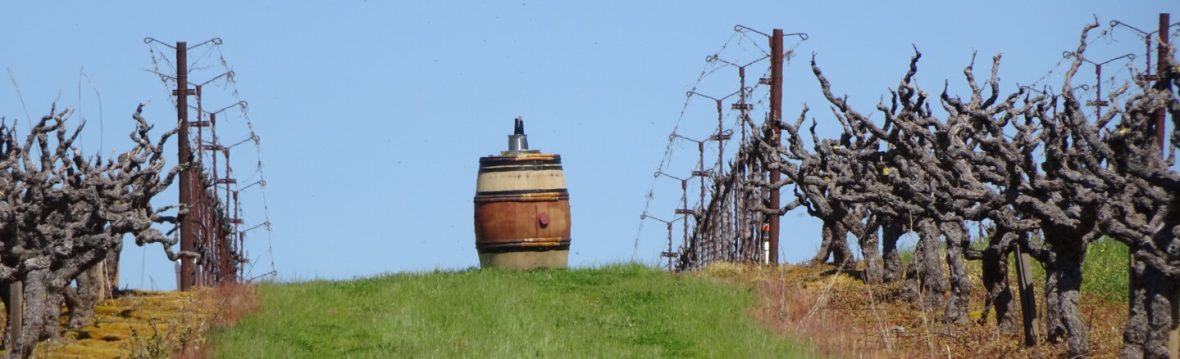
Winemaking here waned as the Gold Rush petered out. It wasn’t until the 1970’s that the potential for this region was noted, and commercial wineries established. Early wineries such as Deaver Vineyards and Sobon Estate are still going strong, and are joined by relative newcomers like Andis (est. 2010) and Helwig (est. 2011). The growing popularity of wine among the younger generation, and the trend away from exclusivity and pretentiousness in wine has driven the rise in popularity and demand.

deaver-vineyards
Deaver Vineyards
sobon-estate
Sobon Estate
helwig-winery
Helwig Winery
andis
Andis Winery

The atmosphere at the wineries in this area vary from traditional, down-to-earth, and intimate, to state-of-the-art, hip, trendy, and vibrant. Some offer tours, including a Farm-to-Glass Vineyard Tour at Vino Noceto. Click the link to read my post on my recent experience and learn more. To attract even more people to the area, including non-wine-drinkers, Helwig Winery built an amphitheater along with their winery. They host a summer concert series each year, attracting some big name performers and plenty of fans, who are introduced to the beauty, and deliciousness, of the area. No matter your preference, you are sure to be greeted warmly, and will taste some underappreciated, world-class wines.

If you are thinking of visiting, the closest airport is Sacramento (SMF). Check out the Amador Vintner’s Association website amadorvintnerlogofor trip planning help and tips. Come to the foothills, check out the wines and history, and enjoy the stunning scenery. You’ll be glad you did!