Cork, Screwcap, Wine

Cork vs. Screwcap: The Great Debate

The debate over which is the best method for sealing a bottle of wine may never be resolved. Beyond practical matters, there are traditions and emotions that come into play. While there are many types of alternate closures, including synthetic corks and glass stoppers, for my purposes I am only examining traditional corks and screwcaps. There is a wealth of information on this topic available on the Internet. My challenge in this post is not one of finding enough to say, but rather it is keeping it short enough to be interesting, and keeping it out of “TLDR” (Too Long Didn’t Read) territory. I hope I’ve succeeded!

First, A Little Background

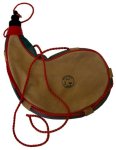
Throughout history, man has sought the best method for sealing and preserving wine. Bota BagThe earliest known vessels were animal skins – ancient relative of today’s bota bag. Ancient Egyptians, Greeks, and Romans used amorphae; tall, slender clay pots. Amorphae were sealed with clay stoppers, but these weren’t air tight, so shelf-life was short.Amphorae_stacking

With the rise of the Roman Empire, the Romans adopted wooden barrels. Thought to be invented by the Celts or Gauls, barrels are less fragile than clay amorphae, and with flat bottoms, rather than the pointed bottoms of amorphae, barrels proved better for long-distance transport. In addition, oak barrels can enhance the quality and flavor of wine.Roman Barrel

Barrels are great for making, storing, and transporting wine, but in the modern world, they are not practical for the individual wine drinker. By the 1800’s, glass bottles arrived on the scene, providing an improved method for household wine storage and serving. The cork stopper was a natural companion for glass bottles, with the ability to cut the cork to the correct size to snugly fit in the neck of the bottle. [1], [2]

Corks have been the preferred method of sealing wine bottles for more than 100 years. However, cork has its faults, and in man’s ongoing quest for perfection and technological advance, alternative closure methods have come to market. Most popular among them is the screwcap. Cue hotly contested debate.

The Cork versus Screwcap Debate
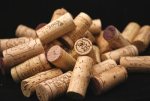
CorksPurists argue that cork is the only reliable method of sealing a wine bottle, especially for long-term aging. Cork does have a long history of success with keeping fine wine safe and secure for the long run. However, much of the argument in favor of cork is based in tradition and romance. The elegance of inserting the corkscrew, the long, slow, anticipatory pull, and the satisfying “pop” of the cork as it emerges from the bottle cannot be matched by a metal screwcap.

However, screwcaps have their advantages, too. Among the most obvious Screwcapsis convenience. I have a collection of corkscrews…in the glove compartment in my car and my wife’s, in our picnic bag, in my luggage (per the TSA website, you can carry-on a corkscrew if it does not have a blade), and several others scattered around. Why do I have so many corkscrews? Because I have forgotten corkscrews so many times, and had to buy a new one to open a cork-sealed bottle of wine! Screwcaps eliminate the need for corkscrews entirely.

Environmental and economic concerns and cost also weigh in favor of screwcaps. Although cork is a renewable resource, it takes up to 27 years PhotoELF Edits:2012:06:28 --- Saved as: 24-Bit JPEG (EXIF) Format 98 %for a cork tree to mature until it can produce stopper-quality bark.Once harvested, it takes nine years before the bark is ready for harvest again.[3] Corks cost an average of 11 to 13 cents each, while screwcaps cost around 7 cents each.[4] This may not sound like much of a difference, but consider that a winery producing 10,000 cases of wine will save up to $7,200 per year by using screwcaps.

Yet perhaps the most compelling argument in favor of screwcaps over natural corks is the elimination of the risk of cork taint. Cork taint is caused by a natural, chemical compound known as Trichloroanisole, or TCA. When a wine comes in contact with TCA, it damages the wine, resulting in stale, musty odors and flavors. These odors and flavors are often described as “musty”, “wet dog”, “wet newspaper”, or “sweaty gym socks.” Not pleasant. When a wine is tainted in this way, it is known as “corked.” (Many wine newbies innocently refer to wines sealed with a cork as “corked” wines, but when used properly, the term clearly has a much more insidious meaning.) Cork fans will argue, accurately, that TCA exposure can occur in other ways, including “cellar taint”, in which the TCA is present on other places in the production process, such as barrels or other wood surfaces.[5] However, the consensus is that the majority of tainted wine results from corks.

Yet despite all the screwcaps seem to have going for them, there remains the question of aging. Natural cork allows miniscule amounts of air to enter the bottle. Not enough to oxidize the wine (usually – see my post, Oh No! A Bad Bottle!) but enough to allow the tannins to soften and mellow, and the wine to age gracefully. Early screwcaps did not allow for this. ThunderbirdwineHowever, more modern screwcaps seals do allow for some oxygen exchange. Still, screwcaps continue to have the reputation of sealing only low quality plonk (Thunderbird, anyone?), cheap jug wines, rossiwinespam-734265or entry-level wines from emerging, Southern Hemisphere wine regions. I contend that this is not a fair assessment.

Certainly, corks have a much longer track record, but with more than 40 years of usage, we are starting to see the results of some long-term aging of some high quality wines under screwcap. Plumpjack Winery, in Napa, is a well-known producer of high quality wines. They were an early adopter of screwcap closures, and shocked the wine world when, as part of a study in conjunction with the University of California, Davis, they sealed half their production with screwcaps. After 10 years, the wines were tasted by experts in double-blind tastings. Gavin Newsom, the former mayor of San Francisco, and currently the Lieutenant Governor of California, is also a partner in Plumpjack Winery. In an interview with Steve Heimoff, posted on October 6, 2015, Mr. Newsom discussed the results of the tastings[6]:

“Yeah, so many of these double-blind wine tastings, and all these experts all around us, and they’re absolutely convinced this one’s a screwcap and this one’s a cork. Without exception, the one consistent thing was the inconsistency. The outcome is challenged by the variability in the bottles that confounds you when you say “Screwtop’s not going to allow you any oxygen, or less oxygen, than the cork, so this is not going to age well,” and then you find out, when you taste it, the exact opposite.”

So even renowned wine experts from all over the world could not tell the difference between an aged, high-quality wine sealed with a cork compared to one with a screwcap.

Randall Grahm, the famed Rhone Ranger, is another big proponent of the screwcap. So much so, that on October 2, 2002, he staged a Funeral for the Cork in New York City, complete with eulogy by Jancis Robinson.[7], [8] Mr. Grahm also co-wrote and produced a humorous video in support of the screwcap (complete with cameo at the end):

Into The Future

I do not know if, or when, this great debate will end. In my interactions with other wine lovers on the topic, there are varying opinions about which closure is better. Sometimes discussions become animated; people can get awfully passionate about these things. Yet one thing that we can all agree on is this: more important that what is at the end of the bottle, is the quality of what is in the bottle. I’m fine with screwcaps. In fact, I prefer them in some situations. If you think cork is the only true way to seal a bottle, then only by cork-sealed wine. It’s really about personal choice and preference. In the end, whether it’s sealed with a cork or a screwcap, drink what you like!

___________________________________________________


[1] http://www.finewineconcierge.com/a-history-of-fine-wine-storage

[2] http://vinepair.com/wine-blog/history-wine-transport-8000-years/

[3] http://www.smithsonianmag.com/travel/cork-trees-soft-skinned-monarchs-of-the-mediterranean-31526/?no-ist

[4] http://www.winegeeks.com/articles/13

[5] https://www.wineinstitute.org/initiatives/issuesandpolicy/tca

[6] http://www.steveheimoff.com/index.php/2015/10/06/gavin-newsom-part-2-wine-homelessness-and-the-gig-economy/

[7] https://www.bonnydoonvineyard.com/wp-content/uploads/2014/06/Ch15-The-Funeral-for-The-Cork.pdf

[8] http://www.jancisrobinson.com/articles/mourning-the-cork-in-new-york
Australia, nakedwines.com, Pinot Grigio, Wine

Review: Boy Meets Girl Pinot Grigio 2015

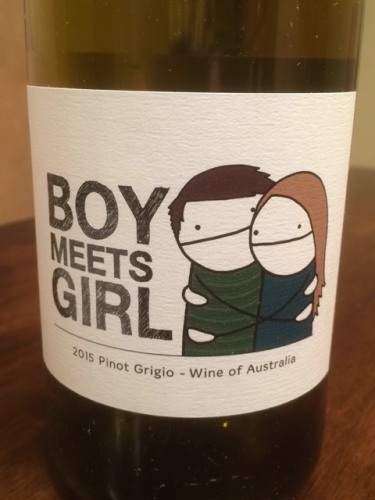
Boy Meets Girl Pinot Grigio 2015 is a NakedWines.com exclusive. This delightful white wine comes to us from Central Victoria, Australia, and is crafted by the husband and wife team of Adrian and Rebecca Santolin. Their story, described on their NakedWines.com winemaker page, is one of love and mutual vision. Adrian, the boy, met Rebecca, the girl, in 1999. They shared a dream of one day making their own wine. Together, with Adrian as winemaker and Rebecca doing the marketing, they have realized their dream. With experience at a number of Italian and Australian wineries, Adrian has an impressive C.V.  His work includes helping with several award-winning projects. Their relationship with NakedWines.com has allowed them to take their winemaking dream to the next level.

Boy Meets Girl Pinot Grigio is their only wine currently available in the U.S.Gold Medal market, but in the Australia and U.K. markets, they have a complete portfolio of wines including a Sauvignon Blanc/Semillon blend, Pinot Noir, Chardonnay, and their 2015 A & R Shiraz/Viognier blend, which won a gold medal and a trophy for “Best Red Blend” at the 2015 Victorian Wine Show.

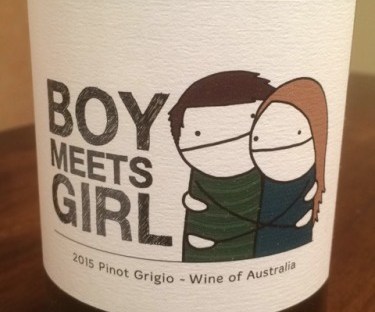
But enough about their other wines. The 2015 Pinot Grigio is delightful. Made in a European, Pinot Gris style, they give the wine some time on the skins to impart more color, complexity, and texture. The name and label illustration impart fun – and a wine like this should make you happy when you enjoy it – and the embracing couple represents Adrian and Rebecca’s story.

BMG Pinot Grigio 2015

I reviewed this on Vivino, but it’s an abbreviated version due to the 512 character limit (yea, I get a little wordy sometimes.) Here’s my full review, posted on NakedWines.com:

 A beautiful liquid gold color in the glass, this Aussie Pinot Grigio delights the nose with aromas of stone fruit like apricot and white peach. These flavors are present on the palate as well, along with some light floral (elderflower?) and a bit of honeysuckle.

The mouthfeel is rich and creamy, more than other Pinot Grigios I’ve had. It is medium bodied with pleasant sweetness offset by subtle acidity. On the finish there is a bit of citrus; white grapefruit and lemon. Delightful, refreshing, and delicious!

This is a very well balanced wine; noticeably sweet with stone fruit flavors, but I wouldn’t consider it a sweet wine. Yet it’s not a dry white, either. This may be the perfect wine to try if you are a sweet wine lover who is interested in expanding your wine profile. Give it a try!

Rated 4.5 out of 5 stars

Available exclusively from NakedWines.com, $9.99

One of the benefits of being a part of NakedWines.com is that we get to correspond directly with the winemakers. Rebecca replied to my review, and confirmed that the wine has low residual sugar, and that the sensation of sweetness is entirely fruit-driven.

To join NakedWines.com and receive a voucher worth $100 off your first order of $160 or more, click here. Cheers!

NW Logo

Beaujolais Nouveau, France, Wine

Review & A Bit of History: Jean Claude Debeaune Beaujolais Nouveau Celebrate Harvest 2015

beaujolais-arrivee

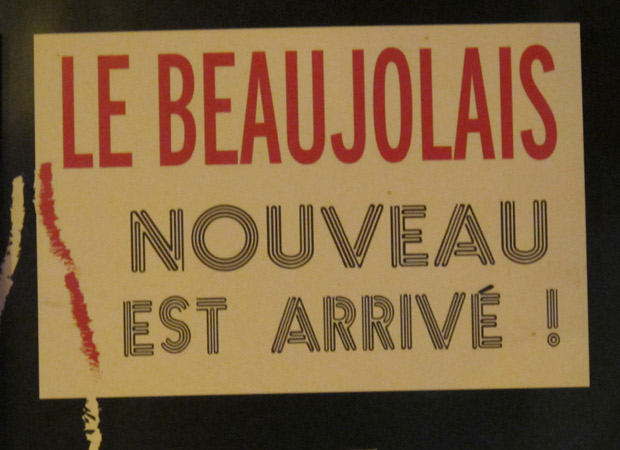
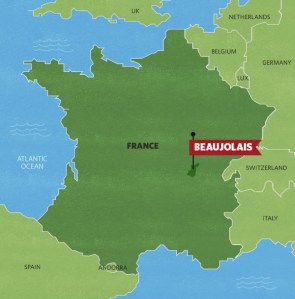
It’s a day that is anticipated and celebrated by excited fans everywhere. The third Thursday in November, at one minute past midnight, Beaujolais Nouveau Day begins. On that day, at that time, thousands of cases of new wine are shipped from the vineyards, in the MapBeaujolais region of France, to Paris, and then on to the thirsty masses all over the world. The tradition evolved as a regional event in the early 20th century, and the day was originally designated annually on November 15th. However, in 1985, as the celebration gained in popularity throughout France, this was changed to the third Thursday each year. With no more inconvenient Monday or Tuesday release dates, it became possible for revelers to celebrate over a four-day weekend. Sounds perfectly reasonable to me!
Here in the United States, Beaujolais Nouveau Day happily coincides with our Thanksgiving Day. With a taste and body profile not unlike Pinot Noir, a bright, lively, fruity Beaujolais Nouveau pairs very well with the traditional turkey dinner.

Beaujolais Nouveau is about as un-snobbish as you can get in a red wine. It’s not made for high-brow, serious, sniffing-and-swirling tasting events. It’s an easy-drinking, fun wine meant for a party! Made from the Gamay grape, Beaujolais Nouveau is meant to be consumed young. Unlike most red wines, that are aged for several months or years, Beaujolais Nouveau is unaged, and released just weeks after harvest. In production, the wine undergoes a short fermentation process, with the skins in contact with the juice for only a brief time. This results in a light, acidic wine with minimal tannins. In this way, it is often compared to a summery white wine, rather than a more traditional red wine. And like a white wine, Beaujolais Nouveau is best served chilled. As a light, low-tannin wine, the recommendation is to enjoy your Beaujolais Nouveau within six months.

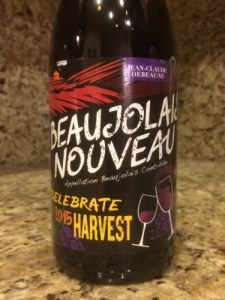
This year, my Beaujolais Nouveau selection was the Jean Claude Debeaune Beaujolais Nouveau Celebrate Harvest 2015. Here’s my review, posted to Vivino.

Beaujolais Nouveau

Delightful and lively. Beaujolais Nouveau is always a fun wine. Purple color in the glass, the aromas greet the nose with raspberry, strawberry, and cherry. The flavors on the palate are raspberry, cranberry, cherry, and red currant. The tannins are light and the acidity is brisk. This wine wakes up your mouth! The finish lingers with red fruit and a bit of peppery spiciness. Definitely a gulpable wine!

Purchased at Total Wine & More, $9.99

Rated 4 out of 5 stars

If you haven’t tried Beaujolais Nouveau yet, it’s not too late. There’s still some in stores and it would be a great addition to a Christmas dinner table, a New Year’s Eve party (before the bubbles, of course), or for any other reason you can think of to celebrate! If you miss out, don’t fret. The next Beaujolais Nouveau day is on November 17, 2016. Mark your calendars now!

________________________________________________

Information Sources:

[1] http://www.intowine.com/beaujolais2.html

[2] http://www.wineweekly.com/wine-basics/beaujolais-nouveau-answers/

[3] http://www.beaujolaisnouveauday.com/

Bordeaux, nakedwines.com, Wine

Review: Pezat Grand Vin de Bordeaux 2011

You may have noticed that I am a member (or Angel, as members are known) of NakedWines.com. As an Angel, I buy and review a lot of NakedWines.com wine. In addition to their NakedWines.com wines, many of the winemakers who produce wine for NakedWines.com also have other projects and private labels. They’re not Naked, but they’re made by NakedWines.com winemakers, so they’re not entirely non-Naked. I like to refer to them as “Wines Scantily Clad.”

I’ve added a “Wines Scantily Clad” category under Reviews in the menu bar. Check back for more reviews as I come across these great wines!

Pezat
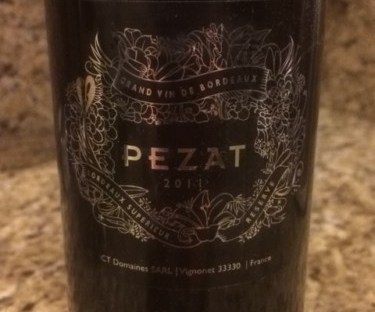
From NakedWines.com’s own Jonathan Maltus, I scored his Pezat 2011 Right Bank Bordeaux for just $17. Robert Parker himself was pretty impressed with this wine:

88 pts.– Robert Parker: “From Jonathan Maltus, this is what Bordeaux is doing more and more of. It is wines such as this that will ultimately save the lesser properties from extinction. A blend of 85% Merlot and 15% Cabernet Franc from a humble appellation with a great price tag, this inky/purple-colored 2011 reveals copious amounts of black fruits. Straightforward and powerful, this sleeper of the vintage will offer a serious mouthful of wine over the next 3-4 years.”

Here’s my review from Vivino:

Bright, vibrant Right Bank Bordeaux. Ruby color with red brick at the edges. Aromas of raspberry, cranberry, and plum. Flavors of plum, cherry, and smoky spice, with a hint of oak. Tannins are pronounced, with bright acidity. This wine has great aging potential. The finish is spice, leather, and licorice. Like most Old World wines, this is best with food, and paired nicely with my grilled flank steak. At $17, a very nice Bordeaux.

Purchased from Underground Cellar.
Rated 3.5 out of 5 stars.

Thanks to Ryan O’Connell of NakedWines.com for suggesting and encouraging me to add “Wines Scantily Clad” to my blog. Check out Ryan’s blog, The Truth About Wine at https://nakedwinesdotcom.wordpress.com/.

Cheers!

Cabernet Sauvignon, Steak, Wine

​The Day After the Day After Thanksgiving – and a Review of Sullivan Cabernet Suavignon 2012

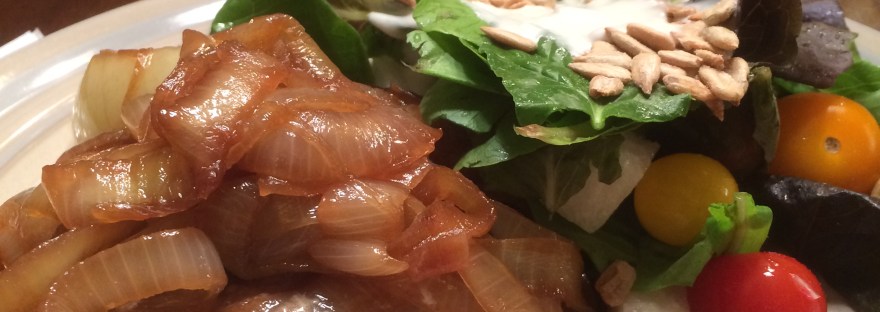
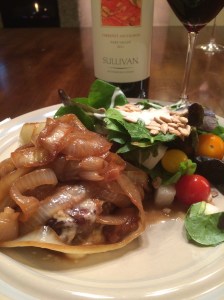
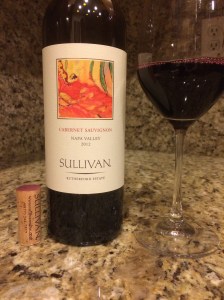
I am so turkeyed-out! What I need tonight is beef. As luck (and a little planning and foresight) would have it, I have Seared Sirloin with Caramelized Onions and Gorgonzola on the menu. Paired with a bottle of Sullivan Vineyards Cabernet Sauvignon Napa Calley 2012, it was just what the doctor ordered!
IMG_0527
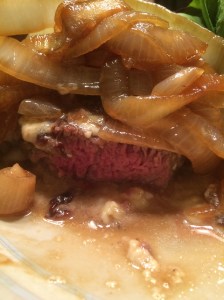
Honest, there’s a Gorgonzola-smothered steak under all those caramelized onions.
IMG_0528
See, I told you.
Sullivan Vineyards Cabernet Sauvignon Napa Valley 2012 is produced by NakedWines.com winemaker Scott McLeod. A part of a series I’m calling “Wines Scantily Clad” (non-Naked but made my NakedWines.com winemakers) here’s my Vivino review:
IMG_0525
My wife’s initial reaction: “Oh, that’s smooth. Very nice.” Thus the stage is set for this excellent Napa Cabernet.
Deep, inky purple in the glass. Aromas of blackberry bramble, tobacco, smoke, and spice. On the palate there is blackberry, cassis, pepper, black cherry, and hints of oak. And those tannins – dry, but oh so smooth. It’s hard to believe this is only a 2012. The finish lingers with dark berry and tobacco.
Purchased from WTSO.com, $30
Rated 4.5 out of 5 stars
This day-after-the-day-after-Thanksgiving, I’m thankful for beef.
Cork Taint, Corked, Oxidized, Wine

Oh, No! A Bad Bottle!

Gristle in that last bite of steak. Biting into a mealy, mushy apple. Low-fat Mac & Cheese. There are few things in life more disappointing for a gastronome. But perhaps the most disappointing thing of all is pulling the cork on a bottle of wine, only to discover the wine is spoiled. Whether it’s a bargain bottle or a prize vintage, a spoiled wine can put a damper on an evening.

Perhaps the most common form of wine spoilage is cork taint. Cork taint, also known as “corked” wine, results from exposure to TCA, or 2,4,6-trichloroanisole. This chemical can occur in natural corks, and even at very small amounts, can ruin the wine in the bottle.

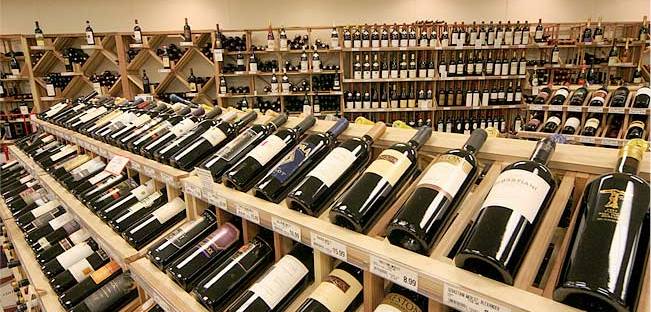
Wine Store Shelves
According to studies, as many as one in six of these bottles is corked.

Studies have found that cork taint affects up to 15% of cork-sealed wines, although the actual percentage is open to debate. The cork industry estimates only 1-2% of corks are affected. [1] The degree of cork taint can vary; mild taint mutes the aromas and flavors, and leaves the wine tasting flat. At greater levels, however, corked wines have been described as smelling like Corked Winesweaty gym socks, wet newspaper, or wet dog. I’ve been fortunate. I’ve tasted more than 200 wines in the past year, and only encountered 2 corked bottles; less than 1%. If you’ve never experienced this, consider yourself lucky. It’s an experience you’ll never forget.

The obvious solution to eliminate tainted corks is to switch to alternate corks_vs_screw_capsclosures, such as screwcaps. Screwcaps are gaining in popularity, but face opposition from purists, and questions about long-term aging under screwcap. However, the cork versus screwcap debate is fodder for a future blog post. This post is about bad bottles.

Oxidation is another form of wine spoilage that can occur under any type of seal. Although most common with corks, if a screwcap does not properly seal on the bottle, oxygen can leak in and, worse yet, wine can leak out. It’s never happened to me, but I know people who have received a case of wine only to find a faulty screwcap has leaked wine all over the inside of the box.

Oxygen can be good for wine, in limited quantities. Oxygen opens up a wine, releasing the aromas and flavors we long for. However, over exposure to oxygen can “turn” a wine. Have you ever left an open bottle of red wine on the counter for 3-4 days? That’s what an oxidized wine tastes like. Overly ripe, stewed prune or raisin aromas; flat, bitter flavors; and a brownish-brick color are indicators of an oxidized wine.

Cork
Uh oh. This can’t be good.

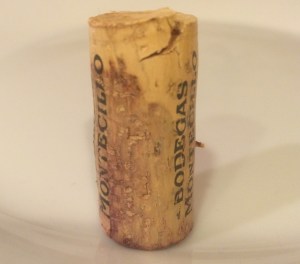
Last night I opened a $10 Rioja Crianza, only to become disappointed. As soon as I pulled the cork, I knew something was wrong. The discoloration on the cork is from the wine leaching into the cork. Wine leaching out means oxygen can leach in. One sniff confirmed my fears. The freshly opened bottle smelled and tasted like it had been left out over the weekend. Sure, it wasn’t a high-end bottle, but I was really looking forward to this wine. Besides, 10 bucks is 10 bucks! Fortunately, although I didn’t have another bottle, or even another Rioja, I had plenty of options for other bottles to open and enjoy with dinner.

So what to do when you get a bad bottle? Any retailer worth their salt will exchange or refund your bottle, no questions asked. If they won’t, don’t shop there again. A replacement bottle is ideal, but what about Internet wine retailers? Earlier this year, I received a corked, $42 Pinot Noir from Underground Cellar, an online retailer featuring limited-time offers. Since they didn’t have any more in stock, they couldn’t replace the bottle, but they generously gave me a $50 credit for my troubles. Return policies will vary. The best I know of is NakedWines.com, where they will credit your account for any wine you don’t like – even if there is nothing wrong with the wine itself.

If you think you have a bad bottle of wine, don’t hesitate to return it or contact the retailer. They want you to be happy!

Happy Toasting

_____________________________________________________

[1] http://www.winespectator.com/webfeature/show/id/Wine-Flaws-Cork-Taint-and-TCA_3346

Cellar, nakedwines.com, Wine, Wine Storage

What’s in Your Cellar?

Cellar

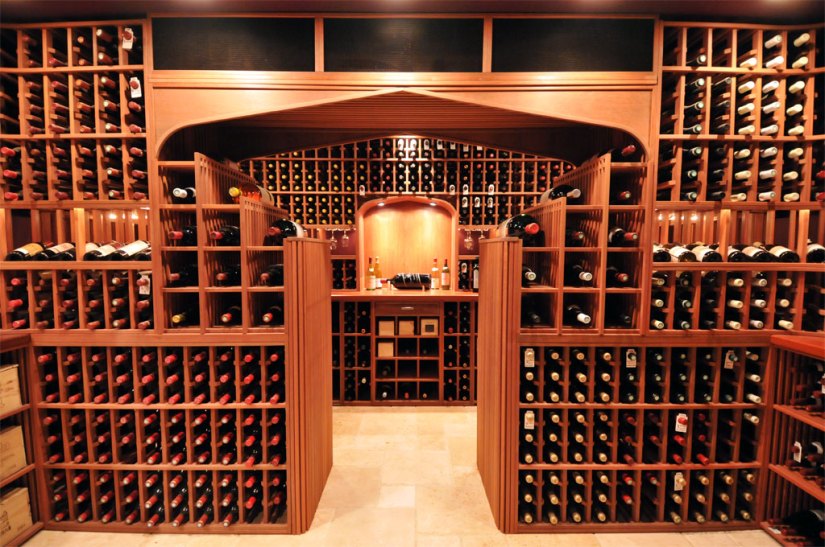
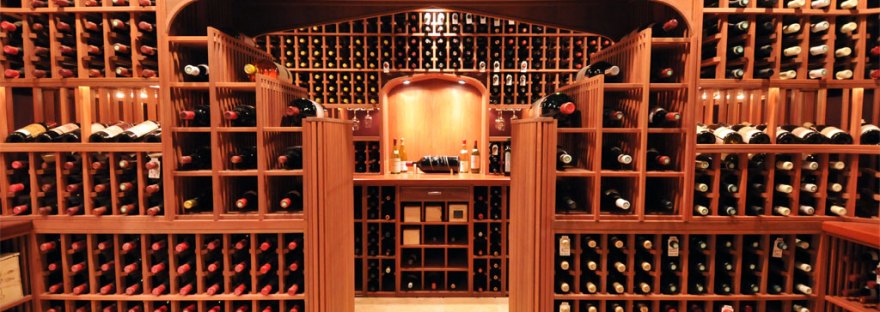
Some day my wine cellar will look like this. We all have dreams, right?

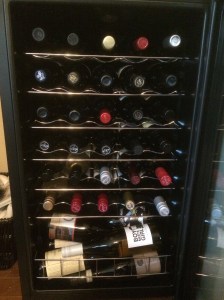
I am a condo dweller. I have no basement. I do not have sufficient space for a large wine refrigerator or upright cellar. Instead, I have a 34 bottle chiller. (Why 34, Vinotemp? Why not an even 3-case 36?) With the bin at the bottom, I can squeeze in a few extra bottles, expanding my capacity to 38 when needed. I have some shipping packaging in an interior closet to stack my occasional overflow, but for the most part, I’m limited to about 3 cases of inventory at any given time. The truth is, since I’m not a collector, this is ample storage.

Condo Cellar

But I can still dream, can’t I? When our son left the nest a couple of years ago, we converted his room to a home office. While the room is occupied, I have my eye on his walk-in closet. Currently it is full of storage, but in my mind’s eye, I can see it lined with wood racks, sealed, and a compressor installed. Can’t you just imaging that mirror replaced with a glass viewing panel? Dreams can come true, can’t they?

Closet Door

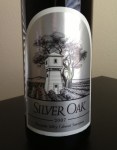
While pondering what I’d do with a 200+ bottle cellar, I thought about what wines I currently have in storage. As I say, I’m not a collector. Silver Oak AV 07My oldest bottle is a 2007 Silver Oak Alexander Valley Cabernet Sauvignon. I’m holding it for another couple of years, with the intention of opening it in 2017, when it is 10 years old, for our 33rd anniversary. I know for some enthusiasts, 10 years is not a long time, but when you’ve limited space, it’s pretty darn long!
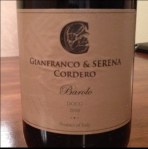
As a member of NakedWines.com, I have a lot of their wines. In fact, 18 of 33 wines in my current inventory are from NakedWines.com. BaroloOf these, some are “special” wines, including a 2010 Gianfranco & Serena Cordero Barolo DOCG, that I’m planning to hold for at least five more years.


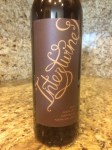
I also have a three year vertical flight of Intertwine Napa Valley Merlot, by Bridget Raymond. (I recently reviewed the new 2014 vintage, here.) The 2012 was actually the first wine I opened in my NakedWines.com sample pack. It was so good, I immediately joined, and I haven’t looked back! In the spring of 2016, I’m planning to host a vertical tasting of the 2012, 2013, and 2014. (I’ll post the experience here afterward.)

Intertwine 12Intertwine 13image

Other, non-NakedWines.com wines in my chiller include several Sauvignon Blancs, left-over from the dog days of summer and my 2015 Sauv Blanc obsession, and a Montepulciano D’Abruzzo, my new favorite Italian red. I also have a couple of Cabernet Sauvignons; St. Supery and Castillo di Amorosa, from our Napa mini-vacation this summer. For that obligatory bottle of bubbles, I have a Zonin Prosecco.

Frankly, I think I have a bunch of great wines on hand! Compared to a lot of my wine friends, it’s a small quantity, but it works for me. Some day, perhaps, I’ll be able to convert that closet, but until then, my 34 bottle chiller works just fine.

Which brings me to my original question: What’s in your cellar?

wallet

I’m interested in what other wine lovers have in storage. Whether you have a six-bottle rack on your kitchen counter, or the cellar of my dreams, full of auction-worthy classics, please leave a comment and share some of your special bottles. I may not be able to taste them, but we can all enjoy each others wines vicariously.

Cheers!

Cabernet Sauvignon, Jac Cole, Malbec, Mosaico, naked wines, nakedwines.com, Wine

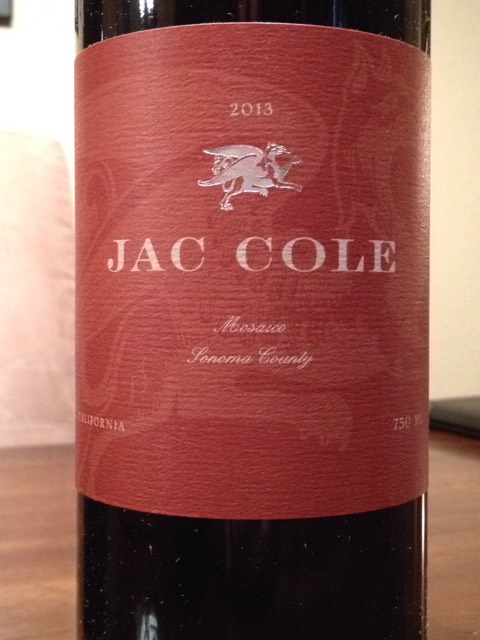
Review: Jac Cole Mosaico Sonoma County 2013

Love, like wine, gets better with time.

love-wine-glass

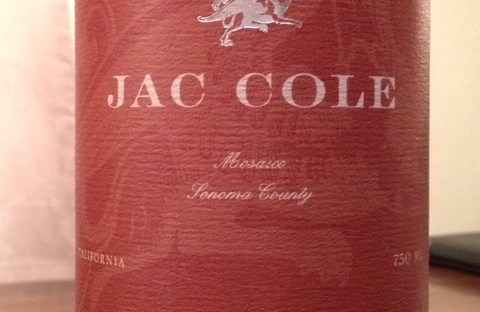
Jac Cole’s Mosaico is a wine that certainly gets better with time! Mosaico is a blend of Cabernet Sauvignon (2/3) and Malbec (1/3), and is available exclusively from NakedWines.com. As impressive as it was when I first tasted it shortly after release, after eight months resting in the bottle, the wine is now amazing!

My “before and after” reviews are below.

Mosaico

3/8/15

Based on several other reviews, I decanted this Saturday afternoon in anticipation of serving it with my grilled Porterhouse on Sunday evening. Of course, I had to sneak a taste. Oh, wow! This is a full-bodied, oaky, complex red blend! A blend of two “steak” reds, Cabernet Sauvignon and Malbec, this is gonna be sooooo good!

After more than 24 hours of air exposure, including a couple cycles back into the bottle, then back into the decanter, it’s time for a proper taste.

The nose is dried cranberry, raisin, and black cherry. There are flavors of ripe plum, black cherry, and chocolate – chocolate covered cherries! – and a hint of oak. This is a very rich wine, with thick, chewy tannins perfect for a thick, juicy steak. At this young age, the acidity is a bit brisk, but give it a few months in the bottle, and this will be a six-hearter!

4.5 out of 5 Hearts

11/9/15

It was a dark and stormy night…
The first cold, rainy night this fall in NorCal. The night called for a big, full-bodied red wine. Something that would warm our bones and soothe our souls. Something that would complement our dinner of penne pasta with homemade sauce and meatballs. Something like Jac Cole’s Mosaico.

I’ve been holding this, my last bottle of the 2013 Mosaico, for several months to see how it has developed. An enticing blend of Cabernet Sauvignon and Malbec, it has developed beautifully! Black cherry and soft oak on the nose. Ripe blackberry, cherry, and black pepper on the palate. Soft, velvety-smooth tannins with light acidity. Chocolate covered cherries on the finish. And exactly the warming, delicious feeling we were looking for tonight.

In my original review, I rated this 4.5 hearts, noting the tannins were chewy, and the acidity a bit brisk. Eight months has resolved this and, as I predicted back then, this is now a 6-heart wine!

NakedWines.com Exclusive. Suggested Retail Price $34.99. Angel Member Price $14.99

Like many of the winemakers at NakedWines.com, Jac Cole has an impressive CV. Here’s an excerpt from his bio at NakedWines.com: “A master winemaker who was cellar master at Stags’ Leap, and winemaker at Charles Krug and Cliff Lede Winery (back before it was called Cliff Lede).” [1]

Unfortunately, the 2013 has long since sold out. However, if you’d like to try the next vintage of Mosaico, or any of the other fantastic wines available only through NakedWines.com, click here for a voucher worth $100 off a first-time order of $160 or more. Satisfaction guaranteed!

[1] https://us.nakedwines.com/winemakers/jac-cole.htm

Bordeaux, Wine

Bordeaux: It’s Not a Grape

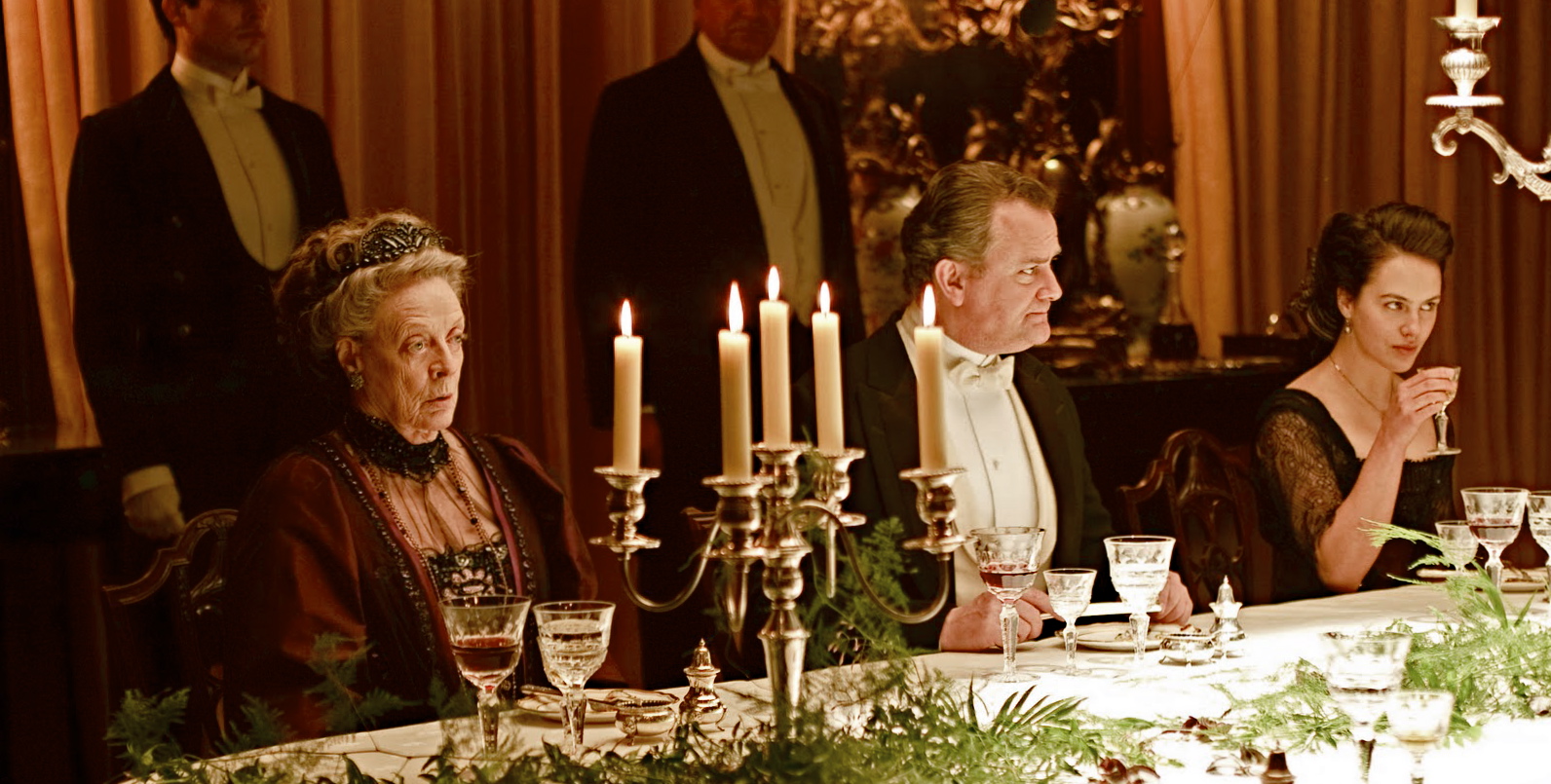
bordeauxreflectionsBordeaux. The name evokes images of luxury and glamour, Downton Abbey-esque dinner parties, and the ultimate in fine wine – the standard against which all other wines are measured. This is not undeserved; Bordeaux is very good wine. It is one of the most recognized names in the wine world. As such, it is also misunderstood, and intimidating to many people.

downton-abbey-dinner-tableA while back, I invited some friends over for dinner, and to share a bottle of Bordeaux. This particular bottle, a $60 Saint-Émilion (obviously not a Grand Cru, but a very nice wine), had been sent to me to review, so I wanted to share it with people who would appreciate the quality. These friends are into wine, but drink mostly California wines. I opened and decanted, and when dinner was served, poured the wine. As they tasted, I explained that as a Right Bank Bordeaux, this wine was predominantly Merlot, blended with Cabernet Sauvignon and Cabernet Franc. The looks on their faces betrayed their surprise. “Bordeaux isn’t a grape?” one of my friends asked.

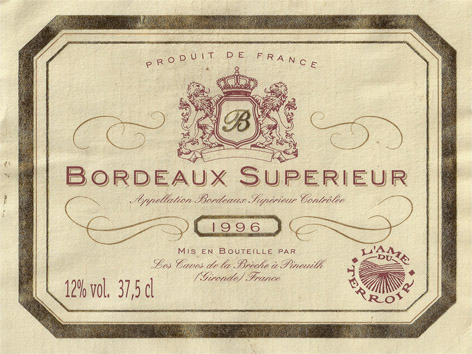
Old World wines can create confusion to American wine drinkers. Had I served a Napa Valley Merlot, the label would say “Napa Valley Merlot.” A red blend with less than 75% of one varietal would say “Red Blend” or something similar, and often lists the grapes on the back label. European wines, on the other hand, name the region on the label, but usually not the varietal. There, people just know that Red Burgundy is Pinot Noir, Chianti is Sangiovese, Rioja is Tempranillo, and Bordeaux is a blend of Cabernet Sauvignon, Merlot, and other grapes.

bordeaux-superieur-1996

Napa Merlot

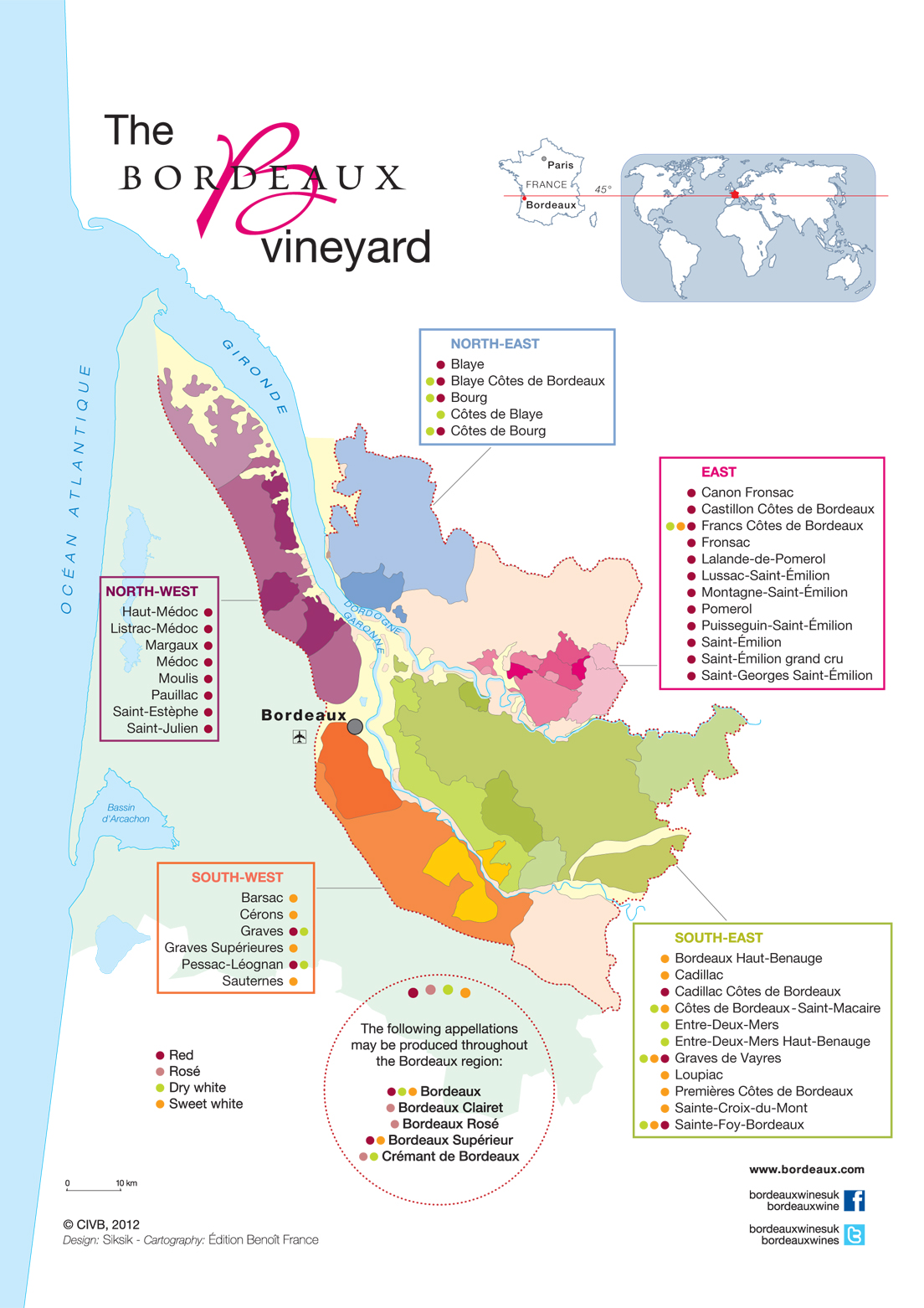
The Bordeaux region is in southwestern France, along the banks of the Gironde river. The predominant red grapes are Cabernet Sauvignon and Merlot. Historically, red wines from producers on the Left Bank of the river are Cabernet-based, while those from the Right Bank are Merlot-based. Other common varietals, used for blending, include Cabernet Franc, Petit Verdot, and Malbec. As mentioned, Bordeaux wines are renowned for their quality, their aging potential, and their glamour.

CarteUltraSimp2012_UK

While high-end Bordeaux, Grand Crus, can fetch thousand of dollars per bottle, there are plenty of very good Bordeaux wines for less than $20. Check your wine shop or market, and try a bottle! Bordeaux has earned it’s reputation for a good reason. Just don’t look for a Bordeaux grape!

AVA, Sierra Foothills, Wine, Wineries, Zinfandel

Lesser Known AVAs: Sierra Foothills

luc_ft_m1_sp12

I know what you’re thinking: “I’ve heard of the Sierra Foothills AVA. I wouldn’t call it ‘lesser known.'” Yes, I know. Nevertheless, too often the big, East Coast wine and food magazines, websites, and blogs overlook this region when reviewing wines, making their “Top 100” lists, and generally writing about wine and wine country. Tourists often overlook the Sierra Foothills when planning Northern California wine country travel, favoring the more famous Napa and Sonoma regions, and recently, Lodi. *

The wineries of the Sierra Foothills AVA and it’s five sub-appellations produce some outstanding wines. Most of these are small, independent producers. As an under-recognized wine region, it is not as commercialized as Napa/Sonoma, and therefore is generally less expensive to visit. Many wineries still offer free tasting, and few charge more than $5, which is refunded with a wine purchase.

AVA County Map

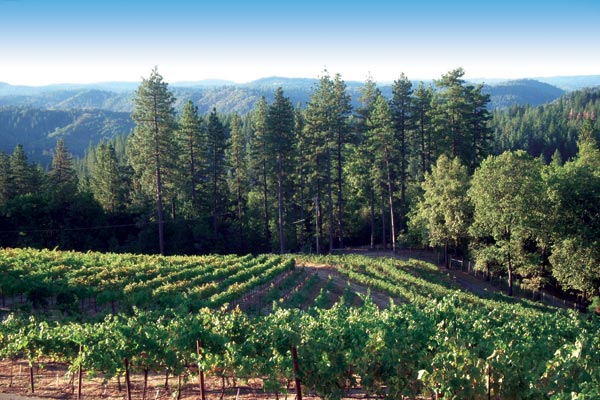
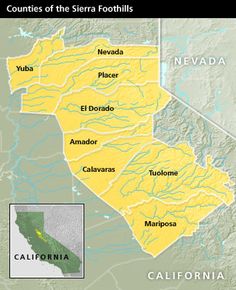
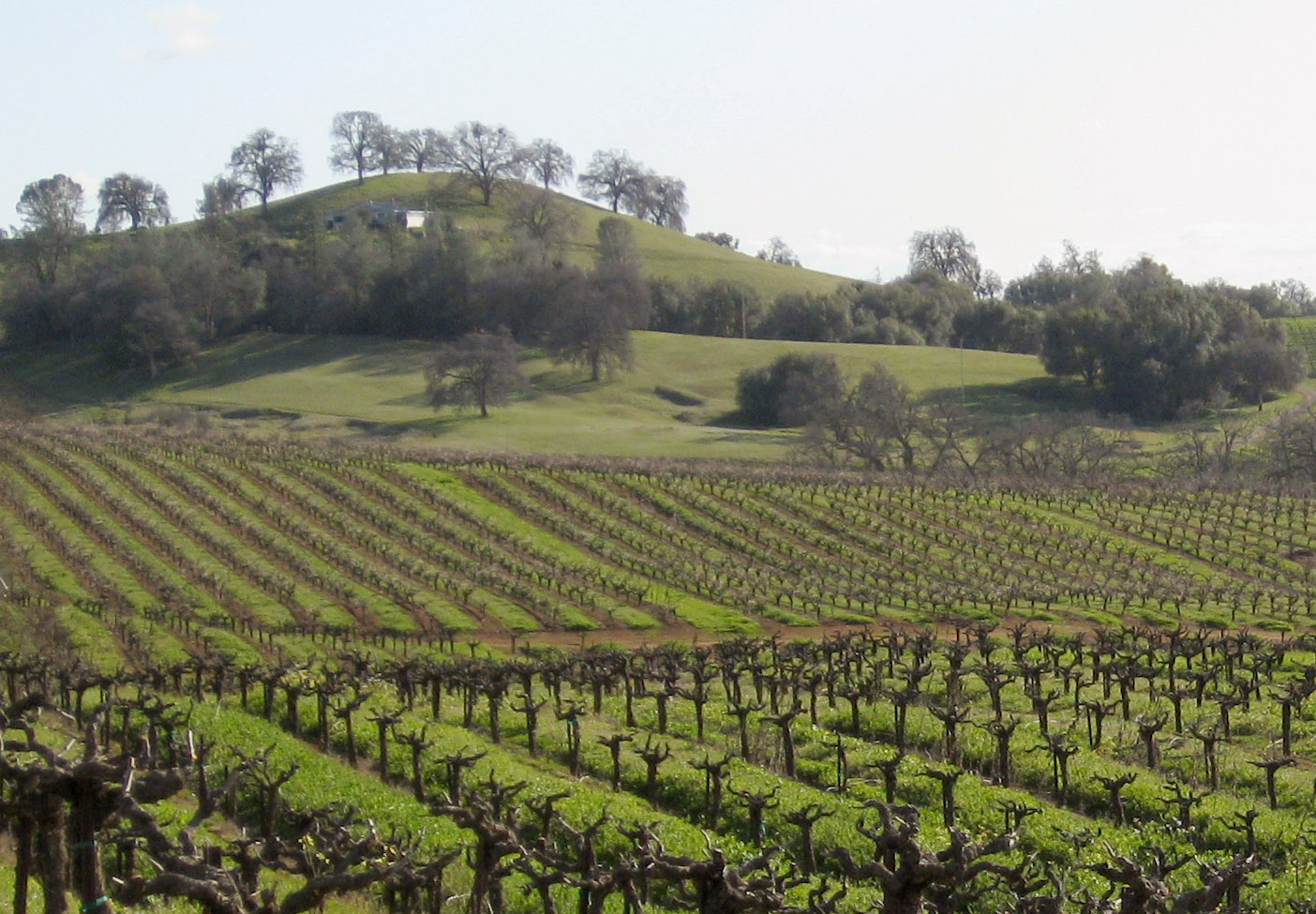
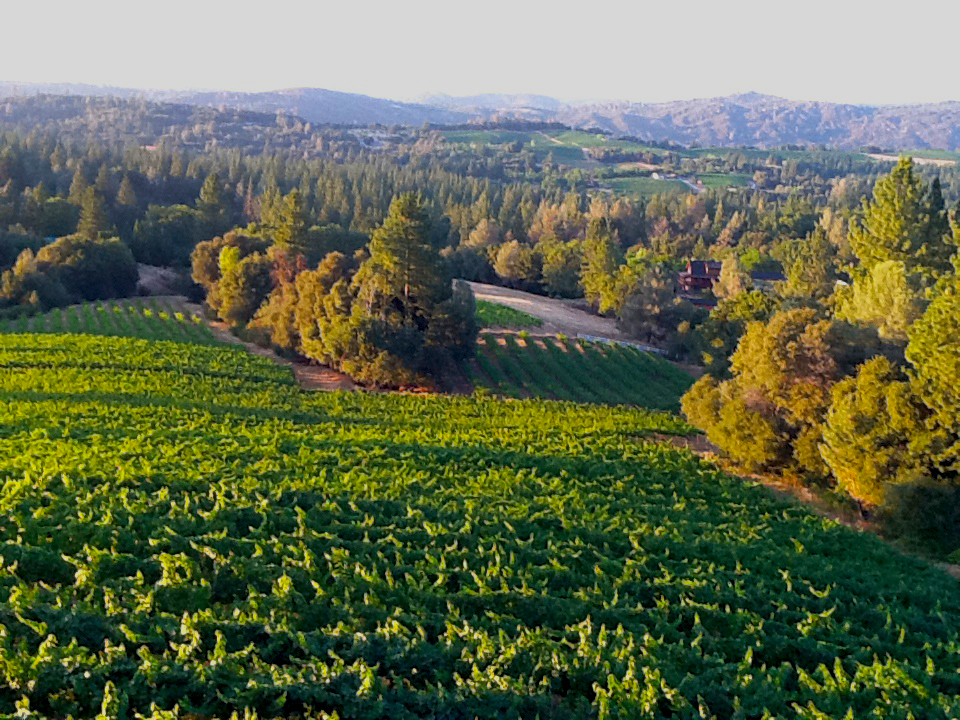
From pastoral, rolling hills; to hilltop vistas; to lush, forested hideaways, the Sierra Foothills AVA spans eight counties and more than 2,600,000 acres. [1] With hot, dry summers, grapes of nearly all varieties thrive here, but for my palate, and in my humble opinion, Italian and Spanish varietals are the best. Albariño to Zinfandel, Sierra Foothills wineries produce exciting, delicious wines.

Rolling Hills  VCW_D_GC_T8_HelwigWinery_Flippen-1280x642Fitzpatrick View

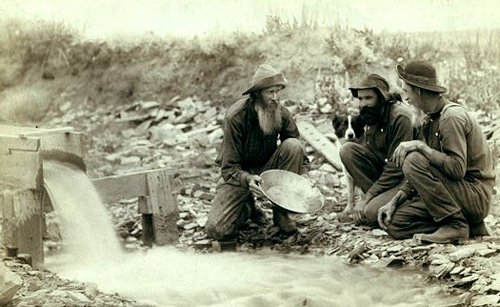
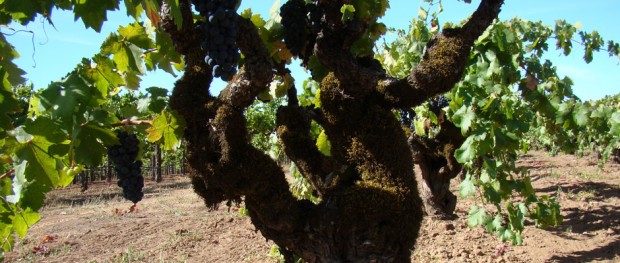
Wine history somewhat parallels gold rush history here. In 1848, Gold was discovered at Sutter’s Mill, in GoldPanning1889-locEl Dorado County, in the heart of what is now the Sierra Foothills AVA. This created the famed Gold Rush that brought prospectors westward in droves. In addition to the miners, many entrepreneurs came west, sensing the opportunity to prosper by selling supplies to the “forty-niners” (a reference to 1849, when the Gold Rush really got going.) Among these entrepreneurs were many European immigrants, who brought grape vines with them. [2] Zinfandel thrived in the region, and is still the largest planted varietal, [3] with many vines more than 100 years old. Modern day winemakers produce some stunning Zinfandel wines, ranging from dry and spicy, to big and jammy.

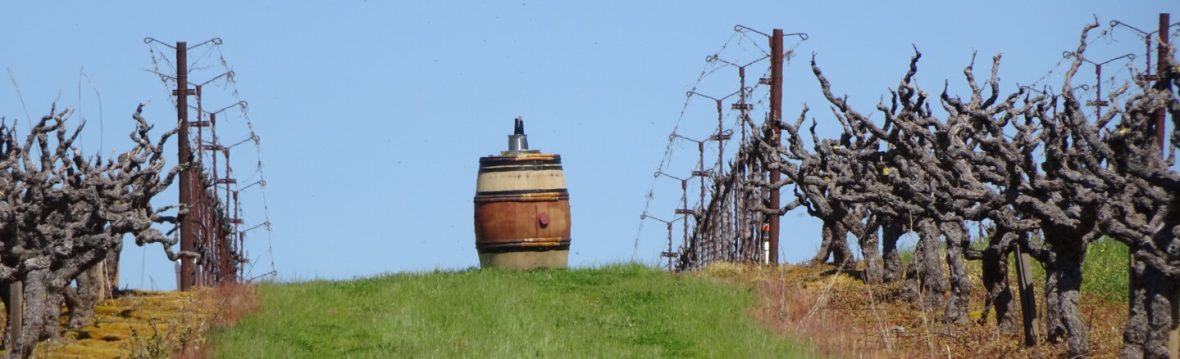
historic vineyard old vinesWhile the wines produced in the Sierra Foothills have Old World heritage, these are definitely New World wines. More fruit-driven and less acidic than their European ancestors, these wines are easily drinkable on their own, yet pair famously with food.

Stay tuned. Over the next weeks and months, I’ll be profiling each of the sub-appellations and other notable areas within the Sierra Foothills AVA. For a sample of what else is going on in the Sierra Foothills, check out my post “Destination: Calaveras Grape Stomp“.

* In the interest of full disclosure, I admit I am biased toward the Sierra Foothills AVA. I live 30-60 minutes from most of the wineries, and it was wines from this region that really got me started on my wine journey. Nevertheless, I really think the Sierra Foothills are underrated and oft overlooked by the big publishing houses, and therefore relatively unknown to many wine lovers. It is a wine region worthy of notice, and a visit if you’re out this way.

———————————————————————

[1] http://sierrafoothillswine.com/avas.html

[2] http://www.legendsofamerica.com/ca-napawineries.html

[3] http://www.everyvine.com/wine-regions/region/Sierra_Foothills/