Chinon, Mom, Mother's Day, Rose, Roses, Wine

Roses and Rosé for Mother’s Day

IMG_2303

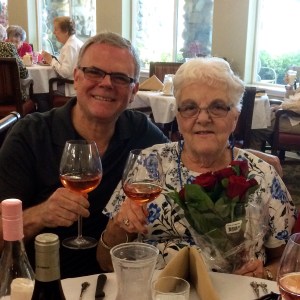
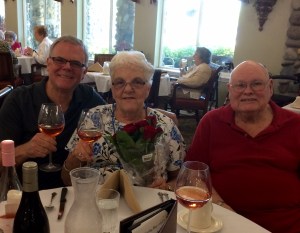
Today is Mother’s Day in the United States. I am fortunate, in that both of my parents are alive and healthy, in their early 80’s. What’s more, they live in a beautiful retirement apartment complex just a few minutes from my home. Over the years, we have not always lived so close; so many Mother’s Days were spent remotely. So I’m pleased to be able to celebrate this day over a meal and wine with both my mother and dad.

Contrary to popular belief, at least by me, Mother’s Day is not just another “Hallmark Holiday.” Indeed, the day we know today was started in 1908 by Anna Jarvis, to honor the sacrifices mothers make for their children. Hallmark wasn’t founded until two years later in 1910! In 1914, President Woodrow Wilson signed a declaration establishing Mother’s Day as the second Sunday in May. Yet celebrations of motherhood date much further back than that. The ancient Greeks and Romans held festivals honoring the mother goddesses Rhea and Cybele. More modern Christian celebrations of “Mothering Sunday” eventually evolved into the holiday we enjoy today.

I like to refer to the community where my parents live as a “land-based cruise ship.” It’s pretty much all-inclusive, with three meals a day, housekeeping services, social activities, recreation, and a shuttle bus for day trips and running errands. In fact, the apartments themselves don’t even have kitchens! Management is always gracious and invites guests for special occasion meals. Mother’s Day is no exception! Lunch is the big meal of the day, and there is always a main entrée, as well as an alternate in case you don’t care for the main. Mind you, these are chef-prepared meals so they’re always enticing and tasty!

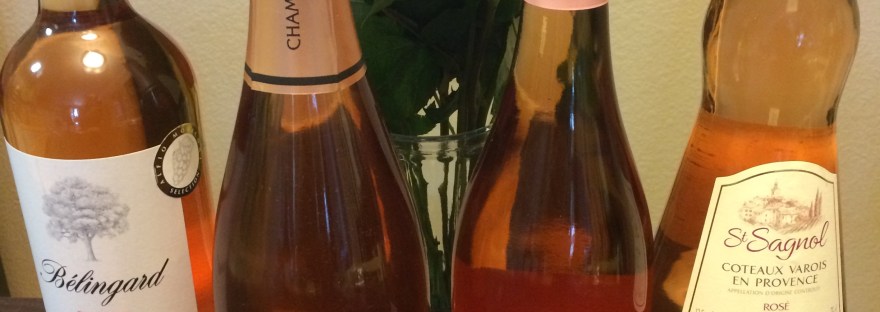
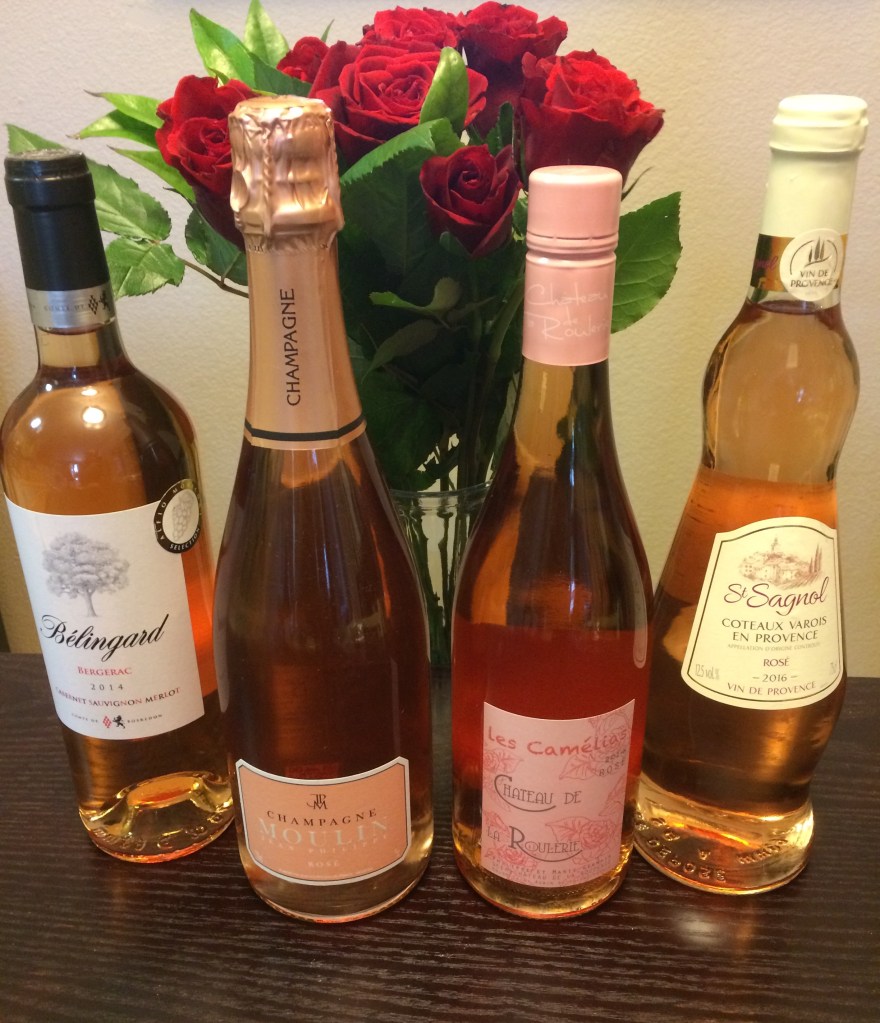
Today’s main entrée was marinated flank steak with hoisin sauce, with arepas and artichoke timbales. If you’re not feeling like beef, the alternate was crab cakes with papaya pepper puree and citrus dill aioli. When I come over for special meals, I always like to bring a bottle or two of wine to pair with the meal. After all, I am a wine guy, so my folks appreciate my recommendations! I went in assuming we would all want the flank steak, so I brought a Cabernet Franc; the Le Pré Vaujour Chinon 2016. However, it was possible that my mom would surprise me and order the crab cakes. Besides, this is Mother’s Day, so we have to have a Rosé, right? As you can see in the photo above, we had several Rosés to choose from. In keeping with the Cabernet Franc theme, we opted for the Château De La Roulerie Les Camelias Rosé 2014, a blend of 50% Cabernet Franc and 50% Cabernet Sauvignon.
IMG_2314
Roses and Rosé for Mother’s Day! 
IMG_2313
OK, props to dad, too. Without him, she wouldn’t be my mother! 

As expected, the meal was delicious! We started with a salad of spring greens, micro greens, and Belgian endive with peach-basil vinaigrette. Although we all ordered the flank steak, we opened the Rosé for the salad course. It was an amazing pairing! When the main course arrived, we chugged the remaining Rosé in our glasses to make room for the red wine. Honestly, I was a little apprehensive. I hadn’t realized until I got the bottle home that the Chinon was a 2016 vintage. The grapes in the bottle were on the vine only a few months ago! I needn’t have worried, though, as the pairing was heavenly! For dessert we enjoyed homemade tiramisu and sipped on the last of the Chinon. Yum!! It was a very pleasant and enjoyable way to celebrate the sacrifices my mother made in raising my sister and me. Mainly my sister. (Just kidding, sis!)

This slideshow requires JavaScript.

The Wines

Château De La Roulerie Les Camelias Rosé 2014

IMG_2311

​Salmon color in the glass. Aromas and flavors of strawberry, red raspberry, and red currant. Bright acidity with medium body. Light and lively. Red berry, including cranberry on finish. Excellent pairing with the spring and micro greens salad with endive.

4.0 Stars (88 – 91 points)

Le Pré Vaujour Chinon 2016

Yes, 2016. ​Very young, but very good! Bright purple color in the glass. Aromas and light mouthfeel are reminiscent of a Beaujolais Nouveau: Fresh raspberry, red currant, and violet, with some spice, and a bit of freshly tilled earth, with just a hint of oak influence. Surprisingly soft and smooth for such a young wine, with lively acidity and medium body. The acidity made it perfect with the flank steak, and led to a long, pleasing finish. Very good now, with aging potential for several years.

4.0 Stars (88 – 91 points)

My hope is that each of you enjoyed celebrating your mother as much as I did mine. Let me know in the comments what you did with your mom, and what wines you paired with it!

Cheers!

 

Celler Barcelona, Grenache, Spain, Tempranillo, Wine

Review: Celler Barcelòna Red Blend 2014

There are five wine bars in my hometown of Folsom, California. Pretty impressive for a sleepy suburb outside of Sacramento. Of course, when you consider that Folsom is less than two hours from four world-class wine regions (Sonoma, Napa, Lodi/Clarksburg, and the Sierra Foothills) it’s not so surprising after all.

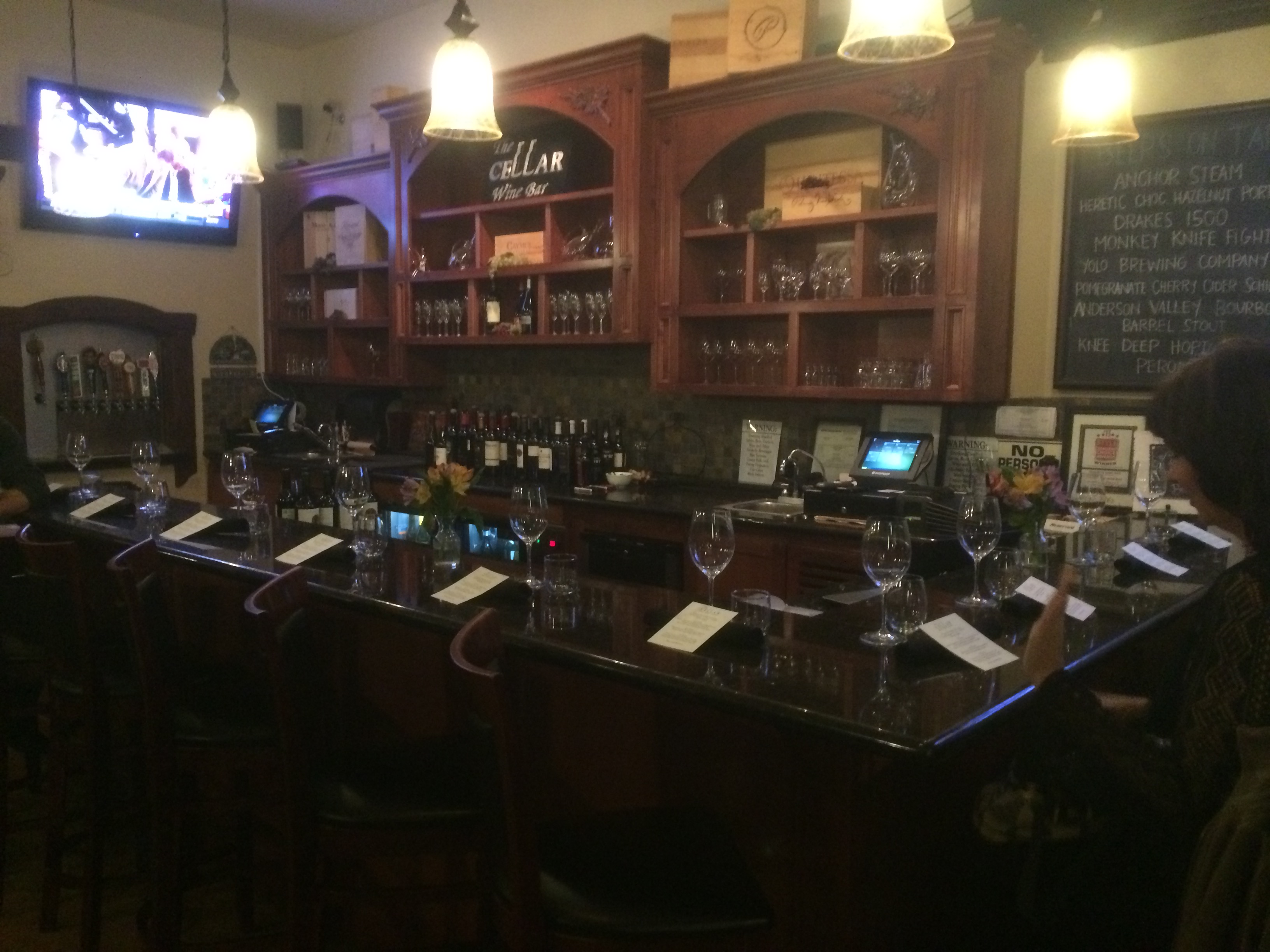
My favorite local wine bar is The Cellar, located in the heart of Old Folsom on Sutter Street. Maintaining its historic Gold Rush façade, Sutter Street is a charming stroll into yesteryear for tourists and locals alike. In addition to the three wine bars in a two-and-a-half block distance, there are taverns, restaurants, art galleries, antique and gift shops, and an old-fashioned chocolate shop. Old Folsom really is a hidden gem. You ought to come see for yourself!

The Cellar
Yup, those are beer taps on the left! For those who don’t wine.


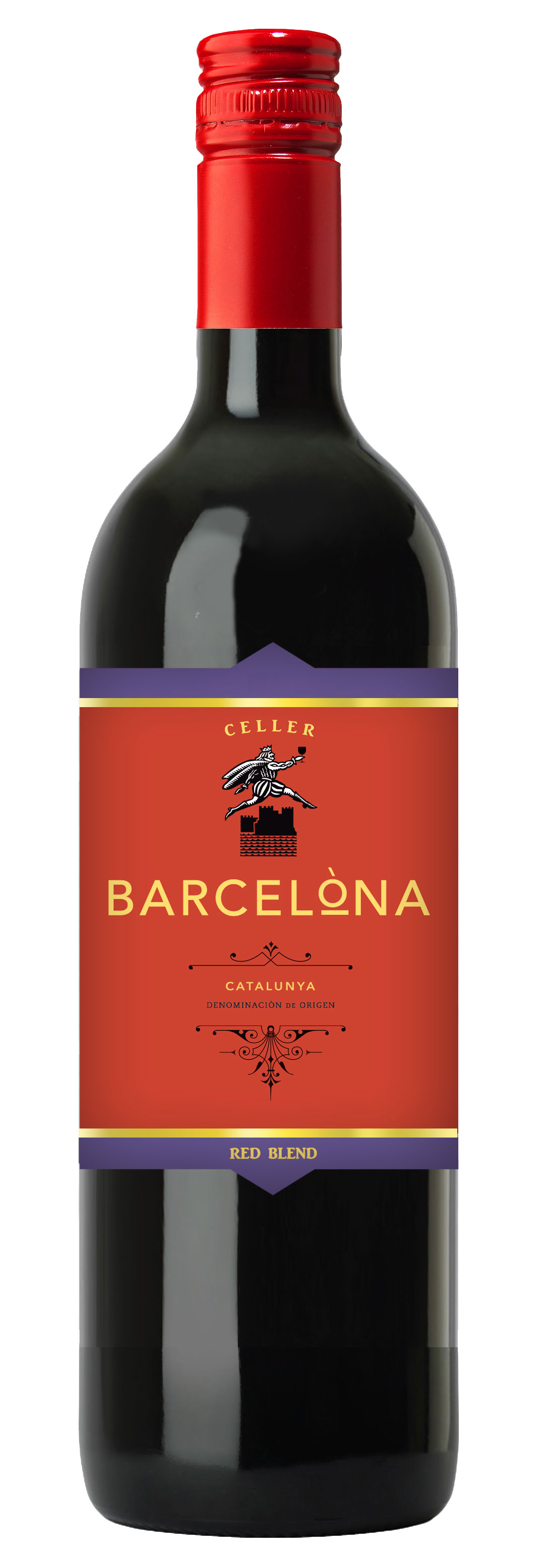
When I first started frequenting The Cellar a few months ago, their wine list included the most delicious Carménère I’ve ever tasted. The Vina Maipo Vitral Carménère 2012 was full, rich, and smooth. A few days ago I ventured in for a glass of this enticing delight when, to my shock and dismay, I discovered it was no longer on the menu. I shared my angst with Drew, the ever-present and helpful server, and he assured me that the replacement wine on their updated list would not disappoint. I’m a trusting sort, and Drew has never steered me wrong, so I ordered a glass of this new wine: Celler Barcelòna Red Blend 2014. Once again, Drew came through! This wine is spectacular!

Celler Barcelòna Red Blend 2014 is made from 50% Grenache and 50% Tempranillo. Hailing from Cataluña, Spain, it is aged 25% in French oak, and 75% in stainless steel and concrete over seven months.

Celler Barcelòna was founded by winemaker Russell Smith. Having worked at such prestigious California wineries as Joseph Phelps and Flora Springs, Russell pursued a dream of making wine in Northern Spain. He purchased vineyards in the famed Montsant region, and began production in 2013. Considering how impressive was the 2014 I tasted, this is a winery worth watching for many years to come!

Here’s what I thought of it:

Red_blend_2014

Deep purple color. Aromas ripe blackberry and soft oak. Flavors of blackberry, raspberry, and black cherry. Soft oak notes on the mid-palate mingle with soft tannins and light acidity. Long finish of dark berry, chocolate, and spice.

4.5 out of 5 stars (92 – 94 points)

Retail price: $16 on the website.

I had this wine on its own. It’s great by itself, and it would also pair very well with a variety of foods like tapas, grilled pork, or The Cellar’s amazing cheese plate.

If you find yourself in the Sacramento area and want some company for some suburban wine bar hopping, drop me a line. I’d love to show you around!

Cheers!

#MWWC32, Carlos Serres, Crianza, Regions, Rioja, Tempranillo, Translation, Wine, Wise Villa

Regions to Grapes: Understanding the Translation – #MWWC32

I’m a planner. My family used to tease me because I would write an itinerary for family vacations. I mean, we want to make sure we get to see and do all we wanted to see and do, right? Normally, when I write a blog post, especially one as significant as a Monthly Wine Writing Challenge, I like to start several weeks early, so I can take my time to ponder, refine, and polish my work.

Monthly Wine Writing Challenge

I am aware that not all people are like me. Some people thrive under the pressure of a deadline. They procrastinate until the bitter end, and then crank out whatever comes, and hope for the best. My son is one of those people. In high school he used to drive me insane! Up until all hours the night before a major paper was due, he produced some amazing work. My blood pressure would rise as he sat calmly reading his books, instead of writing his college application essays. Yet, he got into a great school, and always got good grades. Procrastination works for him. It does not work for me.

Nevertheless, my life has been crazy busy these past few weeks. So when I checked my email yesterday morning, and Jeff the Drunken Cyclist reminded me that entries for #MWWC32 are due Monday, my stress level rose. For this piece, I will have to channel my son, and try to crank out a worthwhile piece at the last minute! Working under the pressure of a deadline is foreign to me. So it is my hope that by writing in this unfamiliar method, I am able to adapt and produce a quality blog post. Will I be able to create a decent translation? We’ll see.

translation

As an international product, wine is interesting and confusing. In the United States, and many other New World wine producing regions, the label lists the dominant grape variety in the bottle. Cabernet Sauvignon, Chardonnay, Pinot Noir, Sangiovese, Tempranillo – consumers have a pretty good idea of what they are getting themselves into when they by a New World wine. This cannot always be said of European, or Old World, wines. Although some producers are starting to list the varietal on the bottle, tradition dictates that the label contains the name of the region, rather than the grape.

This difference between Old World and New World labels can cause no small amount of confusion for wine consumers. There is, one could say, a loss in translation. Many wine lovers who favor wines from the U.S. simply don’t understand European labels. This is not limited to newbies. Many experienced wine drinkers I know mistakenly believe that Bordeaux is a grape variety. It’s not. Bordeaux is perhaps the most famous wine region in France, characterized by wine blends made predominantly from Cabernet Sauvignon and Merlot. Much confusion surrounds Old World wine regions. Sometimes all that is needed is a simple translation. Many famous wines from regions in Europe are known by their regional names. However, many people do not know the grape varieties from which these wines are made. Allow me to help with the translation of some of the more notable regions.

  • Barolo: An Italian wine from in the area around the city of Barolo, in the Piedmont region located in Northern Italy. Barolo is made from Nebbiolo. Pricy and age worthy, it is often known as the “Wine of Kings.”
  • Bordeaux: Perhaps the most famous wine region in the world, Bordeaux is located in southwest France. The region is bisected by the Gironde estuary. A number of different grape varieties go into these blends, but they are dominated by Cabernet Sauvignon and Merlot. Wines from the left bank are typically Cabernet Sauvignon based, whereas right bank wines are predominantly Merlot.
  • Burgundy: Another famous French region, Burgundy produces some of the most expensive wines in the world. Don’t fret, though; not all the wines from Burgundy are from Domaine de la Romanee-Conti. Burgundy is most famous for its red wines, produced from Pinot Noir. However, the region also produces spectacular white wines using Chardonnay grapes. If you’ve had a bottle of Chablis, you’ve had a Chardonnay from a sub-region of Burgundy.
  • Champagne: One of the most widely misunderstood and misused wine terms (in my opinion.) Everybody knows what Champagne is, but many don’t seem to understand what Champagne is not. California Sparkling wine is not Champagne. (Yes, there are a handful of California producers who are allowed to use the term, but that does not make them true Champagne wines.) Prosecco isn’t either. Nor is Cava. Champagne is a sparkling wine produced only in the Champagne region of France. It is typically made from Chardonnay, Pinot Noir, and Pinot Meunier.
  • Chianti: Everybody knows Chianti! Those quaint straw-wrapped bottles found in Italian restaurants, often used as candle holders. Yet Chianti is so much more than kitschy decorations. Well-made Chianti is spectacular! Chianti is an Italian region in Tuscany. The wines from here are predominately made from the Sangiovese grape.
  • Rioja: From sunny Spain, Rioja is perhaps the country’s most famous wine. Located in the northeast part of Spain, Rioja is made mainly from Tempranillo and Garnacha (Grenache) grapes. Classifications on Rioja wines mean something, so a little study can help you find what you like. Wines labeled simply “Rioja” are young, and spend less than a year in the barrel. “Crianza” wines are aged at least two years, including one year in oak barrels. “Rioja Reserva” wines have aged three or more years, including one in oak. “Rioja Gran Reserva” wines see at least three years of age, of which two are in oak. As one might expect, the longer the aging, the higher the price.

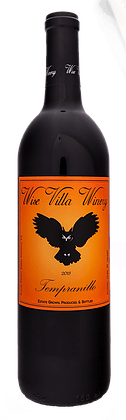
Speaking of Tempranillo and Rioja, I recently had an opportunity to compare a local, California Tempranillo and a Rioja Crianza. Out to dinner one evening a couple of weeks ago, while perusing the wine list, the Wise Villa Winery Tempranillo caught my attention.

Wise Villa TempranilloDeep purple color in the glass. Aromas of ripe blackberry and raspberry. On the palate, juicy blackberry, dark cherry, black plum, and soft oak notes. Soft, smooth tannins with nicely balanced acidity. The long finish is dark berry and soft spice. Great on its own, and pairs nicely with a variety of foods.

Then, about a week later, I selected the Carlos Serres Rioja Crianza 2012 from the list at a favorite wine bar. The difference in styles was interesting, and a great illustration for a New World versus Old World comparison.


Medium purple color in the glass. Aromas and flavors of fresh raspberries, Bing cherry, red plum, and baking spices. The tannins are smooth, and the acidity is bright and lively. The long finish is dominated by red berry, spice, and white pepper notes. This is a great wine for sipping with a special someone, and would also pair very well with tapas or other regional foods.
There are dozens of other wine regions worth exploring, both Old World and New World. I encourage you to do some research on your own and learn your own translations.


Contra Costa County, Lucca, Lucca Winery, Mourvedre, Wine

Tiramisu Wine! A Review of Lucca Mourvedre 2012

Sometimes, spontaneous is the best. Hidden gems and delightful surprises await when you go with the flow and live in the moment. Planning is nice, but being adventurous and open to whatever comes along is exciting and rewarding!

Recently I found myself as a last-minute guest at a neighborhood barbecue. The only person I knew there was the one who invited me, but these were her neighbors, her friends, so I knew I’d have a good time. Indeed I did! Among the amazing people I met were Bob and Pauline, (parents of an up-and-coming winemaker who I hope to meet soon, and profile in a future blog post), and the host couple, Joe and Lorry. Joe is quite an engaging character; immediately lovable, though he’d probably bristle at my saying so. (He introduced himself to me, with a wry smile, as “your worst nightmare.” How can you not love that?) He is also a generous and attentive host. Throughout most of the evening, I never saw him without a fresh bottle of wine in hand, making the rounds and topping off everyone’s glass. Through Joe’s generosity and hospitality, I tasted a number of delicious wines that night. From values like Gnarly Head Authentic Red, to an absolutely amazing 2001 Médoc (I wish I could recall the label) both the wine and the laughter were flowing!

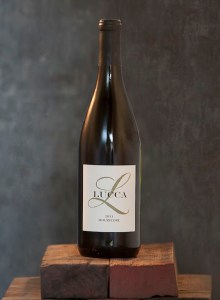
Lucca Mourvedre
Photo Credit: luccawinery.com

Without doubt, the most interesting and surprising wine poured that night was the Lucca Contra Costa County Mourvedre 2012. This is the wine that will forever be known, at least to us, as the “Tiramisu Wine.” The back label describes currants, dark cherries, truffles, and forest floor. While it is true that all those aromas and flavors are present, along with blackberry, black pepper, and spice, with soft, smooth tannins, what impressed us most was the finish. At first lightly cinnamon, then a hint of cocoa. Finally, after a bit of mentally scouring the sensory memory bank, it hit me. Tiramisu! The finish on this wine was tiramisu! Everyone fortunate enough to have some in their glass agreed. I’ve never experienced anything like it, and had we stuck to our original plans for that evening – a quiet dinner in – we would have missed it entirely! Three cheers for spontaneity!

Lucca Winery is located in the Central Valley town of Ripon. Dionisio Lucchesi immigrated from Italy and started farming in the Central Valley Delta, growing grapes, almonds, and apricots. In 1990, his son, Alan, took over operations at Lucchesi Family Farms, in nearby Contra Costa County, and his brother, Mark, started making wine from the family grape crop. Lucca Winery is the result of this family legacy.

Lucca Winery produces several varietal wines and blends, including Carignane, Grenache, Syrah, Petite Sirah, Sangiovese, Zinfandel, and of course, Mourvedre. Their wines are affordably priced, and available on their website. Not far from my hometown, Lucca Winery is now on my “must visit soon” list.

If you get your hands on some of these amazing wines, and I hope you do, I’d love to hear what you think.

Cheers!

Jac Cole, Mosaico, naked wines, nakedwines.com, Wine

Review: Jac Cole Mosaico Napa Valley 2015

Regular readers on my blog may have already figured out that Jac Cole is one of my favorite winemakers. Jac has an impressive resumé with experience at a number of well known wineries. He now makes wine for NakedWines.com, and everything I’ve tasted from his line has been spectacular. Jac is largely responsible for my turning in my ABC card, after tasting his magnificent Unoaked Chardonnay, and then his equally amazing Oak Fermented Chardonnay.

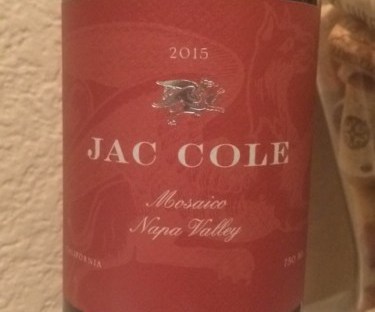
In the red wine category, Jac crafts a rich, decadent blend, called Mosaico. The 2015 vintage was recently released, and I was fortunate enough to receive a sample for review. This is the third vintage of Mosaico I have tasted and reviewed. The 2013 and 2014 reviews are here and here. Like the 2014 vintage, Mosaico 2015 is a blend of Cabernet Sauvignon, Malbec, and Merlot.  This is a big, bold, juicy wine. With sufficient aeration, Mosacio 2015 is drinking nicely now, and has tremendous aging potential for many years to come.  Here’s what I thought of it:

Mosaico 2015

Another Mosaico vintage, another masterpiece. Jac continues to amaze!

I tasted this over two days. On day one I decanted, took a quick sniff and sip right away, and was blown away. This is a rich, decadent blend with aromas and flavors of ripe, crushed blackberry, raspberry, black cherry, and vanilla. After about an hour of air, the flavors are deeper, with white pepper and spice notes, and the tannins are already soft and smooth.

On day two, the nose is bursting with fresh cherry with soft oaky notes. The flavors are balanced with cherry, raspberry, blackberry, and a bit of cranberry, with spicy black pepper at the back. Tannins are firm, which is expected for a big, young wine, and there is sufficient acidity to keep it bright and lively. The finish is long, with dark berry, spice, black pepper, and earthy tobacco.

Pair this with a big, juicy slab of meat on the grill, sit back, and enjoy. This is a wine that is drinking nicely now, and will improve with age over the next several years.

4.5 out of 5 stars now (92 – 94 points), improving to 5 stars (95+ points) with cellar time.

MSRP: $34.99, Angel Member Price: $17.99

If this sounds like your kind of wine, you can get it exclusively at NakedWines.com. If you’re not a member, you can follow this link to receive a voucher worth $100 off a first-time order of $160 or more. You’ll be glad you did!

Cheers!

Avina, Corkscrew, Wine, Wine Accessories

Form and Function: Avina Wine Accessories

It only takes one or two times. You arrive at the beach, or the picnic, or the hotel, thirsty for wine. You grab the bottle and reach for the corkscrew. The corkscrew. Where’s the corkscrew? Oh, no! You forgot the corkscrew!

It’s happened to me, and I bet it’s happened to you, too. Eventually, you commit to always having a tool at hand to liberate that wine from beneath the cork. Personally, I have two corkscrews in my car (glove box and trunk,) one in my picnic ice chest, and one permanently packed in each suitcase. I have become a fervent proponent of the notion that you simply cannot have too many corkscrews!

Then there’s that rare dilemma: leftover wine. What to do? You can shove the cork back in, but there is risk of leakage. If only there was a reliable, leak-proof, compact bottle closure.

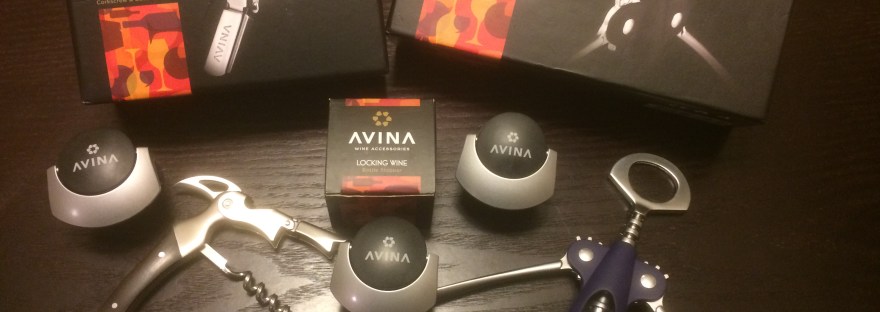
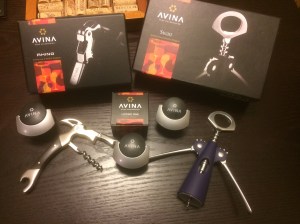
Corkscrews come in a variety of shapes and styles. Some I like, some I don’t, and some I’ve never actually tried. I’ve also used a number of bottle closures over the years, with mixed results. So I was delighted when I received an email recently from Avina Wine Accessories, inviting me to try some of their products. They even offered me a choice in sample products. I’m partial to two-stage waiters corkscrews, and have never actually used a wing-style opener. (My folks had one when I was a kid, and I liked to play with it, but back then it was usually a jet plane or spaceship!) They graciously sent me both styles!

IMG_2144

The first thing I noticed when opening the shipping box was the attractive, high quality packaging. Glossy, color images on the lid evoke a sense of luxurious extravagance waiting within. The lid is snug, and once removed, the corkscrew and bottle stopper were securely held in place by a form-fitting foam insert. Very impressive!

The next thing to grab my attention was the modern and fun design of the corkscrews. Both are very attractive and aesthetically appealing. The Swan Easy Grip Wing Corkscrew is a satin blue color (also available in pink) with a full cylinder body; so much more attractive than the stark, stainless steel models I’ve seen before. Then I opened the box for the waiters corkscrew. Can a corkscrew be sexy? I say, yes! The Rhino Easy Wine Waiters Corkscrew is a beaut! Sleek design with incredible craftsmanship and attention to detail; the form, fit, and finish is a sight to behold! And to back the design with the quality, all Avina Wine Accessories products come with their “You Break It, We Replace It” lifetime guarantee.

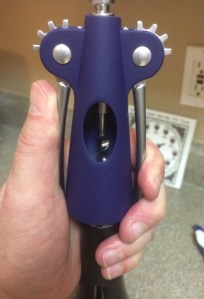
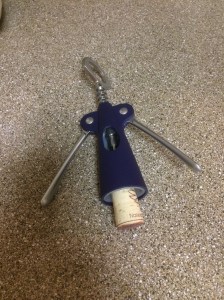
So how do they perform? I decided to try the Swan Easy Grip Wing Corkscrew ($24.99 retail) first. As I mentioned, this was my first time actually using a wing-style corkscrew to remove a cork. It took an astute observation by my dinner guest that one really shouldn’t hold the wings when inserting the cork. (Translation: “You’re doing it wrong!”) Once properly positioned in my hand, the worm smoothly entered the cork, and with a gentle pressure on the wings, the cork started to emerge, finishing with a satisfying “pop!” This corkscrew performed great! It is smooth and easy to use, and fun, too! As with most wing-style corkscrews, the top doubles as a bottle opener, too, for those occasions when you want a cold beer. And when you’re not using it to open bottles, you can use it as a jet plane!

IMG_2195
Dinner Guest: “Um, I don’t think you’re supposed to hold the wings.”
IMG_2196
That’s better!
IMG_2197
After that satisfying “pop!”
IMG_2198
Beer me!

Next, I grabbed the Rhino Easy Wine Waiters Corkscrew ($26.99 retail) and gave it a whirl. This is one of four models of waiters corkscrews offered. The serrated foil cutter blade sliced through the cap smoothly and with ease. The worm and fulcrum were flawless as they aided me in accessing the nectar trapped within the bottle. Again, if you have a crown cap to open, just flip the Rhino around and use the bottle-opener end.

IMG_2206

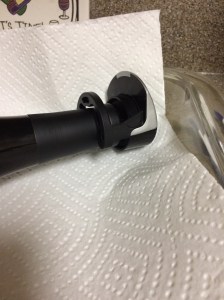
Now that I had two bottles open, it was time to try the Wine Bottle Stopper ($12.99 retail.) When you buy a corkscrew, a Bottle Stopper is included for free, but you can also purchase them separately. While these are not vacuum caps, they do seal tightly, preventing additional air exchange. They snap firmly into place with the lower clip. To put the “no leaks, no spills” claim to the test, I laid a half-full bottle of red wine on its side, over a white paper towel, for 12 hours. The Avina Wine Bottle Stopper performed as promised, without so much as a drop leaking out.

IMG_2200
12 hours later and not a drop!

Whether for yourself, or as a gift to the winelover in your life, you can shop the entire line of Avina Wine Accessories at their website, or at Amazon.com. For a limited time, at either site, use the code AVINA15A at checkout to receive 15% off!

Cheers!

Disclaimer: All products listed and described were submitted as samples for review. I received no other compensation, and all opinions are my own.

Bridget Raymond, Brigitte, Cabernet Sauvignon, Courtesan, Fort Mason, SF Vintner's Market, Wine, Wine Tasting

Destination: SF Vintner’s Market

IMG_2157

Its like a farmer’s market, but for wine! Can it get any better than that?

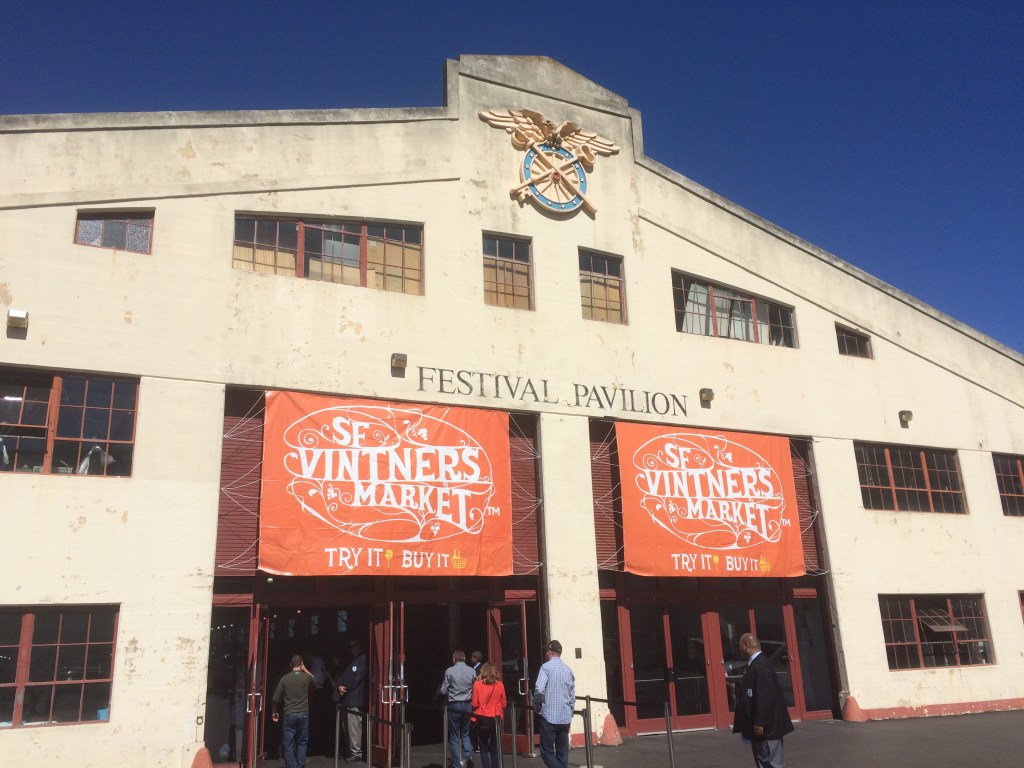
Twice a year, winemakers from all over Northern California converge on the Fort Mason Festival Pavilion in San Francisco. A sprawling warehouse space, the Festival Pavilion is part of the Fort Mason National Historic Landmark District, located right on the bay. One a clear day, like this past Sunday, the views are absolutely stunning! But inside the Pavilion is where the action is!

The SF Vintner’s Market started in 2010 to provide a venue for independent winemakers to sell directly to wine lovers, and get some market exposure to trade reps. With up to 200 wineries in attendance, this is a wine lover’s dream. Some are well-known brands, but many are small, family owned producers, making some very limited quantity cult wines. This is a great opportunity for someone (like me) who has a smallish wine budget, to try wines that are otherwise out of range for purchase.

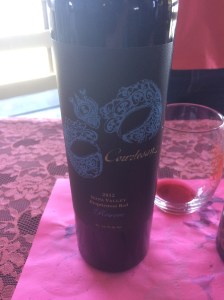
There are three levels of admission: General, Reserve Room, and Cult Lounge. By some amazing good fortune, my friend and winemaker, Bridget Raymond, was in attendance with her wines, and offered me complimentary entrance at the Cult Lounge level. Bridget makes an amazing Merlot wine, Intertwine, for NakedWines.com. (I’ve reviewed a couple of vintages of Intertwine on my blog.) In addition, Bridget has two personal projects under her Courtesan label. Her Brigitte line includes a Bordeaux-style red blend, and a Cabernet Sauvignon Rosé. The current release of the signature Courtesan wine is a Cabernet Franc-based blend. You can find her wines at Courtesanwines.com.

IMG_2162
That’s Bridget on the left. I’m blurry and I haven’t even started tasting yet!

I started the day in grand fashion, driving the two hours from my home to San Francisco, where I met my son and a friend for brunch. They live in The City, so they know all the best brunch spots! After our visit, I was off to the event. In my efforts to get hammered taste wine in safe and responsible manner, I left my car at my son’s, and took Lyft to Fort Mason. I also managed to leave my notebook and phone charger in my car. As a result, I was only able to take so many pictures, and my tasting notes are all from memory. Accordingly, they are mostly from the earlier wines I tasted. Surely you understand.

It was a beautiful pre-Spring day in The City, with temperatures unseasonably warm in the low 70’s. Upon entering, I headed straight to Bridget’s table to check in and say hi. Situated upstairs in the far corner, the view of the bay and the Golden Gate Bridge was simply spectacular! An amazing venue for enjoying some amazing wines! Naturally, I tasted the Brigitte and Courtesan wines first.

IMG_2161

Brigitte Oakville Red Wine 2014

Fabulous Bordeaux style blend. Blackberry, cherry, blueberry, and oak. Soft tannins and rich mouthfeel. Definitely ageworthy, but enjoyable now.

Retail: $29.00

IMG_2163

Courtesan Napa Valley Proprietors Red Reserve 2012

A Cab Franc based blend, this is a spectacular wine now, and will continue to improve for several years. Classic Cali Cab Franc, deep purple color with blackberry, black cherry, and green bell pepper notes. Soft, smooth tannins and perfectly balanced acidity. Long, satisfying finish of dark berry.

Retail: $125.00

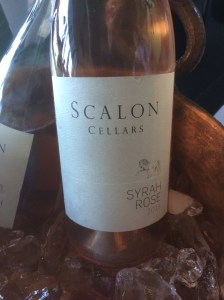
Moving on, I enjoyed a number of superb, hand-crafted wines; mostly Napa Cabernet. Along the way, I came across a sensational Syrah Rosé by Scalon Cellars. After so many big, hefty red wines, a light and lively Rosé was just the ticket!

IMG_2177

Scalon Cellars Syrah Rosé 2015

Delicious! Bone dry, crisp and refreshing. Strawberry and raspberry with lively acidity. #roseallday!

Retail: $30.00

This slideshow requires JavaScript.

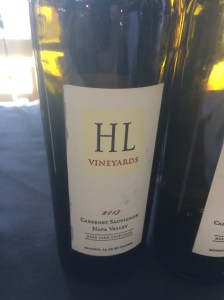
Like I said, this was a great chance to try some wines that are way outside my price range. One such wine was the HL Vineyards Napa Valley Cabernet Sauvignon 2013. It was toward the end of my tour, so…um…palate fatigue, yeah, that’s it, palate fatigue was setting in, so I can’t provide detailed tasting notes. However, I can tell you it was spectacular! At $375 retail, I think this was the priciest wine I sampled that day.

IMG_2185

In addition to all the wine; way too much to taste or photograph; there were food vendors in the house. I only sampled a couple of bites, but everything looked and smelled amazing! Alas, the battery on my phone was fading, so I couldn’t take any foodie pics. Trust me, it was all delightful!

The organizers of the SF Vintner’s Market really know how to throw a party. I definitely plan to attend again, even if I have to pay my own way in! (Thanks again for the ticket, Bridget!) If you’d like to go, visit the website for details. The next Vintner’s Market will be coming up on November 4 & 5, 2017. Mark your calendars, and I hope to see you there!

Cheers!

#MWWC31, Faith, MWWC, Wine

The Faith to Believe – #MWWC31

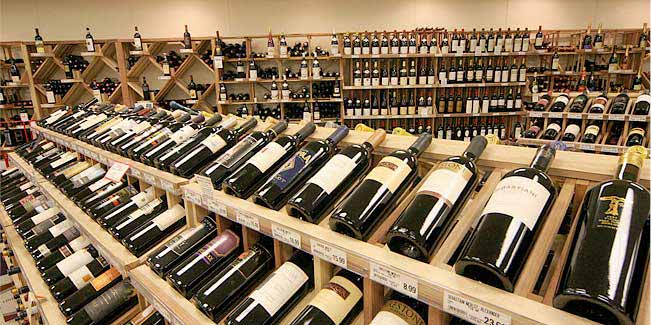
Walk into your local wine shop, and you are faced with hundreds of different options and choices. Which wine is the right one for you? How will you know? Unless you buy the same wines all the time, you are about to drop your hard-earned cash on a bottle that you may or may not like. Why?

faithAllison, the OkieWineGirl, wrote an amazing piece for Monthly Wine Writing Challenge #30, and won the challenge. As all winners do, she had the honor of selecting the topic for #MWWC31. She chose: Faith.

Monthly Wine Writing Challenge

Boiled down to its essence, faith is simply placing trust in someone or something. Sometimes that trust is given based on past experiences. Other times, it is with no prior basis or evidence for believing in the person or thing. Often thought of as a religious tenet; faith actually occurs in all aspects of human life. For example, I have faith that the meteorologist got the weather forecast right for my outdoor picnic. I have faith that my boss will pay me for the work I have done. When I get in my car, I have faith that the other drivers around me will operate their vehicles safely. And when I head into that wine shop, I have faith that somebody along the supply chain, with good taste, has sampled the wine I’m about to buy, and enjoyed it enough to recommend it for sale. In other words, I trust others peoples’ decisions and recommendations, and on faith, I am willing to try that unknown bottle.

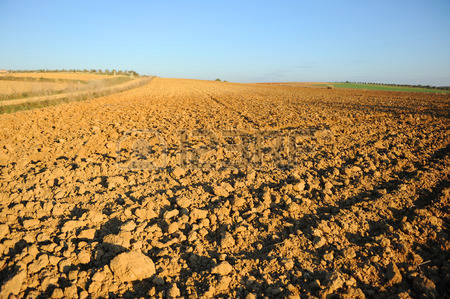
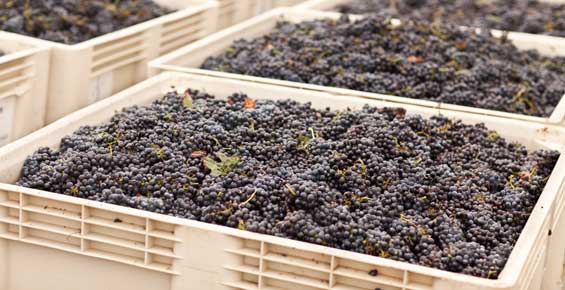
This faith, however, begins long before I walk into those hallowed wine shop halls. At some point, a farmer looked at a plot of ground and had faith that a particular grape variety would grow well there. That farmer invested faith and dollars in planting and cultivating the vines; a process that takes years before recognizing any dividend. Over those years, that farmer nursed and tended those vines as they grew and matured, not knowing whether his faith will be rewarded.

fallow-land

Next, a winemaker bought the farmer’s grapes, with the faith to believe that she could produce a wine that people will enjoy. In the same way that the farmer may rely on his farming skills, the winemaker may have a documented track record of skill in making quality wines. However, she needs faith to trust a new source or grape variety. She purchased the grapes, and on faith, started the winemaking process with them. Many factors beyond her control can conspire to foil the winemaker’s plans, and result in an unpopular wine. But she has faith to believe the outcome of her hard work will be successful.

grape-harvest

Once the wine was fermented, aged, and bottled, the winemaker presents it to her audience. At some point, this will include a representative from a distributor. This representative tastes the new wine, and likes it enough to recommend this new wine be added to the company’s portfolio. This, too, is an act of faith. Will consumers like the wine as much as the representative did? The distribution company itself has faith in the representative; that he knows and understands the trends and demands of what customers are looking for. Relying on that faith, the distributor buys pallets of the wine.

The next faith hurdle is the buyers from the myriad retail sellers. Our friendly distribution rep must introduce the wine to the buyers, who will taste it and decide whether they think their local consumers will appreciate it. Stocking an unpopular wine could result is substantial losses to the store. So the buyers must have faith to believe that their customers will enjoy and buy the wine. In the same way, once that wine hits the stores, the sales employees have to sell it. They must have faith in the buyers, and trust that they brought in a wine the local shoppers will like.

This brings us full circle to us; the wine consumer. If you are like me, you enjoy variety in your wine journey. When I walk into my local wine shop, eager to find something new and unusual – maybe even obscure – I have faith that the store associate knows the wines available in the store, and can provide reliable recommendations. Over time, I’ve learned which associates have similar tastes to mine, but even then we don’t always like the same things. Still, when I’m about to drop a portion my hard-earned paycheck (since my faith in my boss was not misplaced and he did pay me) on a new, unknown bottle, it is a leap of faith. Will I like it? Will I agree that it was worth the price? Will my dinner guests enjoy and appreciate it? So many variables exist that are out of my control, I simply must trust and exercise faith. Faith to believe.

wine-store

And finally, writing this blog post is an act of faith. I trust that people will read it (and if you are still reading all the way down here, I thank you most sincerely.) I trust that those of you who read this post will enjoy it; and that it may perhaps resonate with you. If it does, my faith will be rewarded.

Thanks for reading!


Merlo Family Estate Vineyards, National Drink Wine Day, Old Sugar Mill, Pinot Noir, Wine

Random Musings, February 2017

Blame it on the rain. Northern California has been slammed with a series of winter storms, the likes of which we haven’t seen in a years. As much as we need the rain, we’re Californians, and we really miss our sunshine! Or maybe it’s the recent political climate in our country. Nuf said about that. Perhaps most obviously, it could be the life changes I’m going through that, among other things, have caused a change in my wine-drinking habits. The Big D means that most nights, if I’m drinking, I’m drinking solo. A bottle of wine that nicely serves two people in an evening now lasts me 2-3 days; even four days on occasion! Whatever the cause, I’ve been drinking less wine recently, and have also been suffering from a bout of writer’s block.

Don’t cry for me, however. I’ve been active and busy, going to Meetup events, meeting lots of amazing people, and making new friends in the process. Quite frankly, thinks are looking up, and I feel like I’ve got a bit of my mojo back! With that in mind, I thought I’d piece together a few thoughts – blog ideas from the past few weeks that never got off the ground.

Blues Bars, Beer, and Whiskey

powerhouse-pub

One of the Meetup groups I joined is all about the Blues. They meet several times per week at various bars in the area to listen to Blues bands, dance, and have an all-around good time! Interestingly, I was never much of a Blues fan before. However, I’ve learned that this is because I’d only ever listened to the Blues on the radio. Now I know that Blues is a dish best served HOT! Live Blues is amazing! Where do you find the best Blues? Dive bars. Bars that sell beer by the tanker truck, whiskey, and basic (really basic; 2-3 ingredient) cocktails. These are not establishments that have a well-developed wine program. Who are we kidding? Most don’t have a wine program at all! So this has enabled me to get my beer groove on and explore the wide and wonderful world of brewski! Local craft beer, nationally known brands, and yes, even the occasional, ubiquitous Bud Light. There’s no risk (that I can foresee) of me dividing my loyalty and becoming a beer blogger, but there is a lot of great beer out there, and some pretty amazing people who drink it!

On nights when beer doesn’t appeal, I’ve also become better acquainted to the delights of brown liquor. Whiskey is another pleasing libation that pairs well with live Blues. At a more upscale cocktail bar, I’m generally inclined to order an Old Fashioned (which, ahem, I’ve been drinking since long before Mad Men, so no, I’m not just following a trend!) or a Manhattan. At a dive, Jamie and Ginger is my go-to. (Worried about dirty lines feeding your bartender’s soda gun? Most places don’t run ginger ale through the gun, so you get a freshly opened can from the fridge. Smart, huh?)

Of course, if Blues isn’t your thing, there is plenty of variety in the live music scene in most towns and cities. I hope I’ve inspired some of you to get up, get out, and go listen to some live music!

The Old Sugar Mill: Port, Wine, and Chocolate Lovers

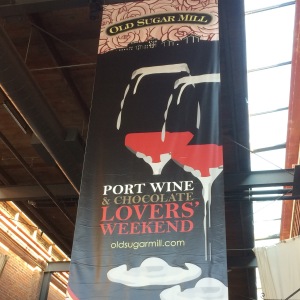
Those of you who are longsuffering dedicated readers of my little corner of the Interwebs may recall my post about The Old Sugar Mill. (<– That’s a link, if you want to pause here to get caught up.) The Old Sugar Mill a wine lover’s fantasy destination, currently housing 13 winery tasting rooms in one location! Last weekend was their annual Port, Wine, and Chocolate Lovers’ Weekend. It’s an amazing event that I’ve missed in prior years. Admission gets you tastes at nearly all of the wineries, plus chocolate samples, live music, and access to some of the region’s best gourmet food trucks! This year I attended with a friend I met through another Meetup group. It was a blast! I was having so much fun; I forgot to take pictures – except this one.

port-wine-and-chocolate

House Parties

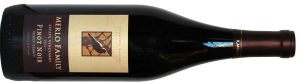
I’ve also been attending a few house parties, which is a great way to meet and mingle. One I recently attended was wine themed. Being a wine guy, I naturally grabbed a nice bottle from my cellar. By no small coincidence, it was from one of my favorite wineries at The Old Sugar Mill. The Merlo Family Vineyards Pinot Noir 2012 was a huge hit! It was the first bottle to run dry, of the 20 or more available at the party. Not pricy by Pinot Noir standards, it retails for $27, but Ray Merlo is a strong advocate for wine education, and a firm believer in the notion that if people can’t afford it, they can’t enjoy it. I’ve had comparable Pinot in the $35-45 range.

merlo-pinot-noir-2012

Here’s my review:

Rich, earthy Pinot Noir, in the classic NorCal style. Purple color with a ruby rim. Aromas of ripe plums and spice. Flavors of ripe plum, blueberry, cherry, and earth with a lingering finish of dark fruit and soft earth tones.

4.0 out of 5 stars (88 – 91 points)

What surprised me about the event was the number of bottom shelf bottles that appeared on the wine table. While they will remain nameless, I am familiar with most of the labels I saw and know them to be “meh” wines in the sub-$5 range. Now, I understand that not everybody is a wine geek like me, and maybe the wine they brought is the wine they drink regularly. Still, when I’m bringing a bottle to an event, I like to step it up and bring something special. Maybe that’s just me.

National Drink Wine Day

national-drink-wine-day

Finally, if you were anywhere within 10 miles of Social Media, or your favorite wine geek, you know that yesterday was National Drink Wine Day. I’m still not sure why someone decided we need a special day to celebrate drinking wine, but who am I to question? Always one to follow the rules, I made my way, with a wine-loving friend, to my favorite local wine bar where we enjoyed some good wine and great conversation. You just gotta love holidays!

Cheers!


#MWWC30, Baco Noir, Grenache, MWWC, Vranac, Wine

The Value in the Obscure – #MWWC30

Monthly Wine Writing Challenge

Obscure…O-B-S-C-U-R-E…I have never heard of the grape or the region from which this wine is made; they are both obscure. Obscure.

Having successfully completed the latest round in the Monthly Wine Writing Challenge Spelling Bee, let me just say that I am a big fan of the obscure. Although there is no conceivable way to taste all of the thousands of different grape varieties in my lifetime, I am committed to giving it my all, and taste as many as possible! Not too long ago, I learned about the Century Wine Club. Yes, it’s a thing! All you have to do to qualify for membership is taste at least 100 different grape varieties. After going through my wine log, I discovered that I was only a handful short, so I hastened to my local wine shop and stocked up on a few more obscure varietals and blends. Yes, blends count toward membership.century_club_seal

As you may have determined by now, this is my entry into the 30th Monthly Wine Writing Challenge, #MWWC30. Last month’s winner, Shez, The Epicurious Texan, had the honor of selecting the topic for the next Challenge. As luck would have it, she selected “Obscure.”

obscureRegular readers of my blog may know just how much I enjoy the pursuit of the obscure. My love of obscure not only includes grape varieties, but regions, too. I am even writing a series of blog posts on “Lesser Known AVA’s” which can be accessed from the tab on my menu. Sure, it’s small now, but wait till I get going! Whenever possible, I like to conduct my research live and in person. But that is perhaps a topic for another MWWC.

lesser-known-avas

Nevertheless, when Shez was kind enough to post a blog offering some guidance into what she had in mind with this topic, she specified that she is interested in reading about others’ favorite obscure wines and grape varieties. My only hesitation is in adhering to Shez’ suggestion that we select “that one varietal that they love…” Just one? As much as I tried, the best I could do was narrow it down to three. I hope that’s OK, Shez.

Many who are “into” wine might not find my first selection to be that “obscure”, but most people I know with limited wine knowledge have never heard of it. In fact, just the other day at lunch, a co-worker was looking over the wine list, and asked if any of us had ever tasted “Gree-natch.”

Grenache is a red grape, and is probably most famous as one of the trio of grapes that make of the classic Rhone blend GSM – Grenache, Syrah, and Mourvedre. (Another obscure grape!) It is also the main grape used in Chateauneuf-du-Pape wines, and is renowned as a major player in Rosé from Provence.  In addition to France, Grenache is also widely planted in the U.S., Australia, and Spain where it is known as Garnacha. One of the things I like about Grenache is its versatility. I have tasted Grenache wines ranging from light-bodied with mineral and gravel notes, to rich and full-bodied with juicy red and black fruit flavors. My favorite Grenache to date falls into the latter category.

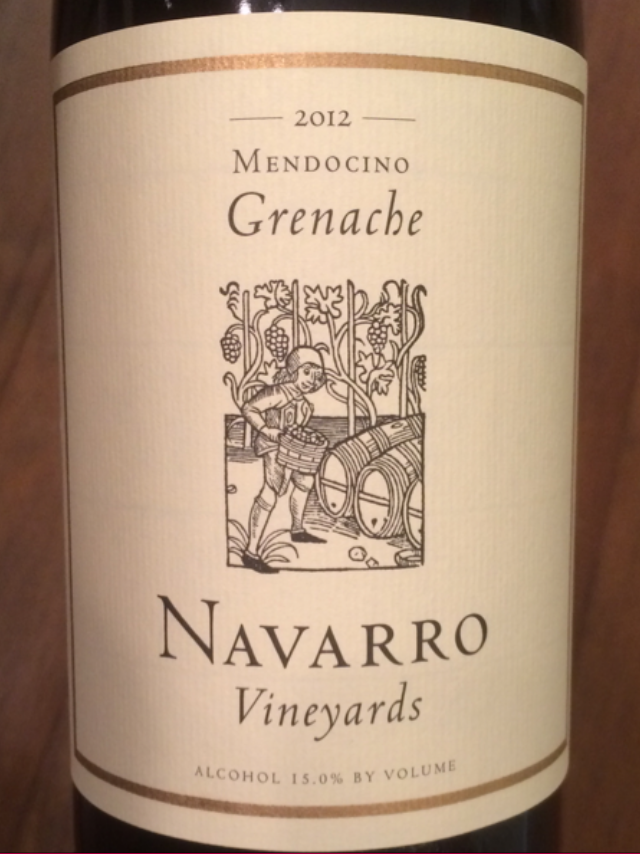
navarro-grenache

Navarro Vineyards Grenache 2012 ($27.00 Retail)

Big, bold red. Blackberry, cassis, spice, and oak. Full bodied with firm, smooth tannins.

I’m not sure why I didn’t take more detailed tasting notes on this one. Maybe because it left such an indelible impression on my brain that I knew I would never, ever forget it!

My second obscure grape may be more familiar to those of you in the Great White North. While on my Quebec “work-cation” earlier this year, I came across Baco Noir, a hybrid grape originally developed to resist phylloxera while maintaining a French character. The grape is also quite hardy and can withstand the harsher weather and climate conditions found in cold regions like Canada. Unlike many native Canadian grapes, which display “foxy” aromas, Baco Noir is bold and fruity.

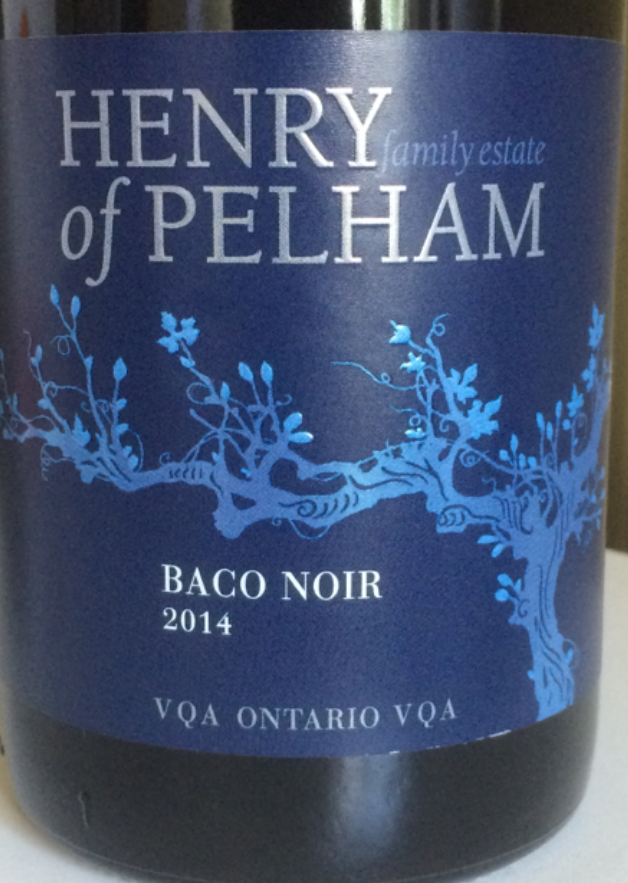
henry-of-pelham-baco-noir

Henry of Pelham Baco Noir 2014 ($16.40 CAD, approximately $11.35 USD Retail)

Fruit explosion! Deep violet in color. Aromas of blueberry and raspberry. Flavors burst with blueberry, blackberry, black currant, and cedar. Medium tannins, yet full-bodied, with zesty, tingling acidity. Best with food; the acidity can overpower without. The finish lingers with berry and spice.

Many of the reviews I read prior to purchasing this wine complained of its sweetness, which caused me no small amount of apprehension, since I do not prefer sweet wines. However, after tasting it, I discovered this is not a sweet wine. On the contrary, it is quite dry, but very fruit-forward which many people mistake as sweetness. My biggest disappointment is that I haven’t found anywhere here in Northern California where I can get my hands on more of this wine! If any of you dear readers know where I can find it locally, please let me know in the comments!

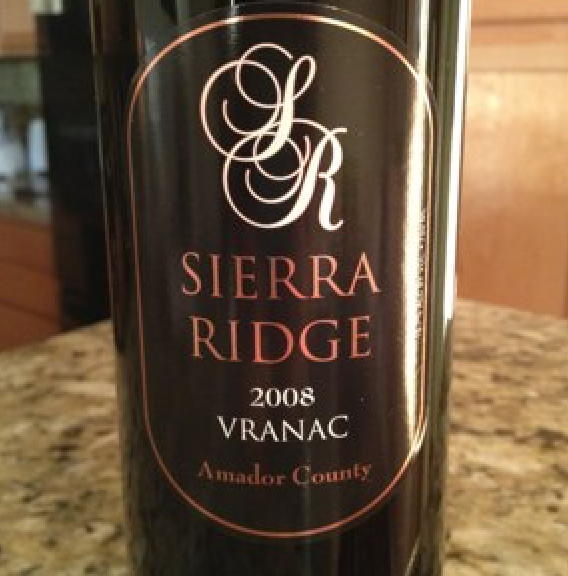
Finally, please let me introduce you to my friend, Vranac. Talk about obscure! I just checked, and Total Wine & More, the wine superstore, doesn’t list it on it’s website at all! Vranac is a black-skinned grape native to Montenegro. It is most commonly planted in Macedonia and Croatia. Lucky for me, an obscure winery nearby in the Sierra Foothills has also planted some Vranac vines, and produces this remarkable wine. Now that I mention it, I’m way overdue for a visit to Sierra Ridge Winery!

sierra-ridge-vranac

Sierra Ridge Winery Vranac 2008 (Hmm. I didn’t make note of the price when I bought it. I’m guessing in the $18-24 range.)

Deep purple color. Aromas and flavors of Blackberry, cherry, black pepper, and spice with notes of raisin. Medium bodied with soft, smooth tannins and a lingering finish.

One of the common denominators I have found in my exploration of obscure grapes and regions is…value! Since these wines are not widely known, they don’t demand such high prices as their more famous counterparts. Yet, these wines are equally as good, and in many cases (think mass-produced supermarket brands) they are far superior! I encourage you to stretch out of your comfort zone and seek out the obscure. I can promise you will find some amazing wines, and you might even save yourself a buck or two in the process!

Cheers!